

">

Showing 133–144 of 358 results
-


Nokia 5130
Quick View💎 Rarity Index: C (Common)
👁 Evaluation in my collection: Great – 9/10
⏱ Life timer: 08h | 📦 Boxed: YES
📅 Release Year: 1998 | 💰 Release Price: N/A
📊 Units Sold: ~5M
📰 Why this phone matters: Similar to 5110 but runs on GSM 1800. The 5110, also known as Nokia 5146 on One2One (now T-Mobile), or the nk402 on Orange in the UK, was intended for the consumer market, succeeding Nokia 1610 and the analogue Nokia 232. Its design is based on the same platform as Nokia 6110 for the business market. It features a similar, simpler, revamped user interface called Series 20, but lacked the infrared data interface. It can, however, be interfaced with a computer via a cellular data card and the appropriate cable, enabling it to function like a modem to connect to remote computer systems through the Public switched telephone network (PSTN).
Nokia 5110 is rugged, has excellent battery life, and features an 84×48-pixel monochrome LCD with four LED backlights, operated by the Philips PCD8544 display controller.
It is the first Nokia phone to come with replaceable faceplates, which Nokia branded “Xpress-on” covers; a concept Nokia incorporated into several other consumer-oriented cellphones aimed at the young adult market for years to come, allowing users to customize their device. “Xpress-on” was trademarked in the U.S. on 25 February 1998.
Nokia 5110 is also one of the first mobile phones to feature the game Snake. It became one of the most popular phones of its era.
Nokia 5110 was discontinued by the year 2000, having been fully replaced by the smaller Nokia 3210.Similar to 5110 but running in GSM 1800 only📝 Reviews when released: N/A 💔
-


Nokia 5140i
Quick View💎 Rarity Index: C (Common)
👁 Evaluation in my collection: As New – 10/10
⏱ Life timer: 67h | 📦 Boxed: NO
📅 Release Year: 2003 | 💰 Release Price: ~300 $
📊 Units Sold: ~3M
📰 Why this phone matters: Released in 2003 it has a white backlit screen, FM radio, VGA display, and a USB pop-port operating on the GSM Network. The Nokia 5140 was the successor to the Nokia 5210📝 Reviews when released: Mobile Review 🔗
-
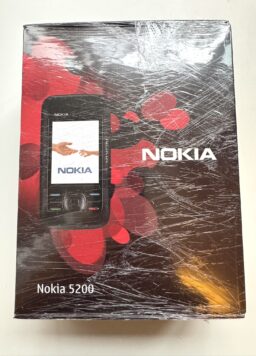
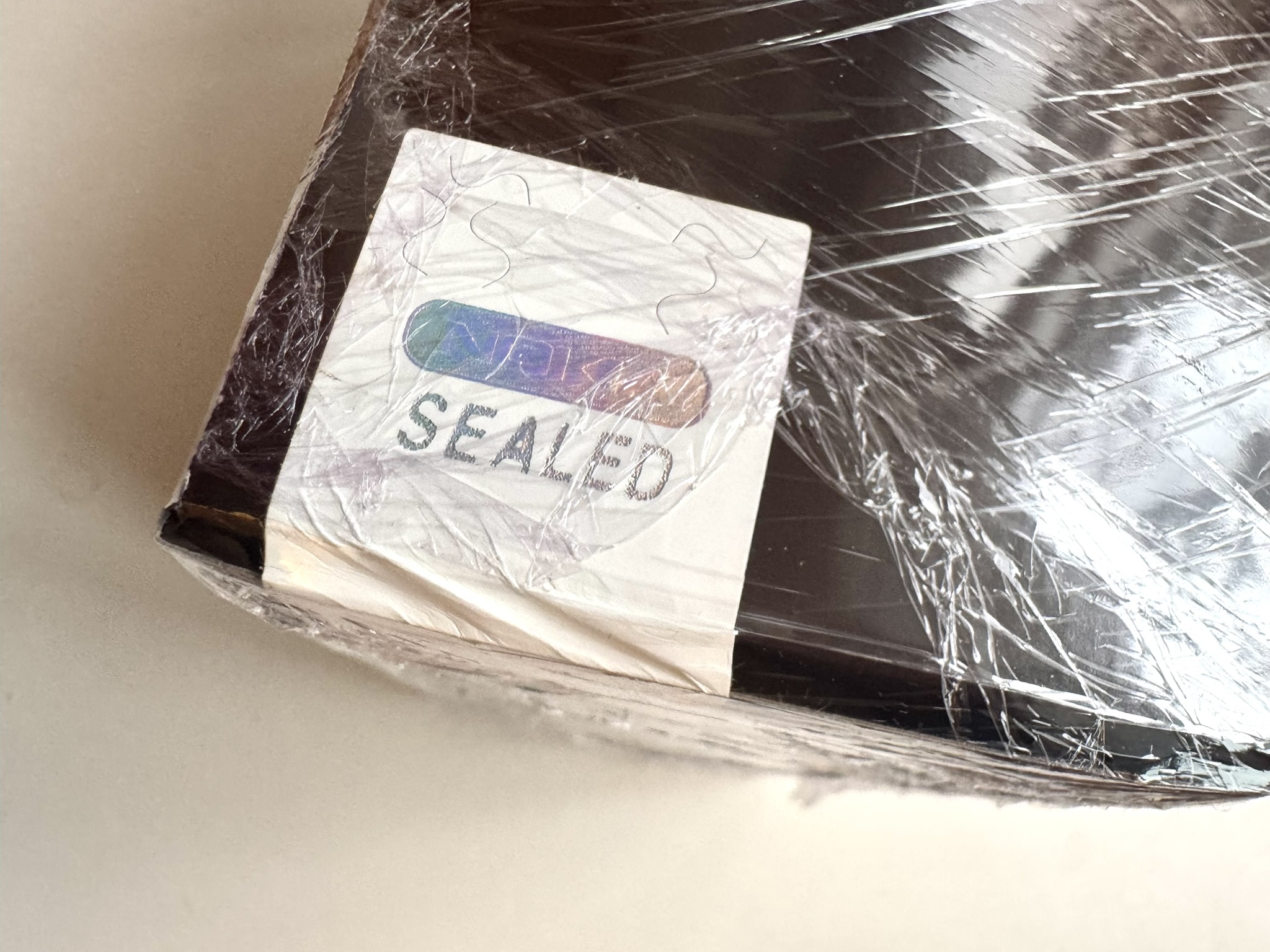
Nokia 5200 Red BNIB Seal:The Untouched XpressMusic-Era Time Capsule
Quick View💎 Rarity Index: A (Rare)
⭐ WOW Factor: A fully factory-sealed Nokia 5200 in the rare red variant, preserved exactly as it left the Hungarian assembly line
👁 Evaluation in my collection: BNIB SEALED – 10/10
⏱ Life timer: 0 | 📦 Boxed: YES
📅 Release Year: 2006 | 💰 Release Price: ~180 €
📊 Units Sold: ~5M
📰 Why this phone matters: The Nokia 5200 (RM-174), released in 2006, defined an entire generation of youthful slider phones built around durability, simplicity and music-centric design. Positioned as the more affordable sibling of the 5300 XpressMusic, the 5200 shared the same playful DNA, rubberized edges, and iconic red-and-white aesthetic that became a symbol of the mid-2000s Nokia lifestyle lineup.This sealed specimen is a rarity on its own. The box wrap is original factory tight-shrink, with no tears, rewraps or aftermarket sealing. The IMEI labels confirm a clean manufacturing batch from Nokia’s Hungarian plant, one of the most respected production facilities in Nokia’s history for quality control and eur;opean-market releases.
Inside this untouched package sits a brand-new 5200 with its original slide mechanism, factory screens, pristine keypad, untouched charger, battery, manuals and accessories exactly as Nokia packed them nearly two decades ago. The red variant, shown on the box, is especially sought after because it was the flagship colorway marketed across eur;ope and often associated with the sporty, music-driven personality of the device.
The Nokia 5200 delivered Bluetooth, Series 40 3rd Edition OS, a bright 128×160 display, VGA camera, microSD expansion, Nokia’s legendary battery life, and a rugged build designed for daily use. It became a bestseller in 2006 and 2007, praised in contemporary reviews for being fun, solid and strikingly designed for its price bracket.
Finding one sealed today is almost impossible. Finding a sealed red one even harder. This unit represents the exact retail experience a user would have enjoyed in 2006, preserved untouched and unaltered, a true collector-grade relic from Nokia’s golden era.
📝 Reviews when released: cNet 🔗
-


Nokia 5210: The Outdoor Classic
Quick View💎 Rarity Index: C (Common)
⭐ WOW Factor: The only Nokia phone with an orange backlight for a monochrome display.
👁 Evaluation in my collection: TBD
🕵 Nokia Codename: Funky
⏱ Life timer: 17m | 📦 Boxed: NO
📅 Release Year: 2002 | 💰 Release Price: N/A
📊 Units Sold: ~4M
📰 Why this phone matters: The Nokia 5210 is Nokia’s definitive rugged classic, a phone built for tough conditions at a time when most handsets were still fragile and business-focused. Announced in late 2001 and released in early 2002, it combined dust, shock and water resistance with Nokia’s familiar Series 20 interface, delivering a device that could survive real-world abuse without sacrificing everyday usability.This full box blue unit showcases the 5210 exactly as it was originally sold, complete with its distinctive rubber Xpress-On shells. The blue housing with silver and black accents gives the phone a sporty, technical look, while the rubber exterior provides added grip and physical protection. Unlike typical monochrome Nokias of its era, the 5210 uses an orange backlight, making it instantly recognizable and giving it a unique visual identity in low light.
Technically, the 5210 offers more than just toughness. It features WAP over CSD, a built-in infrared interface for data transfer to compatible devices, and support for Nokia’s PC tools, allowing phonebook editing and SMS handling directly from a computer. The Series 20 software platform provides a full set of calling features, including last number redial, speed dial, conference calling, call waiting, hold, mute, transfer and end all calls, alongside productivity tools such as a calculator, countdown timer, stopwatch, thermometer and calendar.
One of the most unusual features of the 5210 is its built-in thermometer, which reads the internal temperature of the phone’s battery. While primarily a technical and diagnostic function, Nokia exposed it as a user feature, adding to the phone’s adventurous, tool-like character. Preloaded with classic games like Snake II, Space Impact, Bantumi, Pairs II and Bumper, the 5210 balances rugged functionality with entertainment.
Because the 5210 was intended for rough use, most units were heavily worn or damaged over time. A full box example in blue, preserved in excellent condition, is now a rare find and a strong piece for any serious Nokia or rugged mobile collection. It represents a moment when Nokia successfully merged durability, personality and technology into one unmistakable device: the Nokia 5210, the Rugged Classic.
📝 Reviews when released: N/A 💔
-


Nokia 5500 Sport
Quick View💎 Rarity Index: B (Uncommon)
⭐ WOW Factor: The first Nokia phone to feature text to speech and motion sensor features.
👁 Evaluation in my collection: Great – 9.8/10
⏱ Life timer: 189h | 📦 Boxed: NO
📅 Release Year: 2006 | 💰 Release Price: ~250 €
📊 Units Sold: ~1M
📰 Why this phone matters: Nokia 5500 Sport is a smartphone running Symbian v9.1 operating system and the S60 3rd Edition user interface, announced on May 10, 2006. This was the first Nokia handset ever to feature text to speech and motion sensor features.📝 Reviews when released: Mobile Review 🔗
-


Nokia 5510
Quick View💎 Rarity Index: B (Uncommon)
⭐ WOW Factor: The first Nokia phone with music player capabilities
👁 Evaluation in my collection: BNIB – 10/10
🕵 Nokia Codename: Maverick
⏱ Life timer: 0m | 📦 Boxed: YES
📅 Release Year: 2001 | 💰 Release Price: N/A
📊 Units Sold: ~800k
📰 Why this phone matters: The Nokia 5510 features a full QWERTY keyboard, and is notable for its digital music player, the company’s first mobile phone with music player capabilities.It has a 64 MB memory for storing audio files📝 Reviews when released: N/A 💔
-


Nokia 5610 Xpress Music Red Prototype Label: Just Proto Software
Quick View💎 Rarity Index: A (Rare)
👁 Evaluation in my collection: As New – 10/10
⏱ Life timer: 0m | 📦 Boxed: NO
📅 Release Year: 2007 | 💰 Release Price: ~280 €
📊 Units Sold: ~2.5M (final units)
📰 Why this phone matters: The Nokia 5610 is a slider mobile phone from Nokia part of the XpressMusic series. Introduced August 2007 and launched in December, it runs on the Series 40 platform. The 5610’s design is similar to that of the Nokia 5310 XpressMusic (announced same day), with aluminium brushed sides and bold side colours of either red, blue, white, or pink.Above the regular D-pad with music buttons, the 5610 features a “sliding switch” below the display for navigation.📝 Reviews when released: Mobile Review 🔗
-
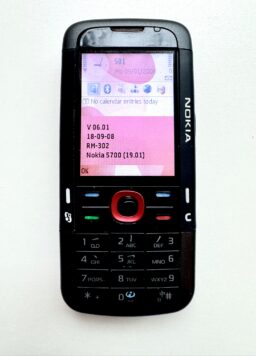
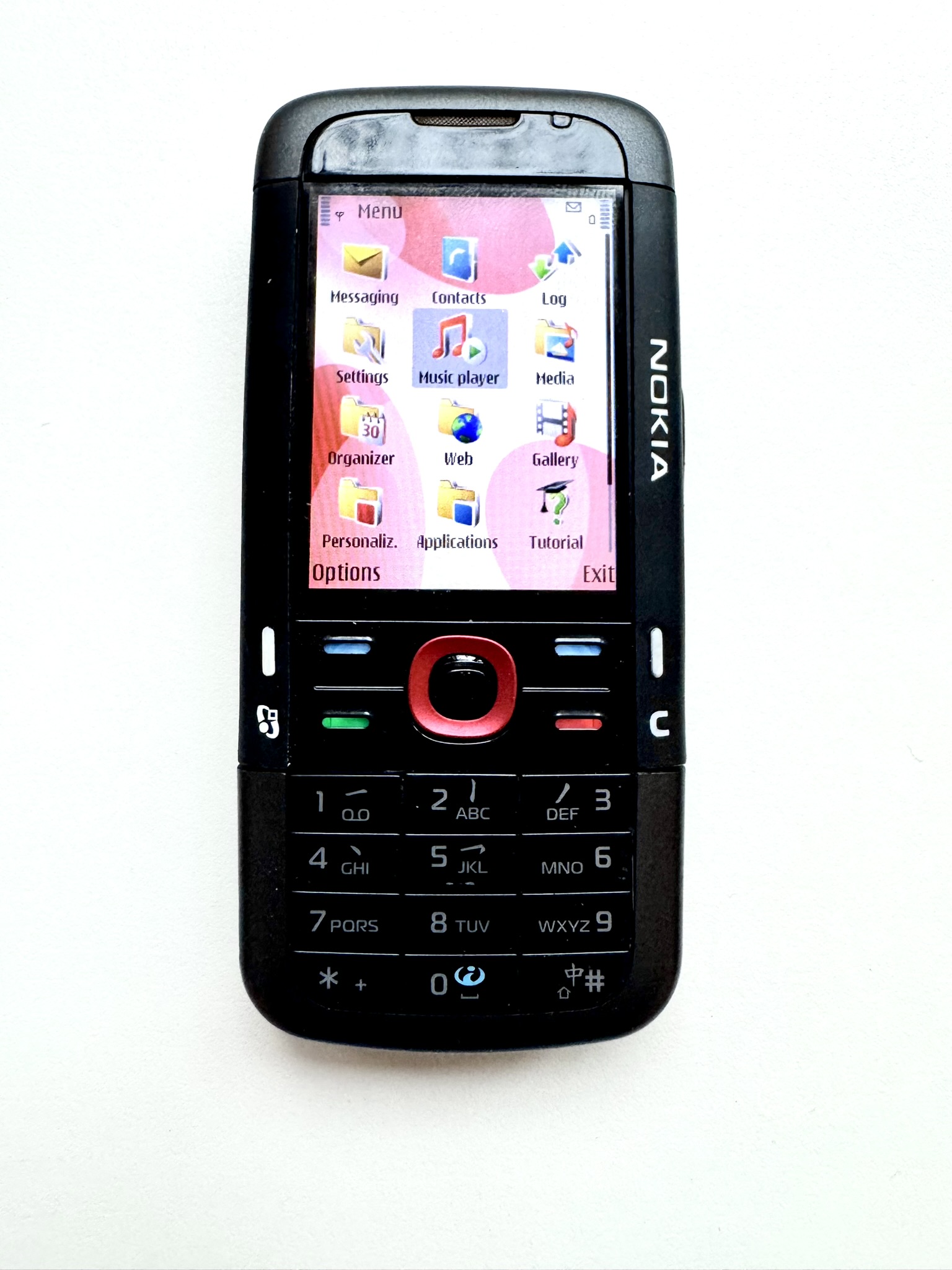
Nokia 5700: RM-302 Black China Edition
Quick View💎 Rarity Index: A (Rare)
⭐ WOW Factor: The only Nokia design where a single twist instantly switched the device’s personality: messaging, music, or camera.
👁 Evaluation in my collection: Good – 8.5/10
⏱ Life timer: 2h | 📦 Boxed: NO
📅 Release Year: 2007 | 💰 Release Price: N/A
📊 Units Sold: ~1.5M
📰 Why this phone matters: The Nokia 5700 XpressMusic in full black is one of the rarest variants of Nokia’s rotating-multimedia smartphone lineup, produced in limited quantities for the Chinese market under type RM-302. Unlike the classic red-and-white global release, this black edition was never widely exported, and its appearance alone gives it a more modern, stealth-like identity compared to the traditional XpressMusic theme.RM-302 identifies the dedicated China-market hardware and firmware platform. This variant features localized Chinese firmware languages, regional GSM frequency configurations, Chinese SAR certifications, and distinct product codes used only in mainland China. It also includes Chinese-market keypad print variants and often slightly different audio tuning profiles for the XpressMusic sound engine, making it unique compared to the RM-230 and RM-235 global versions.
This model is instantly recognizable thanks to its iconic twist design: the lower half of the phone physically rotates, switching between phone keypad, camera mode, and dedicated multimedia controls. No other Nokia device combined physical transformation with smartphone features in this playful and functional way. Even today, the rotating mechanism feels sharp, solid, and satisfying in the hand.
This unit is fully working, and everything from the bright display to the twist motion and the XpressMusic player still operates correctly. The black housing appears clean and unique, and the handset reflects the Chinese-market identity through its labeling, firmware, and certification patterns. The label confirms this is a 2007 manufacturing batch for China, complete with regional approvals and variant coding specific to RM-302.
The Nokia 5700 remains one of the most unusual and entertaining Symbian smartphones ever made, remembered for its creative design, its music-centric features, and its transformation-style body that stands out even among Nokia’s most ambitious experiments. The RM-302 black Chinese-market edition elevates that uniqueness to a higher level, making it one of the hardest versions to find in full working condition.
📝 Reviews when released: cNET 🔗
-
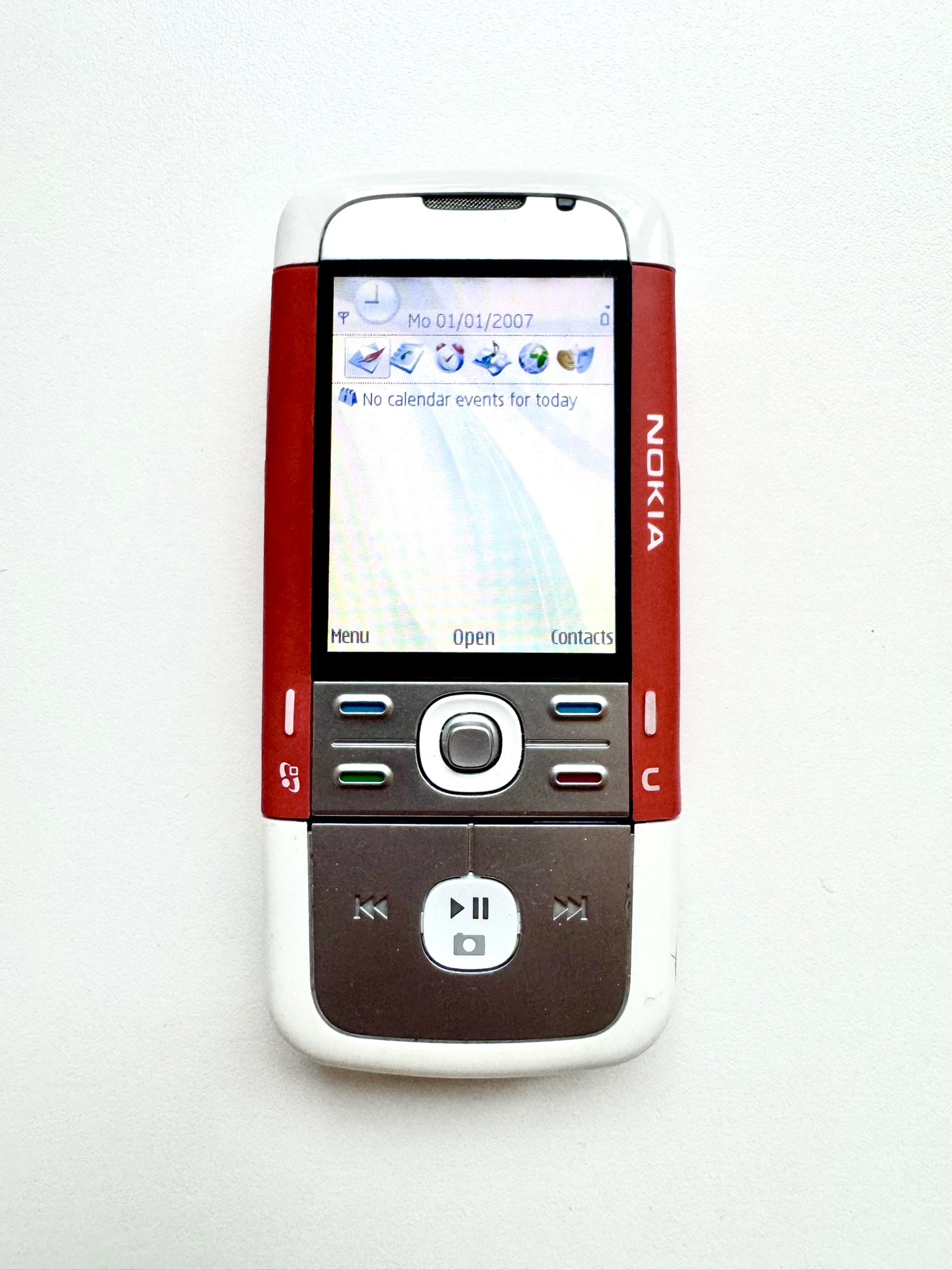
Nokia 5710 Unreleased Prototype B3.0: RM-187
Quick View💎 Rarity Index: X (Mystical Prototype)
⭐ WOW Factor: The only Nokia design where a single twist instantly switched the device’s personality: messaging, music, or camera.
👁 Evaluation in my collection: Great – 9/10
⏱ Life timer: 0m | 📦 Boxed: NO
📅 Release Year: 2006 | 💰 Release Price: N/A
📊 Units Sold: 0 unreleased
📰 Why this phone matters: The Nokia 5710 (RM-187) prototype represents one of the rarest and most technically fascinating chapters in Nokia’s experimental design era. Built in Finland as a late-stage engineering sample, this unreleased device was intended to become the successor to the Nokia 5700 XpressMusic – and the final evolution of Nokia’s iconic twist-mechanism platform.Carrying the markings “Prototype ? Property of Nokia ? Not for Sale”, this RM-187 unit showcases hardware that never reached production: a redesigned rotating lower module, a reinforced hinge, and an upgraded rotary connector meant to eliminate the flex-cable failures seen on earlier twist models. Every piece of internal labeling, from its pre-production QR matrix to the B-series hardware stamps, confirms its status as an authentic high-level engineering device.
Unlike the retail 5700, the 5710 was slimmer, structurally stronger, and technically more advanced – an ambitious internal attempt to create the third-generation twist phone, following the 3250 and 5700. Development was ultimately halted, making RM-187 the final Nokia twist platform ever constructed.
The result is a prototype that combines unfinished industrial design, experimental hardware, and a form factor that was already disappearing from Nokia’s roadmap. With no retail release and only a handful of RM-187 boards ever confirmed, this piece stands as a true collector’s artifact – a preserved snapshot of a daring design direction that Nokia never shipped.
📝 Reviews when released: N/A 💔
-


Nokia 6100
Quick View💎 Rarity Index: C (Common)
⭐ WOW Factor: The lightest Nokia phone with color display and a full 12-key keypad at the time
👁 Evaluation in my collection: New – 10/10
🕵 Nokia Codename: Maxwell
⏱ Life timer: 0m | 📦 Boxed: YES
📅 Release Year: 2002 | 💰 Release Price: ~350 $
📊 Units Sold: ~15M
📰 Why this phone matters: The Nokia 6100 was Nokia’s lightest phone with a full 12-key keypad at the time. Combined with its battery, it weighs only 76 grams (2.68 ounces) and measures 102 x 44 x 13.5 mm. Its smaller size compared with other contemporary phones might make it difficult for the elderly, or people with large fingers, to use its keypad. The phone supports Xpress-On covers, and is packaged along with any of 4 colours. Its feature set is very similar to the Nokia 7210, although with a more conservative design.📝 Reviews when released: Mobile Review 🔗
-


Nokia 6101
Quick View💎 Rarity Index: C (Common)
👁 Evaluation in my collection: As New – 9.9/10
🕵 Nokia Codename: Ediphix
⏱ Life timer: 1m | 📦 Boxed: NO
📅 Release Year: 2006 | 💰 Release Price: ~280 $
📊 Units Sold: ~10M
📰 Why this phone matters: The Nokia 6101, 6102, and 6102i are a line of popular Nokia mid-level clamshell cellphones that operate on GSM-850/1800/1900 MHz (some markets are GSM-900/1800/1900 MHz) frequencies released between middle 2005 and early 2006. The line was given the nickname Ediphix by Nokia employees.The differences between the 6101 and 6102 are very small and the only visible differences are the style of the keypads and front bezel plate. The 6102i is an updated version of the 6102 featuring Bluetooth capabilities and increased memory space. Another updated version of the 6101/6102 is the Nokia 6103.
Announced in 2005, the Nokia 6101 was also one of the last Nokia phones that still had an external antenna.
Its direct successor is the Nokia 6131, which includes microSD card slot and native USB connectivity.
📝 Reviews when released: Mobile Review 🔗
-
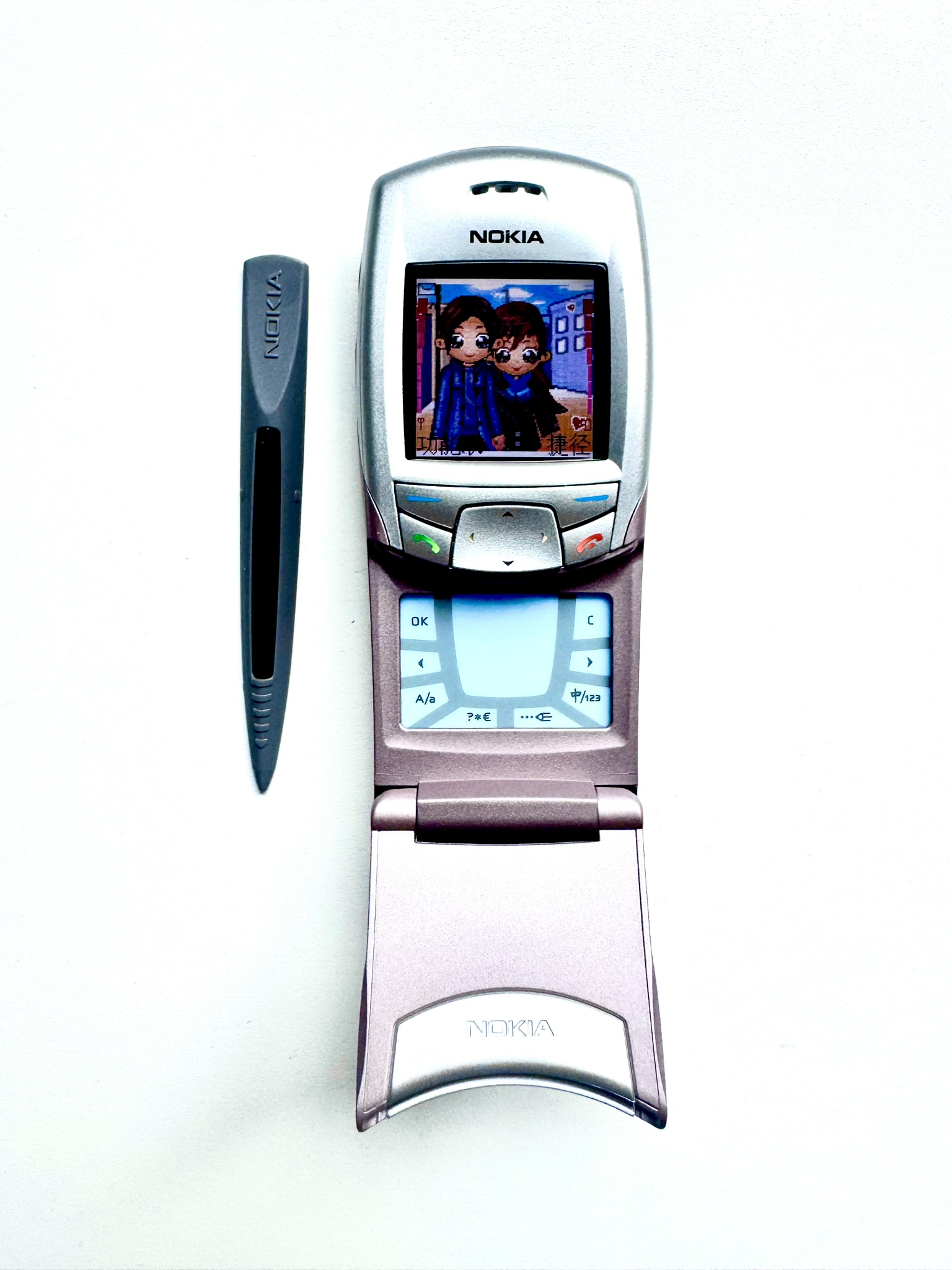
Nokia 6108 Prototype B5.0: Early Engineering Sample in Pink
Quick View💎 Rarity Index: S (Ultra Rare)
⭐ WOW Factor: Handwriting Recognition
👁 Evaluation in my collection: Good – 9/10
🕵 Nokia Codename: Libai
⏱ Life timer: 3 | 📦 Boxed: NO
📅 Release Year: 2003 | 💰 Release Price: 200 €
📊 Units Sold: ~300k (final units)
📰 Why this phone matters: A striking Nokia 6108 Prototype B5.0, internal codename “LiBai”, built under Type RH-4 and marked with the unmistakable Model: XXYY placeholder – one of Nokia’s classic signatures for true pre-production devices. The PROTO B5.0 designation places this unit in the late engineering stage, where final hardware refinements, handwriting-input validation and UI stability testing were performed before the model was green-lit for production.The pink housing paired with this prototype label makes it highly distinctive: while certain pink variants were later released in select Asian markets, the internal markings on this unit – early production codes, non-consumer label structure, and the development codename printed directly on the shield – confirm it as part of Nokia’s controlled R&D chain rather than a retail batch.
With its clean prototype identifiers, engineering-phase hardware and the unique “LiBai” project naming, this 6108 B5.0 proto stands as a rare and desirable example of Nokia’s experimental era, capturing the device exactly as it passed through the company’s internal development process.
📝 Reviews when released: N/A 💔