

">

Showing 1–12 of 32 results
-
Nokia 3128 Prototype “ID SAMPLE”: BenQ Hybrid | Unreleases Colour Light Blue
Quick View💎 Rarity Index: X (Mystical Prototype)
⭐ WOW Factor: Represents a short-lived moment when BenQ attempted to showcase its ability to deliver a complete UI solution, hoping to convince Nokia that full software outsourcing for low-cost devices was feasible.
The existence of this device is proof of a BenQ-driven initiative, briefly evaluated and ultimately rejected by Nokia.
Only a handful of such BenQ UI?on?Nokia hardware identity samples were ever created, making surviving units exceptionally rare.👁 Evaluation in my collection: New – 10/10
🕵 Nokia Codename: Kirin
⏱ Life timer: 0 | 📦 Boxed: NO
📅 Release Year: 2003 | 💰 Release Price: ~300 $
📊 Units Sold: ~15M (final units)
📰 Why this phone matters: This device is one of the strangest, most intriguing Nokia 3128 variants ever uncovered. Externally it follows the familiar engineering path of the 3128 platform, but once powered on, everything breaks the pattern. There is no Nokia branding in the software, no Nokia splash screen, no Series 40 heritage, instead it boots into a BenQ-style interface, complete with custom icons, Chinese menu structures, and UI elements never found on any released Nokia product.The label inside reads “ID SAMPLE”, marking it as a pre-production identity unit used for internal validation during Nokia’s ODM sourcing phase. These ID Samples were not mass-produced, not distributed to carriers, and not meant to survive outside the labs. The combination of Nokia hardware and a BenQ firmware stack indicates that this device comes from the period when Nokia briefly explored outsourcing complete handset UI development to third-party Asian manufacturers before ultimately abandoning the idea.
The handwriting is a timestamp from the engineering team: “August 16, 2004.”
It marks when this specific prototype was logged, flashed, or validated.The software screens match early prototypes from unreleased BenQ flip designs, particularly those associated with the never-released BenQ A-Series Asian clamshells, hinting that this firmware was being evaluated on Nokia shells for cost and speed benchmarking. The UI animations, iconography, and color palettes align far more with BenQ’s internal 2004-2005 development than with anything Nokia ever shipped.
A detail that further confirms how early this unit is, the SIM card lock mechanism is completely missing, leaving the slot open and unfinished exactly as seen on raw factory evaluation samples. Even more telling, the device reports an IMEI of 0000000, a clear sign of a pre-IMEI-burning engineering stage where the radio stack and identity fields had not yet been finalized.
The mysterious “cmg” sticker seen on the display is consistent with internal testing labels used during configuration management, marking the unit for firmware staging or UI evaluation. These stickers usually identify a branch, a module, or a build handler inside the engineering workflow and marks it as a monitored experimental build – exactly the kind of anomaly this prototype represents.
All the elements together, the missing SIM lock, the IMEI 0000000, the absent Nokia splash, the BenQ interface, the “ID SAMPLE” marking, the prototype hardware architecture, and the inconsistencies between software and chassis, place this device among the rarest 3128 developmental anomalies, far more unusual than standard prototypes or early F-series units. It is a tangible piece of the abandoned Nokia-BenQ convergence experiments, where Nokia evaluated whether foreign UI stacks could run on their hardware to accelerate low-cost market entry.
A true one-off laboratory hybrid, and one of the most unusual pre-production Nokia 3128 derivatives ever documented.
📝 Reviews when released: N/A 💔
-
Nokia 3128 Prototype F5.0 : Codename Kirin| Unreleased Colour (Orange)
Quick View💎 Rarity Index: S (Ultra Rare)
⭐ WOW Factor: Represents a short-lived moment when BenQ attempted to showcase its ability to deliver a complete UI solution, hoping to convince Nokia that full software outsourcing for low-cost devices was feasible.
The existence of this device is proof of a BenQ-driven initiative, briefly evaluated and ultimately rejected by Nokia.
Only a handful of such BenQ UI?on?Nokia hardware identity samples were ever created, making surviving units exceptionally rare.👁 Evaluation in my collection: New – 10/10
🕵 Nokia Codename: Kirin
⏱ Life timer: 0 | 📦 Boxed: NO
📅 Release Year: 2003 | 💰 Release Price: ~300 $
📊 Units Sold: ~15M (final units)
📰 Why this phone matters: A remarkably rare piece of Nokia’s China-market CDMA history, the Nokia 3128 (Type RH-72) stands apart from the brand’s mainstream lineup.
Developed during Nokia’s short-lived collaboration with BenQ/Qisda for ODM CDMA devices, the 3128 blends Nokia’s software customisation with a hardware platform originating from BenQ’s Kirin F5.0 design family – a handset architecture that BenQ itself never released commercially.This prototype unit, finished in an unreleased Orange colourway, represents a pre-production stage never intended for the public market. The colour scheme follows BenQ’s design language rather than Nokia’s, making it instantly identifiable among collectors familiar with early-2000s ODM manufacturing. Hardware elements – including the casing geometry, battery interface and Qualcomm-based CDMA internals – further underline its BenQ lineage while still carrying official Nokia branding, labels and firmware.
The device offered compact CDMA 1X connectivity, a lightweight clamshell form factor and the simplified user interface typical of Nokia’s China-exclusive CDMA portfolio of the era.
This example is preserved brand new, never used in the collection – a highly desirable state for a model whose production numbers were already extremely small.
A rare convergence of two major manufacturers’ design philosophies, the Nokia 3128 prototype in Orange stands as one of the most distinctive and least-known ODM Nokia variants ever created.
📝 Reviews when released: N/A 💔
-
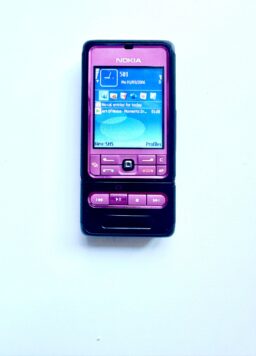
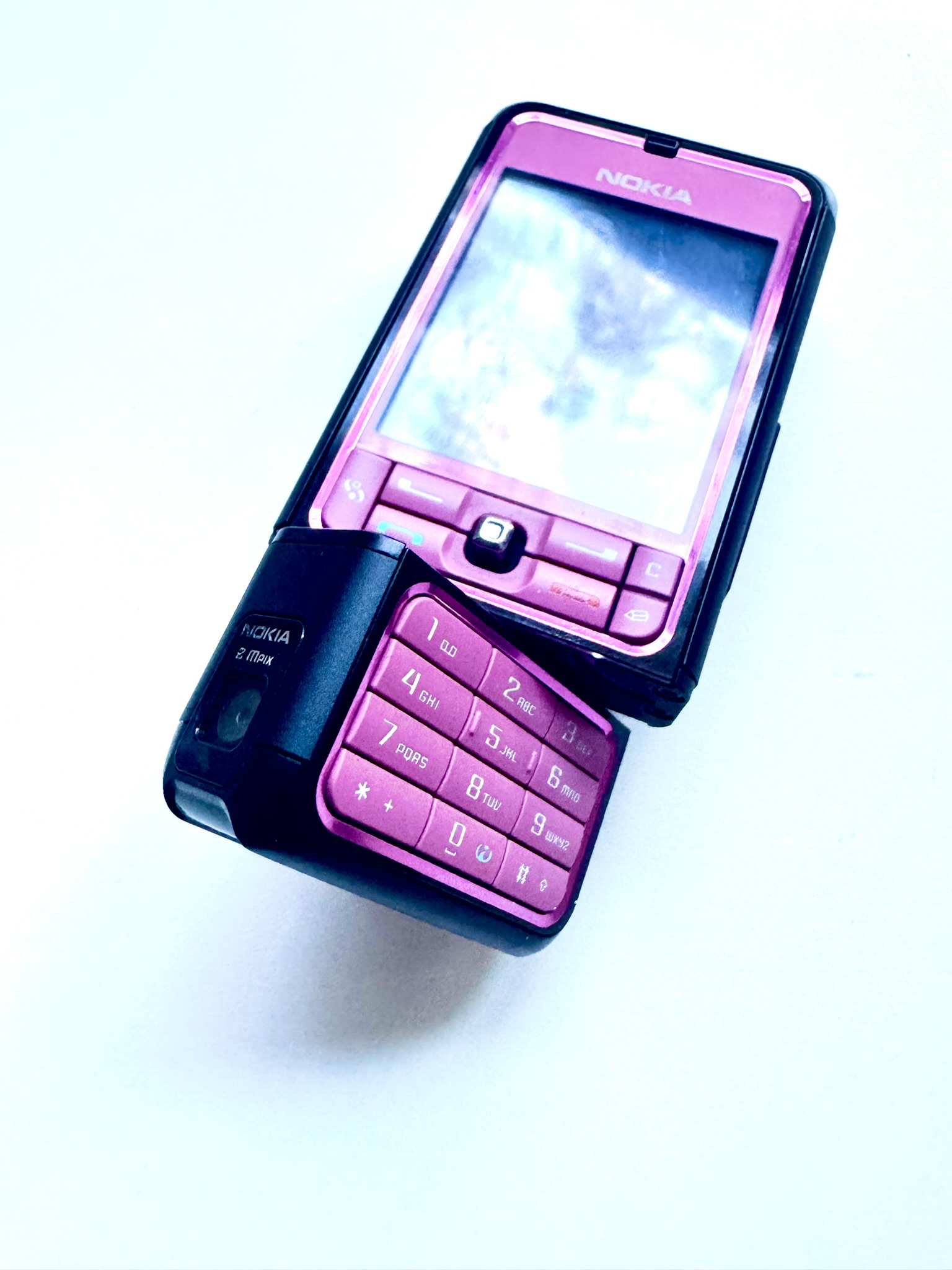
Nokia 3250 Prototype F5.0: Black & Pink
Quick View💎 Rarity Index: S (Ultra Rare)
👁 Evaluation in my collection: Great – 9.8/10
🕵 Nokia Codename: Thunder
⏱ Life timer: 0 | 📦 Boxed: NO
📅 Release Year: 2006 | 💰 Release Price: ~300 €
📊 Units Sold: ~1.5M (final units)
📰 Why this phone matters: Rare Nokia 3250 RM-38 engineering prototype featuring Nokia’s F5/NCT/BDA validation markings. Labeled Prototype – Not for Sale – Property of Nokia and built with pre-production hardware, prototype IMEI, and internal test circuitry. Although the Black & Pink shell reached retail, this device is a true R&D unit used for field testing (F5), Nokia Compatibility Testing (NCT – accessory, firmware, Bluetooth, and sync compatibility validation), and Board Design Assessment (BDA – PCB layout, electrical stability, and radio integrity evaluation). A prototype with NCT + BDA validation tags is exceptionally rare, as these were normally destroyed after evaluation, making this one of the few surviving engineering-stage 3250 units-a remarkable piece of Nokia’s swivel-phone development history.📝 Reviews when released: cNET 🔗
-
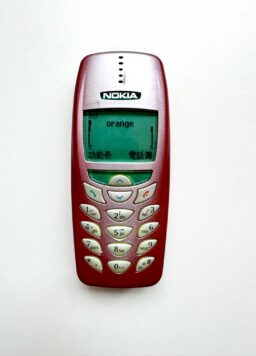
Nokia 3350 Prototype P2.3 : “Ladybird” Early Engineering
Quick View💎 Rarity Index: S (Ultra Rare)
👁 Evaluation in my collection: New – 10/10
🕵 Nokia Codename: LadyBird
⏱ Life timer: 0 | 📦 Boxed: NO
📅 Release Year: 2002 | 💰 Release Price: N/A
📊 Units Sold: ~8M (final units)
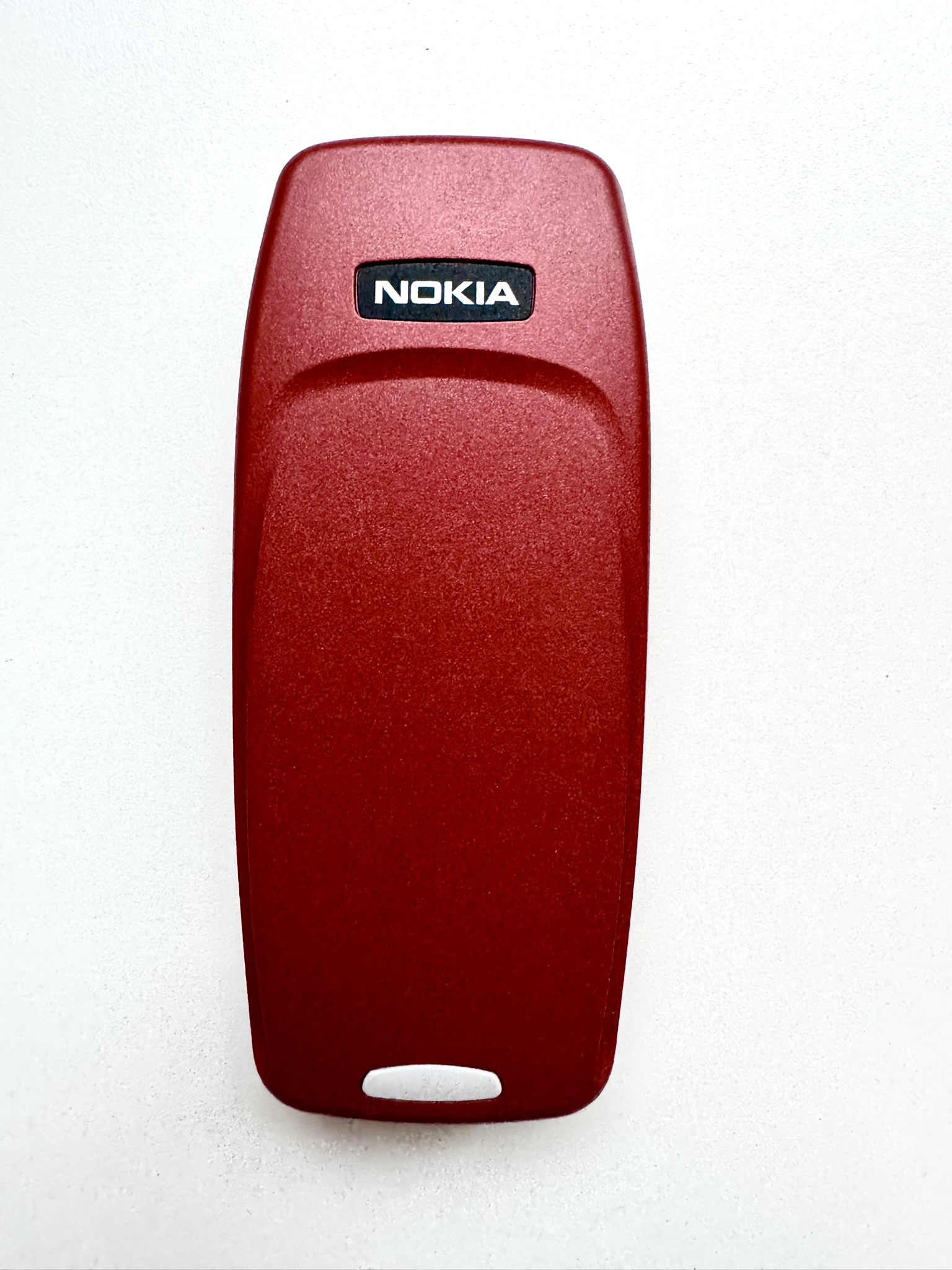
📰 Why this phone matters: An exceptionally rare Nokia 3350 NHM-9NX prototype, built during the P2.3 engineering phase of Nokia’s internal development cycle. Carrying the codename “Ladybird”, this unit predates the commercial Nokia 3350 and represents one of the earliest hardware validation builds of the series.Prototypes in the P-series (especially below P3.0) were never intended for public exposure and were used strictly within Nokia’s labs for early software integration, RF calibration, UI tuning and keypad response testing. This P2.3 unit retains all the classic prototype signatures:
PROTO – P2.3 designation
Pre-release internal model name “Ladybird”
No commercial model number printed
Simplified regulatory labeling
Early keypad and housing materials
The front shell features a colour tone and paint texture not identical to the final retail 3350, confirming it as an early body variant used before mass-production plastics and colouring were locked. The keypad shape and iconography also resemble transitional test designs typical of P-series engineering handsets.
As part of Nokia’s early-2000s mid-range development line, the 3350 was known for its rugged build, SMS chat features, WAP support, customizable profiles and rock-solid battery life. This prototype offers a direct look into the internal pre-production evolution of one of Nokia’s most widely used platforms in Asia and eur;ope.
📝 Reviews when released: N/A 💔
-
Nokia 3350 Prototype B2.1 : “Ladybird” Early Engineering
Quick View💎 Rarity Index: S (Ultra Rare)
👁 Evaluation in my collection: New – 10/10
🕵 Nokia Codename: LadyBird
⏱ Life timer: 0 | 📦 Boxed: NO
📅 Release Year: 2002 | 💰 Release Price: N/A
📊 Units Sold: ~8M (final units)
📰 Why this phone matters: A highly rare Nokia 3350 NHM-9NX prototype from the B-series engineering phase, carrying the internal codename “Ladybird”.
This B2.1 prototype predates the commercial Nokia 3350 by a significant margin and belongs to one of Nokia’s earliest functional validation waves – far earlier and far scarcer than the P-series engineering units.The B-series prototypes were used exclusively within Nokia’s R&D labs during the earliest stages of hardware and firmware development. These devices formed the foundation of the 3350 platform, serving for keypad matrix testing, UI logic integration, RF tuning, electrical stability checks, and early material experimentation. Units at this stage were never intended to leave Nokia’s possession.
This particular sample is exceptional thanks to:
PROTO – B2.1 designation (rare early engineering phase)
Internal model name “Ladybird”
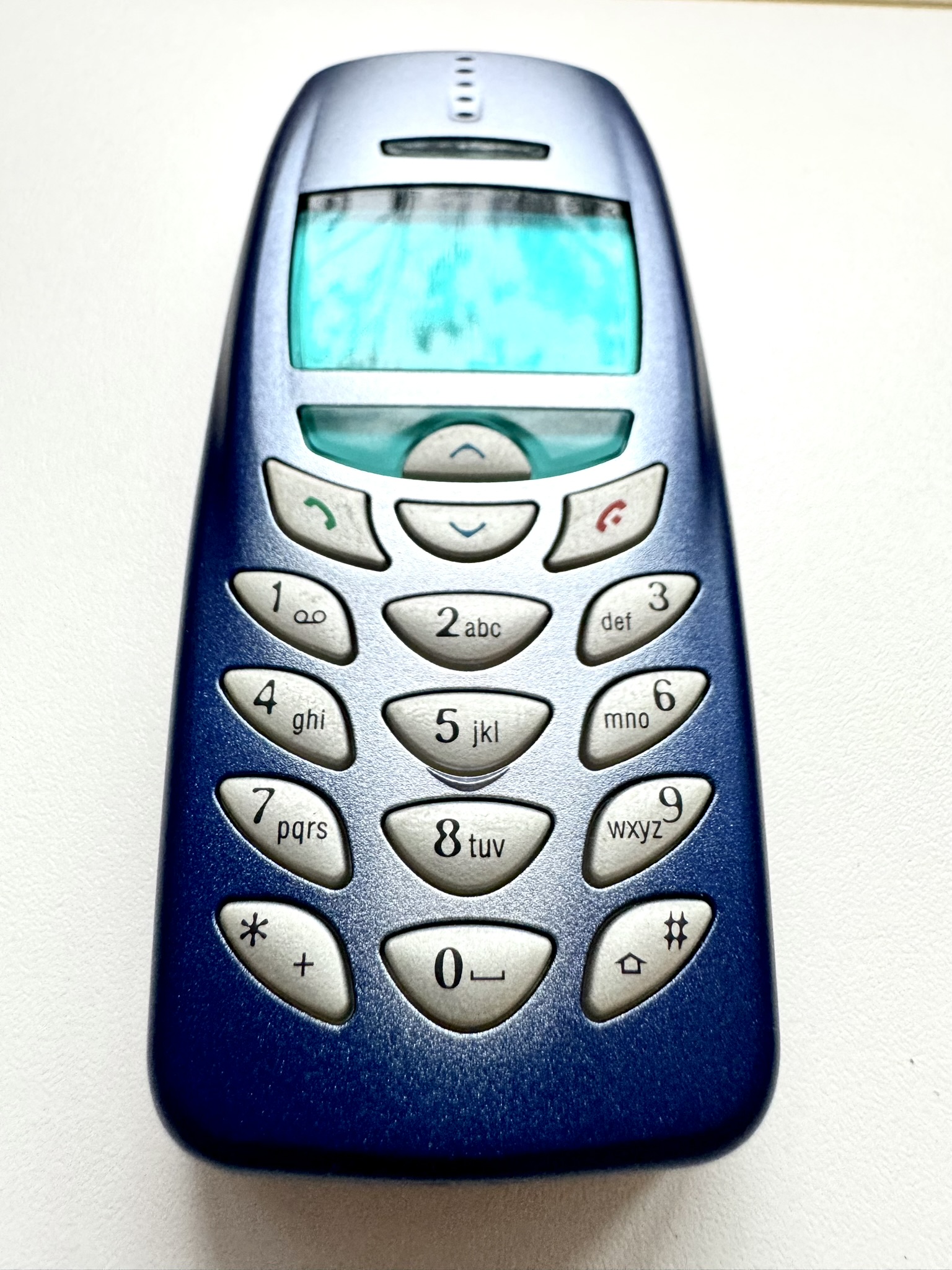
Experimental blue housing with pre-production paint texture
Unreleased keypad variant, featuring a unique key-shape geometry and distinct iconography
Early-mould plastics not matching final production tolerances
Simplified internal regulatory labeling
?? Important rarity note:
The internal chassis dimensions of this B2.1 prototype differ from all later builds. No commercial Nokia 3350 back cover – and not even P-series prototype back covers – will fit this handset. This confirms that the device comes from an early hardware revision before Nokia finalized the external shell specifications. Such incompatibility is typical only for B-series engineering samples and dramatically increases its historical uniqueness.The blue front shell also features a colour tone not used in mass production, showing Nokia’s exploration of material finishes before final design locking.
As an early DCT-3 era engineering artefact, this B2.1 “Ladybird” prototype is exceptionally rare. With its unique housing geometry, non-final keypad, and unmatched chassis dimensions, it stands as a museum-grade piece that represents a developmental phase almost never seen outside Nokia’s own engineering teams.
A highly valuable and distinctive addition to any advanced Nokia prototype collection.
📝 Reviews when released: N/A 💔
-
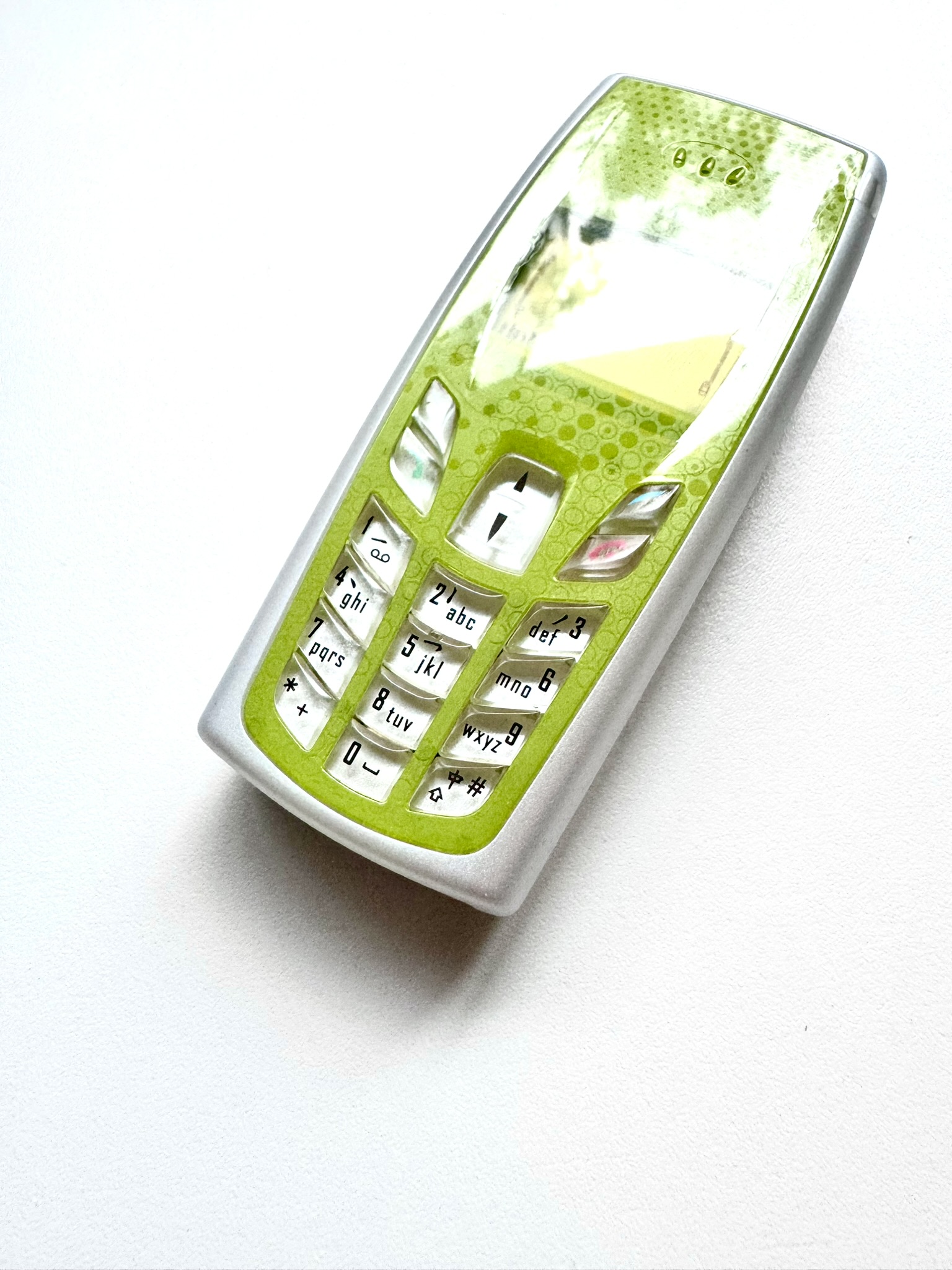
Nokia 3610 Prototype B5.0 : Rare Lime Green Variant
Quick View💎 Rarity Index: S (Ultra Rare)
👁 Evaluation in my collection: Great – 9.5/10
🕵 Nokia Codename: LadyBird
⏱ Life timer: 12h | 📦 Boxed: NO
📅 Release Year: 2002 | 💰 Release Price: 150 €
📊 Units Sold: ~1M (final units)
📰 Why this phone matters: A genuine Nokia 3610 Prototype B5.0 (Type NAM-1), originating from Nokia’s internal late engineering phase. The PROTO B5.0 marking, the blank Model field, and the early-format Nokia R&D label identify it as a true pre-production unit used for hardware validation, firmware testing, and RF checks before the model entered final approval.Although this prototype uses a housing and keypad identical to later retail versions, the internal label and hardware revision confirm its role as an authentic Nokia lab device – produced in small quantities and never intended for commercial distribution.
A compact but historically significant DCT4-era engineering sample, and a solid rarity for any serious Nokia prototype collection.
📝 Reviews when released: N/A 💔
-


Nokia 5610 Xpress Music Red Prototype Label: Just Proto Software
Quick View💎 Rarity Index: A (Rare)
👁 Evaluation in my collection: As New – 10/10
⏱ Life timer: 0m | 📦 Boxed: NO
📅 Release Year: 2007 | 💰 Release Price: ~280 €
📊 Units Sold: ~2.5M (final units)
📰 Why this phone matters: The Nokia 5610 is a slider mobile phone from Nokia part of the XpressMusic series. Introduced August 2007 and launched in December, it runs on the Series 40 platform. The 5610’s design is similar to that of the Nokia 5310 XpressMusic (announced same day), with aluminium brushed sides and bold side colours of either red, blue, white, or pink.Above the regular D-pad with music buttons, the 5610 features a “sliding switch” below the display for navigation.📝 Reviews when released: Mobile Review 🔗
-
Nokia 5710 Unreleased Prototype B3.0: RM-187
Quick View💎 Rarity Index: X (Mystical Prototype)
⭐ WOW Factor: The only Nokia design where a single twist instantly switched the device’s personality: messaging, music, or camera.
👁 Evaluation in my collection: Great – 9/10
⏱ Life timer: 0m | 📦 Boxed: NO
📅 Release Year: 2006 | 💰 Release Price: N/A
📊 Units Sold: 0 unreleased
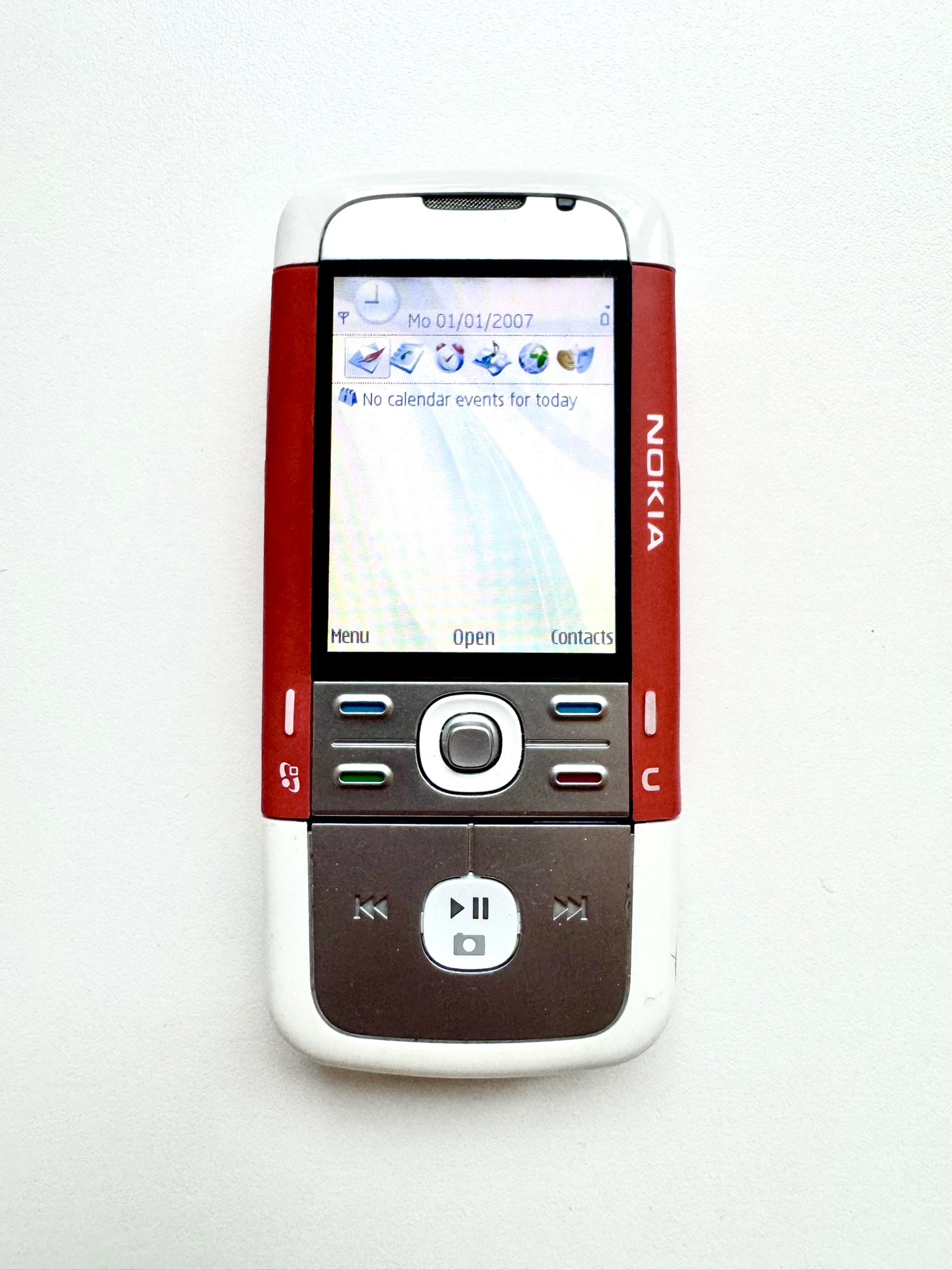
📰 Why this phone matters: The Nokia 5710 (RM-187) prototype represents one of the rarest and most technically fascinating chapters in Nokia’s experimental design era. Built in Finland as a late-stage engineering sample, this unreleased device was intended to become the successor to the Nokia 5700 XpressMusic – and the final evolution of Nokia’s iconic twist-mechanism platform.Carrying the markings “Prototype ? Property of Nokia ? Not for Sale”, this RM-187 unit showcases hardware that never reached production: a redesigned rotating lower module, a reinforced hinge, and an upgraded rotary connector meant to eliminate the flex-cable failures seen on earlier twist models. Every piece of internal labeling, from its pre-production QR matrix to the B-series hardware stamps, confirms its status as an authentic high-level engineering device.
Unlike the retail 5700, the 5710 was slimmer, structurally stronger, and technically more advanced – an ambitious internal attempt to create the third-generation twist phone, following the 3250 and 5700. Development was ultimately halted, making RM-187 the final Nokia twist platform ever constructed.
The result is a prototype that combines unfinished industrial design, experimental hardware, and a form factor that was already disappearing from Nokia’s roadmap. With no retail release and only a handful of RM-187 boards ever confirmed, this piece stands as a true collector’s artifact – a preserved snapshot of a daring design direction that Nokia never shipped.
📝 Reviews when released: N/A 💔
-
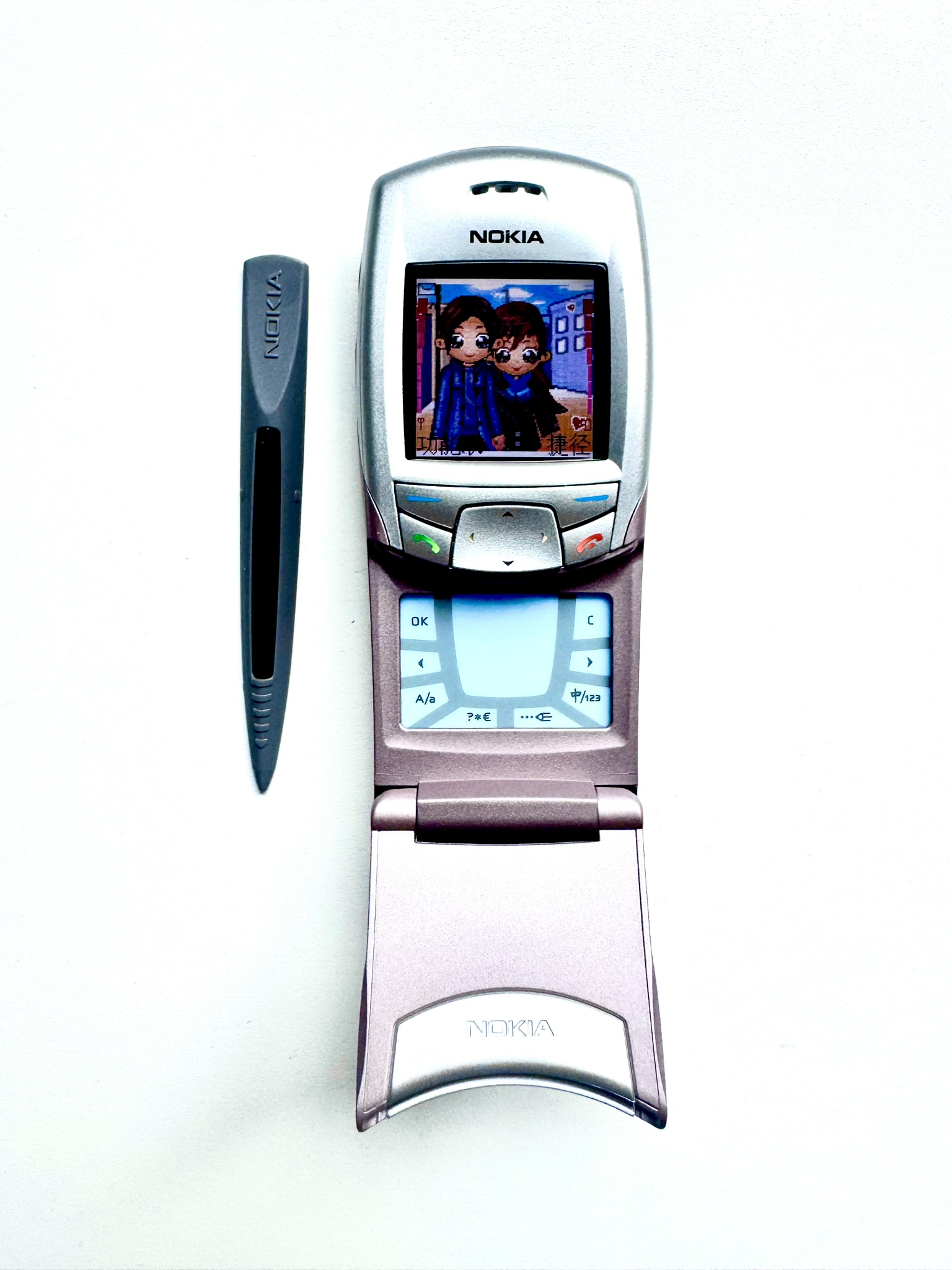
Nokia 6108 Prototype B5.0: Early Engineering Sample in Pink
Quick View💎 Rarity Index: S (Ultra Rare)
⭐ WOW Factor: Handwriting Recognition
👁 Evaluation in my collection: Good – 9/10
🕵 Nokia Codename: Libai
⏱ Life timer: 3 | 📦 Boxed: NO
📅 Release Year: 2003 | 💰 Release Price: 200 €
📊 Units Sold: ~300k (final units)
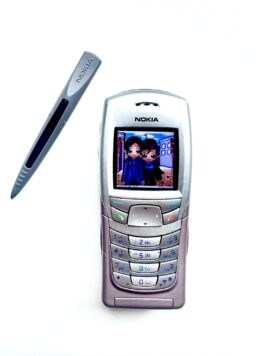
📰 Why this phone matters: A striking Nokia 6108 Prototype B5.0, internal codename “LiBai”, built under Type RH-4 and marked with the unmistakable Model: XXYY placeholder – one of Nokia’s classic signatures for true pre-production devices. The PROTO B5.0 designation places this unit in the late engineering stage, where final hardware refinements, handwriting-input validation and UI stability testing were performed before the model was green-lit for production.The pink housing paired with this prototype label makes it highly distinctive: while certain pink variants were later released in select Asian markets, the internal markings on this unit – early production codes, non-consumer label structure, and the development codename printed directly on the shield – confirm it as part of Nokia’s controlled R&D chain rather than a retail batch.
With its clean prototype identifiers, engineering-phase hardware and the unique “LiBai” project naming, this 6108 B5.0 proto stands as a rare and desirable example of Nokia’s experimental era, capturing the device exactly as it passed through the company’s internal development process.
📝 Reviews when released: N/A 💔
-
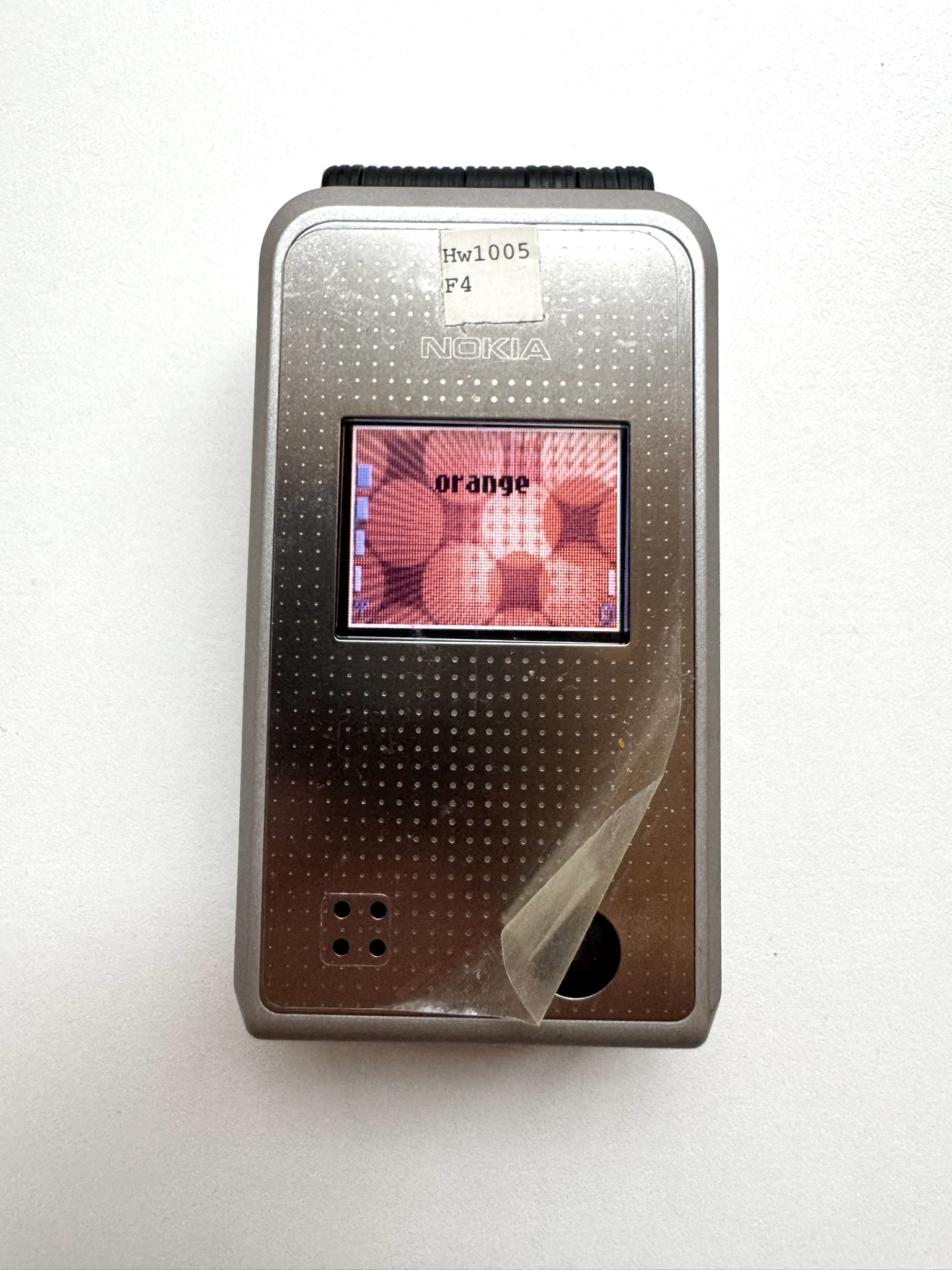
Nokia 6170 Prototype “Castor” : Stainless Steel Clamshell
Quick View💎 Rarity Index: S (Ultra Rare)
⭐ WOW Factor: Metal Clamshell
👁 Evaluation in my collection: Great – 9/10
🕵 Nokia Codename: Castor
⏱ Life timer: 0h | 📦 Boxed: NO
📅 Release Year: 2004 | 💰 Release Price: ~300 €
📊 Units Sold: ~1.5M (final units)
📰 Why this phone matters:📝 Reviews when released: cNET 🔗
-
Nokia 6650 Prototype B1 6.2 : The lost first Nokia’s 3G Phone | Unreleased Black and Blue Colour
Quick View💎 Rarity Index: X (Mystical Prototype)
⭐ WOW Factor: The first Nokia 3G phone
👁 Evaluation in my collection: Good – 8.5/10
🕵 Nokia Codename: Kenny
⏱ Life timer: 2m | 📦 Boxed: NO
📅 Release Year: 2002 | 💰 Release Price: N/A
📊 Units Sold: 100k (final units)
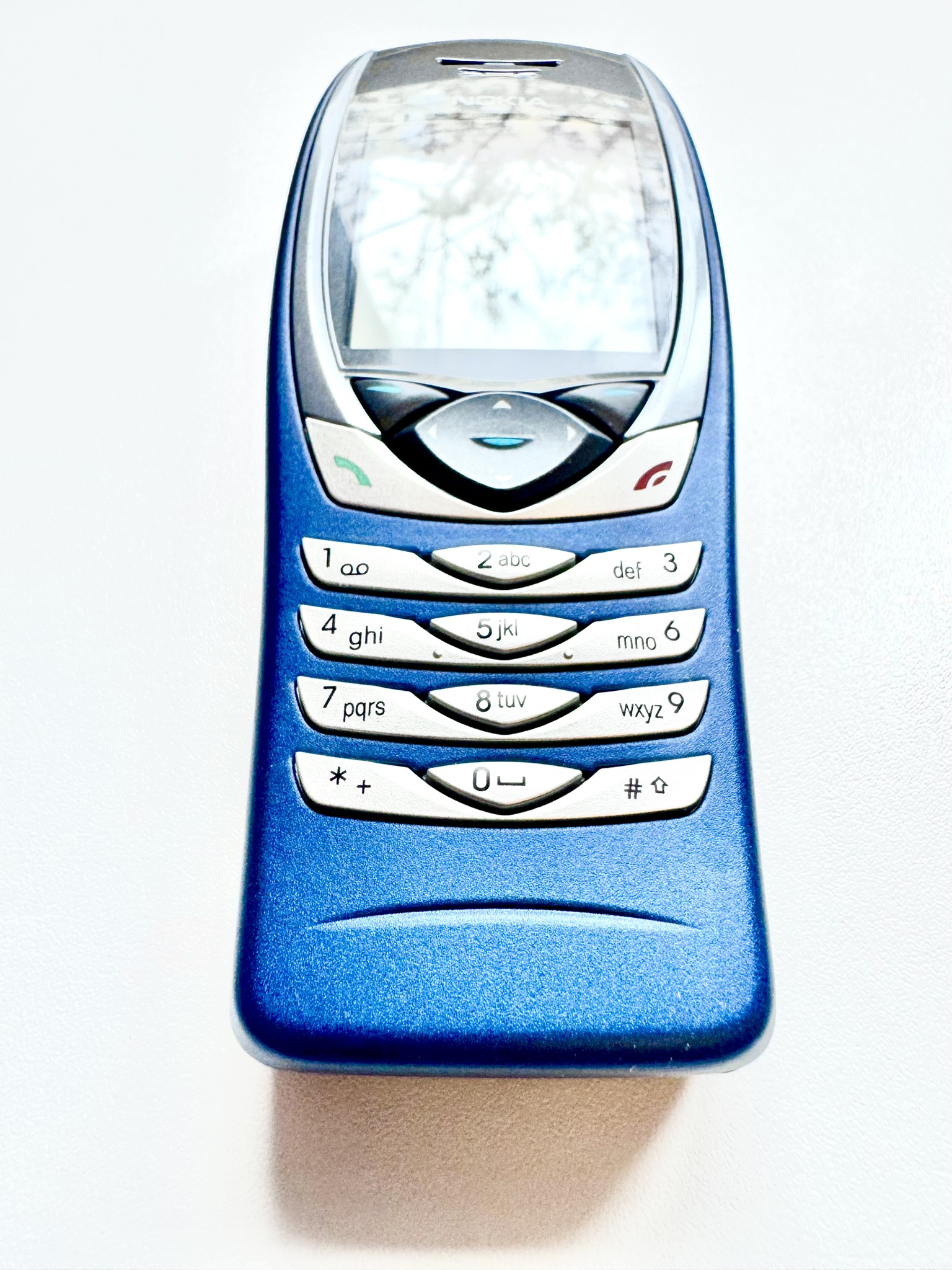
📰 Why this phone matters: The Nokia 6650 Prototype B1 6.2 represents one of the most important and fragile transition moments in Nokia history. This device is not just an early unit, but a full internal engineering prototype that captures the very first attempt to bring 3G technology into a classic Nokia candybar form factor.An engineering device, not a consumer phone
The rear label clearly identifies this unit as Nokia internal property, explicitly marked PROTO and Made in Finland. The device uses a placeholder model designation XXXX, a standard practice for Nokia engineering hardware that was never approved for commercial sale. Hardware identifiers such as B1.6.2 and HWID 4122 place this unit deep inside Nokia internal testing cycles, well before mass production validation.
These labels were never meant to survive outside Nokia labs. Their presence confirms this phone was used strictly for internal testing, radio validation, and early software integration rather than marketing or carrier trials.
The unreleased early design language
This prototype showcases design elements that never reached the market. The blue front cover was never commercially released, while the black rear housing with its distinctive camera ornament remains completely unique to early prototype builds. When the Nokia 6650 eventually launched, it appeared only in a dark green colorway for both front and back, making this blue and black combination a lost design direction.
The body shape, materials, and external antenna confirm this device as the final Nokia candybar with an external antenna, closing an entire design era.
Early software and version identity
The software screen reveals version Vp1.301 dated 30-09-02, running on platform NHM-1 with PRI P1.1. This places the firmware only days after the official unveiling of the Nokia 6650 on 26 September 2002. The Vp prefix identifies a prototype firmware branch, used internally before public release software was finalized.
This version is not a commercial build and was never distributed outside Nokia engineering teams. It represents an unstable development snapshot used for functional validation rather than end user experience.
The startup warning and the two minute limitation
On boot, the phone displays a rare internal warning message stating that this is a Nokia prototype intended only for testing use, and that the software must be updated by the end of November 2002. This message is exceptionally rare and confirms the temporary nature of the firmware installed on the device.
Additionally, this prototype is restricted to a two minute operational window, a known internal safeguard used by Nokia to prevent prolonged use of unfinished hardware outside controlled environments. This limitation reinforces the fact that this unit was never meant to operate as a normal phone.
Why it truly matters
This prototype is the missing link between Nokias 2G legacy and its first step into the 3G world. It captures an unreleased design, unfinished software, and internal safeguards that almost never survive. More than a phone, it is a frozen engineering moment, documenting how Nokia experimented, tested, and iterated before rewriting its own future.
📝 Reviews when released: N/A 💔
-
Nokia 6810 Prototype B3.0 : Engineering Sample
Quick View💎 Rarity Index: S (Ultra Rare)
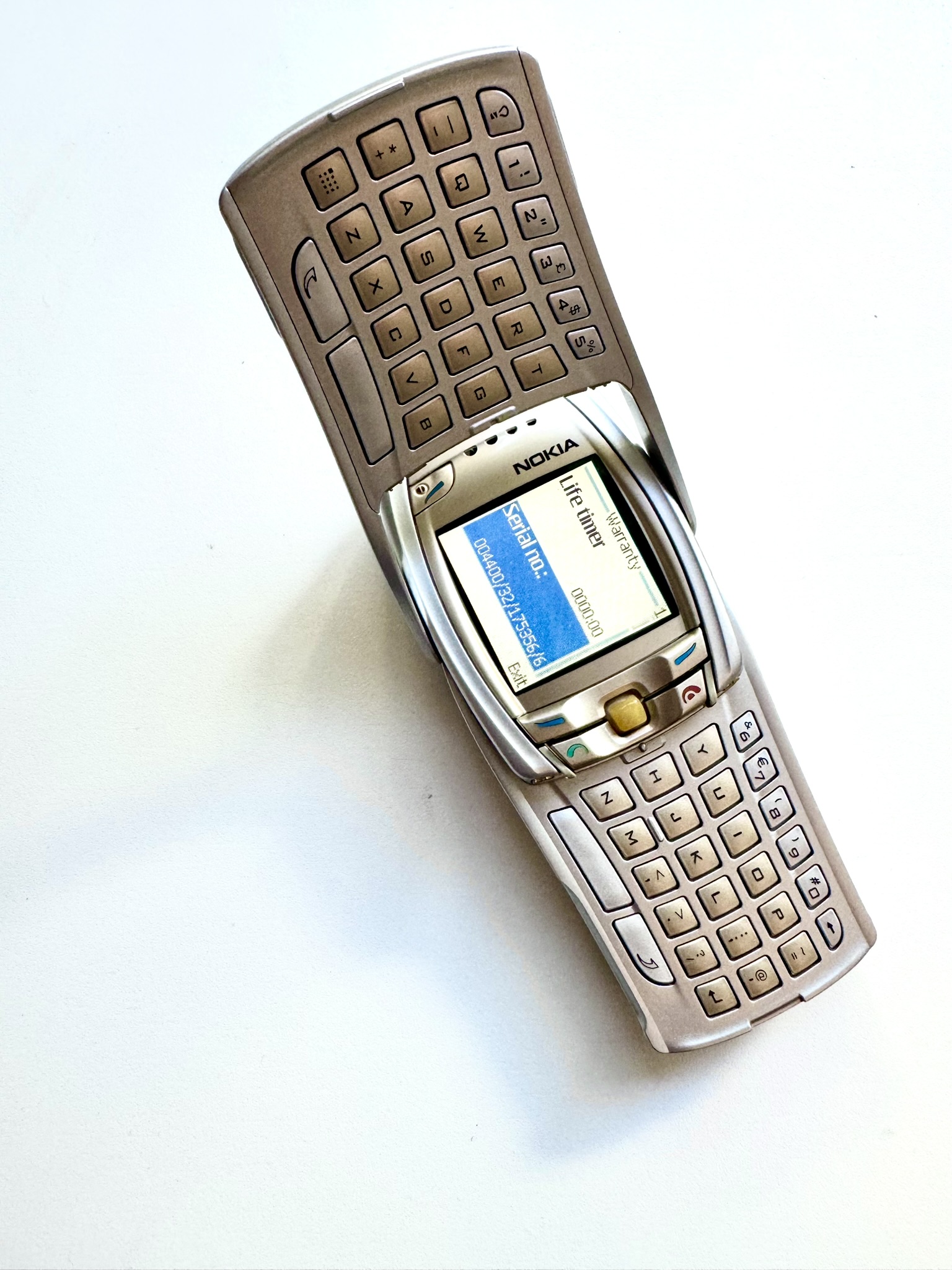
⭐ WOW Factor: A pre-RM Nokia 6810 prototype from Finland-capturing the birth of Nokia’s most original fold-out QWERTY design.
👁 Evaluation in my collection: Great – 9.5/10
⏱ Life timer: 0 | 📦 Boxed: NO
📅 Release Year: 2004 | 💰 Release Price: ~350 €
📊 Units Sold: ~700k (final units)
📰 Why this phone matters: A rare early-stage prototype of the Nokia 6810, the business-class messaging phone famous for its fold-out QWERTY keyboard design. This internal test unit predates the commercial RM-2 variant and carries blank “Model XXXX / Type XXXX” fields, together with the unmistakable “Property of Nokia” and B3.0 engineering markings. Built in Finland and never intended for sale, it represents the development phase where Nokia refined the mechanical flip-out keyboard and RF tuning for one of its most innovative business devices.📝 Reviews when released: Mobile Review 🔗