

">

Showing all 8 results
-
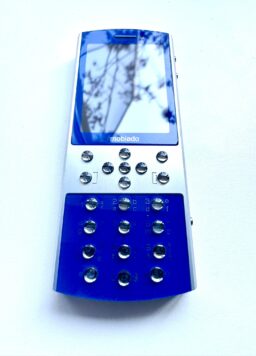
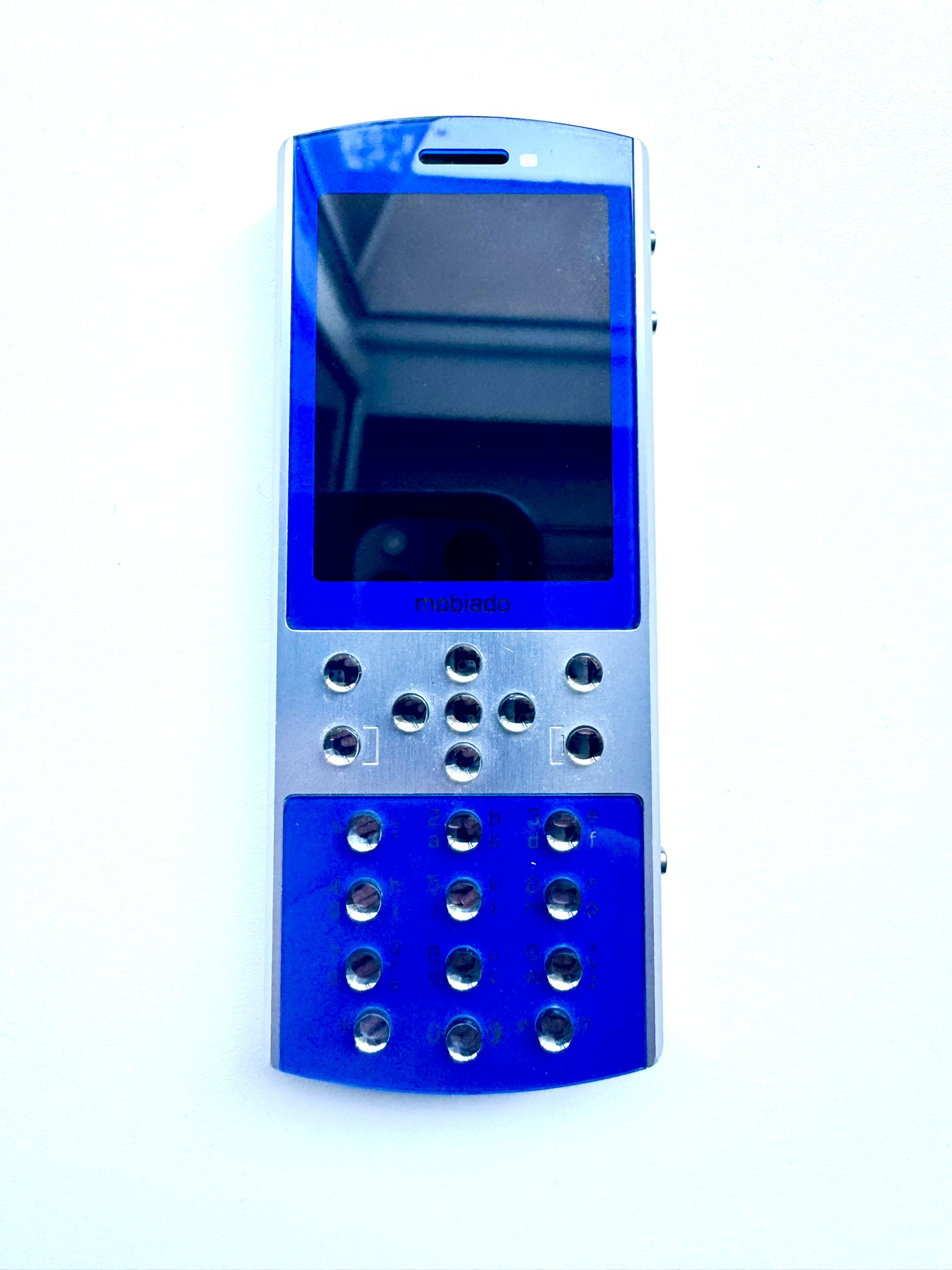
Mobiado 712 Dream Sapphire: The Last True Sapphire Bar
Quick View💎 Rarity Index: S (Ultra Rare)
⭐ WOW Factor: Real sapphire crystal on both the front and back, a fully CNC-machined aluminum chassis, individual sapphire keys, and hand assembly in Canada make the 712 Dream one of the last true mechanical luxury phones. It represents the final sapphire-bar generation before Mobiado shifted to newer production methods, which is why it remains one of the most sought-after models among collectors.
👁 Evaluation in my collection: As New – 9.9/10
⏱ Life timer: 5min | 📦 Boxed: NO
📅 Release Year: 2010 | 💰 Release Price: 3500$
📊 Units Sold: 750
📰 Why this phone matters: The Mobiado Classic 712 Dream is the embodiment of mechanical luxury in mobile design, created at a time when perfection, materials, and craftsmanship mattered more than specifications or software trends. Built entirely by hand in Canada, the 712 Dream belongs to the last generation of Mobiado phones produced using traditional artisanal methods, before luxury mobile design shifted toward modern smartphones and simplified manufacturing processes.At its core, the phone is based on the proven Nokia 6700 classic hardware platform, selected for its stability, longevity, and refined performance. Mobiado stripped the device down to its essential electronics and rebuilt it as a precision object. The entire exterior was replaced with a CNC-milled aluminum chassis, sapphire crystal panels on both the front and rear, and a keypad made of individual sapphire keys, each secured with exposed stainless steel screws. Ceramic side inserts and meticulously machined details reinforce the industrial, almost architectural character of the design.
Every surface, edge, and material was chosen to convey permanence. The sapphire panels offer a cold, dense feel and a unique light refraction, while the exposed mechanical elements celebrate construction rather than conceal it. The Dream variant elevated this philosophy further by introducing colored sapphire, heraldic engraving, and artistic finishing details produced in extremely small numbers, resulting in subtle variations between individual units.
More than a luxury phone, the Classic 712 Dream is a statement of intent. It represents a moment when mobile devices were designed as lasting objects, built to be admired, handled, and preserved. Often regarded as the last true sapphire-bar Mobiado, it stands today as a benchmark for mechanical perfection in the era of luxury feature phones.
📝 Reviews when released: N/A 💔
-
Motorola Aura R1 Diamond: The Motorola Crownpiece
Quick View💎 Rarity Index: S (Ultra Rare)
⭐ WOW Factor: A fully mechanical, diamond-framed phone with exposed gears and sapphire glass, the Motorola AURA Diamond is less a handset and more a wearable piece of moving luxury engineering.
👁 Evaluation in my collection: Great – 9/10
⏱ Life timer: N/A | 📦 Boxed: NO
📅 Release Year: 2009 | 💰 Release Price: ~5000$
📊 Units Sold: ~20k
📰 Why this phone matters: The Motorola AURA Diamond represents one of the most uncompromising luxury phones ever created, conceived at the intersection of mobile technology and mechanical watchmaking during the final years of the feature phone era. Evolving from the original AURA concept, the Diamond edition elevates the design through a bezel set with real diamonds, framing a circular sapphire crystal display and immediately setting the device apart from anything produced for the mass market. Beneath the sapphire, a fully exposed mechanical gear system is visible at all times, allowing the user to observe the precision components in motion whenever the phone is rotated open or closed, transforming a simple interaction into a deliberate mechanical experience.The chassis is crafted from stainless steel with a combination of polished and brushed finishes, while the rear panel features a finely textured metal surface that emphasizes durability and craftsmanship over decorative excess. A gold-accented central navigation wheel anchors the keypad and reinforces the watch-inspired design language, complemented by precisely machined screws and engraved internal components visible during disassembly. Unlike conventional sliding or clamshell phones, the AURA Diamond uses a smooth rotating opening mechanism engineered to withstand thousands of cycles, echoing the construction standards of high-end timepieces rather than consumer electronics.
Produced in extremely limited numbers and sold through select luxury channels, the AURA Diamond was never intended to compete on specifications or software features. Instead, it was designed as a statement object, prioritizing materials, mechanical precision, and exclusivity above all else. Its high launch price, limited availability, and unconventional engineering ensured that few were ever sold, and even fewer survive today in complete and original condition. As a result, the Motorola AURA Diamond stands as a rare artifact from a moment when mobile phones briefly crossed into the realm of mechanical art, making it a true collector-grade icon of luxury mobile design.
📝 Reviews when released: Cnet.Com 🔗
-
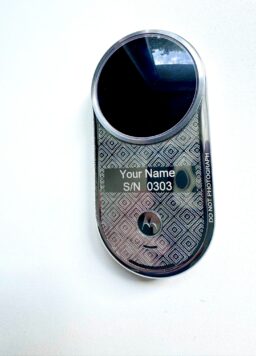
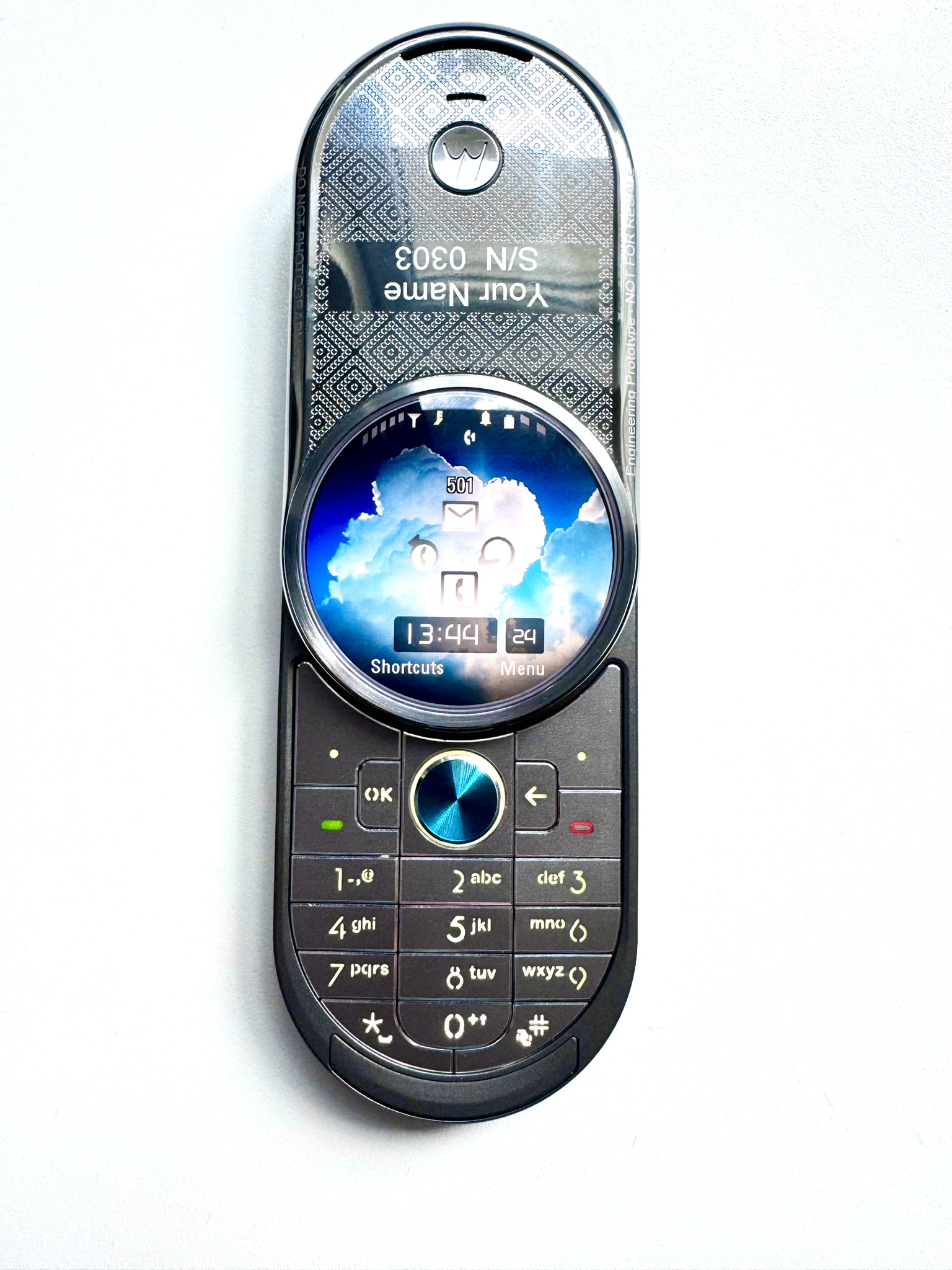
Motorola Aura R1 Unreleased Prototype : Engineering Design S/N 0303
Quick View💎 Rarity Index: X (Mystical Prototype)
⭐ WOW Factor: Saphire glass, stainless steel, swivel like opening mechanism, Swis Made gears for the mechanism.
👁 Evaluation in my collection: Great – 9.5/10
⏱ Life timer: N/A | 📦 Boxed: NO
📅 Release Year: 2008 | 💰 Release Price: ~2000$
📊 Units Sold: 0
📰 Why this phone matters: A masterpiece from Motorola’s most ambitious luxury project, this is an extremely early pre-production Aura prototype, created before the final 2008 model and never meant to leave the design labs. It carries full engineering markings – “Prototype – Not For Resale”, “Do Not Photograph”, and a personalized engineer-assigned S/N (0303) – making it a true artifact of Motorola’s internal design history.Unlike the retail Aura, this prototype features a unique diamond-etched metal housing, a larger mechanical gear window, unreleased keypad styling, and early internal board architecture. It represents the original mechanical vision for the Aura’s iconic rotating display mechanism – built more like a Swiss watch movement than a phone.
Surviving prototypes of the Aura are almost mythical.
One with unreleased design, internal engraving, and full confidentiality markings is beyond rare – a museum-level piece and a highlight for any high-end mobile collection.📝 Reviews when released: Cnet.Com 🔗
-


Motorola Aura R1: The Motorola Crownpiece
Quick View💎 Rarity Index: A (Rare)
⭐ WOW Factor: Saphire glass, stainless steel, swivel like opening mechanism, Swis Made gears for the mechanism.
👁 Evaluation in my collection: Great – 9.5/10
⏱ Life timer: N/A | 📦 Boxed: NO
📅 Release Year: 2008 | 💰 Release Price: ~2000$
📊 Units Sold: ~20k
📰 Why this phone matters: This unit is a Motorola Aura R1, one of the most mechanically advanced and visually distinctive luxury phones ever produced. Released in late 2008 as part of Motorola’s ultra-premium 4LTR line, the Aura was created not to compete with emerging smartphones, but to demonstrate the highest possible level of industrial craftsmanship, materials engineering, and mechanical design. The Aura is widely recognized as the final true mechanical masterpiece from Motorola before the touchscreen era ended the age of such devices.This particular unit is from the Australian market and is labeled simply as R1 rather than carrying the full Aura branding on the regulatory sticker. This detail is a documented regional distinction: Australian-market units were typically marked R1 only, while eur;opean units often carried the full “Aura” designation. For collectors, this is an important variant because it shows how Motorola adapted the labeling conventions for certain regions while retaining the exact same premium hardware. The unit is in as-new condition, showing minimal or no signs of use, making it highly desirable for collectors given the mechanical nature of the device and the low survival rate of pristine examples.
The Aura’s defining features remain extraordinary even today. Its iconic circular display offers 300 dpi resolution, protected by a 62-carat sapphire crystal lens cut and polished with extremely low-yield manufacturing processes. The sapphire window is among the most premium and expensive components ever mass-produced for a mobile device. The circular screen required Motorola to heavily modify its MotoMagx Linux platform, creating a custom UI layer and a unique rotational visual experience matched to the mechanical opening motion.
The rotating front mechanism is a mechanical achievement unmatched by any other production phone. Built with more than 200 precision-machined components, 130 micro ball bearings, and Swiss-made hardened steel gears, the hinge delivers a controlled, watch-like motion engineered to remain consistent over thousands of rotations. The metal surfaces use coatings derived from high-performance racing engines, and tolerances within the rotational assembly reach watchmaking precision levels. These characteristics place the Aura closer to horology than consumer electronics.
Constructed from surgical-grade stainless steel, the Aura R1 features hand-machined finishing, a weighty and solid feel, and a premium tactile character that cannot be replicated with modern materials. Despite its luxurious build, it retains practical functions: quad-band GSM, Bluetooth, a 2 MP camera, microSD support, custom audio themes, and a refined circular UI layout. At launch, the Aura sold for approximately 2000 $, reflecting both its engineering cost and its intended role as a luxury lifestyle object rather than a mass-market handset.
Because production was extremely limited and the device was released during the iPhone-driven smartphone revolution, few Aura units were manufactured, and even fewer survive in excellent mechanical condition. Many suffered rotational mechanism wear, sapphire damage, or cosmetic deterioration. As-new units, even without the original box, are very rare and increasingly valued as the Aura’s reputation continues to grow among collectors.
This unit represents one of the most iconic expressions of Motorola’s industrial design heritage. With its as-new presentation, Australian-market R1 label variant, circular sapphire display, watch-grade rotating mechanism, and stainless-steel construction, it stands as a top-tier collectible luxury phone. It captures a unique moment when mechanical artistry, materials science, and mobile technology converged to produce a device unlike anything before or since. The Aura R1 remains one of the most extraordinary and desirable non-smartphone luxury handsets ever made.
📝 Reviews when released: Cnet.Com 🔗
-
Motorola E18 Ivory Unreleased Prototype: The Lost Luxury
Quick View💎 Rarity Index: X (Mystical Prototype)
Ultra expensive luxury phone after Aura
👁 Evaluation in my collection: 9/10 – 10/10
⏱ Life timer: N/A | 📦 Boxed: NO
📅 Release Year: 2008 | 💰 Release Price: ~2000
📊 Units Sold: 0 unreleased
📰 Why this phone matters: The Motorola E18 Ivory is one of the rarest and most intriguing unreleased devices ever created by Motorola. Designed as a luxury slider phone with high-end materials and a unique dual-stop sliding mechanism, the E18 represented a bold and experimental direction that Motorola never brought to market. This prototype was intended to compete in the ultra-premium segment, with the stainless steel production version carrying a projected retail price of around 2000 eur;, placing it far above standard Motorola models of the era.This unit is an Ivory prototype in mint, as new, fully working condition, making it an exceptionally rare survivor. Very few E18 units were ever completed, and prototypes were typically scrapped, destroyed, or left non-functional. Having a working device in such preserved condition is considered unicorn-level rarity among Motorola collectors.
The defining feature of the E18 is its dual-stop slider mechanism. The first sliding step reveals a set of function keys, while the second sliding step exposes the complete T9 keypad. This layered mechanical design is unlike any mass-produced Motorola phone and reflects a level of engineering experimentation seen only in internal development devices. The combination of compact size, premium detailing, and complex mechanical motion makes the E18 one of the most innovative unreleased designs Motorola ever attempted.
Equipped with a 3 MP camera, premium external materials, and a sleek luxury aesthetic, the E18 Ivory was planned as a flagship device aimed at high-end buyers. Its design blends minimalist clean lines, luxury cues, and an advanced sliding system that offers a distinct tactile experience. The overall look and feel suggest that Motorola intended the E18 to stand alongside boutique luxury brands rather than mainstream consumer models.
Because the E18 project was cancelled before launch, surviving prototypes are extremely scarce. Most did not reach a stable operational state or were never finished to production quality. A mint, fully operational Ivory prototype is almost impossible to find, and it represents one of the most important pre-production artifacts in Motorola’s history. This device stands as a rare window into a luxury direction the company never pursued, making it a true collector trophy and a highlight in any high-end mobile phone collection.
📝 Reviews when released: PhoneArena.com 🔗
-


Nokia 7900 Prism Burgundy
Quick View💎 Rarity Index: A (Rare)
⭐ WOW Factor: The first Nokia?phone with OLED Display
👁 Evaluation in my collection: Great – 9.5/10
⏱ Life timer: 88h | 📦 Boxed: NO
📅 Release Year: 2007 | 💰 Release Price: ~375 €
📊 Units Sold: ~1M
📰 Why this phone matters: The Nokia 7900 is a mobile phone produced by Nokia and announced on August 7, 2007. It is part of Nokia’s Prism Collection. It runs S40 5th Edition. It is a quadband phone and has WCDMA on 850 MHz and 2100 MHz. The 2-inch (51 mm) screen is powered by OLED technology, Nokia’s first, and has a resolution of 320×240 pixels showing 16 million colors. Included is a 2-megapixel camera with flash, an 850mAh battery, and 1 GB of on board memory.Dimensions are as follows: 112 x 45 x 11.3 mm; 101 grams.
📝 Reviews when released: Mobile Review 🔗
-
Nokia 8800 Arte Carbon
Quick View💎 Rarity Index: A (Rare)
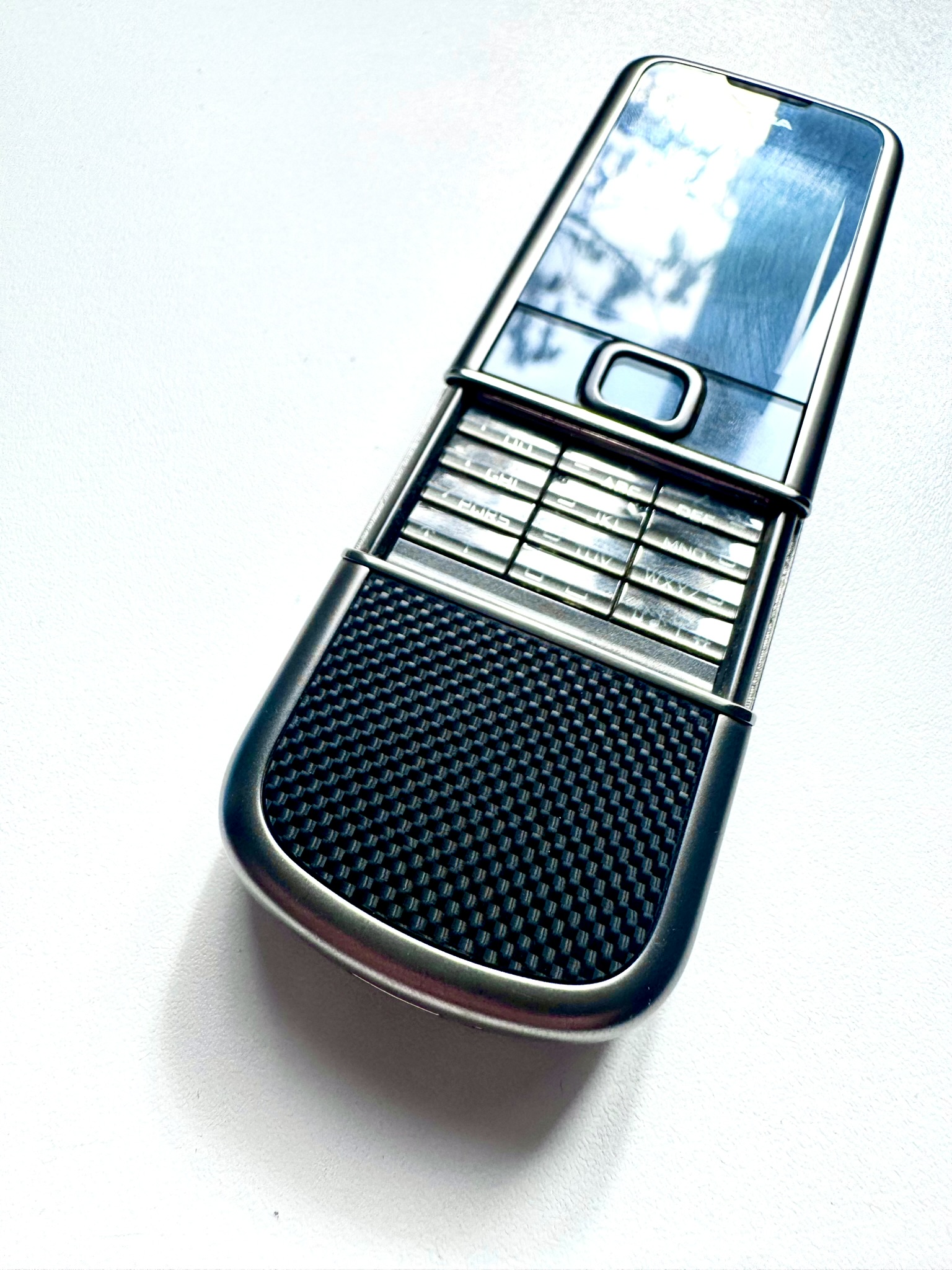
⭐ WOW Factor: The slider plate is real carbon fiber, not printed texture.
👁 Evaluation in my collection: Great – 9/10
🕵 Nokia Codename: Skira
⏱ Life timer: 83h | 📦 Boxed: NO
📅 Release Year: 2008 | 💰 Release Price: ~1500 €
📊 Units Sold: ~300k
📰 Why this phone matters: Nokia 8800 Carbon Arte (RM-233) – released in 2008 as one of Nokia’s most prestigious luxury devices. Built with real carbon fiber, a titanium-tinted stainless steel frame, scratch-resistant glass and a precision slider mechanism. Equipped with a 4GB internal storage, OLED display and tap-to-time gesture, the Carbon Arte stands at the top of Nokia’s Arte luxury line. A rare and highly collectible model📝 Reviews when released: Mobile Review 🔗
-


Nokia 8800 Sirocco Gold
Quick View💎 Rarity Index: A (Rare)
👁 Evaluation in my collection: Good – 8.5/10
⏱ Life timer: 347h | 📦 Boxed: YES
📅 Release Year: 2006 | 💰 Release Price: ~1500 €
📊 Units Sold: ~200k
📰 Why this phone matters: The Nokia 8800 Sirocco Edition (88 redesigned fascia and in “gold” and “queen black”, was released in 2006. This version of the phone has a 2-megapixel camera and slightly updated keypad layout. The phone chassis was slightly modified to include the upgraded 700mAH BP-6X battery. It includes ringtones composed by Brian Eno, who also composed the Windows 95 start-up sound.In early 2007 Nokia released the 24ct gold plated version of the 8800 Sirocco, which became the most expensive phone (RRP $2049.00) in Nokia’s catalogue of cell phone models up until the newest generation of mobile phones.
📝 Reviews when released: Softpedia 🔗