Showing 61–72 of 363 results
-
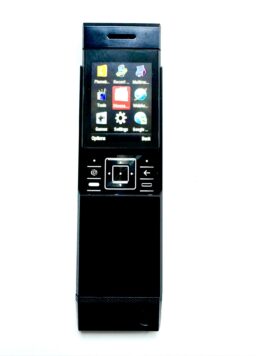
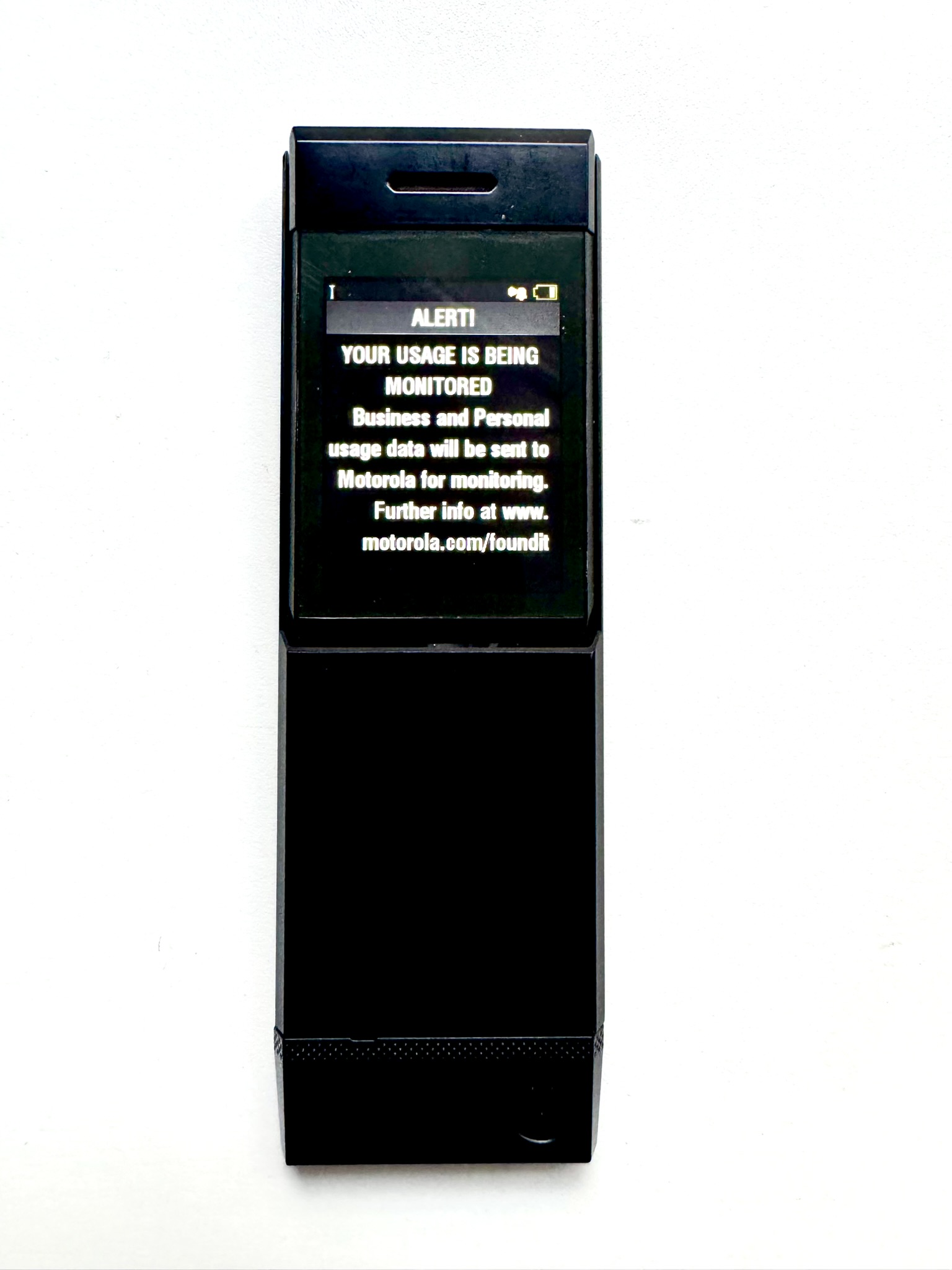
Motorola E18 Ivory Unreleased Prototype: The Lost Luxury
Quick View💎 Rarity Index: X (Mystical Prototype)
Ultra expensive luxury phone after Aura
👁 Evaluation in my collection: 9/10 – 10/10
⏱ Life timer: N/A | 📦 Boxed: NO
📅 Release Year: 2008 | 💰 Release Price: ~2000
📊 Units Sold: 0 unreleased
📰 Why this phone matters: The Motorola E18 Ivory is one of the rarest and most intriguing unreleased devices ever created by Motorola. Designed as a luxury slider phone with high-end materials and a unique dual-stop sliding mechanism, the E18 represented a bold and experimental direction that Motorola never brought to market. This prototype was intended to compete in the ultra-premium segment, with the stainless steel production version carrying a projected retail price of around 2000 eur;, placing it far above standard Motorola models of the era.This unit is an Ivory prototype in mint, as new, fully working condition, making it an exceptionally rare survivor. Very few E18 units were ever completed, and prototypes were typically scrapped, destroyed, or left non-functional. Having a working device in such preserved condition is considered unicorn-level rarity among Motorola collectors.
The defining feature of the E18 is its dual-stop slider mechanism. The first sliding step reveals a set of function keys, while the second sliding step exposes the complete T9 keypad. This layered mechanical design is unlike any mass-produced Motorola phone and reflects a level of engineering experimentation seen only in internal development devices. The combination of compact size, premium detailing, and complex mechanical motion makes the E18 one of the most innovative unreleased designs Motorola ever attempted.
Equipped with a 3 MP camera, premium external materials, and a sleek luxury aesthetic, the E18 Ivory was planned as a flagship device aimed at high-end buyers. Its design blends minimalist clean lines, luxury cues, and an advanced sliding system that offers a distinct tactile experience. The overall look and feel suggest that Motorola intended the E18 to stand alongside boutique luxury brands rather than mainstream consumer models.
Because the E18 project was cancelled before launch, surviving prototypes are extremely scarce. Most did not reach a stable operational state or were never finished to production quality. A mint, fully operational Ivory prototype is almost impossible to find, and it represents one of the most important pre-production artifacts in Motorola’s history. This device stands as a rare window into a luxury direction the company never pursued, making it a true collector trophy and a highlight in any high-end mobile phone collection.
📝 Reviews when released: PhoneArena.com 🔗
-


Motorola F3
Quick View💎 Rarity Index: C (Common)
⭐ WOW Factor: The first mobile phone to use electronic paper in its screen
👁 Evaluation in my collection: BNIB – 10/10
⏱ Life timer: 0m | 📦 Boxed: YES
📅 Release Year: 2006 | 💰 Release Price: ~20 €
📊 Units Sold: ~6M
📰 Why this phone matters: The F3 (frequently known as the Motofone) was a GSM phone available in two band variants, and was released on 28 November 2006.
The Motofone F3 was designed to appeal to the low-end market and developing countries, and was thus less functional, but also less expensive than most phones. Motorola made it appealing to developing markets and people with reading and visual difficulties by using only simple symbols and using speech synthesis to identify tasks in the menu.
The F3 was the first mobile phone to use electronic paper in its screen. Motorola used the term ClearVision to describe the new display, which was manufactured using E Ink’s electrophoretic imaging film. The electronic paper main display allowed for the phone’s thinness (no glass), longer battery life, and outdoor viewability (paper-like reflectivity). It had a backlight for the keypad and a slit that projects the backlight onto the screen so the display can be seen in darkness.The characteristics of the display were fairly restrictive. The text display contained only two lines of six characters each, making the use of text messaging (SMS) and data services less practical than on standard LCD displays. The display used a fixed ‘digital clock’ style font, with no functionality for changing between upper case and lower case text. All SMSs sent by the F3 were received entirely in lower case, and each character of any SMS received by the F3 is displayed in whichever case made the most sense using the font. Also, the non-alphabetic characters were severely limited due to this display, as the phone could only provide support for the following characters:
Comma (,) (periods . in incoming text messages are displayed as commas)
Hyphen (-)
Question mark (?)
At-sign (@)
Asterisk (*)
(+), to write this character, hold down the 0 key
No other non-alphanumeric characters could be entered, and on receiving an SMS any non-alphabetic character not listed above was displayed as a hyphen.Although the display could be restrictive when it came to text applications, the display was very energy efficient and conducive to extremely long battery life.
📝 Reviews when released: Trusted Reviews 🔗
-


Motorola Flipout
Quick View💎 Rarity Index: C (Common)
👁 Evaluation in my collection: Great – 9/10
⏱ Life timer: N/A | 📦 Boxed: NO
📅 Release Year: 2010 | 💰 Release Price: ~100 €
📊 Units Sold: ~700k
📰 Why this phone matters: Its square-shaped body has two parts that rotate near the bottom-right corner to reveal a five-row QWERTY keyboard below the screen. It has an accelerometer and includes a web browser with Adobe Flash Lite 3.0.The Flipout replaces the bigger Backflip.📝 Reviews when released: Mobile Review 🔗
-


Motorola Gleam
Quick View💎 Rarity Index: C (Common)
👁 Evaluation in my collection: Great – 9/10
⏱ Life timer: N/A | 📦 Boxed: YES
📅 Release Year: 2011 | 💰 Release Price: 99 €
📊 Units Sold: ~1M
📰 Why this phone matters: For the clamshell type factor and for the similar design, the terminal is considered the heir of the Motorola RAZR V3 .
On the upper part, under the lens of the 2 megapixel camera , there is a notification LED that informs about the time and about any incoming calls or messages; has Bluetooth 2.1 + EDR technology.
It is placed on the market in the three variants of gray ( gray ), thistle (thistle, a very light variety of violet ) and lacquer red ( lacquered red )📝 Reviews when released: N/A 💔
-
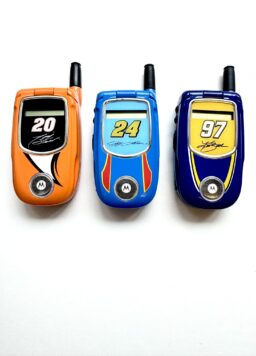
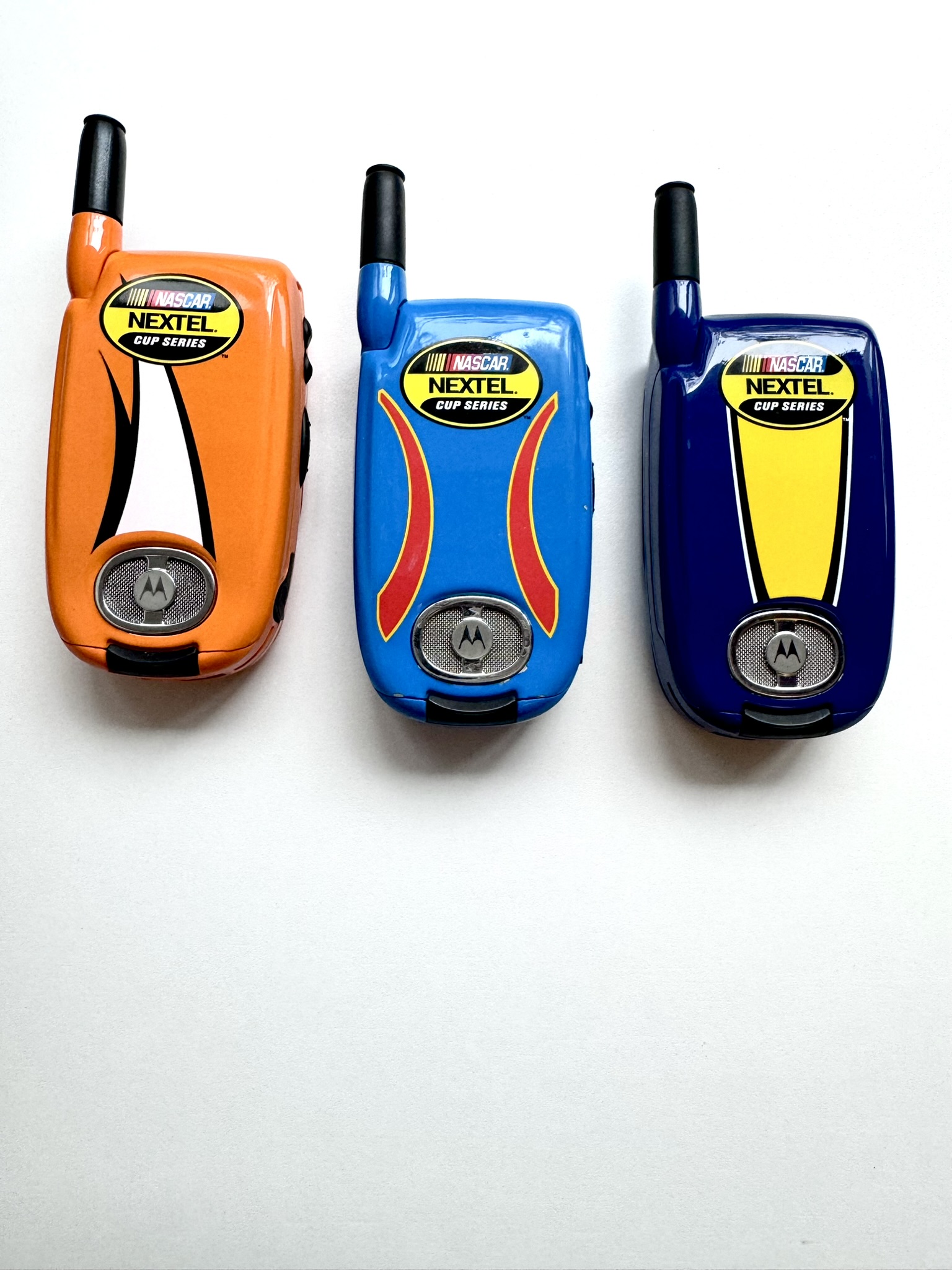
Motorola iDEN NASCAR: Dale Earnhardt Jr. – Driver Number 8
Quick View💎 Rarity Index: A (Rare)
⭐ WOW Factor: Limited-edition printed shells were released in very small quantities through promotions tied to NASCAR sponsors
👁 Evaluation in my collection: Great – 9/10
⏱ Life timer: N/A | 📦 Boxed: YES
📅 Release Year: 2003 | 💰 Release Price: N/A
📊 Units Sold: ~50k
📰 Why this phone matters: “This series brings together a rare and visually striking set of Motorola iDEN NASCAR edition phones, each one finished in the exact colors and markings of some of the most iconic drivers of the era. The front housings carry the bold driver numbers and printed signatures that fans once saw streaking around American tracks: the famous 8 used by Dale Earnhardt Jr.Other major NASCAR stars tied to number-based fan merchandising from the same period include Jimmie Johnson (48), Matt Kenseth (17), Kevin Harvick (29), Mark Martin (6), Rusty Wallace (2), Michael Waltrip (15), and others whose liveries became instantly recognizable in early 2000s motorsport culture. Mentioning them highlights the broader context in which these promotional Motorola phones were released.
Instead of simple decals, these editions feature full factory-printed graphics applied directly to the flip shell, giving them a premium, high-gloss look that stands far above ordinary Motorola releases. Built on Motorola’s rugged iDEN flip-phone platform, these devices were originally tied to the push-to-talk culture that defined the Nextel era. With their tall antennas, external displays, loud front speakers, and the classic M-logo medallions, they capture the unmistakable flavor of early 2000s telecom design.
Today, iDEN handsets with licensed NASCAR artwork are almost never found in mint or BNIB condition, making surviving units especially rare. Together, these themed phones stand as a vivid motorsport showcase, capturing the crossover between mobile technology and racing, and preserving a bold piece of American fan history that has long since disappeared from the mar
“
📝 Reviews when released: N/A 💔
-
Motorola iDEN NASCAR: Dale Jarrett – Driver Number 88
Quick View💎 Rarity Index: A (Rare)
⭐ WOW Factor: Limited-edition printed shells were released in very small quantities through promotions tied to NASCAR sponsors
👁 Evaluation in my collection: Great – 9/10
⏱ Life timer: N/A | 📦 Boxed: YES
📅 Release Year: 2003 | 💰 Release Price: N/A
📊 Units Sold: ~50k
📰 Why this phone matters: “This series brings together a rare and visually striking set of Motorola iDEN NASCAR edition phones, each one finished in the exact colors and markings of some of the most iconic drivers of the era. The front housings carry the bold driver numbers and printed signatures that fans once saw streaking around American tracks: 88 associated with Dale Jarrett and, in later seasons, Dale Earnhardt Jr. as well.Other major NASCAR stars tied to number-based fan merchandising from the same period include Jimmie Johnson (48), Matt Kenseth (17), Kevin Harvick (29), Mark Martin (6), Rusty Wallace (2), Michael Waltrip (15), and others whose liveries became instantly recognizable in early 2000s motorsport culture. Mentioning them highlights the broader context in which these promotional Motorola phones were released.
Instead of simple decals, these editions feature full factory-printed graphics applied directly to the flip shell, giving them a premium, high-gloss look that stands far above ordinary Motorola releases. Built on Motorola’s rugged iDEN flip-phone platform, these devices were originally tied to the push-to-talk culture that defined the Nextel era. With their tall antennas, external displays, loud front speakers, and the classic M-logo medallions, they capture the unmistakable flavor of early 2000s telecom design.
Today, iDEN handsets with licensed NASCAR artwork are almost never found in mint or BNIB condition, making surviving units especially rare. Together, these themed phones stand as a vivid motorsport showcase, capturing the crossover between mobile technology and racing, and preserving a bold piece of American fan history that has long since disappeared from the mar
“
📝 Reviews when released: N/A 💔
-
Motorola iDEN NASCAR: Driver Number Series
Quick View💎 Rarity Index: A (Rare)
⭐ WOW Factor: Limited-edition printed shells were released in very small quantities through promotions tied to NASCAR sponsors
👁 Evaluation in my collection: Great – 9/10
⏱ Life timer: N/A | 📦 Boxed: YES
📅 Release Year: 2003 | 💰 Release Price: N/A
📊 Units Sold: ~50k
📰 Why this phone matters: This series brings together a rare and visually striking set of Motorola iDEN NASCAR edition phones, each one finished in the exact colors and markings of some of the most iconic drivers of the era. The front housings carry the bold driver numbers and printed signatures that fans once saw streaking around American tracks: 24 in blue and yellow for Jeff Gordon, 20 in bright orange and black for Tony Stewart, 97 in deep blue with yellow for Kurt Busch, along with the famous 8 used by Dale Earnhardt Jr. and 88 associated with Dale Jarrett and, in later seasons, Dale Earnhardt Jr. as well.Other major NASCAR stars tied to number-based fan merchandising from the same period include Jimmie Johnson (48), Matt Kenseth (17), Kevin Harvick (29), Mark Martin (6), Rusty Wallace (2), Michael Waltrip (15), and others whose liveries became instantly recognizable in early 2000s motorsport culture. Mentioning them highlights the broader context in which these promotional Motorola phones were released.
Instead of simple decals, these editions feature full factory-printed graphics applied directly to the flip shell, giving them a premium, high-gloss look that stands far above ordinary Motorola releases. Built on Motorola’s rugged iDEN flip-phone platform, these devices were originally tied to the push-to-talk culture that defined the Nextel era. With their tall antennas, external displays, loud front speakers, and the classic M-logo medallions, they capture the unmistakable flavor of early 2000s telecom design.
Today, iDEN handsets with licensed NASCAR artwork are almost never found in mint or BNIB condition, making surviving units especially rare. Together, these themed phones stand as a vivid motorsport showcase, capturing the crossover between mobile technology and racing, and preserving a bold piece of American fan history that has long since disappeared from the mar
📝 Reviews when released: N/A 💔
-
Motorola iDEN NASCAR: Jeff Gordon – Driver Number 24
Quick View💎 Rarity Index: A (Rare)
⭐ WOW Factor: Limited-edition printed shells were released in very small quantities through promotions tied to NASCAR sponsors
👁 Evaluation in my collection: Great – 9/10
⏱ Life timer: N/A | 📦 Boxed: YES
📅 Release Year: 2003 | 💰 Release Price: N/A
📊 Units Sold: ~50k
📰 Why this phone matters: “This series brings together a rare and visually striking set of Motorola iDEN NASCAR edition phones, each one finished in the exact colors and markings of some of the most iconic drivers of the era. The front housings carry the bold driver numbers and printed signatures that fans once saw streaking around American tracks: 24 in blue and yellow for Jeff Gordon.Other major NASCAR stars tied to number-based fan merchandising from the same period include Jimmie Johnson (48), Matt Kenseth (17), Kevin Harvick (29), Mark Martin (6), Rusty Wallace (2), Michael Waltrip (15), and others whose liveries became instantly recognizable in early 2000s motorsport culture. Mentioning them highlights the broader context in which these promotional Motorola phones were released.
Instead of simple decals, these editions feature full factory-printed graphics applied directly to the flip shell, giving them a premium, high-gloss look that stands far above ordinary Motorola releases. Built on Motorola’s rugged iDEN flip-phone platform, these devices were originally tied to the push-to-talk culture that defined the Nextel era. With their tall antennas, external displays, loud front speakers, and the classic M-logo medallions, they capture the unmistakable flavor of early 2000s telecom design.
Today, iDEN handsets with licensed NASCAR artwork are almost never found in mint or BNIB condition, making surviving units especially rare. Together, these themed phones stand as a vivid motorsport showcase, capturing the crossover between mobile technology and racing, and preserving a bold piece of American fan history that has long since disappeared from the mar
“
📝 Reviews when released: N/A 💔
-
Motorola iDEN NASCAR: Kurt Busch – Driver Number 97
Quick View💎 Rarity Index: A (Rare)
⭐ WOW Factor: Limited-edition printed shells were released in very small quantities through promotions tied to NASCAR sponsors
👁 Evaluation in my collection: Great – 9/10
⏱ Life timer: N/A | 📦 Boxed: YES
📅 Release Year: 2003 | 💰 Release Price: N/A
📊 Units Sold: ~50k
📰 Why this phone matters: “This series brings together a rare and visually striking set of Motorola iDEN NASCAR edition phones, each one finished in the exact colors and markings of some of the most iconic drivers of the era. The front housings carry the bold driver numbers and printed signatures that fans once saw streaking around American tracks: 97 in deep blue with yellow for Kurt BuschOther major NASCAR stars tied to number-based fan merchandising from the same period include Jimmie Johnson (48), Matt Kenseth (17), Kevin Harvick (29), Mark Martin (6), Rusty Wallace (2), Michael Waltrip (15), and others whose liveries became instantly recognizable in early 2000s motorsport culture. Mentioning them highlights the broader context in which these promotional Motorola phones were released.
Instead of simple decals, these editions feature full factory-printed graphics applied directly to the flip shell, giving them a premium, high-gloss look that stands far above ordinary Motorola releases. Built on Motorola’s rugged iDEN flip-phone platform, these devices were originally tied to the push-to-talk culture that defined the Nextel era. With their tall antennas, external displays, loud front speakers, and the classic M-logo medallions, they capture the unmistakable flavor of early 2000s telecom design.
Today, iDEN handsets with licensed NASCAR artwork are almost never found in mint or BNIB condition, making surviving units especially rare. Together, these themed phones stand as a vivid motorsport showcase, capturing the crossover between mobile technology and racing, and preserving a bold piece of American fan history that has long since disappeared from the mar
“
📝 Reviews when released: N/A 💔
-
Motorola iDEN NASCAR: Tony Stewart – Driver Number 20
Quick View💎 Rarity Index: A (Rare)
⭐ WOW Factor: Limited-edition printed shells were released in very small quantities through promotions tied to NASCAR sponsors
👁 Evaluation in my collection: Great – 9/10
⏱ Life timer: N/A | 📦 Boxed: YES
📅 Release Year: 2003 | 💰 Release Price: N/A
📊 Units Sold: ~50k
📰 Why this phone matters: “This series brings together a rare and visually striking set of Motorola iDEN NASCAR edition phones, each one finished in the exact colors and markings of some of the most iconic drivers of the era. The front housings carry the bold driver numbers and printed signatures that fans once saw streaking around American tracks: 20 in bright orange and black for Tony Stewart.Other major NASCAR stars tied to number-based fan merchandising from the same period include Jimmie Johnson (48), Matt Kenseth (17), Kevin Harvick (29), Mark Martin (6), Rusty Wallace (2), Michael Waltrip (15), and others whose liveries became instantly recognizable in early 2000s motorsport culture. Mentioning them highlights the broader context in which these promotional Motorola phones were released.
Instead of simple decals, these editions feature full factory-printed graphics applied directly to the flip shell, giving them a premium, high-gloss look that stands far above ordinary Motorola releases. Built on Motorola’s rugged iDEN flip-phone platform, these devices were originally tied to the push-to-talk culture that defined the Nextel era. With their tall antennas, external displays, loud front speakers, and the classic M-logo medallions, they capture the unmistakable flavor of early 2000s telecom design.
Today, iDEN handsets with licensed NASCAR artwork are almost never found in mint or BNIB condition, making surviving units especially rare. Together, these themed phones stand as a vivid motorsport showcase, capturing the crossover between mobile technology and racing, and preserving a bold piece of American fan history that has long since disappeared from the mar
“
📝 Reviews when released: N/A 💔
-


Motorola StarTAC 130: The Business Clip-On Set
Quick View💎 Rarity Index: C (Common)
👁 Evaluation in my collection: Good – 9/10
⏱ Life timer: N/A | 📦 Boxed: NO
📅 Release Year: 1998 | 💰 Release Price: More than 1000 $
📊 Units Sold: ~1.5M
📰 Why this phone matters: The Motorola StarTAC 130 represents the mature evolution of the most iconic clamshell mobile phone line ever created. Released in the late 1990s, the StarTAC 130 refined the GSM performance, stability, and usability of earlier models while preserving the legendary compact flip design that made the StarTAC the most influential mobile phone of its era. As one of the most widely used business phones of its time, the 130 became a symbol of professional mobility during the transition into the digital GSM age.This unit is in excellent preserved condition and remains fully functional, a rarity considering that most StarTAC 130 devices were used heavily throughout their service life. The phone retains the clean lines, compact proportions, curved upper housing, responsive keypad, and trademark Motorola RF performance that define the late generation StarTAC experience.
What elevates this set far beyond the typical StarTAC 130 is the inclusion of an extremely rare BNIB Motorola Clip-On Organizer. This accessory was produced in small numbers and marketed mainly toward corporate users. It clipped directly onto the phone, offering storage for small notes, papers, and business cards, while giving the device a more professional, utility oriented profile. These organizers were rarely kept, often cracked or discarded, and almost never preserved in unused condition. Finding one BNIB is exceptionally uncommon, and having it paired with a clean StarTAC 130 makes this configuration significantly more collectible.
The Clip-On Organizer was part of Motorola’s push to position the StarTAC line as a full business mobility solution. While leather pouches and holsters were common accessories, the organizer was different: it was designed to integrate directly with the phone using the same rear mounting system as extended batteries. Its rigid construction, matte business finish, and direct clip mechanism made it a unique product that combined phone protection with practical office functionality. This accessory adds strong historical authenticity to the set, reflecting how professionals equipped their devices during the height of the StarTAC era.
From a technical perspective, the StarTAC 130 introduced later generation internal improvements compared to earlier models such as the 70 and 85. These refinements included improved PCB grounding, more stable GSM 900 and 1800 radio stages, better power management, reinforced internal structures around high stress points, and a more durable keypad dome sheet. These upgrades made the 130 one of the most reliable and consistent StarTAC models ever produced.
As part of the StarTAC lineage, the 130 carries the heritage of the original 1996 StarTAC, the first true clamshell phone in mobile history. The upward folding flip mechanism, compact size, slim antenna, and minimalist industrial design reshaped the mobile world and sold more than 60 million units globally. Even decades later, the StarTAC remains one of the most recognizable and culturally significant mobile phones ever built.
For collectors, this StarTAC 130 paired with a BNIB Clip-On Organizer stands out as a rare and highly desirable configuration. The phone delivers the mature, stable hardware platform of the late StarTAC generation, while the unused organizer provides an accessory that is rarely found intact, let alone in original packaging. Together they form a complete, historically accurate business set from Motorola’s peak period of design and engineering.
This StarTAC 130 – The Business Organizer Set is not just a preserved phone, but a fully authentic snapshot of professional mobile equipment from the late 1990s. It is a valuable and uncommon piece of Motorola history and a distinguished addition to any serious vintage mobile collection.
📝 Reviews when released: N/A 💔
-


Motorola StarTAC 70 “Rainbow Edition”: The Ultra-Rare Multicolor Icon of the GSM Era
Quick View💎 Rarity Index: S (Ultra Rare)
⭐ WOW Factor: A factory-produced StarTAC in full multicolor Rainbow livery is one of the most elusive special editions Motorola ever released.
👁 Evaluation in my collection: BNIB – 10/10
⏱ Life timer: N/A | 📦 Boxed: YES
📅 Release Year: 1996 | 💰 Release Price: More than 1000 $
📊 Units Sold: ~30k
📰 Why this phone matters: The Motorola StarTAC 70 Rainbow Edition is not just rare, it is one of the hardest to find and most aggressively hunted special editions ever created in the StarTAC lineage. Even among collectors of 90s GSM icons, the Rainbow sits in a tier of its own, a true ultra variant that almost never appears in genuine form. While over 60 million StarTACs were sold worldwide, the authentic Rainbow Edition represents a microscopic fraction of production, making it one of Motorola’s most elusive and valuable designs.Born from Motorola’s brief but daring attempt to break into the youth market, the Rainbow Edition abandoned every established rule. Instead of corporate black, it exploded in a palette of red, green, blue and yellow molded plastics. This was not a repaint or a gimmick. These colors were factory produced, region specific, and offered only in small numbers through select operators such as MoviStar and Telefonica. The visual impact was radical, and at a time dominated by monochrome Nokia bricks, this phone looked like nothing else on Earth.
The Rainbow was a commercial anomaly, too bold for the mainstream and too ahead of its time for conservative users, and because of that, extremely few survived. Its scarcity has driven collectors into near obsessive authentication hunts, especially with the flood of counterfeits and repainted shells that appeared over the years. Genuine units, with original multi tone housings and correct operator branding, are considered trophy level acquisitions.
This device is BNIB and fully functional, preserved in a condition that is virtually unheard of for this variant. And even more extraordinary, there are two BNIB Rainbow StarTAC 70 units in the collection. Owning even one authentic Rainbow is already almost impossible. Having two boxed originals elevates the rarity to a level normally reserved for museum archives or private corporate vaults.
The original box, with its dramatic rainbow arc and cosmic blue background, was produced only for this version, reinforcing how intentionally Motorola treated this colorway. Everything about this edition was designed to break conventions and redefine what a mobile phone could look like.
Today, the StarTAC 70 Rainbow Edition is considered one of the most desirable, visually unique and aggressively rare special editions ever created in the early GSM era. It is not just a phone, it is a declaration of design rebellion, a historical anomaly, and a centerpiece for any serious collector of mobile icons.
📝 Reviews when released: N/A 💔