

">

Showing 13–24 of 26 results
-


Nokia 6310
Quick View💎 Rarity Index: C (Common)
⭐ WOW Factor: The first Nokia triband phone
👁 Evaluation in my collection: Great – 9.5/10
🕵 Nokia Codename: Triton
⏱ Life timer: N/A | 📦 Boxed: NO
📅 Release Year: 2002 | 💰 Release Price: ~480 $
📊 Units Sold: ~7M
📰 Why this phone matters: The Nokia 6310 is a business-oriented mobile phone announced on 15 March 2001 and released at the end of the year as the successor of the Nokia 6210.This phone was used on the Mercedes-Benz S-Class (W220) (1998-2006 type), where it was held in a cradle and connected to the car’s integrated car phone and media system called COMAND APS. It was also Nokia’s very first mobile phone with Bluetooth connectivity (version 1.1).
📝 Reviews when released: N/A 💔
-


Nokia 6310i
Quick View💎 Rarity Index: C (Common)
⭐ WOW Factor: The first Nokia triband phone
👁 Evaluation in my collection: Good – 8/10
🕵 Nokia Codename: Triton
⏱ Life timer: N/A | 📦 Boxed: NO
📅 Release Year: 2002 | 💰 Release Price: ~480 $
📊 Units Sold: ~10M
📰 Why this phone matters: The Nokia 6310i is a mobile phone from Nokia first introduced at the CeBIT fair in March 2002 with sales starting later that year and discontinued in late 2005, it was Nokia’s first tri-band phone offering (GSM 900/1800/1900). Primarily marketed as a business phone it was for some years the dominant GSM device in the corporate world. The device was most commonly offered in Two-tone Silver/Grey or Two-tone Gold/Black trim; the third option, a Copper coloured variant, was much rarer.The model is basically the same as the earlier 6310 from 2001, with the addition of tri-band reception, Java and a blue-backlit LCD Screen (as opposed to the earlier green backlighting). The 6310 itself replaced the 6210 from 2000, preceded by the 6150 (1998) and 6110 (1997). Accessories (such as batteries) can generally be swapped between all these models.This phone has been (and still is)very popular for its robustness, simplicity and long battery life years after being discontinued as a product.Many have called the 6310i one of the best handsets Nokia ever produced.📝 Reviews when released: Mobile Review 🔗
-


Nokia 6340i Cingular
Quick View💎 Rarity Index: B (Uncommon)
👁 Evaluation in my collection: Good – 8.5/10
⏱ Life timer: 661h | 📦 Boxed: YES
📅 Release Year: 2002 | 💰 Release Price: N/A
📊 Units Sold: ~500k
📰 Why this phone matters: The 6340i was a GAIT phone (GSM-ANSI-136 Interoperability Team) that was offered in the US market by the Cingular network. This meant that it was capable of providing seamless connectivity to both GSM and TDMA network. It was an upgraded version of the 6340 which was the first GAIT phone to be offered in the US. The 6340i variant added the support the GSM 850 MHz frequency.The 6340 / 6340i was almost identical to the TDMA-only 6360.
This phone is also one of the few Nokia phones to have the number 4 in the model name. This was due to the fact that number 4 was considered an inauspicious number in Asian markets.
📝 Reviews when released: Mouth Shut 🔗
-


Nokia 6510
Quick View💎 Rarity Index: C (Common)
👁 Evaluation in my collection: Great – 9/10
🕵 Nokia Codename: Ninja
⏱ Life timer: 35h | 📦 Boxed: YES
📅 Release Year: 2002 | 💰 Release Price: ~250 €
📊 Units Sold: ~4M
📰 Why this phone matters: The Nokia 6510 is a mobile phone launched in the first quarter of 2002.
It was an improved version of the Nokia 8310.It featured a higher resolution screen with teal, instead of white, backlit illumination, and blue keypad illumination. It also featured several new applications, such as the electronic wallet, used to store password protected information, and an upgraded calendar.
As a business-oriented product, it incorporated a more restrained look, although the covers were interchangeable with the 8310.📝 Reviews when released: N/A 💔
-
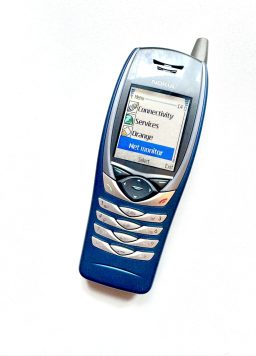
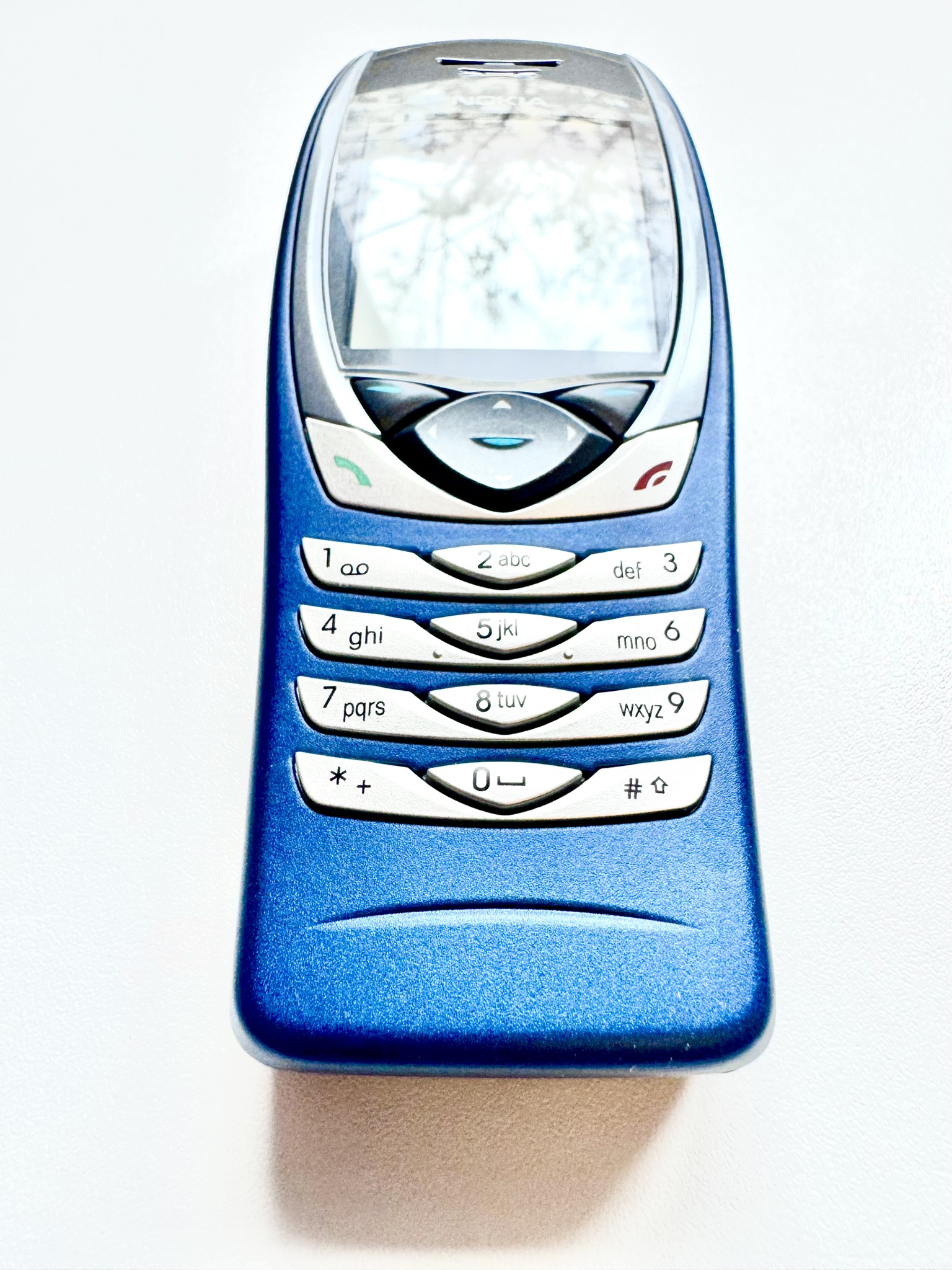
Nokia 6650 Prototype B1 6.2 : The lost first Nokia’s 3G Phone | Unreleased Black and Blue Colour
Quick View💎 Rarity Index: X (Mystical Prototype)
⭐ WOW Factor: The first Nokia 3G phone
👁 Evaluation in my collection: Good – 8.5/10
🕵 Nokia Codename: Kenny
⏱ Life timer: 2m | 📦 Boxed: NO
📅 Release Year: 2002 | 💰 Release Price: N/A
📊 Units Sold: 100k (final units)
📰 Why this phone matters: The Nokia 6650 Prototype B1 6.2 represents one of the most important and fragile transition moments in Nokia history. This device is not just an early unit, but a full internal engineering prototype that captures the very first attempt to bring 3G technology into a classic Nokia candybar form factor.An engineering device, not a consumer phone
The rear label clearly identifies this unit as Nokia internal property, explicitly marked PROTO and Made in Finland. The device uses a placeholder model designation XXXX, a standard practice for Nokia engineering hardware that was never approved for commercial sale. Hardware identifiers such as B1.6.2 and HWID 4122 place this unit deep inside Nokia internal testing cycles, well before mass production validation.
These labels were never meant to survive outside Nokia labs. Their presence confirms this phone was used strictly for internal testing, radio validation, and early software integration rather than marketing or carrier trials.
The unreleased early design language
This prototype showcases design elements that never reached the market. The blue front cover was never commercially released, while the black rear housing with its distinctive camera ornament remains completely unique to early prototype builds. When the Nokia 6650 eventually launched, it appeared only in a dark green colorway for both front and back, making this blue and black combination a lost design direction.
The body shape, materials, and external antenna confirm this device as the final Nokia candybar with an external antenna, closing an entire design era.
Early software and version identity
The software screen reveals version Vp1.301 dated 30-09-02, running on platform NHM-1 with PRI P1.1. This places the firmware only days after the official unveiling of the Nokia 6650 on 26 September 2002. The Vp prefix identifies a prototype firmware branch, used internally before public release software was finalized.
This version is not a commercial build and was never distributed outside Nokia engineering teams. It represents an unstable development snapshot used for functional validation rather than end user experience.
The startup warning and the two minute limitation
On boot, the phone displays a rare internal warning message stating that this is a Nokia prototype intended only for testing use, and that the software must be updated by the end of November 2002. This message is exceptionally rare and confirms the temporary nature of the firmware installed on the device.
Additionally, this prototype is restricted to a two minute operational window, a known internal safeguard used by Nokia to prevent prolonged use of unfinished hardware outside controlled environments. This limitation reinforces the fact that this unit was never meant to operate as a normal phone.
Why it truly matters
This prototype is the missing link between Nokias 2G legacy and its first step into the 3G world. It captures an unreleased design, unfinished software, and internal safeguards that almost never survive. More than a phone, it is a frozen engineering moment, documenting how Nokia experimented, tested, and iterated before rewriting its own future.
📝 Reviews when released: N/A 💔
-


Nokia 6800
Quick View💎 Rarity Index: C (Common)
⭐ WOW Factor: The first Nokia phone with fold-out QWERTY keyboard
👁 Evaluation in my collection: Great – 9.5/10
⏱ Life timer: 66h | 📦 Boxed: NO
📅 Release Year: 2002 | 💰 Release Price: ~500 €
📊 Units Sold: ~1M
📰 Why this phone matters: The Nokia 6800 series are a selection of Nokia Series 68 phones with an unusual fold-out QWERTY keyboard. This type of keyboard is also used in the more recent Nokia Series 60 Symbian-based Nokia E70. These phones were marketed as “messaging devices”: all had built-in email clients, and some had BlackBerry support.
The 6800 and 6810 had four electrical contacts at the very top of the phone for the left side of the keyboard and another four just under the screen for when the regular 12-key numeric keypad was being used. A small magnet was built into the left side of the keyboard and the phones would switch to landscape mode as soon as this was lifted up. The 6800 was the first in the series and was a dual-band GSM 900/1800 phone with support for GPRS. The 6800 had an FM radio tuner and 5MB of memory. It was announced on 4 November 2002.📝 Reviews when released: Mobile Review 🔗
-


Nokia 7210
Quick View💎 Rarity Index: C (Common)
👁 Evaluation in my collection: As New – 10/10
🕵 Nokia Codename: Vanessa
⏱ Life timer: 03s | 📦 Boxed: YES
📅 Release Year: 2002 | 💰 Release Price: ~500$
📊 Units Sold: ~15M
📰 Why this phone matters: The Nokia 7210 is a handset by Nokia, built on the Series 40 1st Edition software platform and enabled with J2ME (Java). The device features text and picture messaging, WAP browser, Stereo FM radio, Polyphonic ringtones, two preinstalled games and a 1.5″, 128×128 pixel, 4,096 color display. It was the first Nokia phone for the mass market with a colour display and with polyphonic ringtones (they were already on the Nokia 7650).
The 7210 featured an all-new front cover design, with a unique keypad layout incorporating a 4-way scroll button. The phone came in a choice of colours, with changeable Xpress-on covers available. Eight colour schemes are available along with the ability to download images to save as wallpaper to add even more personalization.📝 Reviews when released: Mobile Review 🔗
-


Nokia 7650
Quick View💎 Rarity Index: B (Uncommon)
⭐ WOW Factor: The first Nokia phone with a built-in?camera?
👁 Evaluation in my collection: Brand New Swap – 10/10
🕵 Nokia Codename: Calypso
⏱ Life timer: 0m | 📦 Boxed: NO
📅 Release Year: 2002 | 💰 Release Price: ~600 €
📊 Units Sold: ~3M
📰 Why this phone matters: The Nokia 7650 is a 2.5G consumer-oriented smartphone belonging to the fashion and experimental (7xxx) series. It was introduced in Barcelona on 19 November 2001, and was described by CEO Jorma Ollila as the company’s most important launch of that year.Feature-rich, it was the first Nokia phone with a built-in camera (VGA resolution), and thus its imaging capabilities was widely marketed. It has a large (at the time) 2.1″ colour display with a resolution of 176×208 pixels. The 7650 was also the company’s first to feature Multimedia Messaging Service (MMS), and it also has Bluetooth and GPRS connectivities (although to much criticism did not support Bluetooth headsets).
Nokia 7650 showing its Series 60 menu
In addition it was the first Series 60 platform device (which would go on to power the majority of Nokia smartphones for many years after), as well as the first mass market Symbian OS device to be released, allowing the sideloading of both Java and EPOC applications.📝 Reviews when released: N/A 💔
-


Nokia 8855
Quick View💎 Rarity Index: A (Rare)
👁 Evaluation in my collection: Great – 9/10
⏱ Life timer: 137h | 📦 Boxed: YES
📅 Release Year: 2002 | 💰 Release Price: N/A
📊 Units Sold: ~300k
📰 Why this phone matters: Small and lightweight, Stylish white illuminated display for better clarity, Smooth matt finish ,Ergonomically shaped keys
Refined design details including clean lines and a sleek color📝 Reviews when released: N/A 💔
-


Nokia 8855 Worn
Quick View💎 Rarity Index: A (Rare)
👁 Evaluation in my collection: Great – 9/10
⏱ Life timer: 137h | 📦 Boxed: NO
📅 Release Year: 2002 | 💰 Release Price: N/A
📊 Units Sold: ~300k
📰 Why this phone matters: Small and lightweight, Stylish white illuminated display for better clarity, Smooth matt finish ,Ergonomically shaped keys
Refined design details including clean lines and a sleek color📝 Reviews when released: N/A 💔
-


Nokia 8910
Quick View💎 Rarity Index: B (Uncommon)
👁 Evaluation in my collection: Good – 8/10
🕵 Nokia Codename: Demi
⏱ Life timer: N/A | 📦 Boxed: NO
📅 Release Year: 2002 | 💰 Release Price: ~650 $
📊 Units Sold: ~250k
📰 Why this phone matters: The Nokia 8910 is a mobile phone released in 2002 by Nokia. Part of the luxury 8xxx series, it was introduced as a successor of the Nokia 8850/8890. It has a white backlight, and features Bluetooth connectivity.
It was succeeded by the Nokia 8800, which was released in 2005.📝 Reviews when released: Mobile Review 🔗
-
Nokia J-NM02: Deep Blue Japan Exclusive
Quick View💎 Rarity Index: A (Rare)
⭐ WOW Factor: Built in Japan by Nokia Japan, not Finland
👁 Evaluation in my collection: Great – 9/10
⏱ Life timer: N/A | 📦 Boxed: NO
📅 Release Year: 2002 | 💰 Release Price: N/A
📊 Units Sold: ~50k
📰 Why this phone matters: The Nokia J-NM02 is one of the most distinctive and hard-to-find Japan-only Nokia flip phones, created for the J-Phone network in early 2002. Finished in a deep blue color scheme with a compact external display, SKY Mobile branding, and an elegant Japanese carrier design, this device stands out immediately from any eur;opean or American Nokia ever produced.This unit was manufactured in February 2002 and belongs to the NPY-6A hardware platform, a Nokia architecture used exclusively for Japanese regional devices. The NMAD01 marking inside identifies its specific J-Phone customization group, while codes such as A01-0923JP and JNMA1021492 tie it to a documented production run under Nokia Japan, not Nokia Finland. These production markers alone make the J-NM02 a very uncommon find in global collections.
What makes this example even more special is that it is fully functional. The phone powers on correctly, the external and internal displays work, and you can navigate the original Japanese menu system. Since the J-Phone PDC network no longer exists, very few surviving units still operate as intended, making working examples extremely rare.
The J-NM02 represents a unique moment in mobile history when Nokia adapted its engineering to the Japanese PDC ecosystem, resulting in features, menus, hardware layouts and design elements that never appeared in any global Nokia lineup. Today, it remains one of the most collectible Japanese-market Nokias for its exclusivity, design, and historical significance within the J-Phone era.
📝 Reviews when released: N/A 💔