

">

Showing 1–12 of 26 results
-


Ericsson T68m Champagne Gold: Early R2A Retail Unit
Quick View💎 Rarity Index: A (Rare)
⭐ WOW Factor: A compact flagship that fit Bluetooth, GPRS and a color screen into a sub-90 g body – the T68m remains a milestone piece of mobile history.
👁 Evaluation in my collection: As New – 9.8/10
⏱ Life timer: N/A | 📦 Boxed: YES
📅 Release Year: 2002 | 💰 Release Price: 650 €
📊 Units Sold: ~20k
📰 Why this phone matters: The Ericsson T68m stands as one of the defining milestones in mobile phone evolution and marks the moment when Ericsson transitioned from monochrome business devices into the era of compact multimedia handsets. Released in late 2001, it became Ericsson’s first color-screen phone, its first handset with integrated Bluetooth, and one of the smallest tri-band GSM devices ever produced at the time. The T68m concentrated cutting-edge features into an ultra-light 84 g body that set a new benchmark for compact flagship design.This particular unit is BNIB, a condition that is exceptionally rare due to the device’s age and the rapid corporate shift that followed its release. Very few untouched T68m boxes survived the transition from Ericsson to Sony Ericsson, as most retail stock was either sold through, upgraded, or rebranded into the T68i. BNIB units in the Champagne Gold finish are among the hardest to find, as this color variant was produced in notably smaller quantities. The preserved packaging, accessories, and original presentation elevate this device to a high collector tier, representing one of the best surviving examples of the model.
Technologically, the T68m was far ahead of its time. Its TFT 256-color display, GPRS Class 4 capability, EMS messaging, Bluetooth 1.0 module, IrDA port, and PC synchronization suite delivered features that were typically found only on much larger communicator-style devices. Reviewers in 2001 and 2002 described it as a “miniature business powerhouse,” praising its ability to merge advanced connectivity, a color user interface, and long battery life into a form factor that was dramatically smaller than its competitors. The joystick-based navigation and icon-driven color UI would later become the visual foundation for many Sony Ericsson models.
Historically, the T68m is also important because it represents the last flagship to carry the pure Ericsson branding. At the time of its release, Ericsson’s mobile division was undergoing a major financial and strategic shift. The joint venture with Sony was announced soon after, and the T68m became the bridge into the Sony Ericsson era. Within months, the T68m hardware was used as the base for the T68i, with updated casing, enhanced firmware, and Sony Ericsson branding. This conversion became so common that finding a true, untouched T68m is increasingly uncommon. A BNIB Champagne Gold example, therefore, holds exceptional preservation value.
Production data and period market analysis suggest that Champagne Gold units were produced in far smaller numbers than the standard grey and blue variants, making them significantly rarer in today’s collector market. The rapid discontinuation of T68m production due to the Sony Ericsson transition also reduced the number of sealed retail units available. Most T68m devices were heavily used, experienced joystick wear, or were converted to T68i firmware at service centers. As a result, BNIB condition elevates this particular unit into an elite tier of early-2000s GSM collectibles.
This T68m encapsulates the moment when the mobile industry transitioned from monochrome candybars to feature-rich multimedia phones. It demonstrates Ericsson’s technical ambitions at a time when the company was still shaping the direction of global GSM development. With its original firmware, rare Champagne Gold housing, compact footprint, color UI, Bluetooth, IrDA, GPRS support, and untouched BNIB condition, this unit is a top-tier collector artifact. It stands not only as a premium representation of Ericsson’s final standalone flagship, but also as one of the earliest true precursors to modern smartphones.
📝 Reviews when released: The Vooner 🔗
-
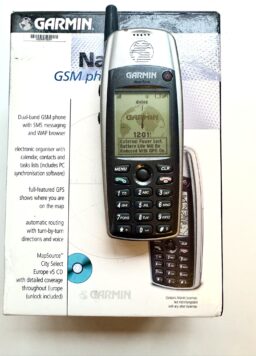
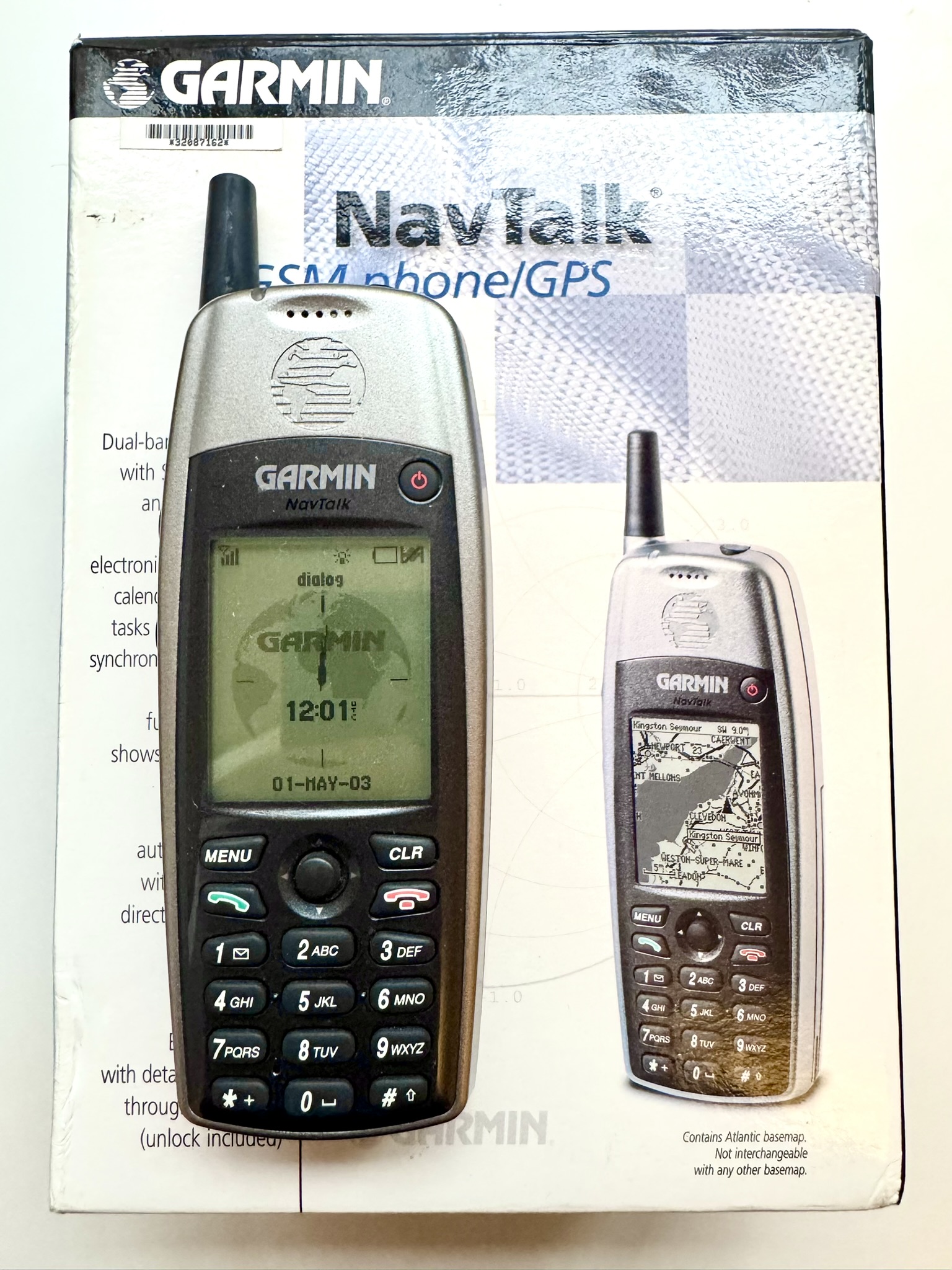
Garmin NavTalk GSM: Navigation Meets GSM
Quick View💎 Rarity Index: A (Rare)
⭐ WOW Factor: One of the first GPS phones ever made, predating modern smartphones
👁 Evaluation in my collection: Great – 9.5/10
⏱ Life timer: N/A | 📦 Boxed: YES
📅 Release Year: 2002 | 💰 Release Price: 600-800 $
📊 Units Sold: ~30k
📰 Why this phone matters: The Garmin NavTalk GSM is one of the most unusual and forward-thinking mobile devices ever created, combining a full GSM phone with a complete Garmin GPS receiver years before smartphones existed. Released in the early 2000s in extremely small numbers, the NavTalk GSM offered true satellite navigation, waypoint management, coordinate tools, map display, and even GPS-enhanced SMS at a time when mobile phones were still primarily used for calls and messages.This unit is fully working, full box, and includes functional maps, making it exceptionally rare among surviving examples. The device was engineered in Olathe, Kansas and manufactured in Taiwan, using Garmin’s proprietary GPS engine integrated with a dual-band GSM system. Its large monochrome screen, robust keypad, external antenna, and rugged body reflect Garmin’s roots in professional navigation equipment far more than consumer mobile phones.
The NavTalk GSM stands as a landmark in mobile history: one of the earliest true GPS phones ever produced and the only GSM handset Garmin ever made. Decades later, it remains a fascinating and highly collectible hybrid, representing an ambitious moment when navigation technology and mobile communication first converged into a single device.
📝 Reviews when released: N/A 💔
-


Motorola V70
Quick View💎 Rarity Index: A (Rare)
⭐ WOW Factor: The first Motorola with a rotary design
👁 Evaluation in my collection: Good – 8.5/10
⏱ Life timer: N/A | 📦 Boxed: NO
📅 Release Year: 2002 | 💰 Release Price: ~400 $
📊 Units Sold: ~700k
📰 Why this phone matters: The Motorola V70 is by far one of the sleekest mobiles seen to date. Its innovative design; silver casing; compact size (3.7 by 1.5 by 0.7 inches; 2.9 ounces); and inverse-image (black background, white letters), five-line circular display all contribute to this mobile’s “wow” factor. But the real eye-catcher is its 360-degree rotating keypad cover.📝 Reviews when released: Cnet.com 🔗
-
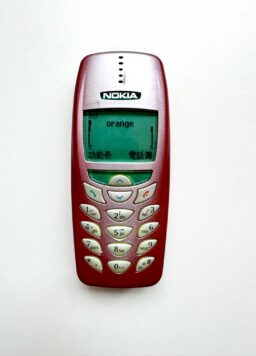
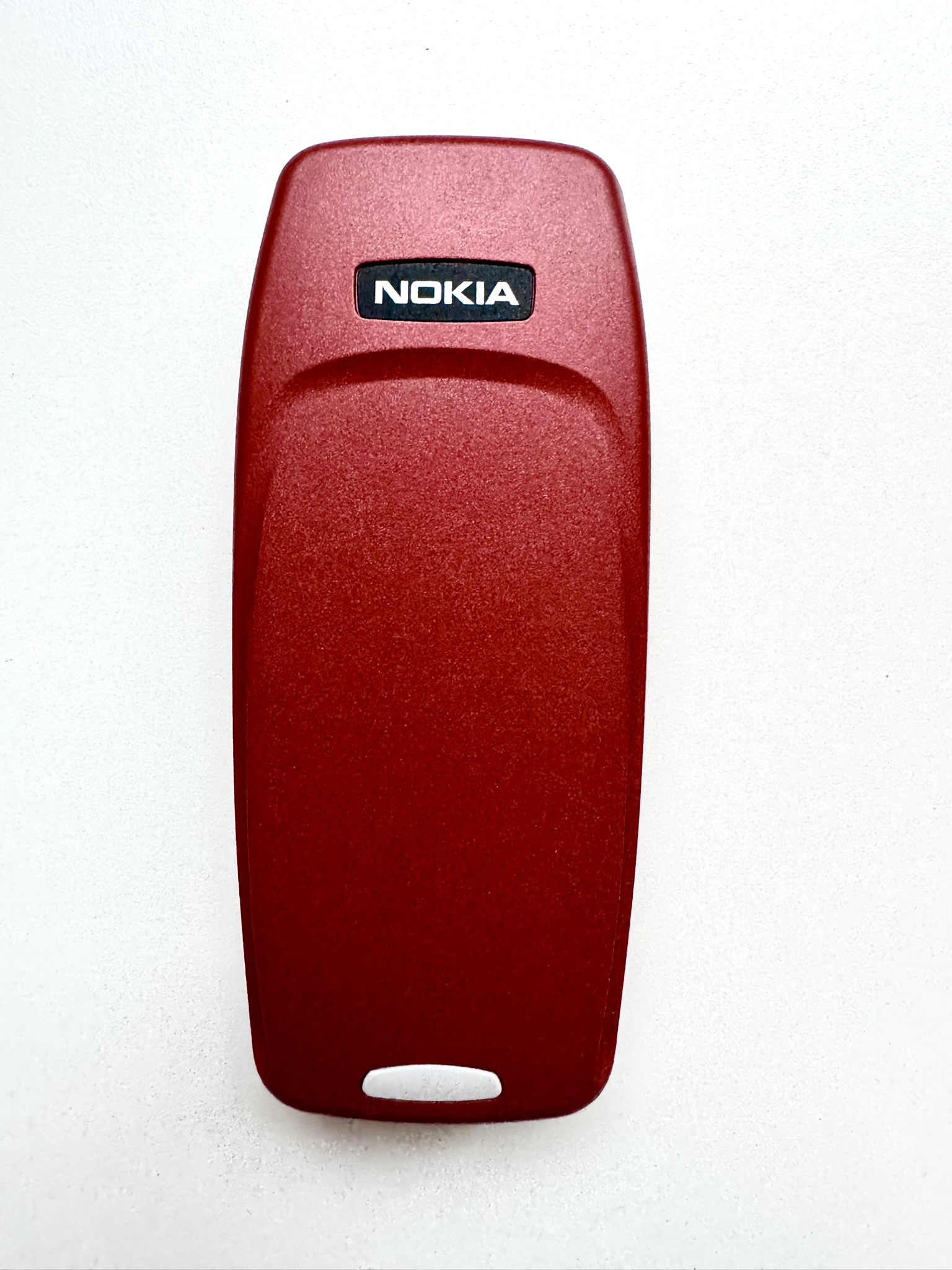
Nokia 3350 Prototype P2.3 : “Ladybird” Early Engineering
Quick View💎 Rarity Index: S (Ultra Rare)
👁 Evaluation in my collection: New – 10/10
🕵 Nokia Codename: LadyBird
⏱ Life timer: 0 | 📦 Boxed: NO
📅 Release Year: 2002 | 💰 Release Price: N/A
📊 Units Sold: ~8M (final units)
📰 Why this phone matters: An exceptionally rare Nokia 3350 NHM-9NX prototype, built during the P2.3 engineering phase of Nokia’s internal development cycle. Carrying the codename “Ladybird”, this unit predates the commercial Nokia 3350 and represents one of the earliest hardware validation builds of the series.Prototypes in the P-series (especially below P3.0) were never intended for public exposure and were used strictly within Nokia’s labs for early software integration, RF calibration, UI tuning and keypad response testing. This P2.3 unit retains all the classic prototype signatures:
PROTO – P2.3 designation
Pre-release internal model name “Ladybird”
No commercial model number printed
Simplified regulatory labeling
Early keypad and housing materials
The front shell features a colour tone and paint texture not identical to the final retail 3350, confirming it as an early body variant used before mass-production plastics and colouring were locked. The keypad shape and iconography also resemble transitional test designs typical of P-series engineering handsets.
As part of Nokia’s early-2000s mid-range development line, the 3350 was known for its rugged build, SMS chat features, WAP support, customizable profiles and rock-solid battery life. This prototype offers a direct look into the internal pre-production evolution of one of Nokia’s most widely used platforms in Asia and eur;ope.
📝 Reviews when released: N/A 💔
-
Nokia 3350 Prototype B2.1 : “Ladybird” Early Engineering
Quick View💎 Rarity Index: S (Ultra Rare)
👁 Evaluation in my collection: New – 10/10
🕵 Nokia Codename: LadyBird
⏱ Life timer: 0 | 📦 Boxed: NO
📅 Release Year: 2002 | 💰 Release Price: N/A
📊 Units Sold: ~8M (final units)
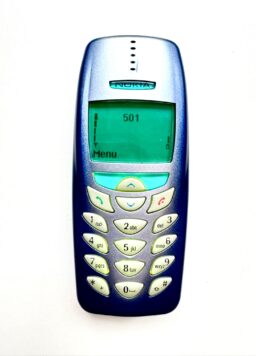
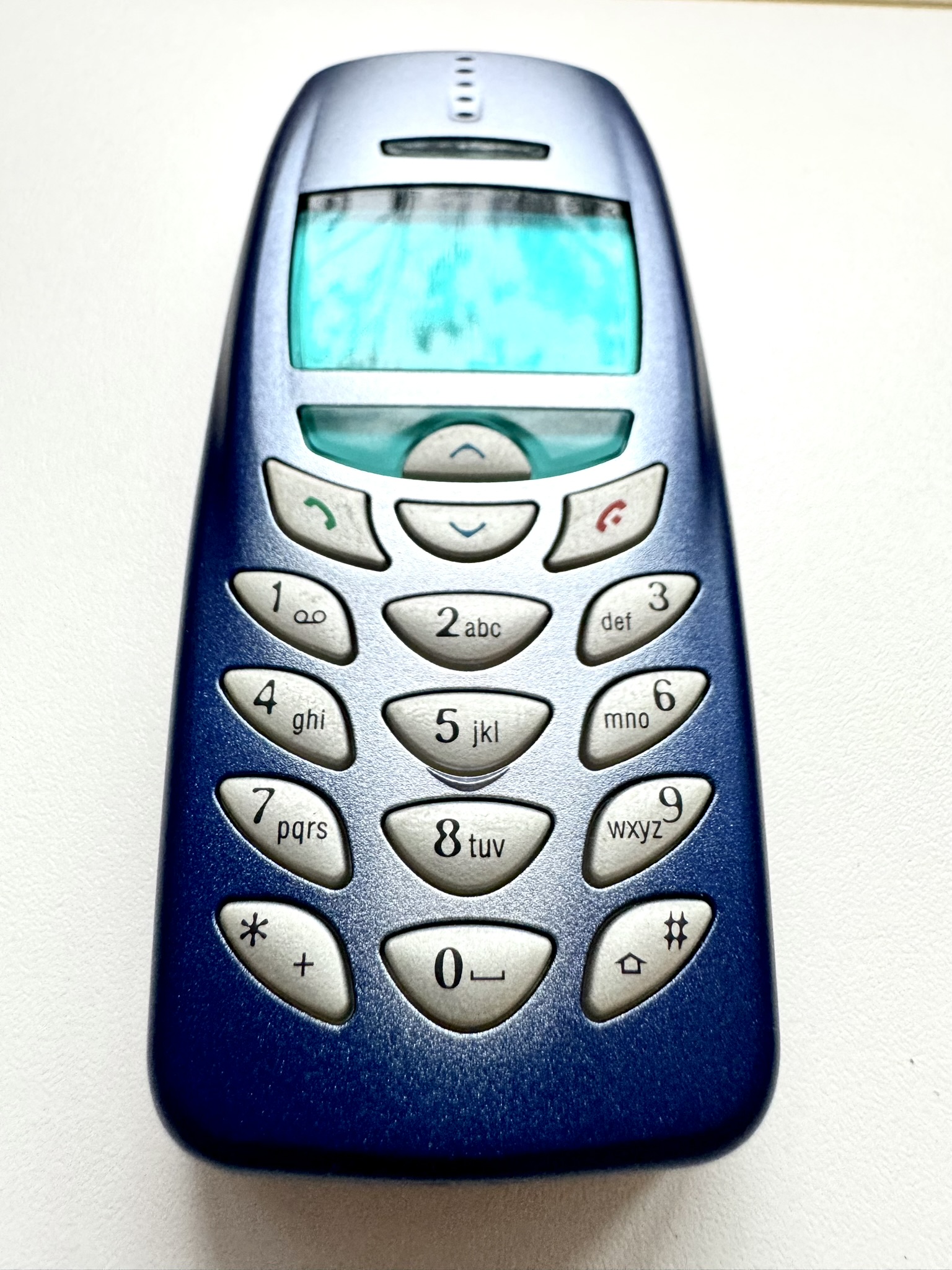
📰 Why this phone matters: A highly rare Nokia 3350 NHM-9NX prototype from the B-series engineering phase, carrying the internal codename “Ladybird”.
This B2.1 prototype predates the commercial Nokia 3350 by a significant margin and belongs to one of Nokia’s earliest functional validation waves – far earlier and far scarcer than the P-series engineering units.The B-series prototypes were used exclusively within Nokia’s R&D labs during the earliest stages of hardware and firmware development. These devices formed the foundation of the 3350 platform, serving for keypad matrix testing, UI logic integration, RF tuning, electrical stability checks, and early material experimentation. Units at this stage were never intended to leave Nokia’s possession.
This particular sample is exceptional thanks to:
PROTO – B2.1 designation (rare early engineering phase)
Internal model name “Ladybird”
Experimental blue housing with pre-production paint texture
Unreleased keypad variant, featuring a unique key-shape geometry and distinct iconography
Early-mould plastics not matching final production tolerances
Simplified internal regulatory labeling
?? Important rarity note:
The internal chassis dimensions of this B2.1 prototype differ from all later builds. No commercial Nokia 3350 back cover – and not even P-series prototype back covers – will fit this handset. This confirms that the device comes from an early hardware revision before Nokia finalized the external shell specifications. Such incompatibility is typical only for B-series engineering samples and dramatically increases its historical uniqueness.The blue front shell also features a colour tone not used in mass production, showing Nokia’s exploration of material finishes before final design locking.
As an early DCT-3 era engineering artefact, this B2.1 “Ladybird” prototype is exceptionally rare. With its unique housing geometry, non-final keypad, and unmatched chassis dimensions, it stands as a museum-grade piece that represents a developmental phase almost never seen outside Nokia’s own engineering teams.
A highly valuable and distinctive addition to any advanced Nokia prototype collection.
📝 Reviews when released: N/A 💔
-


Nokia 3410
Quick View💎 Rarity Index: D (Very Common)
👁 Evaluation in my collection: Good – 8.5/10
🕵 Nokia Codename: Dragonfly
⏱ Life timer: 6m | 📦 Boxed: YES
📅 Release Year: 2002 | 💰 Release Price: ~150 €
📊 Units Sold: ~7M
📰 Why this phone matters: The Nokia 3410 is a mobile phone made by Nokia being the successor of the popular Nokia 3310. It was announced at CEBIT on 12 March 2002.The 3410 was the first Java phone by Nokia, as well as being one of the earliest mobile phones outside Japan to feature 3D graphics and an image editor.The Nokia 3410 was never being released in Asia-Pacific due to the release of their variant of the 3310,called the Nokia 3315, which featured almost same design cues as from Nokia 3410.📝 Reviews when released: N/A 💔
-


Nokia 3510 Red Gaming
Quick View💎 Rarity Index: B (Uncommon)
⭐ WOW Factor: The first Nokia phone to bring GPRS internet services to mass market
👁 Evaluation in my collection: Great – 9/10
🕵 Nokia Codename: Pippi
⏱ Life timer: 53h | 📦 Boxed: NO
📅 Release Year: 2002 | 💰 Release Price: ~175$
📊 Units Sold: ~15M
📰 Why this phone matters: The Nokia 3510 is a mobile phone for the GSM network, introduced by Nokia on 12 March 2002.The phone was the first Nokia phone to bring GPRS internet services to the mass market.
The phone has a Nokia Series 30 96 x 65 user interface. The 3510 has the multi-button user interface of the classic Nokia 2110. Along with Nokia 7210, it was the first Nokia device on the mass market with polyphonic ringtones (they were already on the Nokia 7650).
GPRS is used for data transmission and mobile Internet WAP service. There was also a gaming-enhanced Xpress-on cover released as an official accessory for the 3510.📝 Reviews when released: N/A 💔
-


Nokia 3510 Pink
Quick View💎 Rarity Index: C (Common)
⭐ WOW Factor: The first Nokia phone to bring GPRS internet services to mass market
👁 Evaluation in my collection: Great – 9/10
🕵 Nokia Codename: Pippi
⏱ Life timer: 13h | 📦 Boxed: NO
📅 Release Year: 2002 | 💰 Release Price: ~175$
📊 Units Sold: ~15M
📰 Why this phone matters: The Nokia 3510 is a mobile phone for the GSM network, introduced by Nokia on 12 March 2002.The phone was the first Nokia phone to bring GPRS internet services to the mass market.
The phone has a Nokia Series 30 96 x 65 user interface. The 3510 has the multi-button user interface of the classic Nokia 2110. Along with Nokia 7210, it was the first Nokia device on the mass market with polyphonic ringtones (they were already on the Nokia 7650).
GPRS is used for data transmission and mobile Internet WAP service. There was also a gaming-enhanced Xpress-on cover released as an official accessory for the 3510.📝 Reviews when released: N/A 💔
-


Nokia 3510i Start Wars
Quick View💎 Rarity Index: A (Rare)
⭐ WOW Factor: The first Nokia phone with a color display
👁 Evaluation in my collection: BNIB – 10/10
🕵 Nokia Codename: Popeye
⏱ Life timer: 0m | 📦 Boxed: YES
📅 Release Year: 2002 | 💰 Release Price: ~200 $
📊 Units Sold: ~17M
📰 Why this phone matters: It was one of the first phones with a color display. The phone has a Nokia Series 30 96 x 65 user interface. The 3510 has the multi-button user interface of the classic Nokia 2110. Along with Nokia 7210, it was the first Nokia device on the mass market with polyphonic ringtones (they were already on the Nokia 7650).📝 Reviews when released: Mobile Review 🔗
-
Nokia 3610 Prototype B5.0 : Rare Lime Green Variant
Quick View💎 Rarity Index: S (Ultra Rare)
👁 Evaluation in my collection: Great – 9.5/10
🕵 Nokia Codename: LadyBird
⏱ Life timer: 12h | 📦 Boxed: NO
📅 Release Year: 2002 | 💰 Release Price: 150 €
📊 Units Sold: ~1M (final units)
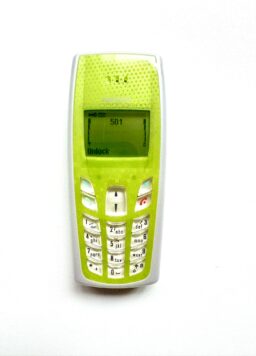
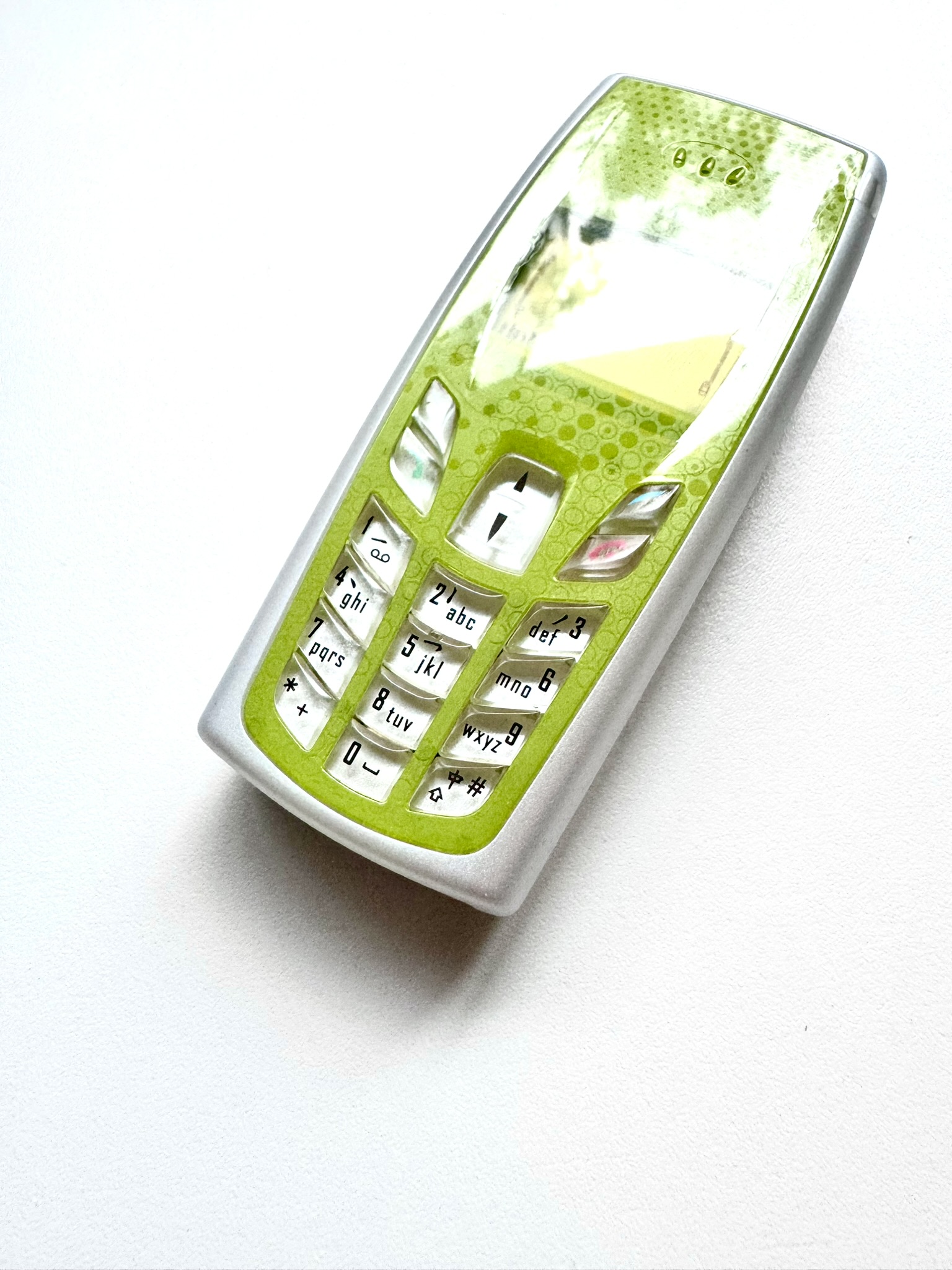
📰 Why this phone matters: A genuine Nokia 3610 Prototype B5.0 (Type NAM-1), originating from Nokia’s internal late engineering phase. The PROTO B5.0 marking, the blank Model field, and the early-format Nokia R&D label identify it as a true pre-production unit used for hardware validation, firmware testing, and RF checks before the model entered final approval.Although this prototype uses a housing and keypad identical to later retail versions, the internal label and hardware revision confirm its role as an authentic Nokia lab device – produced in small quantities and never intended for commercial distribution.
A compact but historically significant DCT4-era engineering sample, and a solid rarity for any serious Nokia prototype collection.
📝 Reviews when released: N/A 💔
-


Nokia 5210: The Outdoor Classic
Quick View💎 Rarity Index: C (Common)
⭐ WOW Factor: The only Nokia phone with an orange backlight for a monochrome display.
👁 Evaluation in my collection: TBD
🕵 Nokia Codename: Funky
⏱ Life timer: 17m | 📦 Boxed: NO
📅 Release Year: 2002 | 💰 Release Price: N/A
📊 Units Sold: ~4M
📰 Why this phone matters: The Nokia 5210 is Nokia’s definitive rugged classic, a phone built for tough conditions at a time when most handsets were still fragile and business-focused. Announced in late 2001 and released in early 2002, it combined dust, shock and water resistance with Nokia’s familiar Series 20 interface, delivering a device that could survive real-world abuse without sacrificing everyday usability.This full box blue unit showcases the 5210 exactly as it was originally sold, complete with its distinctive rubber Xpress-On shells. The blue housing with silver and black accents gives the phone a sporty, technical look, while the rubber exterior provides added grip and physical protection. Unlike typical monochrome Nokias of its era, the 5210 uses an orange backlight, making it instantly recognizable and giving it a unique visual identity in low light.
Technically, the 5210 offers more than just toughness. It features WAP over CSD, a built-in infrared interface for data transfer to compatible devices, and support for Nokia’s PC tools, allowing phonebook editing and SMS handling directly from a computer. The Series 20 software platform provides a full set of calling features, including last number redial, speed dial, conference calling, call waiting, hold, mute, transfer and end all calls, alongside productivity tools such as a calculator, countdown timer, stopwatch, thermometer and calendar.
One of the most unusual features of the 5210 is its built-in thermometer, which reads the internal temperature of the phone’s battery. While primarily a technical and diagnostic function, Nokia exposed it as a user feature, adding to the phone’s adventurous, tool-like character. Preloaded with classic games like Snake II, Space Impact, Bantumi, Pairs II and Bumper, the 5210 balances rugged functionality with entertainment.
Because the 5210 was intended for rough use, most units were heavily worn or damaged over time. A full box example in blue, preserved in excellent condition, is now a rare find and a strong piece for any serious Nokia or rugged mobile collection. It represents a moment when Nokia successfully merged durability, personality and technology into one unmistakable device: the Nokia 5210, the Rugged Classic.
📝 Reviews when released: N/A 💔
-


Nokia 6100
Quick View💎 Rarity Index: C (Common)
⭐ WOW Factor: The lightest Nokia phone with color display and a full 12-key keypad at the time
👁 Evaluation in my collection: New – 10/10
🕵 Nokia Codename: Maxwell
⏱ Life timer: 0m | 📦 Boxed: YES
📅 Release Year: 2002 | 💰 Release Price: ~350 $
📊 Units Sold: ~15M
📰 Why this phone matters: The Nokia 6100 was Nokia’s lightest phone with a full 12-key keypad at the time. Combined with its battery, it weighs only 76 grams (2.68 ounces) and measures 102 x 44 x 13.5 mm. Its smaller size compared with other contemporary phones might make it difficult for the elderly, or people with large fingers, to use its keypad. The phone supports Xpress-On covers, and is packaged along with any of 4 colours. Its feature set is very similar to the Nokia 7210, although with a more conservative design.📝 Reviews when released: Mobile Review 🔗