Showing 289–300 of 353 results
-
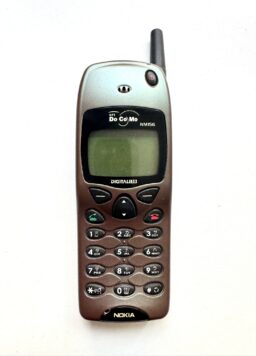
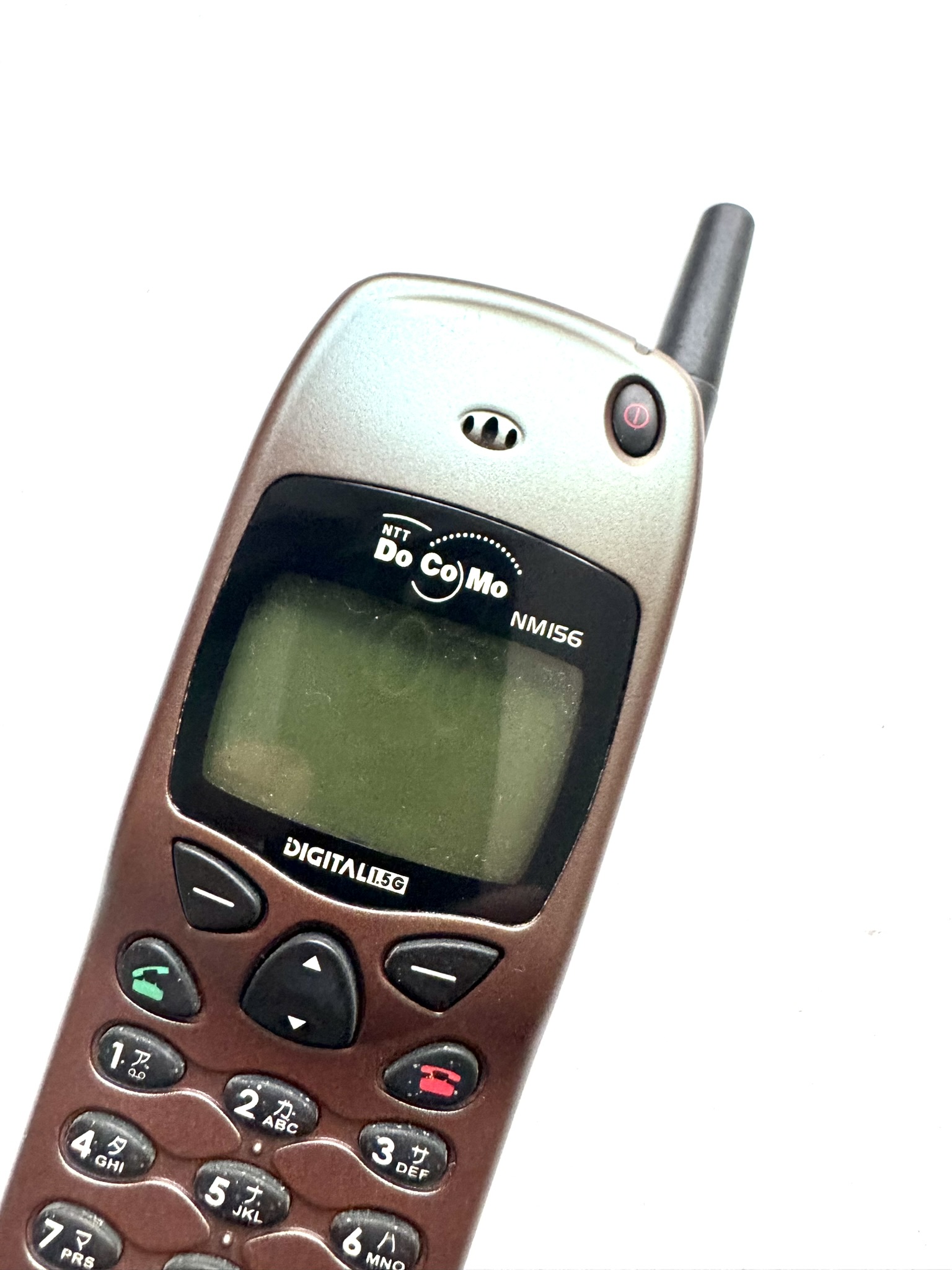
Nokia NM156: NTT DoCoMo Japan Exclusive (1998, Pearl Olive)
Quick ViewThe Nokia NM156 is one of the rarest Japan-exclusive Nokia models ever created. Designed for NTT DoCoMo’s PDC digital network in 1998 and manufactured in Finland, this model represents a very unusual chapter in Nokia’s history, when the company produced hardware specifically for Japan and not for the global GSM market.
Beyond its Pearl Olive finish and Japanese kana keypad, what makes this phone truly special is its documented production history. The internal Nokia type code NSY-3LX confirms the exact hardware platform used only for the NM15x PDC family, while the factory codes place this device in batch 048 of 1998, assembled in the Salo plant in Finland. With only 94 units assembled before this one in that batch, surviving examples like this are exceptionally difficult to find outside Japan.
Even more impressive, this particular unit still powers on correctly and allows you to navigate through the original menu despite the fact that PDC networks have long been discontinued. Functioning NM156 units are very scarce and highly sought after.
-
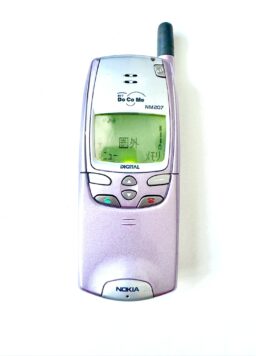
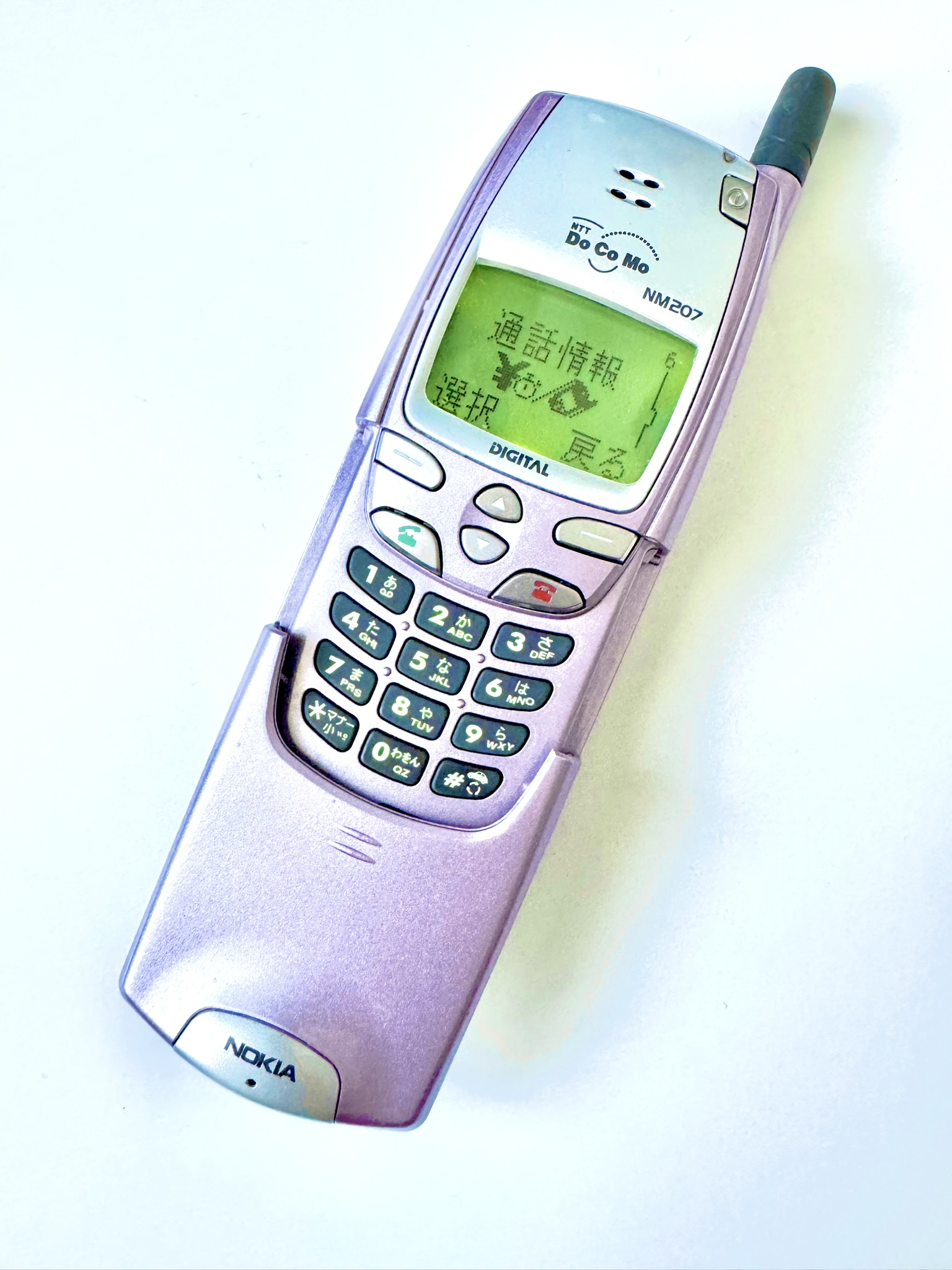
Nokia NM207 Docomo
Quick ViewNokia NM207 – compact 90s Nokia with mini-SIM, long standby battery and iconic monochrome screen, now a rare find for mobile phone collectors.
-


Nokia NM502i Docomo
Quick ViewNokia was not promoting?i-mode?widely in its portfolio. However, Japan market was important and Nokia introduced own models using?PDC?technology. This Nokia NM502i was developed for?NTT DoCoMo?and was introduced in premium category on March 28, 2002.
-


Nokia THR850
Quick ViewThe new Nokia THR850 is the most advanced TETRA handportable on the market – Perfect for businesses who need to rapidly manage their mobile work force. Whatever the situation, your Nokia THR850 will keep you at the center of things. Simply press-to-talk and you can be connected to your team easily and instantly, just like with a two-way radio anywhere the counry. The advanced group communication features let you manage co-operation with other groups. Activate scanning for monitoring communications of essential groups. Make use of group priorities and dynamic groups for fast and flexible teamwork.
-
Nokia Unknown Model Prototype DV1: RM-374 Model XXX | Unreleased
Quick ViewNokia RM-374 (TD-SCDMA Prototype) Unreleased Nokia engineering prototype developed for China Mobile’s TD-SCDMA 3G network around 2008. This unit is a PROTO DV1.0 device, marked “Property of Nokia – Not for sale,” with placeholder model designation “XXXX” and full TD-SCDMA radio support. Built for early network and RF testing during Nokia’s China-exclusive 3G development program, it never reached public release. Extremely rare, as few TD-SCDMA prototypes escaped internal use and most were destroyed.
-
Nokia Unknown Model Prototype: CodeName Kabaka | Unreleased
Quick ViewNokia NPM-3NA “Caballa” – Unreleased 3G Prototype (2001)
The Nokia NPM-3NA is an extremely rare, unreleased prototype developed around 2001 during Nokia’s early work on Japan’s first 3G network, NTT DoCoMo’s FOMA. Built in very small internal batches, this device was used for radio testing, firmware evaluation and UI experiments, and was never certified or intended for public sale.
Running prototype firmware V55.40 (31-10-01) with the internal ? NMP signature and showing an unassigned IMEI (??????????????), the phone carries all hallmarks of an engineering sample. The internal hardware label NE8_06 / HW0250 suggests a development board related to NEC, a major DoCoMo technology partner in the early W-CDMA era. Its long extendable antenna and unique keypad design match the style of early FOMA trial devices, such as NEC’s X2001V.
With no public documentation, no final RM code, and no retail equivalent, the NPM-3NA stands as a rare glimpse into Nokia’s abandoned Japanese-market 3G program. A genuine collector-grade prototype, extremely uncommon and historically significant for anyone interested in unreleased Nokia hardware or the origins of modern 3G technology.
-


Nokia X3-00
Quick ViewA multimedia-oriented mobile phone produced by Nokia. It comes with stereo-wide speakers, built-in FM radio with RDS, a standard 3.5 mm audio jack, media player and 3.2 megapixel camera
-


Nokia X3-02
Quick ViewThe Nokia X3 Touch and Type also known as Nokia X3-02 is a mobile telephone handset produced by Nokia. This is the first mobile handset released by Nokia that possesses a touchscreen in a “candybar” phone form factor. It is also the first touchscreen handset from Nokia that runs the Series 40 operating system. Previously released touchscreen devices from Nokia have either not had a physical keyboard, or they have had a slide-out, full-QWERTY keyboard. It was introduced on 13 August 2010 as one of the most advanced Series 40 devices in terms of features and specifications.
There is also hardware upgrade version available of this phone, which can be identified from RM-775 and X3-02.5 codes in the sticker which can be found under the battery. The X3-02.5 (RM-775) differences compared to X3-02 (RM-639) are: 1GHz CPU vs 680 MHz CPU, 256 MB ROM vs 128 MB ROM and 128 MB RAM vs 64 MB RAM.
-
Nokia X5-00 Prototype | China Mobile
Quick ViewNokia X5-00 China Mobile Prototype – The Forgotten Chinese Exclusive
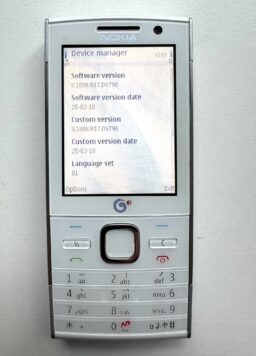
In 2010, Nokia was still pursuing one of its most ambitious strategies: developing unique mobile phones specifically for individual markets. While much of the world was becoming familiar with Nokia’s Xseries multimedia devices, the Chinese market received something entirely different – the Nokia X5-00, a distinctive Symbian smartphone created exclusively for China Mobile’s TD-SCDMA network.
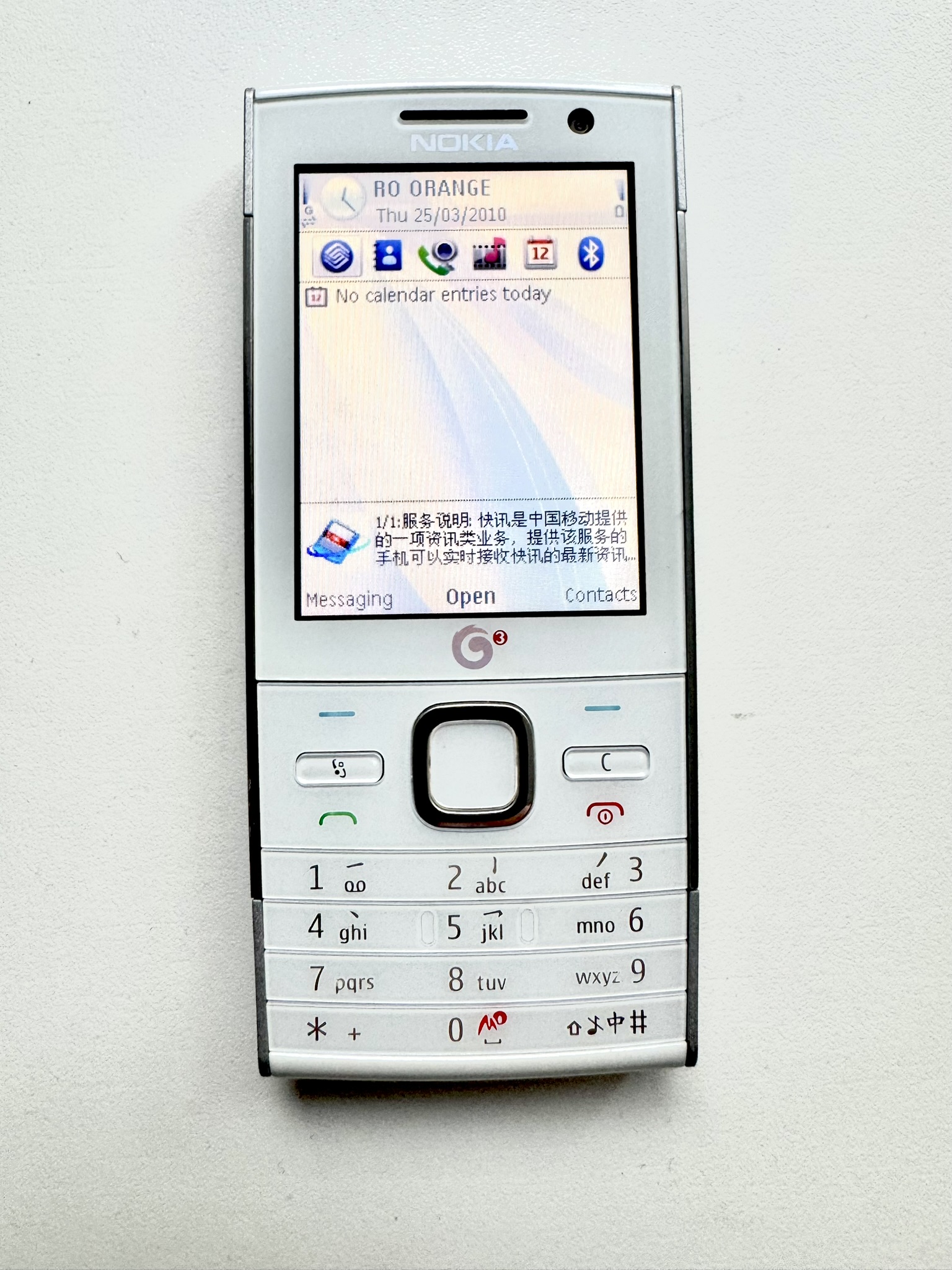
Unlike the internationally released Nokia X5-01, with its unusual square design and sliding QWERTY keyboard, the X5-00 featured a traditional candybar form factor, a 2.4-inch display, a 5-megapixel autofocus camera with dual LED flash and a strong focus on music and multimedia entertainment. Its brushed-metal appearance, dedicated music functionality and China Mobile G3 branding gave it an identity rarely encountered outside its intended market.
This particular unit is a fascinating pre-production prototype, preserving an early example of Nokia’s China-specific development program. One of its most interesting details is the installed firmware, version 0.1008.R17.DV790, dated February 25, 2010 – several months before the device reached the Chinese market. The early software build, together with the distinctive China Mobile interface, offers an intriguing glimpse into the device’s development period.
The handset retains numerous details associated with its original market, including Chinese characters on the keypad, China Mobile branding on the rear housing and the recognizable G3 logo beneath the display. Its software also includes operator-specific applications and services, reflecting the close collaboration between Nokia and China Mobile at a time when both companies were investing heavily in China’s emerging 3G ecosystem.
What makes this specimen especially compelling is the combination of its restricted geographical market, distinctive hardware design and pre-release software history. While the commercial X5-00 was already an uncommon sight outside China, surviving development units offer an even more unusual connection to Nokia’s market-specific engineering efforts.
For collectors, the Nokia X5-00 represents a largely overlooked chapter of the Xseries story – one in which Nokia was creating fundamentally different devices for different parts of the world, rather than simply adapting the same handset with regional software.
A forgotten Chinese exclusive, an early development specimen and a fascinating reminder that some of Nokia’s most interesting creations were never intended for the global market.
-
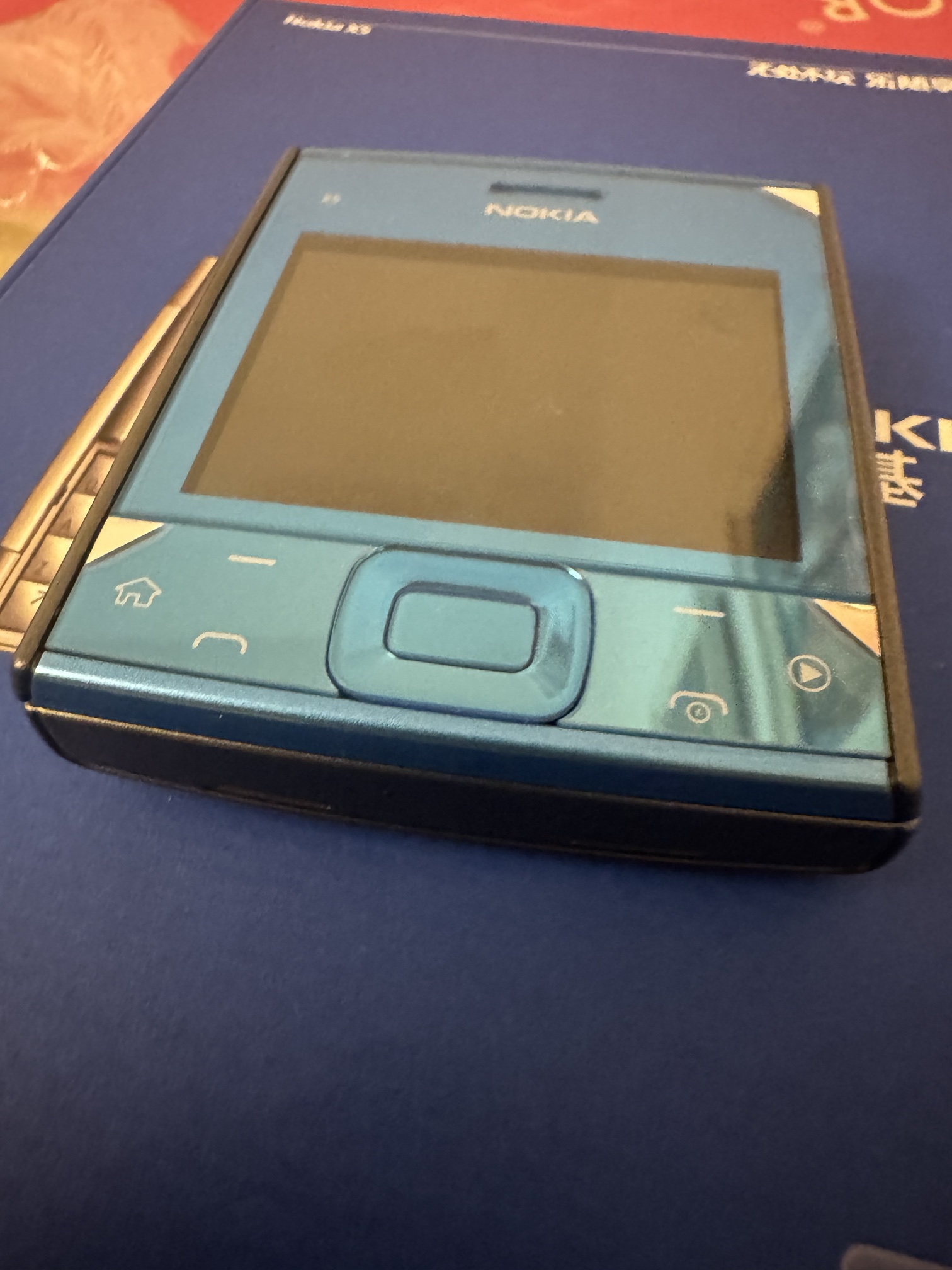
Nokia X5-01 Blue
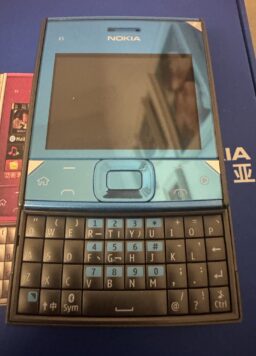
Quick ViewA brand new, never used Nokia X5-01 in Azure: genuine BNIB, not “like new”. The phone still sits in its original protective wrap inside the Chinese retail box, with every accessory sealed in its bag: Nokia BL-5F battery, charger, stereo headset and manuals.
The X5-01 was one of Nokia’s most unconventional designs: a compact square slider built for music lovers and messaging addicts. Its unique form factor hid a full QWERTY keyboard under a smooth slide mechanism, while the 5 MP camera, dedicated music controls and loud stereo output made it stand out in Nokia’s lineup.
This unit is the China-market version (WCDMA, Type RM-627), with the Chinese keypad and box, manufactured on 30 December 2010. The metallic Azure finish is the rarest of the X5 colours, and finding one still untouched, complete and boxed is extremely difficult today.
A small device with surprising personality, in the best condition a collector can ask for.
-
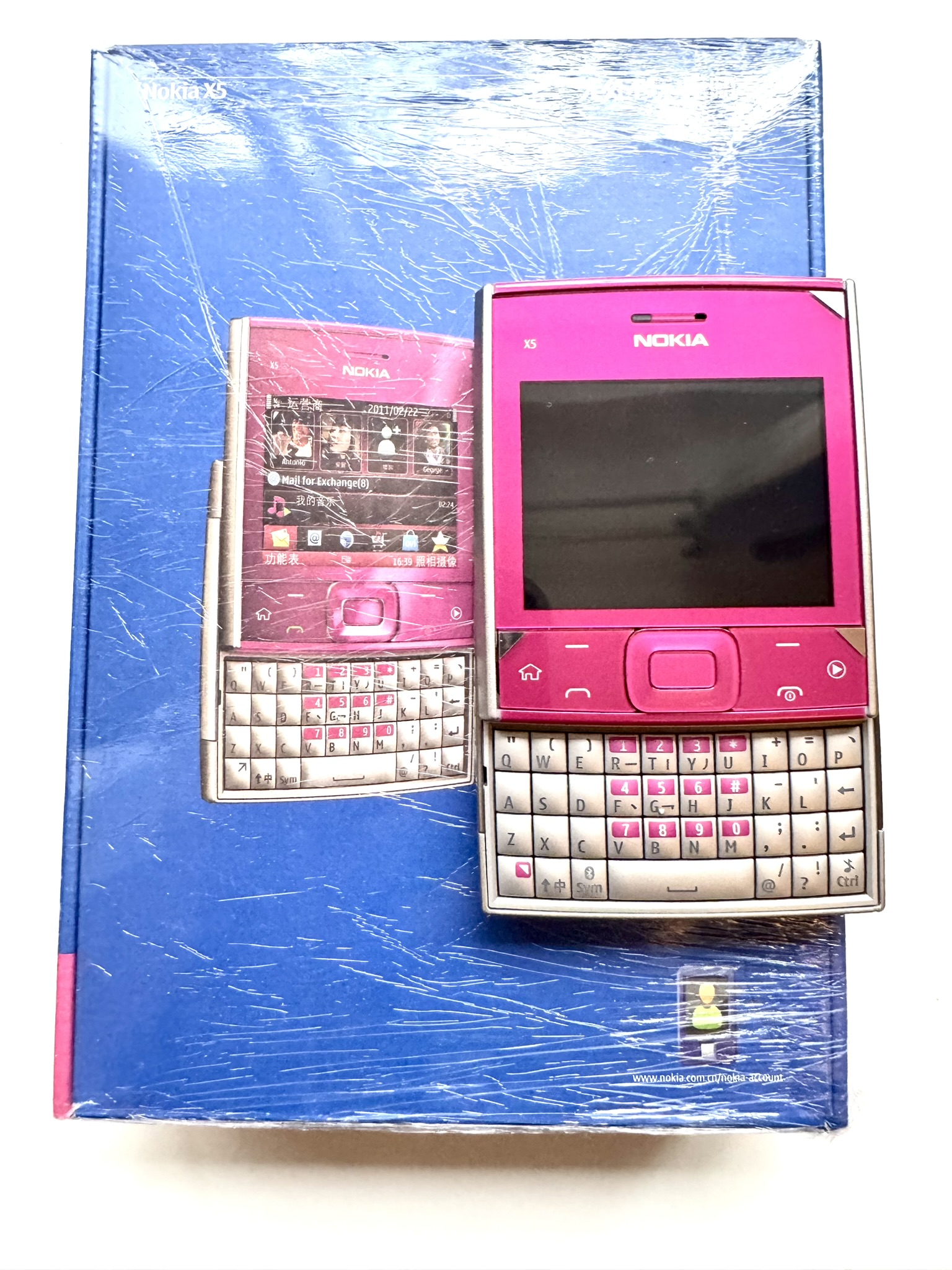
Nokia X5-01 Pink
Quick ViewA rare BNIB Nokia X5-01 in Pink, one of Nokia’s most unconventional designs – a compact square slider built for music lovers and messaging addicts. Its unique form factor hid a full QWERTY keyboard under a smooth slide mechanism, while the 5 MP camera, dedicated music controls, and loud stereo output made it stand out in Nokia’s lineup.
More than just a phone, the X5-01 was created as a social companion: pocket-small, instantly recognizable, and designed to be both playful and functional. The metallic pink finish makes this variant even more collectible, especially in untouched BNIB condition.
A small device with surprising personality – blending a bold square design, a clever QWERTY slider, and a strong multimedia engine in a way no other Nokia ever attempted.
-


Nokia X7
Quick ViewThe Nokia X7-00 is a Symbian^3 smartphone from the Nokia Xseries. It is the first Xseries phone with Nokia’s Symbian^3 platform and it shipped with the Anna update. It is also the successor to X6, which was the previous multimedia touchscreen phone, with similar features and specifications in the series. The X7-00 was announced on 12 April 2011,alongside the Nokia E6.