

">

Showing 97–108 of 110 results
-


Nokia N93
Quick View💎 Rarity Index: A (Rare)
⭐ WOW Factor: The most advanced camera phone from Nokia at the time of its release
👁 Evaluation in my collection: As New – 10/10
🕵 Nokia Codename: Gundam
⏱ Life timer: 0 | 📦 Boxed: YES
📅 Release Year: 2006 | 💰 Release Price: ~750 €
📊 Units Sold: ~800k
📰 Why this phone matters: Nokia N93 is a smartphone from Nokia, part of the multimedia Nseries. It was introduced on 25 April 2006 and released in July 2006. It runs on Symbian OS v9.1 and the S60 3rd Edition interface. It was the most advanced camera phone from Nokia at the time of its release, and was particularly marketed for its camcorder, packed in its unique swivel design like its predecessor Nokia N90.The N93 improved upon camera capabilities over the N90. The phone has a 3.2-megapixel camera, Carl Zeiss optics and 3x optical zoom (the first Nokia phone to have it) as well as a 30 fps 640×480 (VGA) MPEG-4 video recording capability.
It was succeeded by the Nokia N93i.
📝 Reviews when released: Mobile Review 🔗
-


Nokia N93i
Quick View💎 Rarity Index: A (Rare)
⭐ WOW Factor: The first Nokia phone seen in the movie Transformers in 2007
👁 Evaluation in my collection: BNIB – 10/10
🕵 Nokia Codename: Gundam Shrink
⏱ Life timer: 08s | 📦 Boxed: YES
📅 Release Year: 2007 | 💰 Release Price: ~750 €
📊 Units Sold: ~500k
📰 Why this phone matters: The Nokia N93i features a 3.2-megapixel camera, Carl Zeiss optics, 3x optical zoom and digital video stabilization. The ability to create “DVD-like videos” at 30 frames per second with MPEG4 technology and share them on the 2.4-inch display. The Nokia N93i can be connected to a compatible TV using direct TV out connectivity or via Wireless LAN and UPnP technology. The N93i also features a digital stereo microphone, music player and FM stereo radio, dual mode WCDMA/GSM and triband GSM coverage on up to five continents (EDGE/GSM 900/1800/1900 + WCDMA 2100 MHz networks).An N93i is seen in the 2007 movie, Transformers. It is the device used to demonstrate the AllSpark’s capability of turning any electronic device into a living robot. This phone turned out to be a Decepticon tiny but deadly robot.The N93i used a different marketing strategy by incorporating Dallas based punk rock band Greyskull in its APAC campaign. Running an on-line competition in which contestants could submit their own videos to the band’s songs. Ads featuring the band Greyskull were run in newspapers and commercials on MTV Asia.
During the 2007 Cannes Lions Advertising Festival, camera crews using Nokia N93i devices tagged along with the Young Creative Film Competitors on their 48-hour mission to shoot a 30-second commercial, also using the Nokia N93i, for MTV SWITCH, a campaign from MTV Networks International designed to educate and encourage alternative options to help save the planet. With 40 hours of content filmed on the Nokia N93i, the footage was edited into an exclusive behind the scenes documentary, “Short Film Shootout: Cannes”, which was available for broadcast on MTV’s 61 TV channels across 161 countries on 20 December 2007.
📝 Reviews when released: Mobile Review 🔗
-
Nokia N93i Black
Quick View💎 Rarity Index: S (Ultra Rare)
⭐ WOW Factor: The first Nokia phone seen in the movie Transformers in 2007
👁 Evaluation in my collection: BNIB – 10/10
🕵 Nokia Codename: Gundam Shrink
⏱ Life timer: 08s | 📦 Boxed: NO
📅 Release Year: 2007 | 💰 Release Price: ~750 €
📊 Units Sold: ~500k
📰 Why this phone matters: The Nokia N93i in Black is one of those Nokia colourways that completely redefines the device character. While the silver version feels openly consumer facing, the deep glossy piano black finish gives this model a far more discreet executive and almost prototype grade presence. This is a look that was never widely seen in circulation and is precisely why experienced collectors actively hunt for it. Introduced in early 2007, the N93i did exist in several colours, but the black variant was produced and distributed in noticeably smaller quantities and appears far less frequently on the secondary market, especially in untouched condition. This particular unit is especially remarkable as it shows 0 minutes and 0 seconds on the internal call timer, a detail that strongly suggests the device was never used beyond factory testing and places it closer to a preserved time capsule than a typical collectible phone. In the current collector landscape, where most surviving N93i units show heavy wear, replaced housings, or visible usage, an unused black N93i stands out as a rare survivor from Nokia peak design era, representing a moment when premium materials, restrained colour choices, and long term durability defined what a flagship device was meant to be.📝 Reviews when released: Mobile Review 🔗
-
Nokia N95 8GB BNIB: “Alderaan”.The Multimedia Powerhouse That Defined a Generation
Quick View💎 Rarity Index: B (Uncommon)
⭐ WOW Factor: The first Nokia phone with a built-in Global Positioning System (GPS) receiver
👁 Evaluation in my collection: BNIB – 10/10
🕵 Nokia Codename: Aino
⏱ Life timer: 0 | 📦 Boxed: YES
📅 Release Year: 2007 | 💰 Release Price: ~500 €
📊 Units Sold: ~4M
📰 Why this phone matters: The Nokia N95 8GB (RM-320) is widely regarded as the definitive and most perfected version of the original N95. This particular unit is BNIB, untouched since it left Nokia’s factory in Finland, making it one of the most desirable variants ever produced.While the first N95 shocked the world with dual-slide controls, GPS, Wi-Fi and a 5 MP Carl Zeiss autofocus camera, the N95 8GB went far beyond a simple memory upgrade. It is in fact a deep hardware refresh disguised as a cosmetic revision.
Internally, the RM-320 uses a redesigned motherboard with improved power management, a new memory configuration and an integrated 8 GB soldered flash package. According to engineering documentation referenced on LPCWiki, this redesign required new trace routing, a different memory controller setup and a strengthened slider rail structure. This makes the N95 8GB a significantly more advanced device under the hood than the N95-1.
The device also introduced hardware-accelerated 3D graphics via the PowerVR MBX Lite core, working together with the OMAP 2420 platform and its DSP media engine. At the time, this combination created one of the earliest smartphones capable of true console-like graphics and smooth video playback.
Display size also increased to 2.8 inches, giving the phone a more modern look and better multimedia usability. The removal of the microSD slot was not a downgrade but a design restructuring: Nokia shifted to internal storage specifically to improve performance, stability, transfer speed and reliability.
The N95 8GB also benefited from Nokia’s Location Platform 1.0, enabling A-GPS, offline vector maps and early positioning APIs. This was years before modern mobile navigation became standard, making the N95 series one of the earliest pioneers of smartphone location services.
For collectors, the Finland-made RM-320 units are the most desirable. Initial batches were produced in relatively small volumes before manufacturing was relocated. Being BNIB and Finnish-built puts this piece in the highest tier of collectible Nseries devices.
📝 Reviews when released: Mobile Review 🔗
-


Nokia N95-1
Quick View💎 Rarity Index: C (Common)
⭐ WOW Factor: The first Nokia phone with a built-in Global Positioning System (GPS) receiver
👁 Evaluation in my collection: Great – 9.5/10
🕵 Nokia Codename: Aino
⏱ Life timer: 165h | 📦 Boxed: NO
📅 Release Year: 2007 | 💰 Release Price: ~500 €
📊 Units Sold: ~8M
📰 Why this phone matters: The N95 was a high-end model that was marketed as a “multimedia computer”, much like other Nseries devices.It featured a then-high 5 megapixel resolution digital camera with Carl Zeiss optics and with a flash, as well as a then-large display measuring 2.6 inches. It was also Nokia’s first device with a built-in Global Positioning System (GPS) receiver, used for maps or turn-by-turn navigation, and their first with an accelerometer. It was also one of the earliest devices in the market supporting HSDPA (3.5G) signals.📝 Reviews when released: Mobile Review 🔗
-


Nokia N96
Quick View💎 Rarity Index: C (Common)
👁 Evaluation in my collection: Great – 9.7/10
🕵 Nokia Codename: Lumiere
⏱ Life timer: 136h | 📦 Boxed: NO
📅 Release Year: 2008 | 💰 Release Price: ~500 €
📊 Units Sold: ~3M
📰 Why this phone matters: Nokia N96 is a high-end smartphone, announced by Nokia on February 11, 2008 at the Mobile World Congress in Barcelona, part of the Nseries line.The N96 runs on the updated Symbian OS v9.3 (S60 3rd Edition, FP2). It is compatible with the N-Gage 2.0 gaming platform and also has a DVB-H television tuner.
Compared to the popular Nokia N95 8GB, the N96 has a doubled flash storage capacity (16 gigabytes), dual LED flash in the camera, and has a slimmer design. However critics had negative views on the N96’s battery life and user-unfriendlyness and its downgraded CPU clock speed raised questions.It was one of 2008’s most anticipated mobile phones, but its launch was delayed and was only widely available from October 2008.It is thus considered to have been a commercial failure.Critics felt that the Nokia N85 provided more new additions compared to the N96 for much cheaper.📝 Reviews when released: Mobile Review 🔗
-
Nokia N96 Prototype B3.0 | Unreleased N00 label
Quick View💎 Rarity Index: S (Ultra Rare)
👁 Evaluation in my collection: Great – 9.7/10
🕵 Nokia Codename: Lumiere
⏱ Life timer: 136h | 📦 Boxed: NO
📅 Release Year: 2008 | 💰 Release Price: ~500 €
📊 Units Sold: ~3M (final units)
📰 Why this phone matters: Nokia N96 is a high-end smartphone, announced by Nokia on February 11, 2008 at the Mobile World Congress in Barcelona, part of the Nseries line.The N96 runs on the updated Symbian OS v9.3 (S60 3rd Edition, FP2). It is compatible with the N-Gage 2.0 gaming platform and also has a DVB-H television tuner.
Compared to the popular Nokia N95 8GB, the N96 has a doubled flash storage capacity (16 gigabytes), dual LED flash in the camera, and has a slimmer design. However critics had negative views on the N96’s battery life and user-unfriendlyness and its downgraded CPU clock speed raised questions.It was one of 2008’s most anticipated mobile phones, but its launch was delayed and was only widely available from October 2008.It is thus considered to have been a commercial failure.Critics felt that the Nokia N85 provided more new additions compared to the N96 for much cheaper.📝 Reviews when released: Mobile Review 🔗
-
Nokia NM156: NTT DoCoMo Japan Exclusive (1998, Pearl Olive)
Quick View💎 Rarity Index: A (Rare)
👁 Evaluation in my collection: Good – 8.5/10
⏱ Life timer: N/A | 📦 Boxed: NO
📅 Release Year: 1998 | 💰 Release Price: N/A
📊 Units Sold: ~60k
📰 Why this phone matters: The Nokia NM156 is one of the rarest Japan-exclusive Nokia models ever created. Designed for NTT DoCoMo’s PDC digital network in 1998 and manufactured in Finland, this model represents a very unusual chapter in Nokia’s history, when the company produced hardware specifically for Japan and not for the global GSM market.Beyond its Pearl Olive finish and Japanese kana keypad, what makes this phone truly special is its documented production history. The internal Nokia type code NSY-3LX confirms the exact hardware platform used only for the NM15x PDC family, while the factory codes place this device in batch 048 of 1998, assembled in the Salo plant in Finland. With only 94 units assembled before this one in that batch, surviving examples like this are exceptionally difficult to find outside Japan.
Even more impressive, this particular unit still powers on correctly and allows you to navigate through the original menu despite the fact that PDC networks have long been discontinued. Functioning NM156 units are very scarce and highly sought after.
📝 Reviews when released: N/A 💔
-
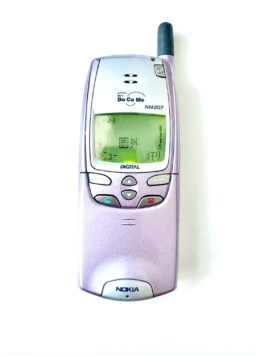
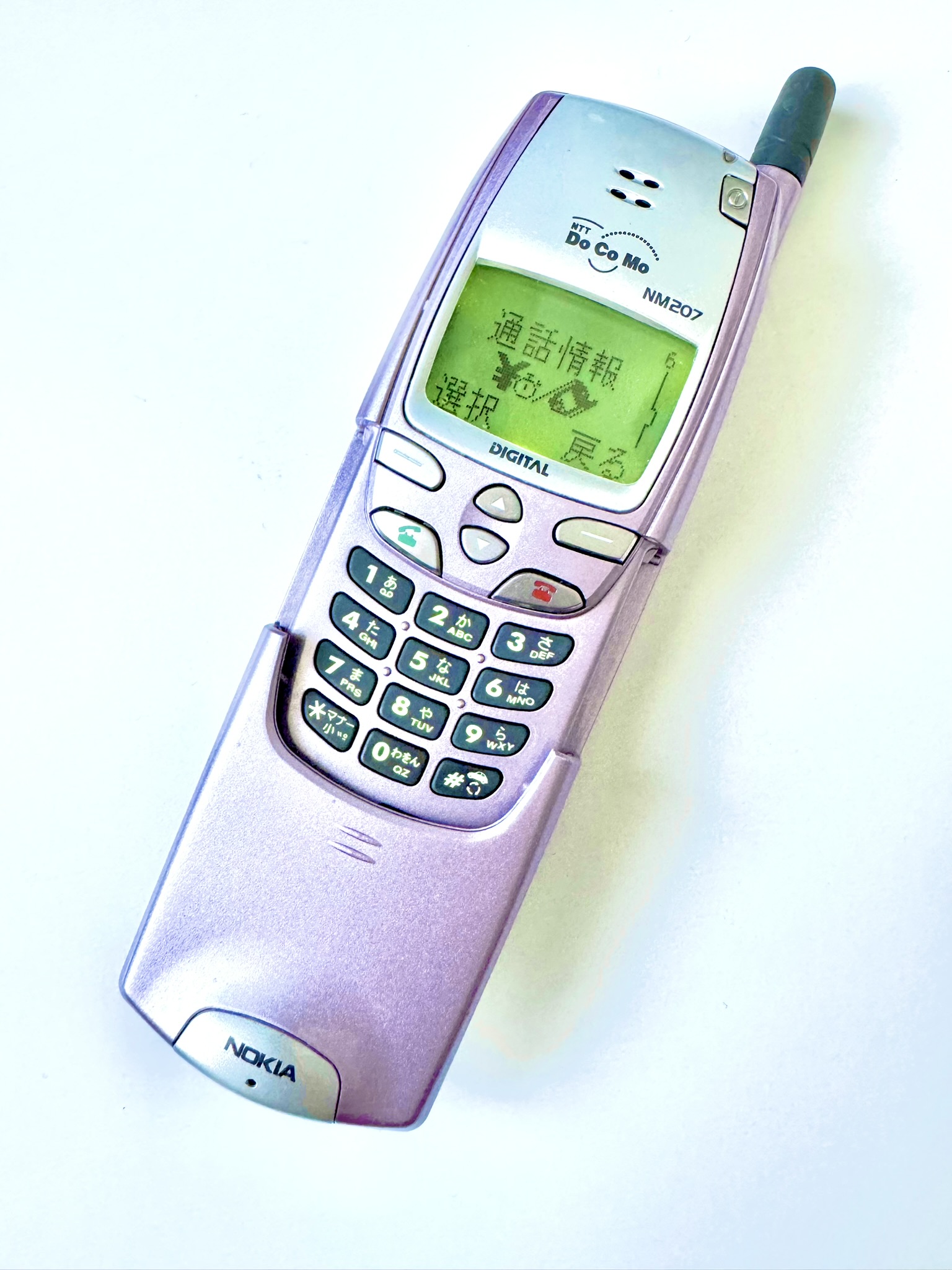
Nokia NM207 Docomo
Quick View💎 Rarity Index: A (Rare)
👁 Evaluation in my collection: As New – 9.9/10
⏱ Life timer: 0m | 📦 Boxed: YES
📅 Release Year: 2000 | 💰 Release Price: N/A
📊 Units Sold: ~80k
📰 Why this phone matters: Nokia NM207 – compact 90s Nokia with mini-SIM, long standby battery and iconic monochrome screen, now a rare find for mobile phone collectors.📝 Reviews when released: N/A 💔
-


Nokia NM502i Docomo
Quick View💎 Rarity Index: A (Rare)
👁 Evaluation in my collection: As New – 9.9/10
⏱ Life timer: 0m | 📦 Boxed: NO
📅 Release Year: 2000 | 💰 Release Price: N/A
📊 Units Sold: ~100k
📰 Why this phone matters: Nokia was not promoting?i-mode?widely in its portfolio. However, Japan market was important and Nokia introduced own models using?PDC?technology. This Nokia NM502i was developed for?NTT DoCoMo?and was introduced in premium category on March 28, 2002.📝 Reviews when released: Nokia Museum 🔗
-


Nokia Ringo 3
Quick View💎 Rarity Index: A (Rare)
👁 Evaluation in my collection: BNIB SEALED – 10/10
⏱ Life timer: 0 | 📦 Boxed: YES
📅 Release Year: 1998 | 💰 Release Price: N/A
📊 Units Sold: ~1M
📰 Why this phone matters: The Nokia rinGo was designed to be easy to use straight out of the box and was cheap to buy, due to special mobile carrier tariffs.[An ETACS version of the rinGo with minor design changes was launched in 1997 in the United Kingdom and Austria. It was the UK’s first pay as you go Nokia handset through Vodafone’s pay as you talk package. It was also sold in Thailand under the name Wave900.
In press releases it was also called a ‘concept’, a way of easily buying and using a mobile phone without operator registration. Nokia unusually created a unique “rinGo” brand and logo for it. ater in October 1998 a third (NHX-7) model was released for ETACS in Italy and Spain (the latter via operator Moviline). It featured the “Navi-key” like on the GSM Nokia 3110 and Nokia 5110 and had its top antenna positioned in the middle.
Nokia rinGo 3
The phones have the capacity to store about 60 contacts. Calculator, Watch and Calendar were pre installed on the handset.Nokia marketed original rinGo targeting women and children. However it gained a negative reputation and in Sweden earned the nickname “bimbo phone”, leading to low sales.Interest and popularity of the rinGo quickly faded and it has been largely forgotten since.
📝 Reviews when released: N/A 💔
-


Nokia THR850
Quick View💎 Rarity Index: A (Rare)
👁 Evaluation in my collection: Good – 8/10
⏱ Life timer: N/A | 📦 Boxed: NO
📅 Release Year: 2007 | 💰 Release Price: 1050 €
📊 Units Sold: ~100k
📰 Why this phone matters: The new Nokia THR850 is the most advanced TETRA handportable on the market – Perfect for businesses who need to rapidly manage their mobile work force.
Whatever the situation, your Nokia THR850 will keep you at the center of things. Simply press-to-talk and you can be connected to your team easily and instantly, just like with a two-way radio anywhere the counry. The advanced group communication features let you manage co-operation with other groups. Activate scanning for monitoring communications of essential groups. Make use of group priorities and dynamic groups for fast and flexible teamwork.📝 Reviews when released: OpperMann 🔗