

">

Showing 25–36 of 51 results
-


Nokia 7500 Prism Prototype B3.0: Engineering Sample | Unreleased Gray Colour
Quick View💎 Rarity Index: X (Mystical Prototype)
⭐ WOW Factor:
👁 Evaluation in my collection: Great – 9.5/10
🕵 Nokia Codename: Scorpion
⏱ Life timer: 4m | 📦 Boxed: NO
📅 Release Year: 2007 | 💰 Release Price: ~230 €
📊 Units Sold: ~1M (final units)
📰 Why this phone matters: Nokia 7500b Prism – RM-250 PROTOTYPE (Codename: SCORPION) – a genuine engineering sample from Nokia’s internal development program. Features prototype IMEI (004401?), HWID exposure, pre-final RF labeling, and early R&D markings. This unit also includes a rare, unreleased graphite/metallic grey prototype housing used only on SCORPION pre-production builds before final Prism colours were approved. A highly valuable and historically significant prototype from the Prism design era📝 Reviews when released: Mobile Review 🔗
-


Nokia 7500 Prism Swarovski : Never Sold
Quick View💎 Rarity Index: S (Ultra Rare)
⭐ WOW Factor:
👁 Evaluation in my collection: Great – 9.5/10
🕵 Nokia Codename: Scorpion
⏱ Life timer: 1h | 📦 Boxed: NO
📅 Release Year: 2007 | 💰 Release Price: N/A
📊 Units Sold: 0 units
📰 Why this phone matters: Nokia 7500 Prism (RM-249, codename SCORPION) – a rare China event-edition custom unit created for Nokia’s Our Internet Life 2008 exhibitions. Built on a genuine Made-in-Finland 7500 Prism mainboard (product code 0544425), this piece features the unique crystal-studded front and back housings used in Nokia’s fashion and design showcases in Beijing and Shanghai. The diamond-grid pattern was hand-decorated specifically for promotional display and was never released as a commercial product. With its authentic hardware, precise crystal layout, and event-only aesthetic, this is one of the rarest and most visually distinctive variations of the SCORPION Prism family.📝 Reviews when released: Mobile Review 🔗
-
Nokia 7710 Full Box: Future Ahead of Its Time
Quick View💎 Rarity Index: A (Rare)
⭐ WOW Factor: The first Nokia released phone with touch screen
👁 Evaluation in my collection: Great – 9.5/10
🕵 Nokia Codename: Remix
⏱ Life timer: N/A | 📦 Boxed: YES
📅 Release Year: 2005 | 💰 Release Price: N/A
📊 Units Sold: ~500k
📰 Why this phone matters: The Nokia 7710 is a smartphone announced on 2 November 2004.It was the first Nokia device with a touchscreen, and first device with 2:1 aspect ratio display.The 7710 is based on the Nokia 7700 which was never released. It is Nokia’s only smartphone to run the Series 90 interface atop Symbian OS v7.0s.📝 Reviews when released: Mobile Review 🔗
-
Nokia 7710 Prototype F4.0: Future ahead of its Time | Unreleased Black Keypad
Quick View💎 Rarity Index: X (Mystical Prototype)
⭐ WOW Factor: The first Nokia released phone with touch screen
👁 Evaluation in my collection: Great – 9.5/10
🕵 Nokia Codename: Remix
⏱ Life timer: N/A | 📦 Boxed: NO
📅 Release Year: 2005 | 💰 Release Price: N/A
📊 Units Sold: ~500k (final units)
📰 Why this phone matters: A rare and impeccably preserved Nokia 7710 RM-12 F4.0 prototype, belonging to the final stage of Nokia’s pre-production cycle for the iconic Series 90 touchscreen smartphone.
This F4.0 unit – clearly marked PROTO and Property of Nokia – originates from Nokia’s internal validation program, used during the last wave of field testing, UI refinement and RF certification before the public release in 2005.Unlike retail units, this prototype features an unreleased keypad colour variant, with silver-toned navigation and side-control keys replacing the standard glossy black retail trim. This experimental colourway never reached commercial production, making this device a standout among surviving prototypes. The front bezel also shows the slightly grainier, matte finish characteristic of late hardware trials inside Nokia’s labs.
As with all authentic high-grade prototypes, the label carries the signature “Model: XXXX” placeholder, missing consumer certifications, serial markings and final manufacturing codes. These elements confirm it as a genuine internal unit, built in Finland during the last engineering revision of the platform.
The Nokia 7710 was Nokia’s most ambitious early touchscreen smartphone – a widescreen 640×320 device running the innovative Series 90 interface on Symbian OS. The prototype here predates the public release, offering collectors a rare glimpse into Nokia’s transition from experimental UI concepts to finalized commercial design.
This F4.0 RM-12 prototype is an exceptional find: a fully authentic late-stage engineering device with a unique, unreleased keypad trim, placing it among the rarest surviving 7710 variants and a valuable centrepiece for any advanced vintage Nokia collection.
📝 Reviews when released: Mobile Review 🔗
-
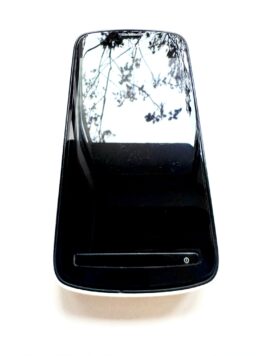

Nokia 808 PureView Prototype PreB2.0 :The Birth of PureView
Quick View💎 Rarity Index: S (Ultra Rare)
⭐ WOW Factor: This phone was the first in mobile history to break the 40 MP barrier.
👁 Evaluation in my collection: As New – 9.8/10
⏱ Life timer: N/A | 📦 Boxed: NO
📅 Release Year: 2012 | 💰 Release Price: ~800$
📊 Units Sold: ~1M (final units)
📰 Why this phone matters: The Nokia 808 PureView is already a landmark device in mobile history, but this unit takes that legacy to an entirely different level. This is not a retail phone. It is a genuine internal Nokia RM-807 prototype, a PreB2 development device marked Model 000 and stamped Property of Nokia Not For Sale. It represents one of the earliest hardware and firmware iterations used inside the company while engineers were finalizing the PureView imaging engine that would shock the industry in 2012.This unit includes everything expected from a true Nokia RnD sample: a 004402 prototype IMEI, an early HWID board, an internal PSN, an unreleased product code, and the proto.nokia.com branding on the front glass. It was never meant for public hands. Very few of these survived destruction protocols once the final hardware entered mass production. The phone is fully working and in new condition, even though it was used originally as a development tool.
The camera module alone makes this device a collector dream. The 41 MP PureView sensor is one of the most celebrated camera innovations ever put in a phone, and on a prototype the imaging stack often behaves differently, using pre release oversampling, early noise tuning, and unique processing steps that never made it into consumer firmware. Notes from Nokia imaging engineers confirm that early builds sometimes produced sharper, noisier, or more experimental photo profiles compared to retail firmware. Nokia jumped directly to 41 megapixels, a number so absurd for the time that most reviewers in 2012 thought it was a typo. This was the moment the industry realized that Nokia’s imaging division was operating on an entirely different level.
Inside, this RM-807 prototype keeps the classic single SIM layout. One slot is used for the micro SIM card and the second slot is a microSD bay for storage expansion, not a second SIM. Together with the white shell, the absence of retail markings, and the Model 000 labeling, this configuration underlines its role as a lab platform rather than a sales unit. Fully working and preserved, it captures a moment in mobile history that can never be replicated, standing as one of the rarest forms of the last true Symbian flagship ever created.
📝 Reviews when released: Engadget 🔗
-
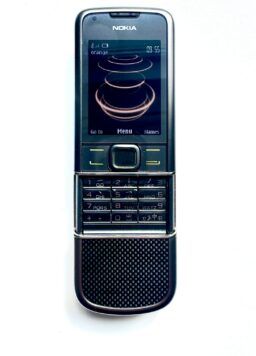
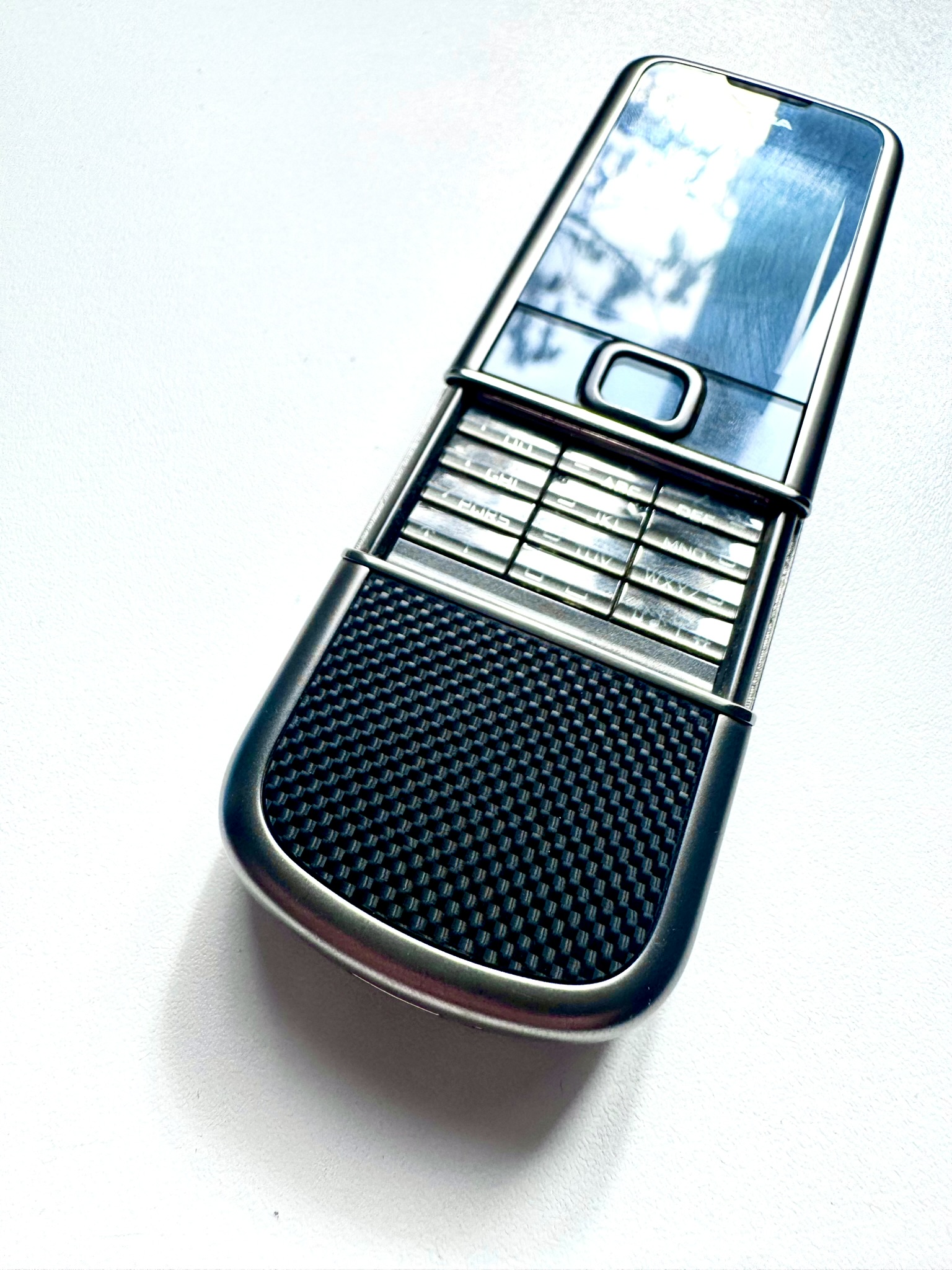
Nokia 8800 Arte Carbon
Quick View💎 Rarity Index: A (Rare)
⭐ WOW Factor: The slider plate is real carbon fiber, not printed texture.
👁 Evaluation in my collection: Great – 9/10
🕵 Nokia Codename: Skira
⏱ Life timer: 83h | 📦 Boxed: NO
📅 Release Year: 2008 | 💰 Release Price: ~1500 €
📊 Units Sold: ~300k
📰 Why this phone matters: Nokia 8800 Carbon Arte (RM-233) – released in 2008 as one of Nokia’s most prestigious luxury devices. Built with real carbon fiber, a titanium-tinted stainless steel frame, scratch-resistant glass and a precision slider mechanism. Equipped with a 4GB internal storage, OLED display and tap-to-time gesture, the Carbon Arte stands at the top of Nokia’s Arte luxury line. A rare and highly collectible model📝 Reviews when released: Mobile Review 🔗
-
Nokia 8800 Arte Saphire Prototype
Quick View💎 Rarity Index: S (Ultra Rare)
⭐ WOW Factor: The central key uses real sapphire crystal, extremely scratch-resistant.
👁 Evaluation in my collection: Great – 9/10
🕵 Nokia Codename: Skira
⏱ Life timer: 83h | 📦 Boxed: NO
📅 Release Year: 2008 | 💰 Release Price: ~1500 €
📊 Units Sold: ~300k (final units)
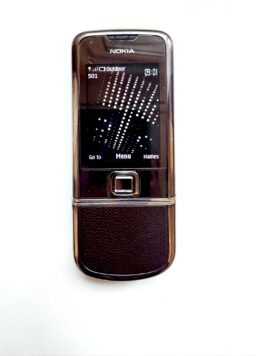
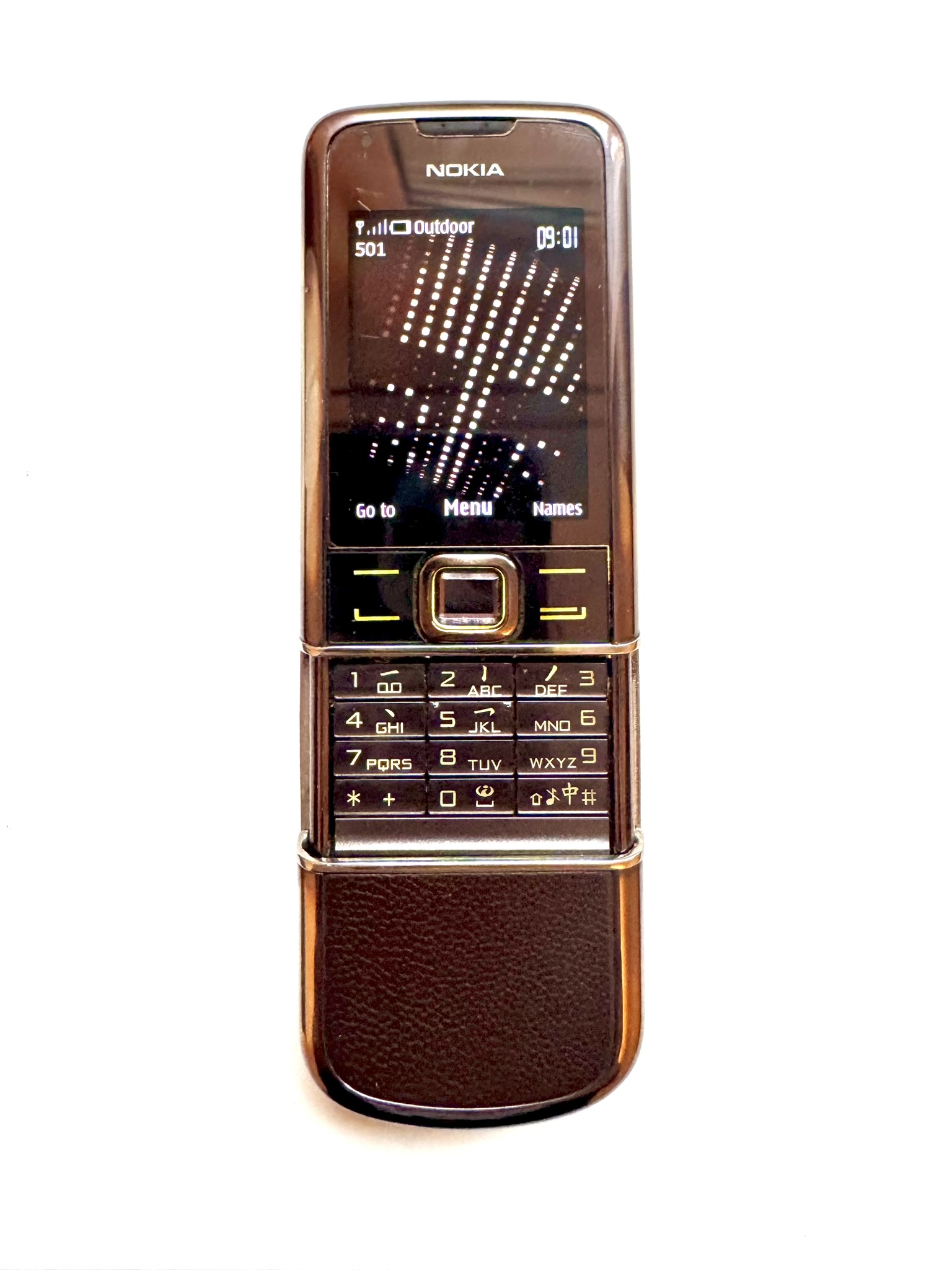
📰 Why this phone matters: Nokia 8800 Sapphire Arte (RM-461) – the China-market edition of Nokia’s luxury Arte line, featuring a genuine sapphire crystal navigation key, real brown leather back cover, stainless-steel frame and the elegant mocha-brown titanium finish specific to this variant. Built in 2008 with a 1GB internal memory layout and the premium Series 40 Arte interface, this model was engineered for the Asian GSM market and operates on regional 2G frequencies (900/1800), unlike the global 8800e models which use quad-band hardware. Part of Nokia’s final luxury slider family, the Sapphire Arte remains one of the most refined and collectible 8800 variants ever produced📝 Reviews when released: Mobile Review 🔗
-


Nokia 8800 Special Edition
Quick View💎 Rarity Index: S (Ultra Rare)
⭐ WOW Factor: The Nokia 8800 introduced a precision ball-bearing sliding system inspired by luxury watchmaking.
👁 Evaluation in my collection: Great – 9.5/10
🕵 Nokia Codename: Q
⏱ Life timer: 326h | 📦 Boxed: YES
📅 Release Year: 2006 | 💰 Release Price: ~850 €
📊 Units Sold: ~800k
📰 Why this phone matters: Nokia 8800 Special Edition (RM-13) – a premium stainless-steel slider phone handmade in Nokia’s Salo (Finland) factory and featuring a precision ball-bearing sliding mechanism, mineral glass display and exclusive sound design by Ryuichi Sakamoto. This rare Special Edition variant includes a brushed steel backplate with engraved branding and was produced in limited numbers. A true luxury icon of the mid-2000s, combining exceptional materials with Nokia’s Series 40 premium interface📝 Reviews when released: N/A 💔
-
Nokia 8850 Gold
Quick View💎 Rarity Index: A (Rare)
👁 Evaluation in my collection: Great – 9/10
⏱ Life timer: N/A | 📦 Boxed: NO
📅 Release Year: 1999 | 💰 Release Price: N/A
📊 Units Sold: ~1.5M
📰 Why this phone matters: The Nokia 8850 is a mobile phone handset manufactured by Nokia. It was a light alloy-bodied enhanced version of Nokia 8210 model with slider protection of the keypad and white lighting of the keypad and screen. The 8850 is considered to be an un-repairable phone, thus resulting in very few active handsets in the market.It was introduced as a successor of an earlier model, the chrome phone Nokia 8810.
It was succeeded by the Nokia 8910, which was released in 2002.📝 Reviews when released: N/A 💔
-

Nokia 9000iL Communicator: The Iconic Mobile Office
Quick View💎 Rarity Index: S (Ultra Rare)
⭐ WOW Factor: Nokia 9000iL isn’t just a collector phone –
it’s the U.S.-exclusive, upgraded version of the world’s first smartphone,
manufactured in Finland and equipped with advanced Internet capabilities that didn’t exist on the original 9000.
A true landmark device.👁 Evaluation in my collection: Great – 9.5/10
⏱ Life timer: N/A | 📦 Boxed: NO
📅 Release Year: 1997 | 💰 Release Price: ~1500 $
📊 Units Sold: ~150k
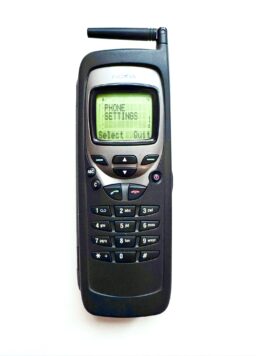
📰 Why this phone matters: The Nokia 9000iL Communicator is the rarest and most advanced version of the first-generation Communicator family. Released in 1997-1998 for the U.S. market only, it delivered true mobile computing capabilities years before any competitor. At a time when phones could barely handle SMS, the 9000iL could send email, browse early web pages, access corporate servers, send/receive faxes, and run productivity tools – all while doubling as a fully functional GSM phone.Powered by an Intel 486-class processor and running the GEOS-based Nokia Communicator OS, the 9000iL was essentially a miniature laptop disguised as a phone. Its iconic clamshell design with an external phone interface and a wide internal LCD display made it instantly recognizable – and a status symbol for professionals who needed real mobile data in the late 90s.
Your unit, with its pristine RAB-4N label, Made in Finland stamp, and correct IMEI layout, is exactly the type of 9000iL that U.S. carriers imported in controlled quantities. It is a foundational piece of mobile history and a must-have for any serious Nokia collector.
📝 Reviews when released: N/A 💔
-
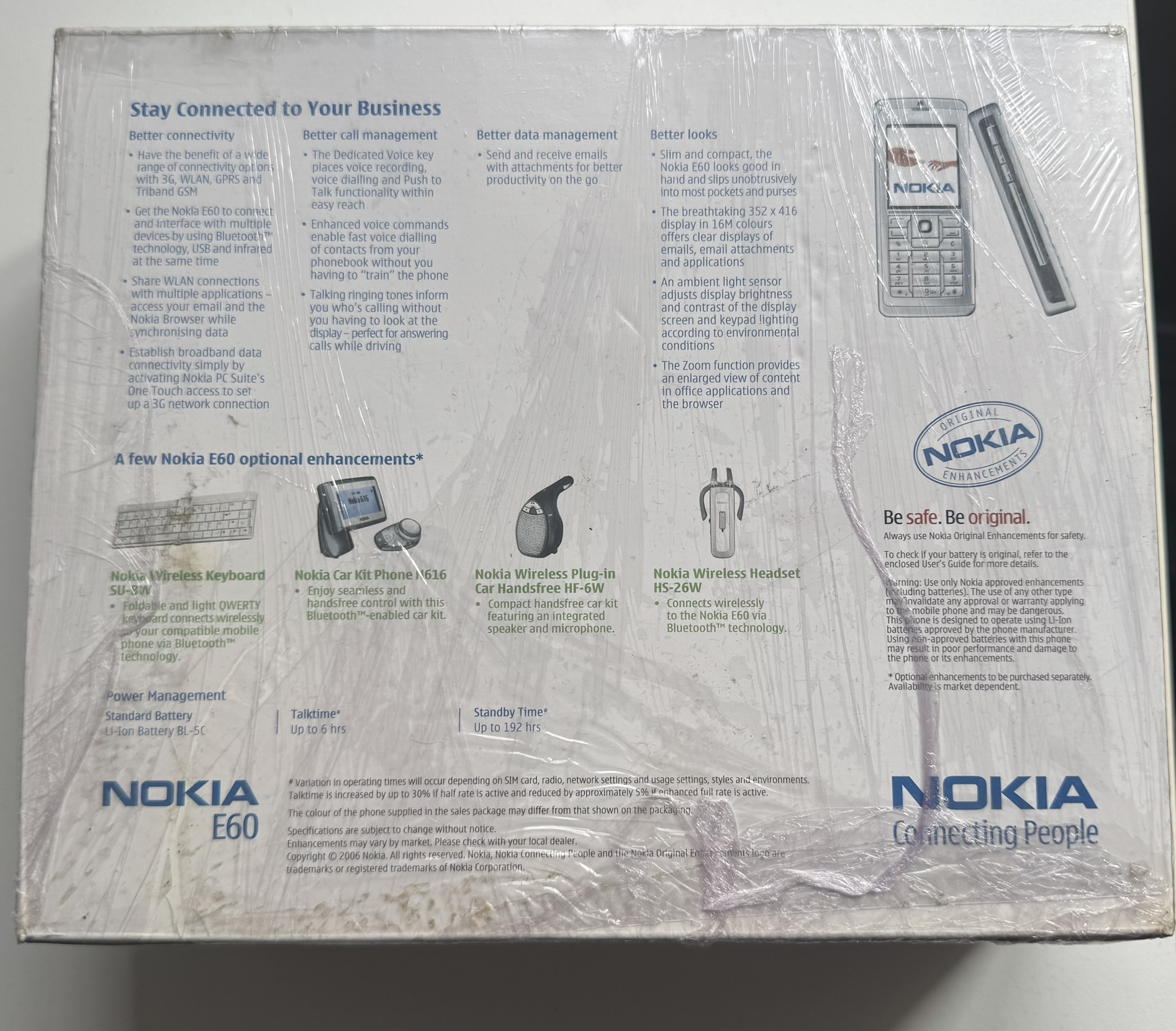
Nokia E60: Sealed Australia Variant BNIB
Quick View💎 Rarity Index: S (Ultra Rare)
👁 Evaluation in my collection: Great – 9.5/10
🕵 Nokia Codename: Mars
⏱ Life timer: 0m | 📦 Boxed: NO
📅 Release Year: 2006 | 💰 Release Price: N/A
📊 Units Sold: ~500k
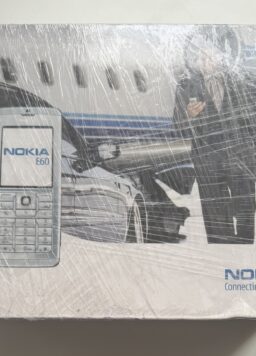
📰 Why this phone matters: This unit is an exceptionally rare sealed Nokia E60 from the Australia market, preserved in untouched BNIB condition. The E60 was Nokia’s pure business flagship, a Symbian S60 3rd Edition device built without a camera for use in secure enterprise environments, from financial institutions to restricted industrial sites. The large 352×416 display, metal construction and corporate-grade hardware defined the early Eseries approach to mobile productivity.As an Australia variant, this unit carries the region’s specific labeling and certification marks, reflecting Nokia’s APAC distribution of enterprise devices. Nearly all E60 phones were deployed in heavy-use corporate environments, making sealed retail examples virtually impossible to find today. This unopened box protects a complete and unhandled device exactly as it left Nokia’s distribution pipeline, complete with its regional accessories and packaging.
For collectors, the sealed condition elevates this E60 into a true time capsule: a high-spec business smartphone from an era when Nokia dominated enterprise mobility. Its camera-free design, powerful connectivity suite and advanced VoIP capabilities made it a unique hardware configuration even when new, and today it stands as one of the most elusive Eseries devices to acquire in untouched form.
📝 Reviews when released: Mobile Review 🔗
-
Nokia N70: RM-99 China No-Front-Camera Edition
Quick View💎 Rarity Index: S (Ultra Rare)
⭐ WOW Factor: A curious contradiction: N70 was marketed worldwide as a 3G video-calling device, but this variant removes the front camera entirely
👁 Evaluation in my collection: As New – 10/10
🕵 Nokia Codename: Rolf – for the standard N70
⏱ Life timer: 0m | 📦 Boxed: NO
📅 Release Year: 2005 | 💰 Release Price: ~400$
📊 Units Sold: ~200k
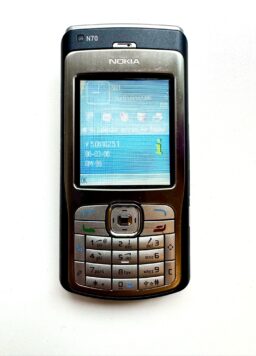
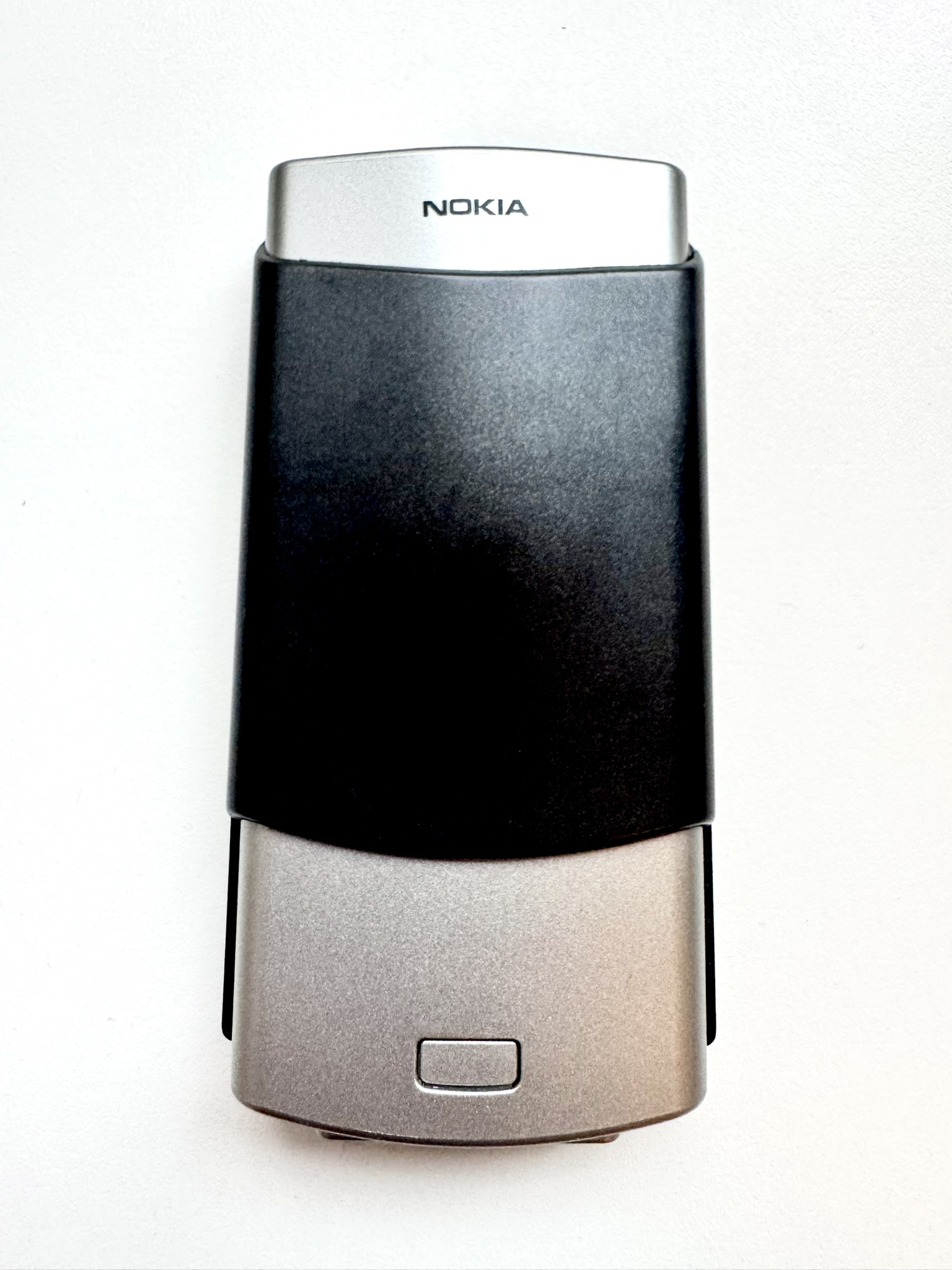
📰 Why this phone matters: The Nokia N70 RM-99 is one of the rarest and most unusual regional variants of Nokia’s early Symbian smartphone line. While the global N70 is known for its 3G capabilities and front-facing video camera, this China-market RM-99 edition removes the front camera entirely, resulting in a cleaner, simplified design not found in any Western release.RM-99 identifies a dedicated China-market hardware and firmware platform. This variant includes Chinese firmware languages, dedicated SAR certifications, local product codes, and a keypad printed with Chinese characters. These changes make the RM-99 version completely distinct from the RM-84 and RM-92 global models, both technically and visually.
This unit is fully working and appears in new condition. The dark-silver and charcoal color scheme gives it a different personality compared to the standard eur;opean N70, while the absence of the front camera further reinforces its uniqueness. The label confirms full CMIIT approval for China, an RM-99 type identifier, and Nokia’s original factory manufacturing codes.
The RM-99 N70 represents a rare and region-specific chapter in Nokia’s history, capturing the transition between 2.5G markets and the global shift toward 3G. Its unusual configuration, Chinese firmware, and non-export nature make it one of the hardest N70 variants to find worldwide.
📝 Reviews when released: CNET 🔗