

">

Showing 13–24 of 51 results
-
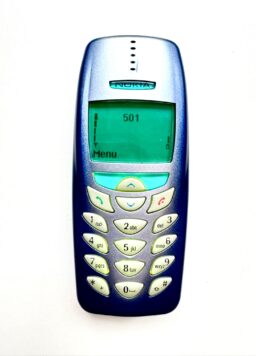
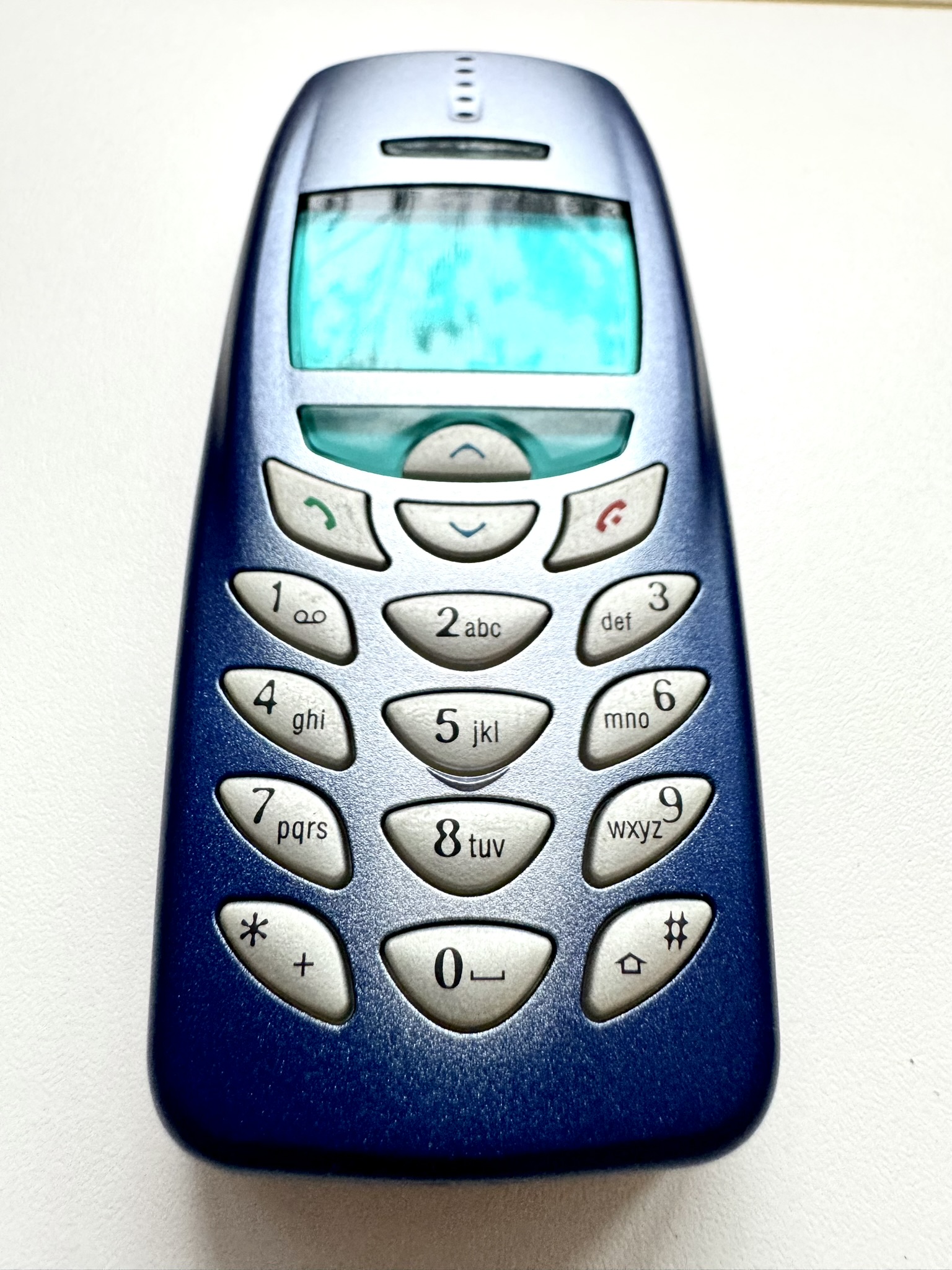
Nokia 3350 Prototype B2.1 : “Ladybird” Early Engineering
Quick View💎 Rarity Index: S (Ultra Rare)
👁 Evaluation in my collection: New – 10/10
🕵 Nokia Codename: LadyBird
⏱ Life timer: 0 | 📦 Boxed: NO
📅 Release Year: 2002 | 💰 Release Price: N/A
📊 Units Sold: ~8M (final units)
📰 Why this phone matters: A highly rare Nokia 3350 NHM-9NX prototype from the B-series engineering phase, carrying the internal codename “Ladybird”.
This B2.1 prototype predates the commercial Nokia 3350 by a significant margin and belongs to one of Nokia’s earliest functional validation waves – far earlier and far scarcer than the P-series engineering units.The B-series prototypes were used exclusively within Nokia’s R&D labs during the earliest stages of hardware and firmware development. These devices formed the foundation of the 3350 platform, serving for keypad matrix testing, UI logic integration, RF tuning, electrical stability checks, and early material experimentation. Units at this stage were never intended to leave Nokia’s possession.
This particular sample is exceptional thanks to:
PROTO – B2.1 designation (rare early engineering phase)
Internal model name “Ladybird”
Experimental blue housing with pre-production paint texture
Unreleased keypad variant, featuring a unique key-shape geometry and distinct iconography
Early-mould plastics not matching final production tolerances
Simplified internal regulatory labeling
?? Important rarity note:
The internal chassis dimensions of this B2.1 prototype differ from all later builds. No commercial Nokia 3350 back cover – and not even P-series prototype back covers – will fit this handset. This confirms that the device comes from an early hardware revision before Nokia finalized the external shell specifications. Such incompatibility is typical only for B-series engineering samples and dramatically increases its historical uniqueness.The blue front shell also features a colour tone not used in mass production, showing Nokia’s exploration of material finishes before final design locking.
As an early DCT-3 era engineering artefact, this B2.1 “Ladybird” prototype is exceptionally rare. With its unique housing geometry, non-final keypad, and unmatched chassis dimensions, it stands as a museum-grade piece that represents a developmental phase almost never seen outside Nokia’s own engineering teams.
A highly valuable and distinctive addition to any advanced Nokia prototype collection.
📝 Reviews when released: N/A 💔
-


Nokia 3810: The Lost Asian Shadow of the 3110
Quick View💎 Rarity Index: S (Ultra Rare)
⭐ WOW Factor: A true APAC-market ghost model, the Nokia 3810 exists as a secret evolution of the 3110, built on a unique NHE-8A hardware branch, sold only through selected Asian operators, and so rare today that even many hardcore collectors have never seen a real one outside archival photos.
👁 Evaluation in my collection: Good – 8.5/10
⏱ Life timer: NA | 📦 Boxed: NO
📅 Release Year: 1998 | 💰 Release Price: ~11000 PHP
📊 Units Sold: ~1M
📰 Why this phone matters: Nokia 3810 is one of the most obscure and region-locked handsets Nokia ever released, a model that at first sight looks like a Nokia 3110 from the late 90s, but in reality is a completely different device built specifically for the Southeast Asian market. Created around late 1998 to early 1999 for operators like Globe Telecom in the Philippines and Singtel in Singapore, it was never part of Nokia’s global roadmap and never appeared in eur;opean or American catalogs.Internally, the 3810 belongs to the extended NHE-8A platform, a rare fork of the 3110 architecture that Nokia used only for operator-specific customizations. Unlike typical localized firmware builds, this model has a modified PCB layout, different RF filters, region-specific power amplifiers, and firmware adjusted for hot and congested GSM-900 networks in Asia. The firmware also contains unique operator menus, a different startup behavior, and a SIM Toolkit implementation that the original 3110 did not have.
Visually, the 3810 shares the silhouette of the 3110, but key differences immediately confirm it as its own device. It has a redesigned navigation cluster, different soft keys, a unique lower mask, and a housing made from a thicker, more rubberized plastic type. These material changes were intentional, allowing the phone to survive the high humidity and heat typical of Southeast Asia. The keypad layout is also subtly different, confirming that this is not a housing replacement but a dedicated mold used only for this variant.
The 3810 was priced below the 5110 and slightly below the original 3110 in the APAC region, typically selling around PHP 7000 to 9000, often bundled with prepaid or SIM activation packages. Because Nokia kept production extremely limited and distributed the model only through operator channels, most units were used heavily and eventually scrapped. Almost none were exported, and very few examples have survived in clean or working condition. Today it stands as one of the rarest late 90s Nokias, more elusive than many prototypes, and almost never seen in Western collections.
The unit presented here is a remarkable surviving example, displaying Globe firmware on boot and all the unique hardware traits of the genuine 3810 platform. More than just a variant, it represents a hidden branch of Nokia history, a fully official model that Nokia itself barely acknowledged and one that existed only because regional operators demanded a slightly more modern, network-optimized alternative to the aging 3110. Devices like this highlight how complex Nokia’s APAC strategy truly was and why some of the rarest Nokias were never sold outside their home markets.
📝 Reviews when released: Mobile Review 🔗
-
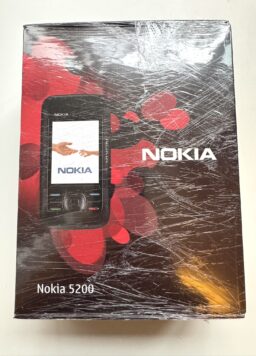
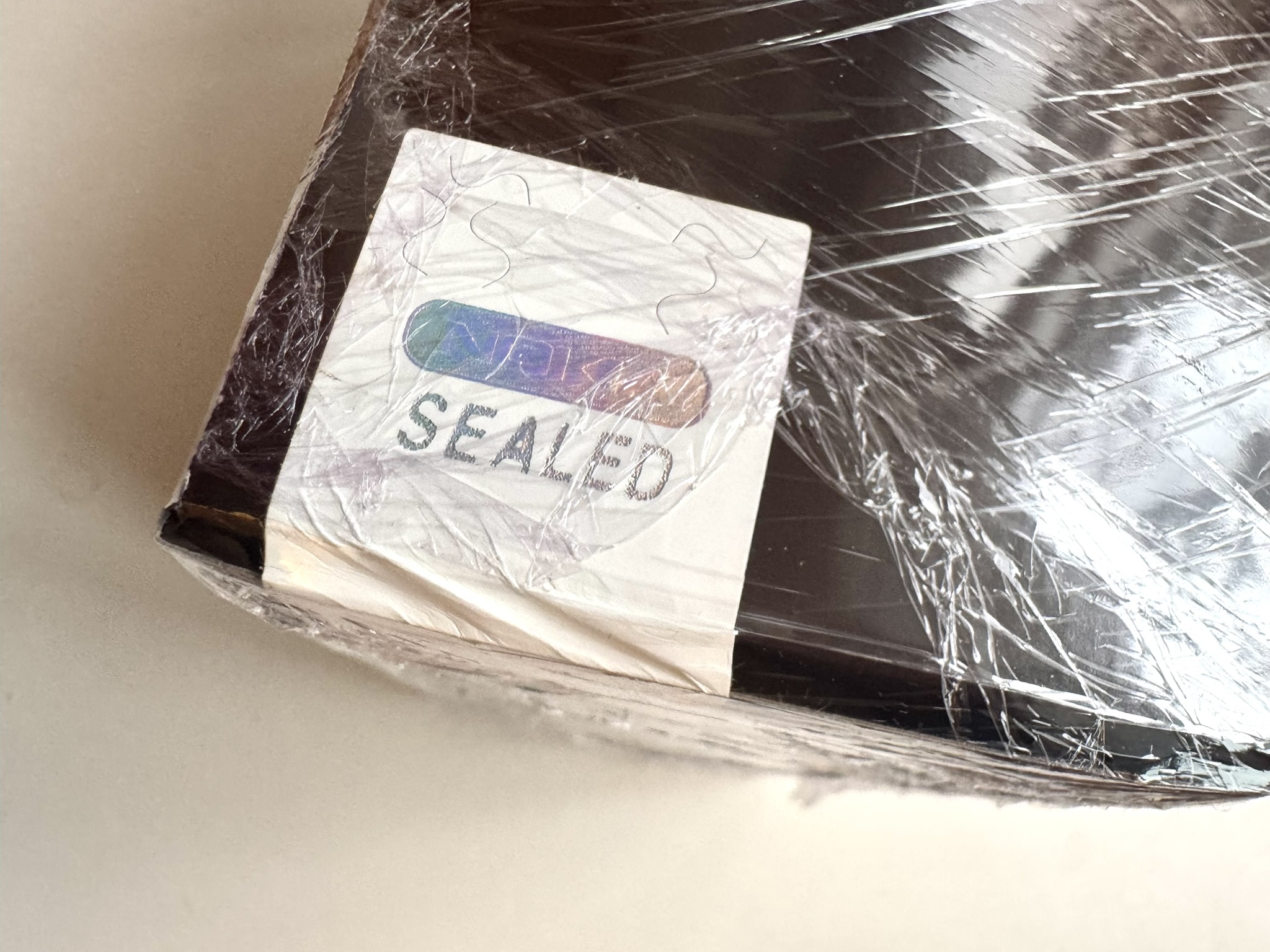
Nokia 5200 Red BNIB Seal:The Untouched XpressMusic-Era Time Capsule
Quick View💎 Rarity Index: A (Rare)
⭐ WOW Factor: A fully factory-sealed Nokia 5200 in the rare red variant, preserved exactly as it left the Hungarian assembly line
👁 Evaluation in my collection: BNIB SEALED – 10/10
⏱ Life timer: 0 | 📦 Boxed: YES
📅 Release Year: 2006 | 💰 Release Price: ~180 €
📊 Units Sold: ~5M
📰 Why this phone matters: The Nokia 5200 (RM-174), released in 2006, defined an entire generation of youthful slider phones built around durability, simplicity and music-centric design. Positioned as the more affordable sibling of the 5300 XpressMusic, the 5200 shared the same playful DNA, rubberized edges, and iconic red-and-white aesthetic that became a symbol of the mid-2000s Nokia lifestyle lineup.This sealed specimen is a rarity on its own. The box wrap is original factory tight-shrink, with no tears, rewraps or aftermarket sealing. The IMEI labels confirm a clean manufacturing batch from Nokia’s Hungarian plant, one of the most respected production facilities in Nokia’s history for quality control and eur;opean-market releases.
Inside this untouched package sits a brand-new 5200 with its original slide mechanism, factory screens, pristine keypad, untouched charger, battery, manuals and accessories exactly as Nokia packed them nearly two decades ago. The red variant, shown on the box, is especially sought after because it was the flagship colorway marketed across eur;ope and often associated with the sporty, music-driven personality of the device.
The Nokia 5200 delivered Bluetooth, Series 40 3rd Edition OS, a bright 128×160 display, VGA camera, microSD expansion, Nokia’s legendary battery life, and a rugged build designed for daily use. It became a bestseller in 2006 and 2007, praised in contemporary reviews for being fun, solid and strikingly designed for its price bracket.
Finding one sealed today is almost impossible. Finding a sealed red one even harder. This unit represents the exact retail experience a user would have enjoyed in 2006, preserved untouched and unaltered, a true collector-grade relic from Nokia’s golden era.
📝 Reviews when released: cNet 🔗
-
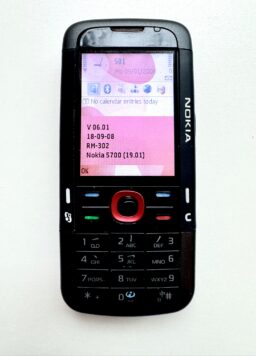
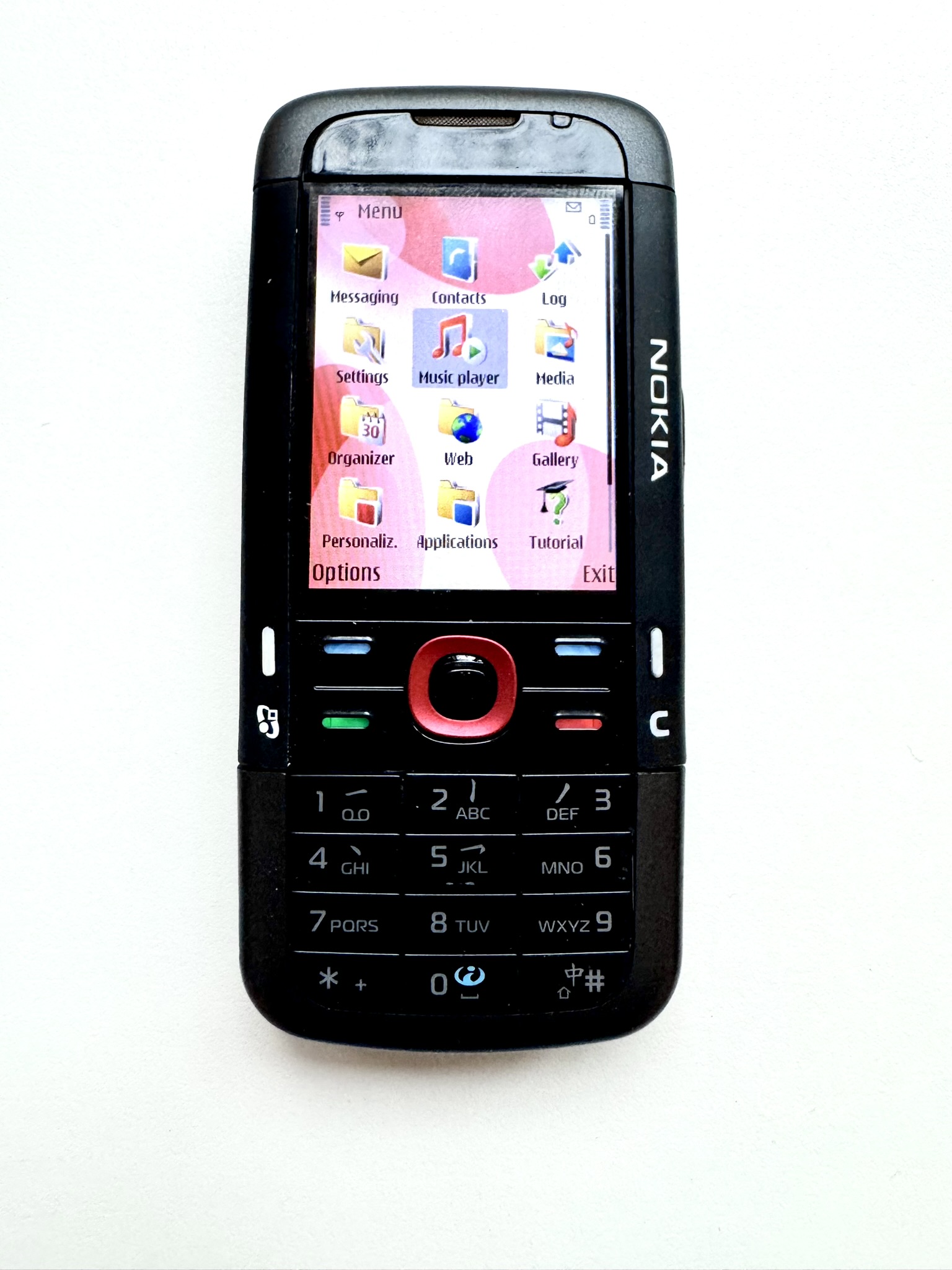
Nokia 5700: RM-302 Black China Edition
Quick View💎 Rarity Index: A (Rare)
⭐ WOW Factor: The only Nokia design where a single twist instantly switched the device’s personality: messaging, music, or camera.
👁 Evaluation in my collection: Good – 8.5/10
⏱ Life timer: 2h | 📦 Boxed: NO
📅 Release Year: 2007 | 💰 Release Price: N/A
📊 Units Sold: ~1.5M
📰 Why this phone matters: The Nokia 5700 XpressMusic in full black is one of the rarest variants of Nokia’s rotating-multimedia smartphone lineup, produced in limited quantities for the Chinese market under type RM-302. Unlike the classic red-and-white global release, this black edition was never widely exported, and its appearance alone gives it a more modern, stealth-like identity compared to the traditional XpressMusic theme.RM-302 identifies the dedicated China-market hardware and firmware platform. This variant features localized Chinese firmware languages, regional GSM frequency configurations, Chinese SAR certifications, and distinct product codes used only in mainland China. It also includes Chinese-market keypad print variants and often slightly different audio tuning profiles for the XpressMusic sound engine, making it unique compared to the RM-230 and RM-235 global versions.
This model is instantly recognizable thanks to its iconic twist design: the lower half of the phone physically rotates, switching between phone keypad, camera mode, and dedicated multimedia controls. No other Nokia device combined physical transformation with smartphone features in this playful and functional way. Even today, the rotating mechanism feels sharp, solid, and satisfying in the hand.
This unit is fully working, and everything from the bright display to the twist motion and the XpressMusic player still operates correctly. The black housing appears clean and unique, and the handset reflects the Chinese-market identity through its labeling, firmware, and certification patterns. The label confirms this is a 2007 manufacturing batch for China, complete with regional approvals and variant coding specific to RM-302.
The Nokia 5700 remains one of the most unusual and entertaining Symbian smartphones ever made, remembered for its creative design, its music-centric features, and its transformation-style body that stands out even among Nokia’s most ambitious experiments. The RM-302 black Chinese-market edition elevates that uniqueness to a higher level, making it one of the hardest versions to find in full working condition.
📝 Reviews when released: cNET 🔗
-
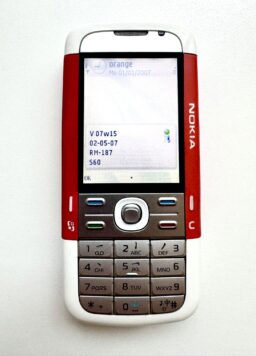
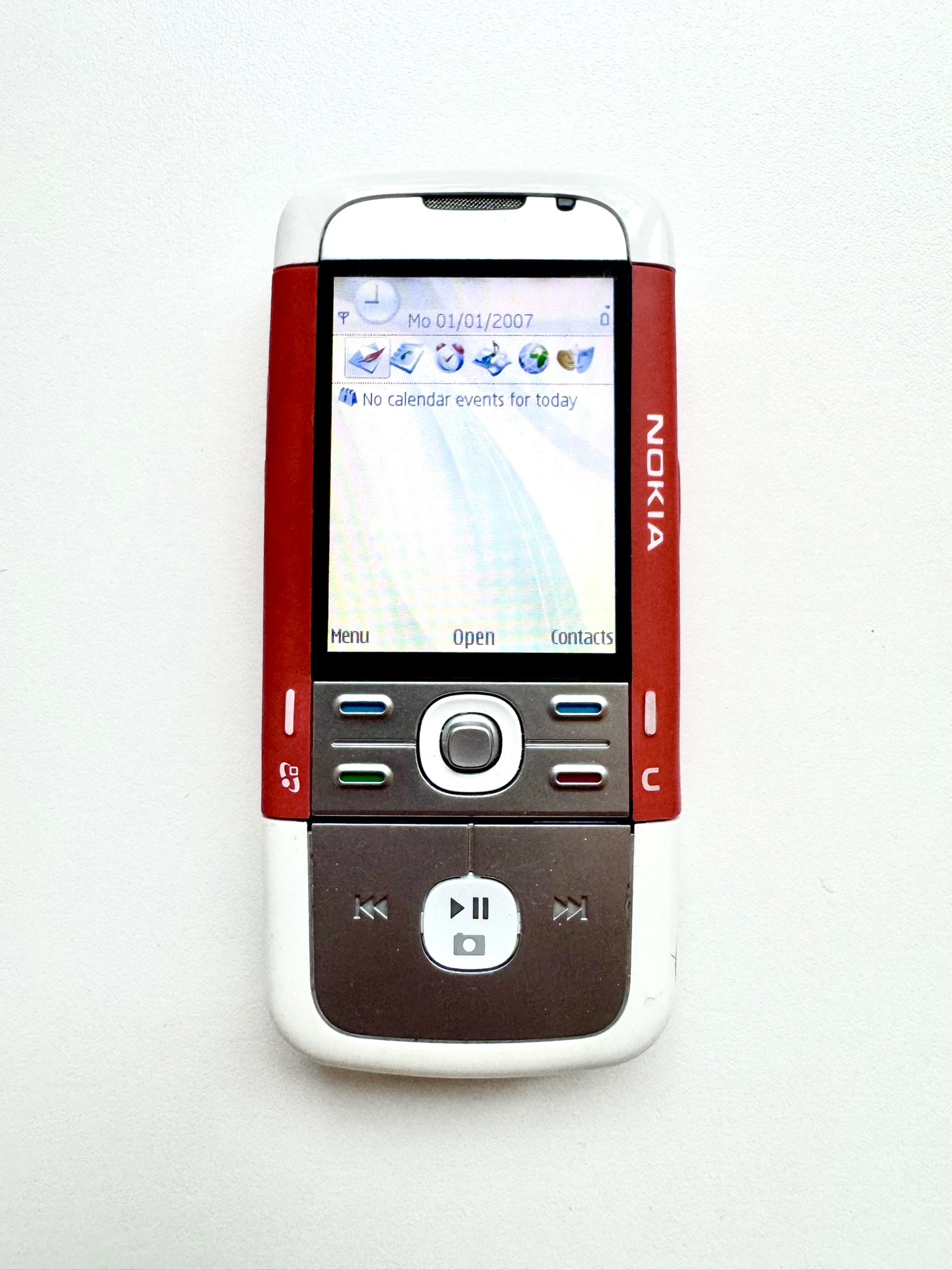
Nokia 5710 Unreleased Prototype B3.0: RM-187
Quick View💎 Rarity Index: X (Mystical Prototype)
⭐ WOW Factor: The only Nokia design where a single twist instantly switched the device’s personality: messaging, music, or camera.
👁 Evaluation in my collection: Great – 9/10
⏱ Life timer: 0m | 📦 Boxed: NO
📅 Release Year: 2006 | 💰 Release Price: N/A
📊 Units Sold: 0 unreleased
📰 Why this phone matters: The Nokia 5710 (RM-187) prototype represents one of the rarest and most technically fascinating chapters in Nokia’s experimental design era. Built in Finland as a late-stage engineering sample, this unreleased device was intended to become the successor to the Nokia 5700 XpressMusic – and the final evolution of Nokia’s iconic twist-mechanism platform.Carrying the markings “Prototype ? Property of Nokia ? Not for Sale”, this RM-187 unit showcases hardware that never reached production: a redesigned rotating lower module, a reinforced hinge, and an upgraded rotary connector meant to eliminate the flex-cable failures seen on earlier twist models. Every piece of internal labeling, from its pre-production QR matrix to the B-series hardware stamps, confirms its status as an authentic high-level engineering device.
Unlike the retail 5700, the 5710 was slimmer, structurally stronger, and technically more advanced – an ambitious internal attempt to create the third-generation twist phone, following the 3250 and 5700. Development was ultimately halted, making RM-187 the final Nokia twist platform ever constructed.
The result is a prototype that combines unfinished industrial design, experimental hardware, and a form factor that was already disappearing from Nokia’s roadmap. With no retail release and only a handful of RM-187 boards ever confirmed, this piece stands as a true collector’s artifact – a preserved snapshot of a daring design direction that Nokia never shipped.
📝 Reviews when released: N/A 💔
-
Nokia 6108 Prototype B5.0: Early Engineering Sample in Pink
Quick View💎 Rarity Index: S (Ultra Rare)
⭐ WOW Factor: Handwriting Recognition
👁 Evaluation in my collection: Good – 9/10
🕵 Nokia Codename: Libai
⏱ Life timer: 3 | 📦 Boxed: NO
📅 Release Year: 2003 | 💰 Release Price: 200 €
📊 Units Sold: ~300k (final units)
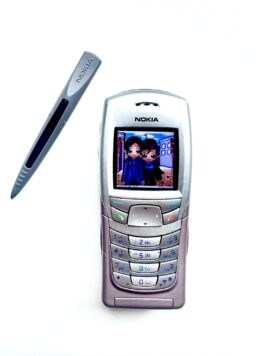
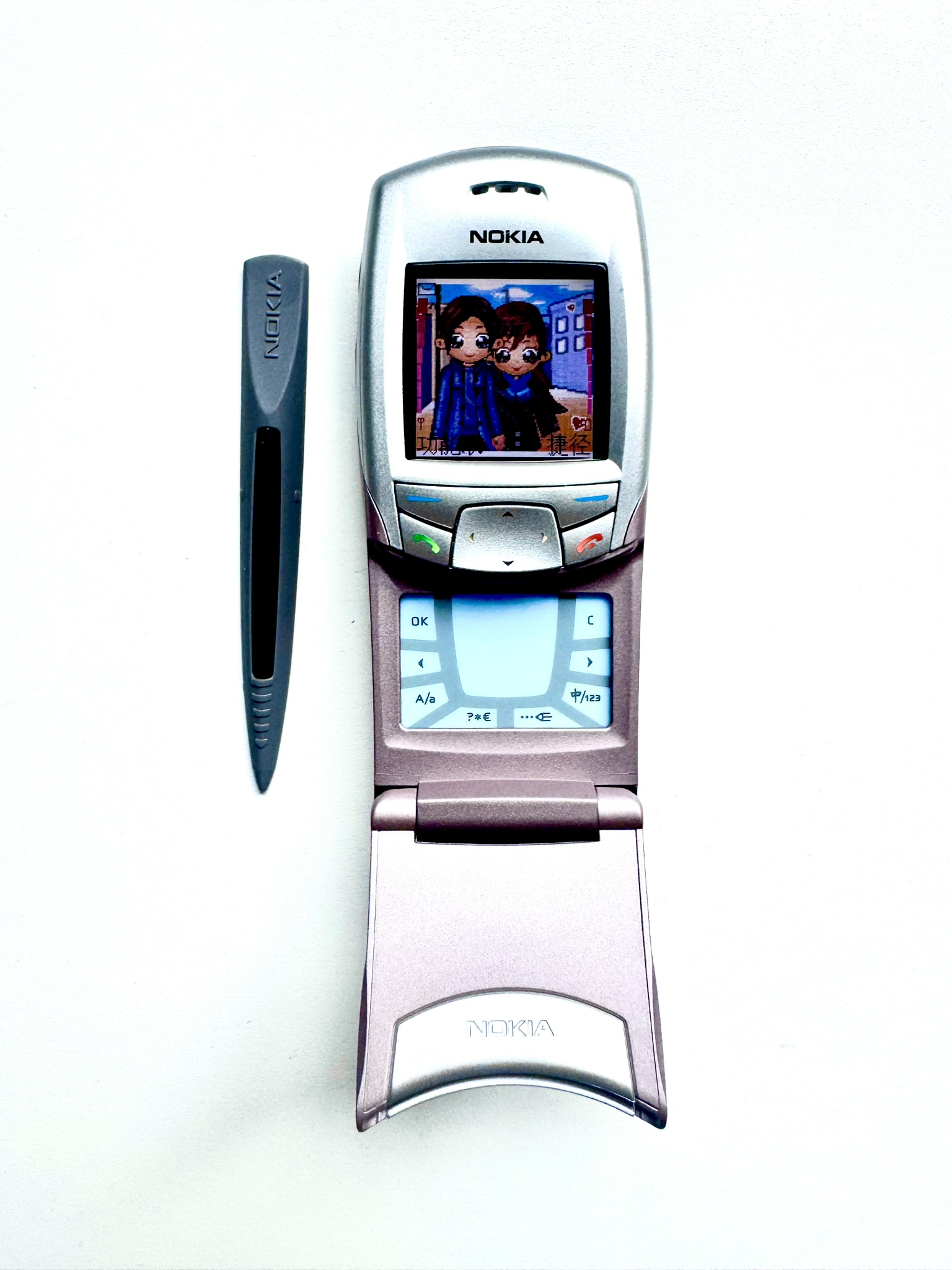
📰 Why this phone matters: A striking Nokia 6108 Prototype B5.0, internal codename “LiBai”, built under Type RH-4 and marked with the unmistakable Model: XXYY placeholder – one of Nokia’s classic signatures for true pre-production devices. The PROTO B5.0 designation places this unit in the late engineering stage, where final hardware refinements, handwriting-input validation and UI stability testing were performed before the model was green-lit for production.The pink housing paired with this prototype label makes it highly distinctive: while certain pink variants were later released in select Asian markets, the internal markings on this unit – early production codes, non-consumer label structure, and the development codename printed directly on the shield – confirm it as part of Nokia’s controlled R&D chain rather than a retail batch.
With its clean prototype identifiers, engineering-phase hardware and the unique “LiBai” project naming, this 6108 B5.0 proto stands as a rare and desirable example of Nokia’s experimental era, capturing the device exactly as it passed through the company’s internal development process.
📝 Reviews when released: N/A 💔
-
Nokia 6108: The First Handwriting Classic
Quick View💎 Rarity Index: A (Rare)
⭐ WOW Factor: Handwriting Recognition
👁 Evaluation in my collection: As New – 9.9/10
🕵 Nokia Codename: Libai
⏱ Life timer: 0 | 📦 Boxed: YES
📅 Release Year: 2003 | 💰 Release Price: 200 €
📊 Units Sold: ~300k
📰 Why this phone matters: The Nokia 6108 is one of the most unusual and innovative mass-released Nokia phones, designed specifically for the Chinese market and built around a unique flip-down handwriting input system. Released in the early 2000s, it combined a traditional candybar keypad with a dedicated handwriting pad hidden beneath the keys. The included stylus, neatly stored on the back of the device, enabled users to write Chinese or English characters directly onto the phone, making the 6108 a remarkably advanced hybrid device for its era.This full box example is extremely rare. Most 6108 units were heavily used in China and Southeast Asia, where handwriting input was a daily necessity. As a result, surviving phones usually show significant wear and often lack the stylus, manuals, or original packaging. A complete, intact full box with all accessories is very hard to find today and greatly increases the collectible value of this model.
With GPRS, MMS, email, Java applications, SyncML support, a two-way English/Chinese dictionary and speakerphone, the 6108 offered a feature set far beyond standard Series 40 devices of its time. Its IR port enabled early PC synchronization long before modern wireless standards became common.
Internally known as LiBai, the 6108 reflects Nokias experimental phase, merging conventional keypad use with stylus-driven handwriting input long before capacitive touchscreens became mainstream. Its distribution was limited to Asia-Pacific markets, and because it was heavily used for educational, business and translation purposes, complete boxed units like this one are exceptionally hard to source.
With its flip-down handwriting pad, integrated stylus, region-specific firmware and fully intact accessory set, this Nokia 6108 stands as a distinctive and rare piece of Nokia innovation, showcasing the company’s creative engineering during the early 2000s.
📝 Reviews when released: N/A 💔
-
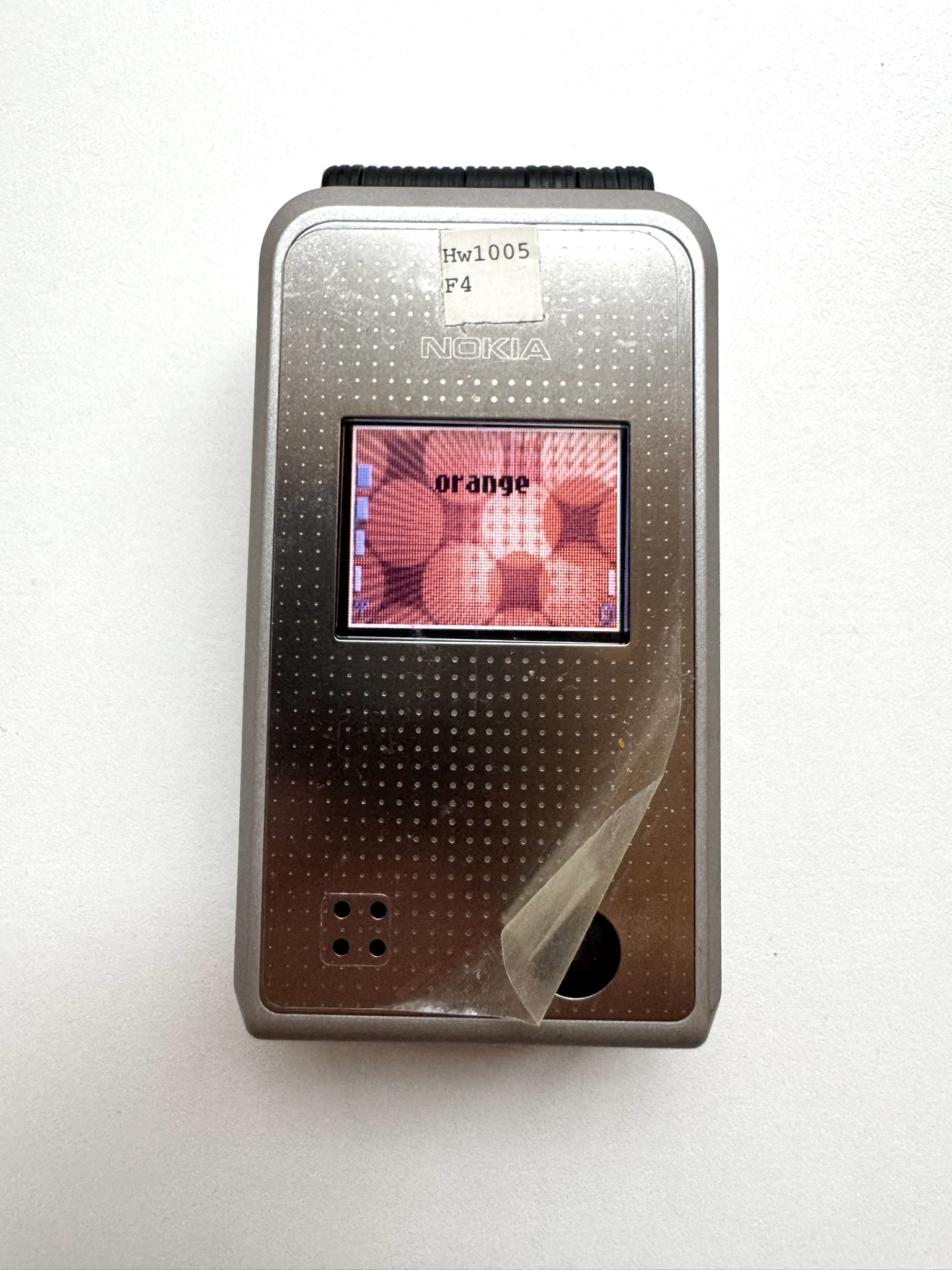
Nokia 6170 Prototype “Castor” : Stainless Steel Clamshell
Quick View💎 Rarity Index: S (Ultra Rare)
⭐ WOW Factor: Metal Clamshell
👁 Evaluation in my collection: Great – 9/10
🕵 Nokia Codename: Castor
⏱ Life timer: 0h | 📦 Boxed: NO
📅 Release Year: 2004 | 💰 Release Price: ~300 €
📊 Units Sold: ~1.5M (final units)
📰 Why this phone matters:📝 Reviews when released: cNET 🔗
-


Nokia 6500 Flip
Quick View💎 Rarity Index: S (Ultra Rare)
⭐ WOW Factor: Nokia’s first flip model created specifically for the Chinese market.
👁 Evaluation in my collection: New – 10/10
🕵 Nokia Codename: Annika
⏱ Life timer: 0h | 📦 Boxed: NO
📅 Release Year: 2001 | 💰 Release Price: ~250 €
📊 Units Sold: ~5M
📰 Why this phone matters: Nokia 6500 (NHM-7) – a genuine 2001 Chinese-market retail unit, produced at the Nokia Beijing factory (FAC 40) and certified under CMII ID 2001CJ0730. This variant carries the original Chinese/English firmware and the official ‘Telecom Network Access License’ hologram, confirming full approval for sale on China Mobile and China Unicom networks. With its early-2000s design, clean IMEI labeling and region-specific product code, this NHM-7 represents an authentic piece of Nokia’s expansion into the Asian GSM market. A rare and well-preserved example of a model seldom found outside China today.📝 Reviews when released: N/A 💔
-


Nokia 6708: Nokia’s Only BenQ-Engineered Touchscreen Anomaly
Quick View💎 Rarity Index: A (Rare)
⭐ WOW Factor: The only Nokia-branded smartphone ever made by BenQ.
👁 Evaluation in my collection: BNIB – 10/10
🕵 Nokia Codename: Pearl
⏱ Life timer: 0 | 📦 Boxed: YES
📅 Release Year: 2005 | 💰 Release Price: 500
📊 Units Sold: ~300k
📰 Why this phone matters: The Nokia 6708 (RM-139) is a China-market smartphone released in 2005 during Nokia’s experimental touchscreen era. Unlike any other Nokia device, the 6708 is not built on Nokia’s own S60/S40 architecture – instead, it is based on the BenQ P31, using UIQ 2.1 on Symbian 7.0, a TI OMAP processor, and a stylus-driven 2.7″ resistive touchscreen.Nokia redesigned the exterior, adjusted the UI elements, and released it exclusively to the Chinese market, where both Nokia and BenQ already had strong local footprints. Because of this limited and unusual partnership, the 6708 never appeared in eur;ope or the US and is extremely rare outside Asia.
With its hybrid DNA – Nokia branding + BenQ internals + UIQ touchscreen – the 6708 stands out as a one-off anomaly in Nokia’s entire catalog and is highly sought after by collectors who focus on prototypes, regional exclusives, and crossover devices.
📝 Reviews when released: Mobile Review 🔗
-
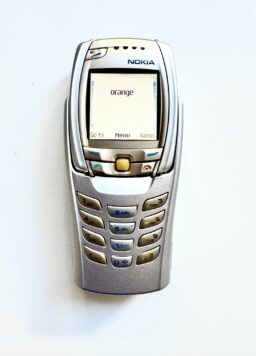
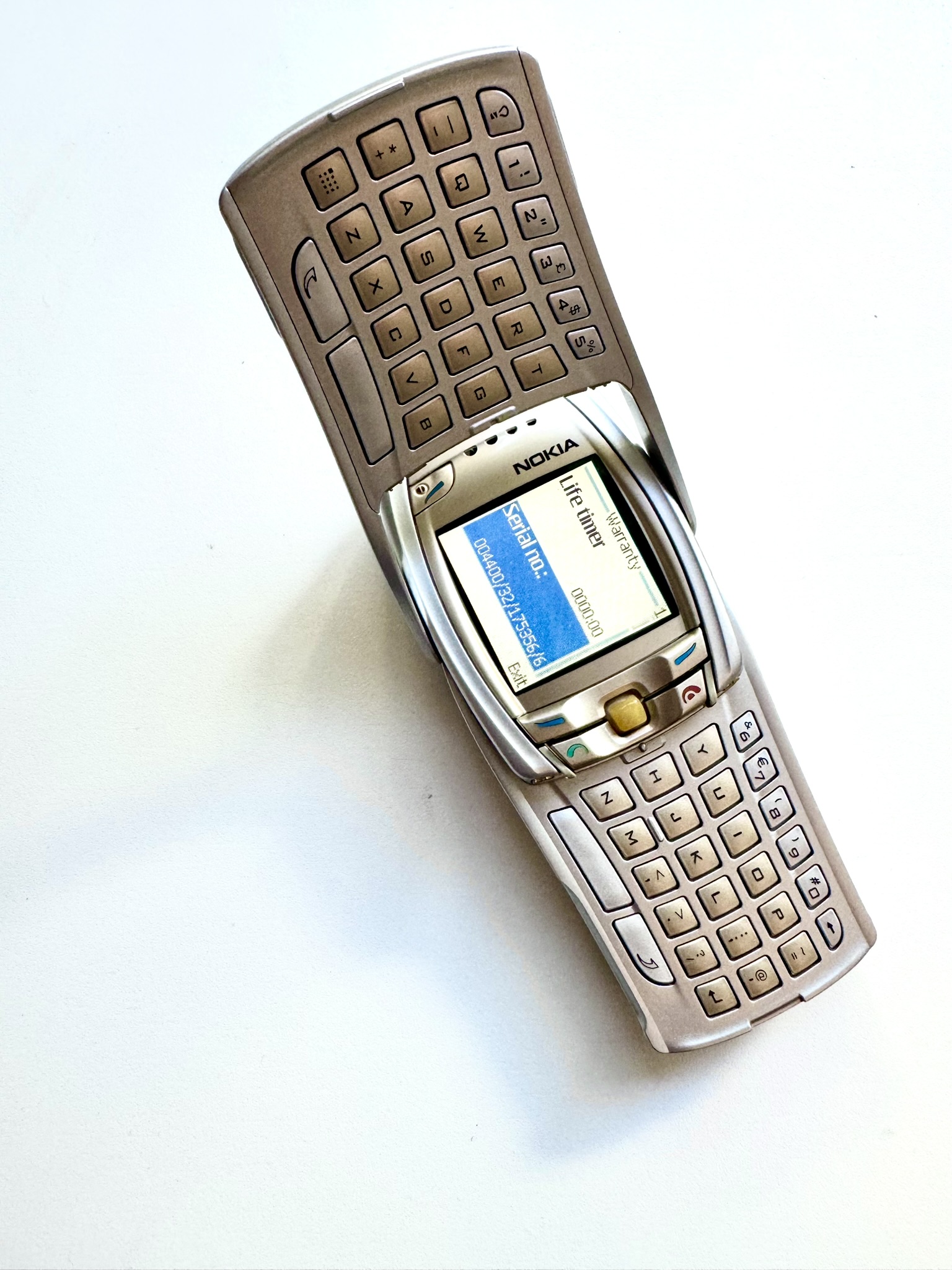
Nokia 6810 Prototype B3.0 : Engineering Sample
Quick View💎 Rarity Index: S (Ultra Rare)
⭐ WOW Factor: A pre-RM Nokia 6810 prototype from Finland-capturing the birth of Nokia’s most original fold-out QWERTY design.
👁 Evaluation in my collection: Great – 9.5/10
⏱ Life timer: 0 | 📦 Boxed: NO
📅 Release Year: 2004 | 💰 Release Price: ~350 €
📊 Units Sold: ~700k (final units)
📰 Why this phone matters: A rare early-stage prototype of the Nokia 6810, the business-class messaging phone famous for its fold-out QWERTY keyboard design. This internal test unit predates the commercial RM-2 variant and carries blank “Model XXXX / Type XXXX” fields, together with the unmistakable “Property of Nokia” and B3.0 engineering markings. Built in Finland and never intended for sale, it represents the development phase where Nokia refined the mechanical flip-out keyboard and RF tuning for one of its most innovative business devices.📝 Reviews when released: Mobile Review 🔗
-
Nokia 7070 Prism Prototype S2.1: The Prism Collection
Quick View💎 Rarity Index: S (Ultra Rare)
👁 Evaluation in my collection: As New – 10/10
⏱ Life timer: | 📦 Boxed: NO
📅 Release Year: 2008 | 💰 Release Price: ~230 €
📊 Units Sold: ~1.5M (final units)
📰 Why this phone matters: A genuine pre-production Nokia 7070 Prism – RH-116 prototype from the SCORPION design family, used during Nokia’s hardware and software validation cycle. This engineering sample features a prototype IMEI (004401?), PSN labeling, exposed HWID (0211), and the rare ‘Kiev S2-1’ internal test sticker.Manufactured in China as part of Nokia’s early prototype assembly runs, the device was then shipped to Nokia’s Kyiv (Ukraine) R&D validation center, where Software Stage 2 (S2) firmware and first-revision hardware (Substage 1) were tested for CIS-region operators. This China-production + Kyiv-testing pipeline was standard for Nokia’s mid-2000s development workflow and confirms the device’s authentic R&D provenance.
Fitted with an original Nokia ‘Market Sample’ back housing used for pre-launch demonstrations and retail previews, still carrying factory protective film. A rare SCORPION prototype combining true engineering hardware, regional R&D testing history, and pre-market cosmetic hardware – one of the most collectible 7070 Prism variants ever found
📝 Reviews when released: Phone Arena 🔗