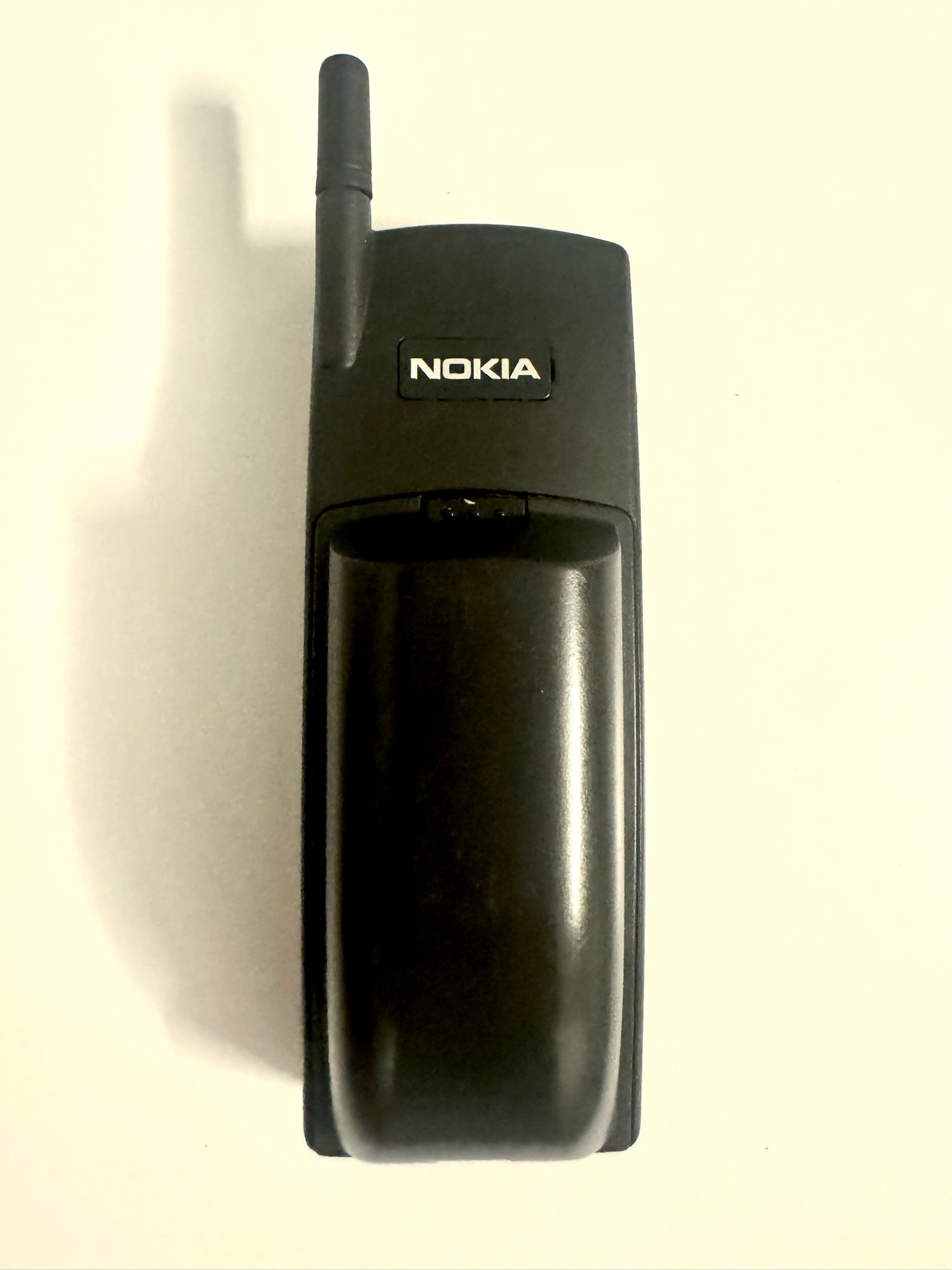
Nokia 8110i | Cameleon
WOW factorThe first Nokia phone with a slider form factor, The first Nokia phone with monochrome graphic LCD, The first of Nokia's high-end 8000 series, The first phone to support ring tone receiving by SMS, The first phone with SSMS (Smart SMS), The phone featured in the science fiction action film The Matrix (1999)
Collector’s card
Why this phone matters
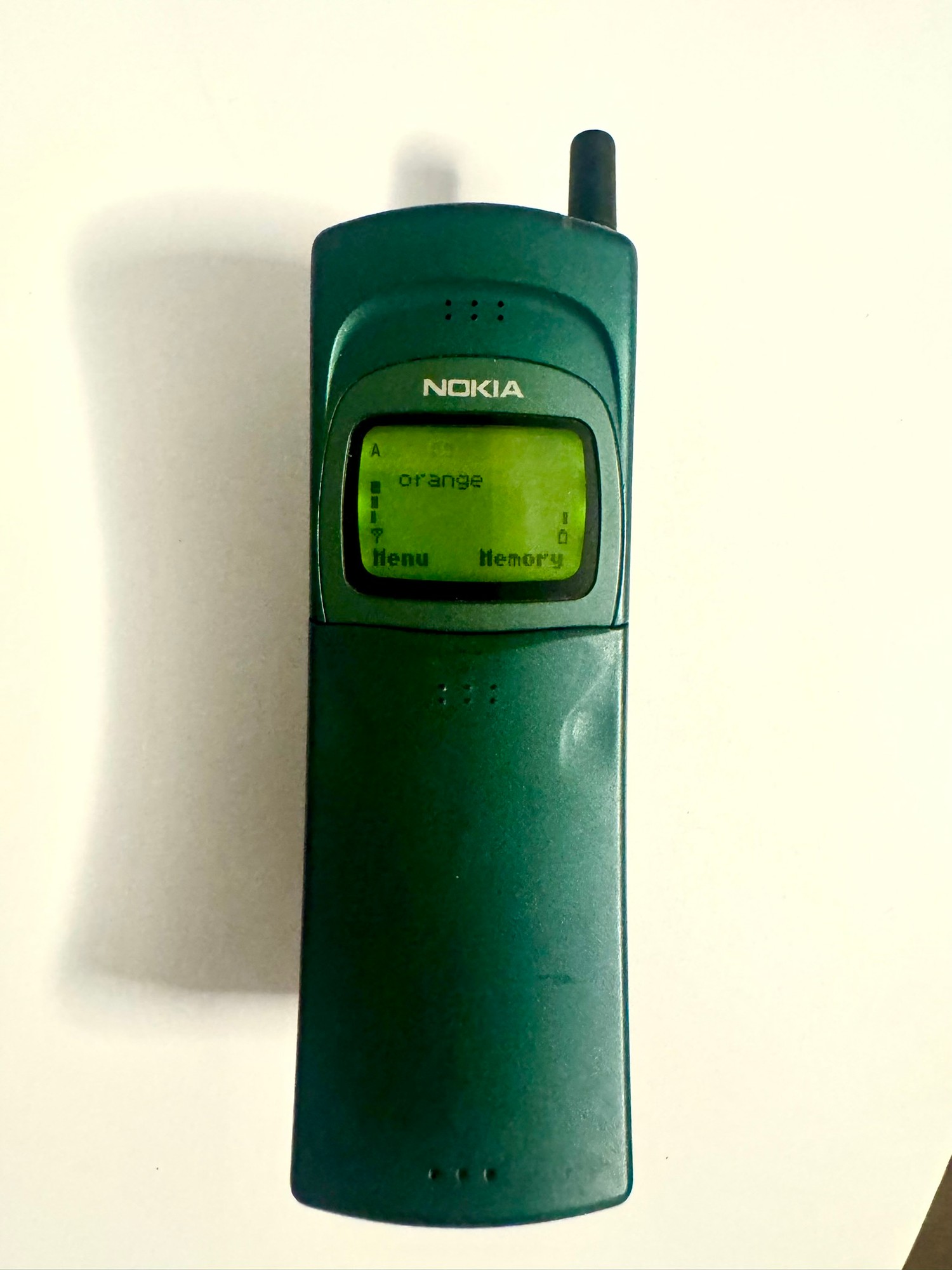
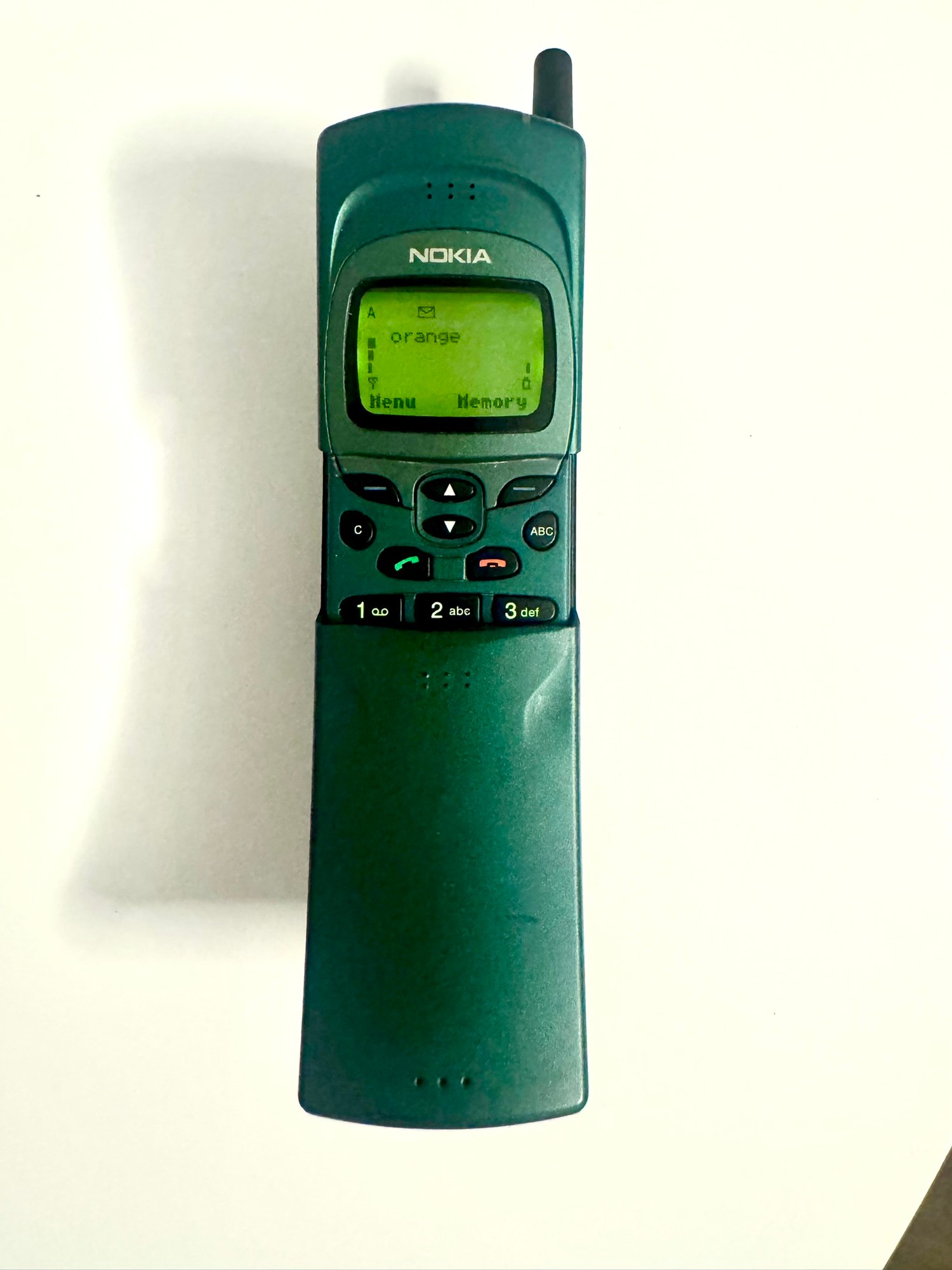
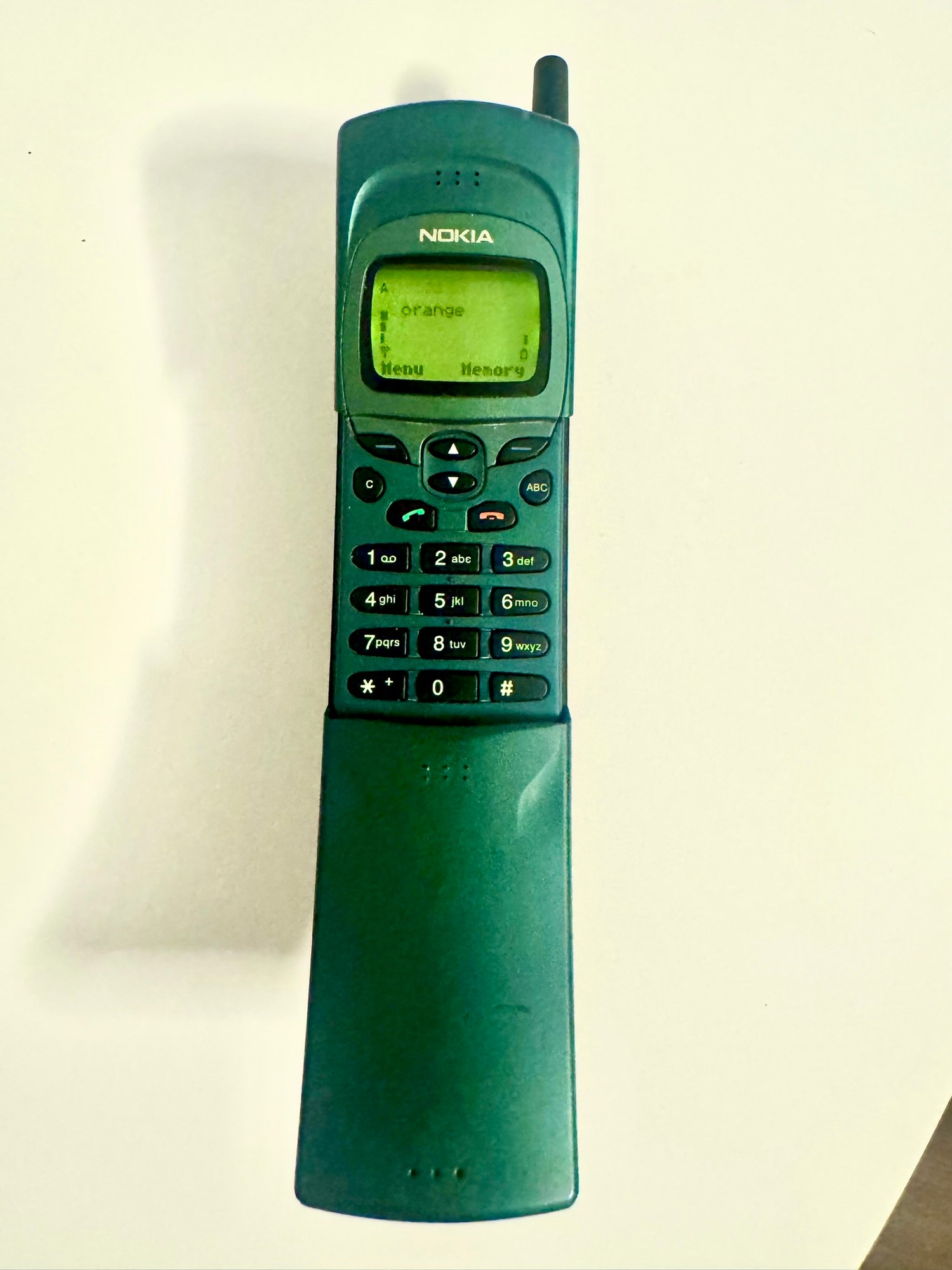
Announced on 9 September 1996, the Nokia 8110 was the first of Nokia’s high-end 8000 series. It gave the world its first slider: a cover slid over the keypad to protect it in the pocket, then extended downwards in use so that the microphone sat closer to the mouth. Opening it also answered an incoming call. With its marked curvature, most obvious when open, it was soon nicknamed the “banana phone”.
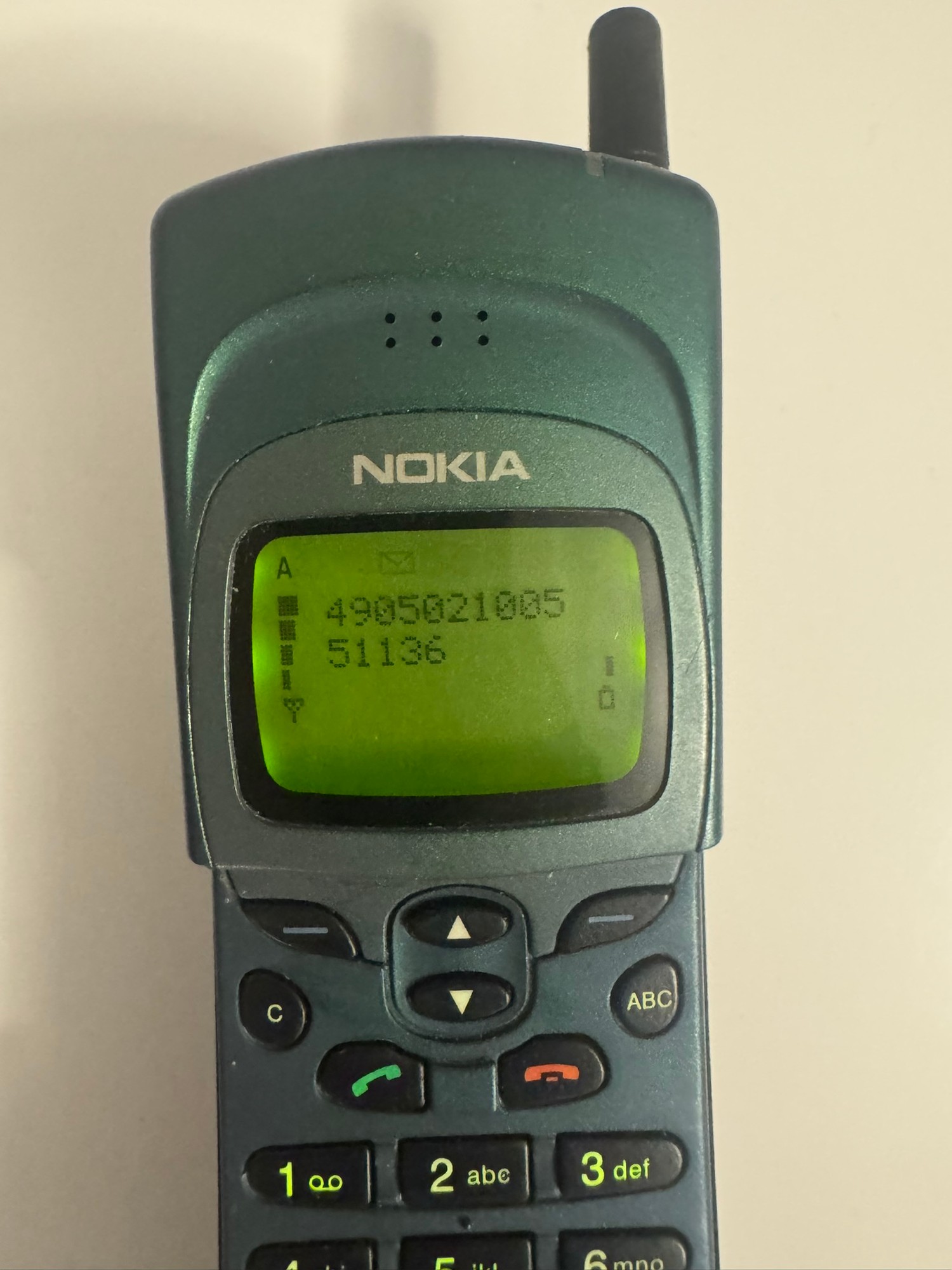
It was the first Nokia with a monochrome graphic LCD, and it was made for the business market. At 152 grams it was among the smallest and lightest phones on sale, and it still lasted longer on a charge than its predecessor, the Nokia 2110.
In March 1997 came the improved 8110i, the first phone with the SSMS (Smart SMS) engine. Over-the-air updates were possible, with an intelligent menu structure for simple information input. The input went as a simple structured text message to an MT receiver, which interpreted it and answered with a structured text message of its own. Ring tones by SMS belonged to the same smart messaging protocol, so the 8110i was also the first mobile phone to support them.
Nokia eventually stopped marketing Smart Messaging in favour of the upcoming WAP standard, although later phones kept the support. In 1998 the Nokia 8810 succeeded both models. The 8110 also had a famous role in the science fiction film The Matrix (1999), for which it was modified with a spring-loaded mechanism, later seen on the Nokia 7110.