Showing all 2 results
-
Nokia N92 Prototype B4.0 | Unreleased 101 RM
Quick View💎 Rarity Index: S (Ultra Rare)
⭐ WOW Factor: The world first mobile phone with an integrated DVB-H tuner
👁 Evaluation in my collection: Great – 9/10
⏱ Life timer: 0h | 📦 Boxed: NO
📅 Release Year: 2005 | 💰 Release Price: ~600 €
📊 Units Sold: ~300k (final units)
📰 Why this phone matters: Nokia N92 RM-101 B4.0 Prototype – The Missing Camera MysteryThis RM-101 Nokia N92 prototype is a remarkable survivor from Nokia’s golden era of experimental engineering – a time when the company was pushing the boundaries of what a mobile device could be. Built in Finland as a B4.0 engineering sample, it predates the commercial N92 and represents a fascinating pre-production hardware configuration that differs from the familiar retail device.
Marked with “Prototype – Property of Nokia” and carrying the internal “Model: XXXX” placeholder, this unit preserves evidence of a development phase in which Nokia was refining the revolutionary technologies that would eventually define the N92, including DVB-H mobile television, its distinctive dual-axis swivel display and an ambitious multimedia platform.
One of the most intriguing differences is the complete absence of the front-facing camera, a feature present on the commercial Nokia N92. Rather than simply being a cosmetic variation, this represents a significant hardware distinction between the RM-101 prototype and the final production design. Interestingly, other documented RM-101 specimens also appear to lack the front-facing camera, suggesting that this may have been a characteristic of this particular development branch rather than an isolated feature of this unit.
The RM-101 designation itself adds another layer of significance. Unlike the commercially released N92 configurations, this prototype belongs to an earlier hardware development path, offering a rare opportunity to observe how Nokia experimented with different component arrangements and hardware capabilities before settling on the final product.
There is something particularly fascinating about the combination of its unfinished model identification, original engineering labels, Made-in-Finland construction and missing front-facing camera. Together, these details make the device much more than a conventional pre-production handset. They preserve visible traces of Nokia’s engineering decisions and the evolutionary steps behind one of its most technically ambitious mobile phones.
For serious Nokia collectors, prototypes displaying fundamental hardware differences are especially compelling. They provide physical evidence of alternative development configurations, features that were added or modified, and engineering decisions that rarely become visible outside the manufacturer’s laboratories.
Before the N92 became a mobile television with a fully developed multimedia identity, there was the RM-101. A rare surviving glimpse into the engineering process behind one of Nokia’s most extraordinary creations.
📝 Reviews when released: ZDNet 🔗
-
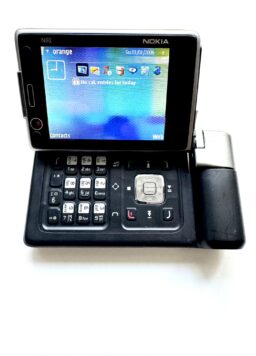
Nokia N92 Prototype S3.4 | An Unreleased Black & Grey Design
Quick View💎 Rarity Index: X (Mystical Prototype)
⭐ WOW Factor: The world first mobile phone with an integrated DVB-H tuner
👁 Evaluation in my collection: Good – 8/10
⏱ Life timer: 0h | 📦 Boxed: NO
📅 Release Year: 2005 | 💰 Release Price: ~600 €
📊 Units Sold: ~300k (final units)
📰 Why this phone matters: Nokia N92 S3.4 Prototype – The Elusive Black & Grey VariantIn 2005, Nokia was pursuing an ambitious vision: transforming the mobile phone into a portable television. The Nokia N92 became one of the most unconventional devices of the Nseries era, introducing integrated DVB-H television reception, a remarkable dual-hinge rotating display and a multimedia experience designed years before mobile video streaming became part of everyday life.
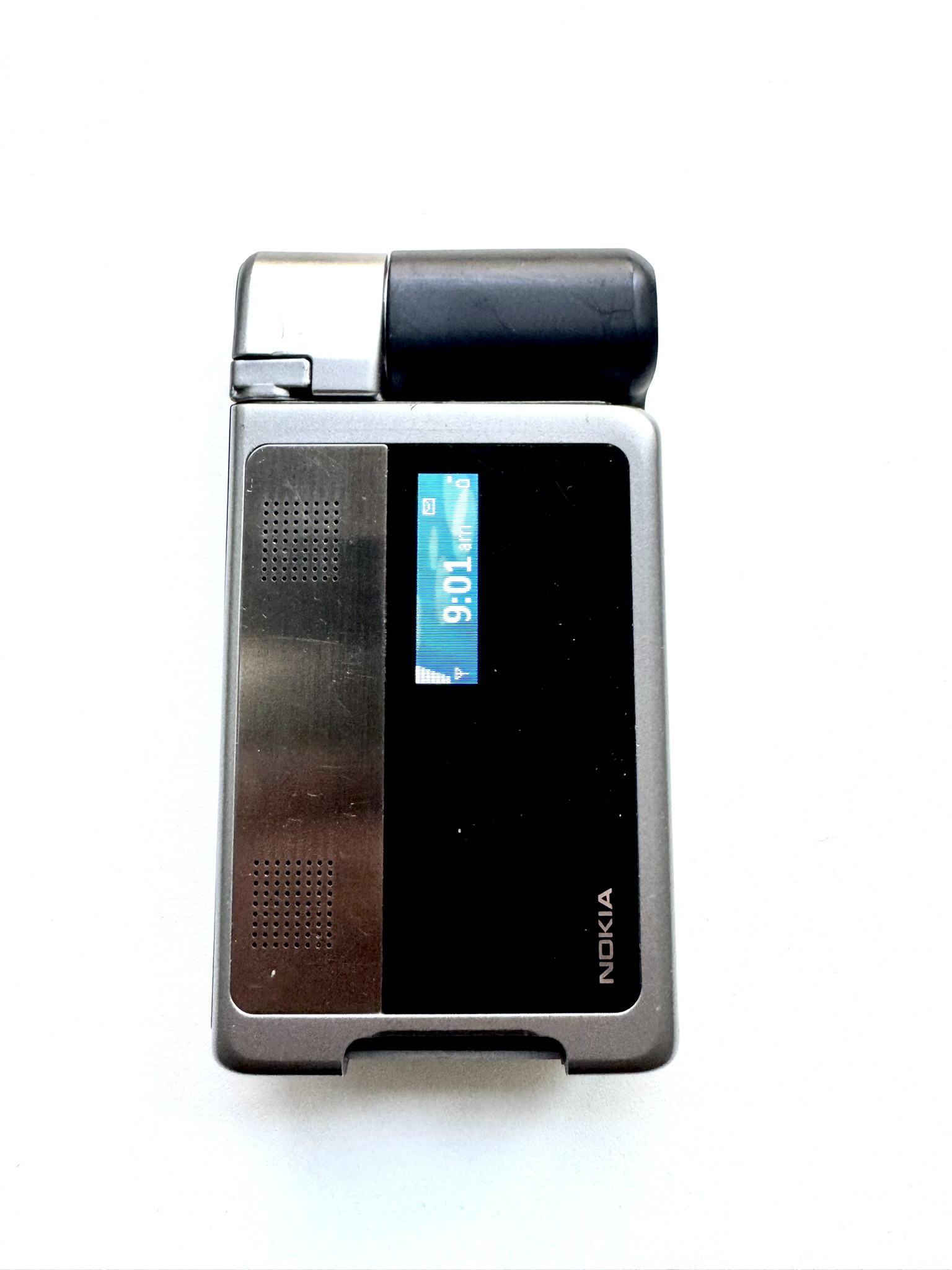
This particular unit is an exceptionally interesting S3.4 pre-production prototype, distinguished by its striking black and grey colour combination. Unlike the familiar commercial N92, this prototype presents an alternative visual identity, offering a fascinating glimpse into Nokia’s experimental design and development process.
But the differences go far beyond its unusual colour scheme. One of the most intriguing details is the noticeably larger memory card cover, a physical design variation that distinguishes this early unit from the final production model. Even more interesting is the clamshell closing mechanism, which differs from the commercial N92 when the device is folded shut. These subtle but significant differences reveal that Nokia was experimenting not only with colours and finishes, but also with the mechanical construction and physical design of the device.
The S3.4 development designation adds another layer of intrigue. This is not simply a standard N92 dressed in an unusual housing, but a pre-production specimen displaying tangible differences from the retail hardware. The combination of its distinctive finish, modified memory card cover and alternative clamshell closing arrangement makes it a particularly compelling example of Nokia’s engineering evolution.
What makes the N92 especially fascinating is the extraordinary ambition behind its design. Its rotating display could transform the device from a conventional mobile phone into a miniature widescreen television, while DVB-H technology represented Nokia’s vision of a future where television could be enjoyed almost anywhere.
For serious Nokia collectors, surviving prototypes with visible structural differences are particularly significant. They preserve evidence of design decisions, mechanical experiments and engineering refinements that may have disappeared entirely before commercial production. This black and grey S3.4 prototype offers precisely that: a rare opportunity to examine an alternative stage in the development of one of Nokia’s most unconventional devices.
More than an unusual colour variation, this is a different interpretation of the Nokia N92 itself – a remarkable survivor from a time when Nokia was still experimenting with how the future of mobile technology should look, feel and function.
📝 Reviews when released: ZDNet 🔗