

">

Showing all 12 results
-


Nokia 3108 – The Handwriting Pioneer
Quick View💎 Rarity Index: A (Rare)
⭐ WOW Factor: Handwriting Recognition
👁 Evaluation in my collection: New – 10/10
⏱ Life timer: 0 | 📦 Boxed: NO
📅 Release Year: 2003 | 💰 Release Price: N/A
📊 Units Sold: ~300k
📰 Why this phone matters: The Nokia 3108 is one of Nokia’s most unusual and innovative feature phones, created specifically for the Chinese market and designed around pen-based handwriting recognition. Built on the early Series 40 platform, the 3108 combines a compact candybar form with a flip-down translucent keypad that reveals a dedicated writing pad. Using the included stylus, the phone can recognize both English and Chinese handwriting, offering an input method perfectly adapted to the complexity of Chinese characters.This unit represents one of Nokia’s rare experiments in interface design, developed long before touchscreens became mainstream. The writing pad system uses stroke detection software and a pressure-sensitive surface, making the 3108 function as an early hybrid between classic keypad phones and later touch-driven devices. It also includes MMS, Java support, and a speakerphone, bringing modern features to a form factor centered on pen input.
Because the 3108 was sold only in China and produced for a short period, surviving units are uncommon, and examples in clean condition are even harder to find. As part of Nokia’s limited Pen Input family, the 3108 stands out as a unique collector piece that captures a moment of bold experimentation in Nokia’s history. It remains one of the very few non-touchscreen devices in the world capable of recognizing handwritten text, making it an important and highly distinctive addition to any serious mobile phone collection.
📝 Reviews when released: N/A 💔
-
Nokia 3128 Prototype “ID SAMPLE”: BenQ Hybrid | Unreleases Colour Light Blue
Quick View💎 Rarity Index: X (Mystical Prototype)
⭐ WOW Factor: Represents a short-lived moment when BenQ attempted to showcase its ability to deliver a complete UI solution, hoping to convince Nokia that full software outsourcing for low-cost devices was feasible.
The existence of this device is proof of a BenQ-driven initiative, briefly evaluated and ultimately rejected by Nokia.
Only a handful of such BenQ UI?on?Nokia hardware identity samples were ever created, making surviving units exceptionally rare.👁 Evaluation in my collection: New – 10/10
🕵 Nokia Codename: Kirin
⏱ Life timer: 0 | 📦 Boxed: NO
📅 Release Year: 2003 | 💰 Release Price: ~300 $
📊 Units Sold: ~15M (final units)
📰 Why this phone matters: This device is one of the strangest, most intriguing Nokia 3128 variants ever uncovered. Externally it follows the familiar engineering path of the 3128 platform, but once powered on, everything breaks the pattern. There is no Nokia branding in the software, no Nokia splash screen, no Series 40 heritage, instead it boots into a BenQ-style interface, complete with custom icons, Chinese menu structures, and UI elements never found on any released Nokia product.The label inside reads “ID SAMPLE”, marking it as a pre-production identity unit used for internal validation during Nokia’s ODM sourcing phase. These ID Samples were not mass-produced, not distributed to carriers, and not meant to survive outside the labs. The combination of Nokia hardware and a BenQ firmware stack indicates that this device comes from the period when Nokia briefly explored outsourcing complete handset UI development to third-party Asian manufacturers before ultimately abandoning the idea.
The handwriting is a timestamp from the engineering team: “August 16, 2004.”
It marks when this specific prototype was logged, flashed, or validated.The software screens match early prototypes from unreleased BenQ flip designs, particularly those associated with the never-released BenQ A-Series Asian clamshells, hinting that this firmware was being evaluated on Nokia shells for cost and speed benchmarking. The UI animations, iconography, and color palettes align far more with BenQ’s internal 2004-2005 development than with anything Nokia ever shipped.
A detail that further confirms how early this unit is, the SIM card lock mechanism is completely missing, leaving the slot open and unfinished exactly as seen on raw factory evaluation samples. Even more telling, the device reports an IMEI of 0000000, a clear sign of a pre-IMEI-burning engineering stage where the radio stack and identity fields had not yet been finalized.
The mysterious “cmg” sticker seen on the display is consistent with internal testing labels used during configuration management, marking the unit for firmware staging or UI evaluation. These stickers usually identify a branch, a module, or a build handler inside the engineering workflow and marks it as a monitored experimental build – exactly the kind of anomaly this prototype represents.
All the elements together, the missing SIM lock, the IMEI 0000000, the absent Nokia splash, the BenQ interface, the “ID SAMPLE” marking, the prototype hardware architecture, and the inconsistencies between software and chassis, place this device among the rarest 3128 developmental anomalies, far more unusual than standard prototypes or early F-series units. It is a tangible piece of the abandoned Nokia-BenQ convergence experiments, where Nokia evaluated whether foreign UI stacks could run on their hardware to accelerate low-cost market entry.
A true one-off laboratory hybrid, and one of the most unusual pre-production Nokia 3128 derivatives ever documented.
📝 Reviews when released: N/A 💔
-
Nokia 3128 Prototype F5.0 : Codename Kirin| Unreleased Colour (Orange)
Quick View💎 Rarity Index: S (Ultra Rare)
⭐ WOW Factor: Represents a short-lived moment when BenQ attempted to showcase its ability to deliver a complete UI solution, hoping to convince Nokia that full software outsourcing for low-cost devices was feasible.
The existence of this device is proof of a BenQ-driven initiative, briefly evaluated and ultimately rejected by Nokia.
Only a handful of such BenQ UI?on?Nokia hardware identity samples were ever created, making surviving units exceptionally rare.👁 Evaluation in my collection: New – 10/10
🕵 Nokia Codename: Kirin
⏱ Life timer: 0 | 📦 Boxed: NO
📅 Release Year: 2003 | 💰 Release Price: ~300 $
📊 Units Sold: ~15M (final units)
📰 Why this phone matters: A remarkably rare piece of Nokia’s China-market CDMA history, the Nokia 3128 (Type RH-72) stands apart from the brand’s mainstream lineup.
Developed during Nokia’s short-lived collaboration with BenQ/Qisda for ODM CDMA devices, the 3128 blends Nokia’s software customisation with a hardware platform originating from BenQ’s Kirin F5.0 design family – a handset architecture that BenQ itself never released commercially.This prototype unit, finished in an unreleased Orange colourway, represents a pre-production stage never intended for the public market. The colour scheme follows BenQ’s design language rather than Nokia’s, making it instantly identifiable among collectors familiar with early-2000s ODM manufacturing. Hardware elements – including the casing geometry, battery interface and Qualcomm-based CDMA internals – further underline its BenQ lineage while still carrying official Nokia branding, labels and firmware.
The device offered compact CDMA 1X connectivity, a lightweight clamshell form factor and the simplified user interface typical of Nokia’s China-exclusive CDMA portfolio of the era.
This example is preserved brand new, never used in the collection – a highly desirable state for a model whose production numbers were already extremely small.
A rare convergence of two major manufacturers’ design philosophies, the Nokia 3128 prototype in Orange stands as one of the most distinctive and least-known ODM Nokia variants ever created.
📝 Reviews when released: N/A 💔
-
Nokia 3350 Prototype P2.3 : “Ladybird” Early Engineering
Quick View💎 Rarity Index: S (Ultra Rare)
👁 Evaluation in my collection: New – 10/10
🕵 Nokia Codename: LadyBird
⏱ Life timer: 0 | 📦 Boxed: NO
📅 Release Year: 2002 | 💰 Release Price: N/A
📊 Units Sold: ~8M (final units)
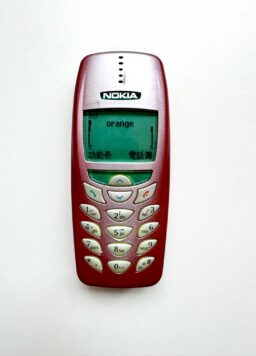
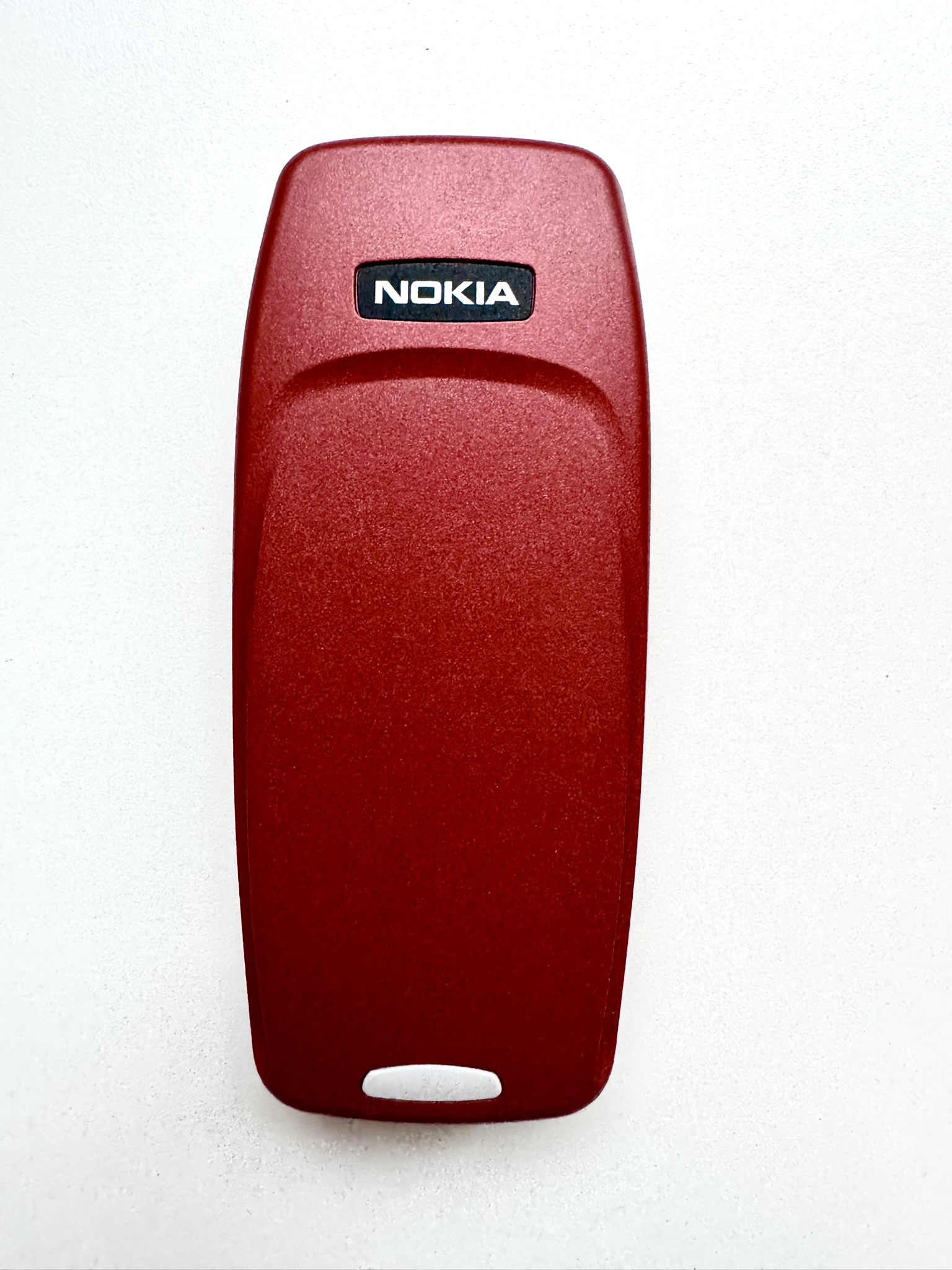
📰 Why this phone matters: An exceptionally rare Nokia 3350 NHM-9NX prototype, built during the P2.3 engineering phase of Nokia’s internal development cycle. Carrying the codename “Ladybird”, this unit predates the commercial Nokia 3350 and represents one of the earliest hardware validation builds of the series.Prototypes in the P-series (especially below P3.0) were never intended for public exposure and were used strictly within Nokia’s labs for early software integration, RF calibration, UI tuning and keypad response testing. This P2.3 unit retains all the classic prototype signatures:
PROTO – P2.3 designation
Pre-release internal model name “Ladybird”
No commercial model number printed
Simplified regulatory labeling
Early keypad and housing materials
The front shell features a colour tone and paint texture not identical to the final retail 3350, confirming it as an early body variant used before mass-production plastics and colouring were locked. The keypad shape and iconography also resemble transitional test designs typical of P-series engineering handsets.
As part of Nokia’s early-2000s mid-range development line, the 3350 was known for its rugged build, SMS chat features, WAP support, customizable profiles and rock-solid battery life. This prototype offers a direct look into the internal pre-production evolution of one of Nokia’s most widely used platforms in Asia and eur;ope.
📝 Reviews when released: N/A 💔
-
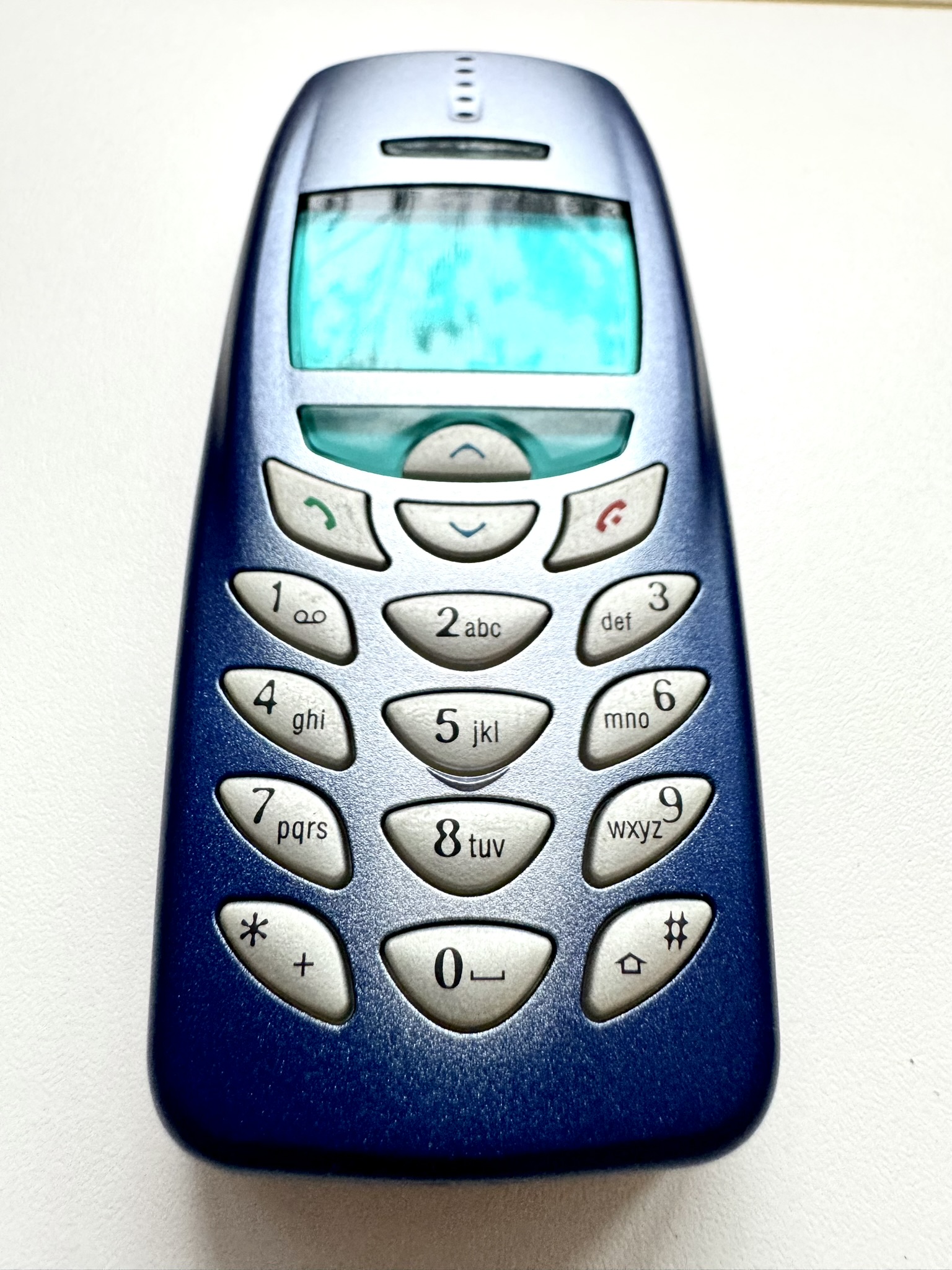
Nokia 3350 Prototype B2.1 : “Ladybird” Early Engineering
Quick View💎 Rarity Index: S (Ultra Rare)
👁 Evaluation in my collection: New – 10/10
🕵 Nokia Codename: LadyBird
⏱ Life timer: 0 | 📦 Boxed: NO
📅 Release Year: 2002 | 💰 Release Price: N/A
📊 Units Sold: ~8M (final units)
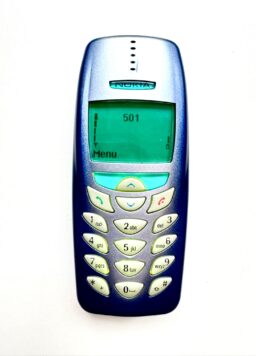
📰 Why this phone matters: A highly rare Nokia 3350 NHM-9NX prototype from the B-series engineering phase, carrying the internal codename “Ladybird”.
This B2.1 prototype predates the commercial Nokia 3350 by a significant margin and belongs to one of Nokia’s earliest functional validation waves – far earlier and far scarcer than the P-series engineering units.The B-series prototypes were used exclusively within Nokia’s R&D labs during the earliest stages of hardware and firmware development. These devices formed the foundation of the 3350 platform, serving for keypad matrix testing, UI logic integration, RF tuning, electrical stability checks, and early material experimentation. Units at this stage were never intended to leave Nokia’s possession.
This particular sample is exceptional thanks to:
PROTO – B2.1 designation (rare early engineering phase)
Internal model name “Ladybird”
Experimental blue housing with pre-production paint texture
Unreleased keypad variant, featuring a unique key-shape geometry and distinct iconography
Early-mould plastics not matching final production tolerances
Simplified internal regulatory labeling
?? Important rarity note:
The internal chassis dimensions of this B2.1 prototype differ from all later builds. No commercial Nokia 3350 back cover – and not even P-series prototype back covers – will fit this handset. This confirms that the device comes from an early hardware revision before Nokia finalized the external shell specifications. Such incompatibility is typical only for B-series engineering samples and dramatically increases its historical uniqueness.The blue front shell also features a colour tone not used in mass production, showing Nokia’s exploration of material finishes before final design locking.
As an early DCT-3 era engineering artefact, this B2.1 “Ladybird” prototype is exceptionally rare. With its unique housing geometry, non-final keypad, and unmatched chassis dimensions, it stands as a museum-grade piece that represents a developmental phase almost never seen outside Nokia’s own engineering teams.
A highly valuable and distinctive addition to any advanced Nokia prototype collection.
📝 Reviews when released: N/A 💔
-
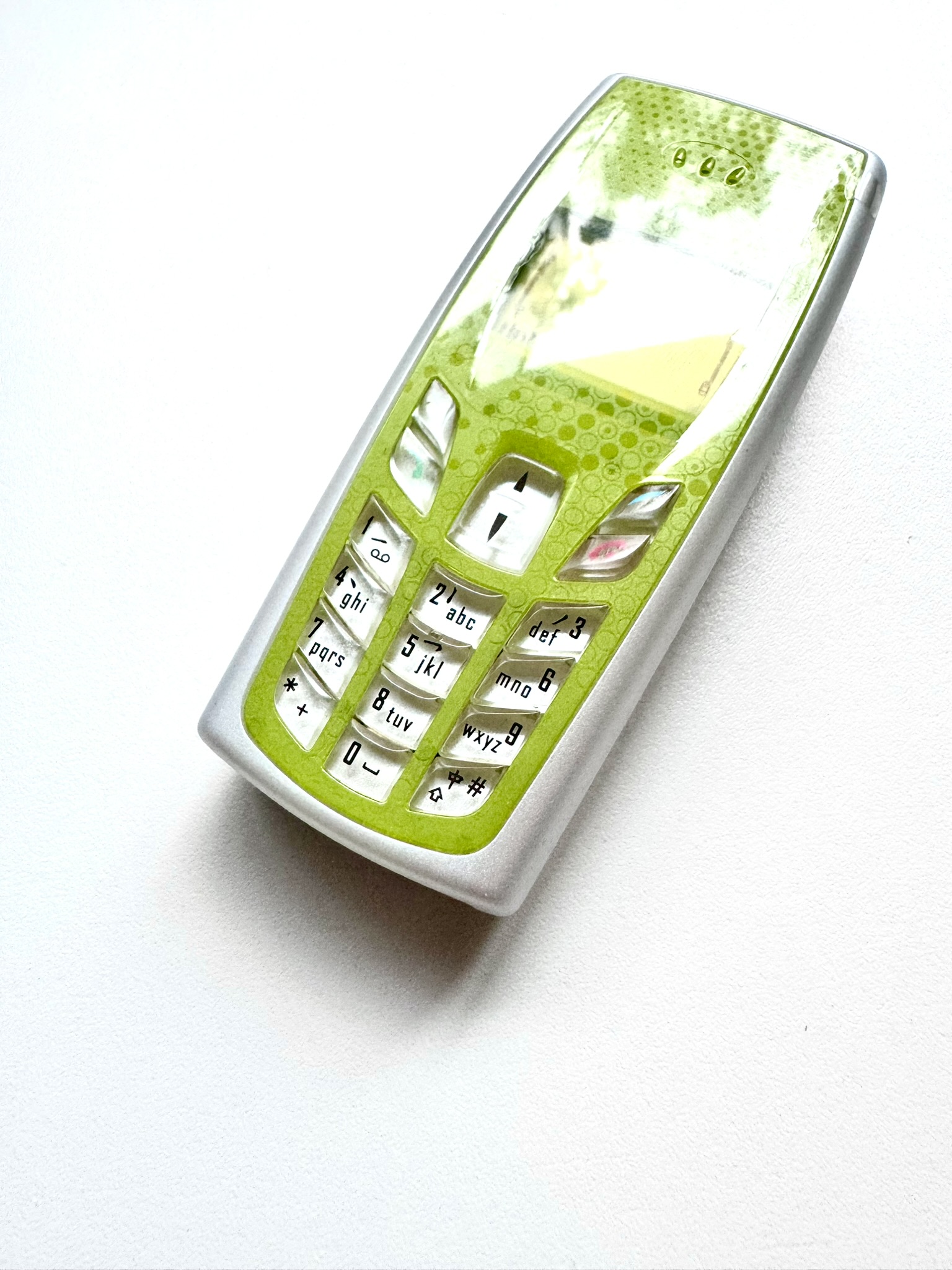
Nokia 3610 Prototype B5.0 : Rare Lime Green Variant
Quick View💎 Rarity Index: S (Ultra Rare)
👁 Evaluation in my collection: Great – 9.5/10
🕵 Nokia Codename: LadyBird
⏱ Life timer: 12h | 📦 Boxed: NO
📅 Release Year: 2002 | 💰 Release Price: 150 €
📊 Units Sold: ~1M (final units)
📰 Why this phone matters: A genuine Nokia 3610 Prototype B5.0 (Type NAM-1), originating from Nokia’s internal late engineering phase. The PROTO B5.0 marking, the blank Model field, and the early-format Nokia R&D label identify it as a true pre-production unit used for hardware validation, firmware testing, and RF checks before the model entered final approval.Although this prototype uses a housing and keypad identical to later retail versions, the internal label and hardware revision confirm its role as an authentic Nokia lab device – produced in small quantities and never intended for commercial distribution.
A compact but historically significant DCT4-era engineering sample, and a solid rarity for any serious Nokia prototype collection.
📝 Reviews when released: N/A 💔
-
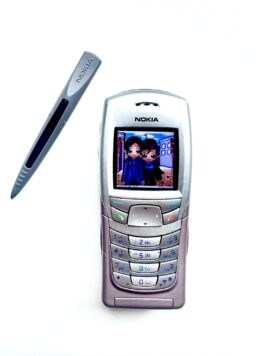
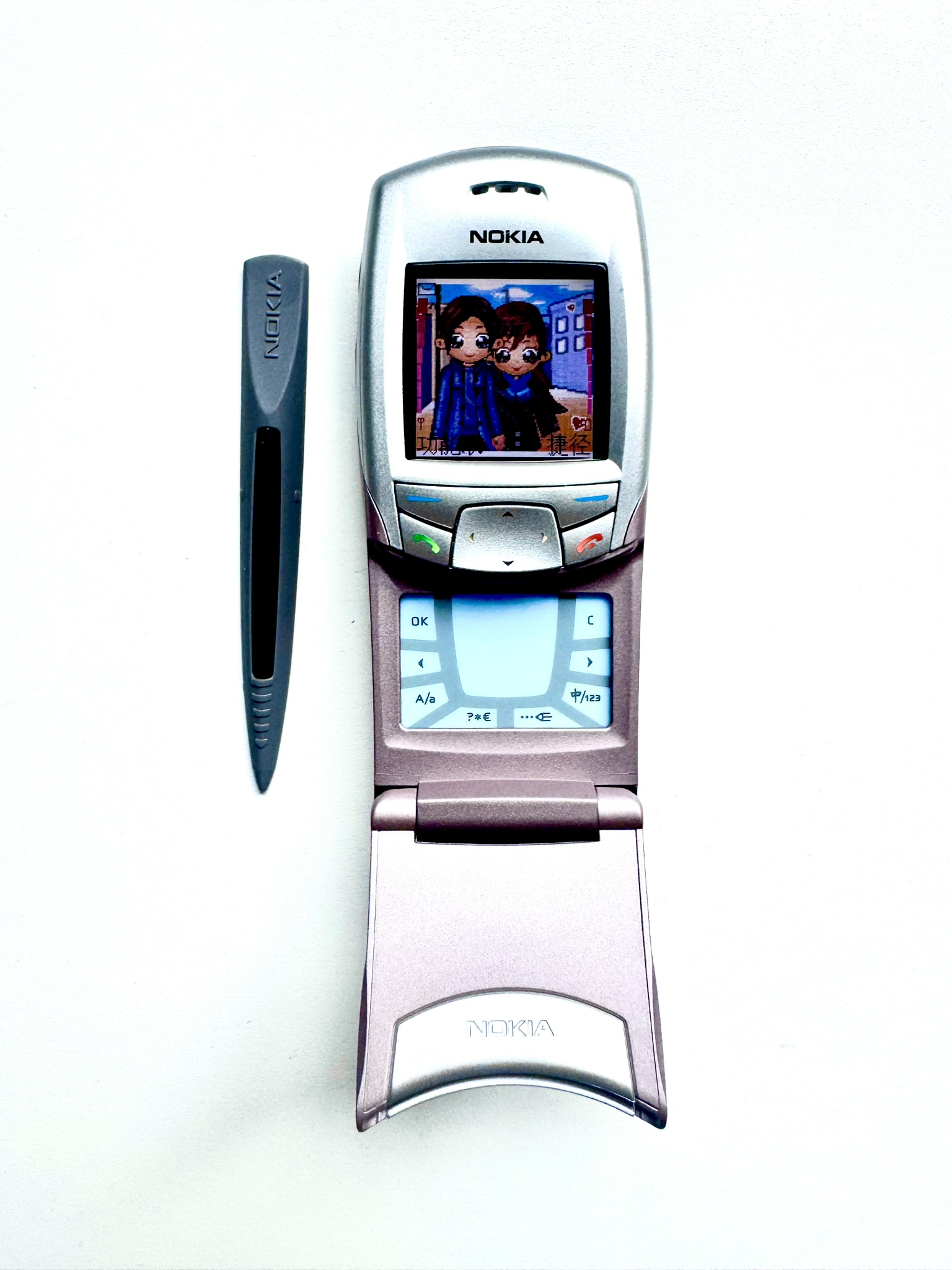
Nokia 6108 Prototype B5.0: Early Engineering Sample in Pink
Quick View💎 Rarity Index: S (Ultra Rare)
⭐ WOW Factor: Handwriting Recognition
👁 Evaluation in my collection: Good – 9/10
🕵 Nokia Codename: Libai
⏱ Life timer: 3 | 📦 Boxed: NO
📅 Release Year: 2003 | 💰 Release Price: 200 €
📊 Units Sold: ~300k (final units)
📰 Why this phone matters: A striking Nokia 6108 Prototype B5.0, internal codename “LiBai”, built under Type RH-4 and marked with the unmistakable Model: XXYY placeholder – one of Nokia’s classic signatures for true pre-production devices. The PROTO B5.0 designation places this unit in the late engineering stage, where final hardware refinements, handwriting-input validation and UI stability testing were performed before the model was green-lit for production.The pink housing paired with this prototype label makes it highly distinctive: while certain pink variants were later released in select Asian markets, the internal markings on this unit – early production codes, non-consumer label structure, and the development codename printed directly on the shield – confirm it as part of Nokia’s controlled R&D chain rather than a retail batch.
With its clean prototype identifiers, engineering-phase hardware and the unique “LiBai” project naming, this 6108 B5.0 proto stands as a rare and desirable example of Nokia’s experimental era, capturing the device exactly as it passed through the company’s internal development process.
📝 Reviews when released: N/A 💔
-
Nokia 7070 Prism Prototype S2.1: The Prism Collection
Quick View💎 Rarity Index: S (Ultra Rare)
👁 Evaluation in my collection: As New – 10/10
⏱ Life timer: | 📦 Boxed: NO
📅 Release Year: 2008 | 💰 Release Price: ~230 €
📊 Units Sold: ~1.5M (final units)
📰 Why this phone matters: A genuine pre-production Nokia 7070 Prism – RH-116 prototype from the SCORPION design family, used during Nokia’s hardware and software validation cycle. This engineering sample features a prototype IMEI (004401?), PSN labeling, exposed HWID (0211), and the rare ‘Kiev S2-1’ internal test sticker.Manufactured in China as part of Nokia’s early prototype assembly runs, the device was then shipped to Nokia’s Kyiv (Ukraine) R&D validation center, where Software Stage 2 (S2) firmware and first-revision hardware (Substage 1) were tested for CIS-region operators. This China-production + Kyiv-testing pipeline was standard for Nokia’s mid-2000s development workflow and confirms the device’s authentic R&D provenance.
Fitted with an original Nokia ‘Market Sample’ back housing used for pre-launch demonstrations and retail previews, still carrying factory protective film. A rare SCORPION prototype combining true engineering hardware, regional R&D testing history, and pre-market cosmetic hardware – one of the most collectible 7070 Prism variants ever found
📝 Reviews when released: Phone Arena 🔗
-


Nokia 7280 Prototype F4.0 : The Jinx
Quick View💎 Rarity Index: S (Ultra Rare)
⭐ WOW Factor: Fortune Magazine listed it as one of the best products of 2004 while its design was praised by the jury in the iF product design awards for 2005.
👁 Evaluation in my collection: Great – 9/10
🕵 Nokia Codename: Jinx
⏱ Life timer: 5m | 📦 Boxed: NO
📅 Release Year: 2004 | 💰 Release Price: ~600 $
📊 Units Sold: ~200k (final units)
📰 Why this phone matters: A centerpiece for any top-tier Nokia collection, this Nokia 7280 JINX Prototype represents the earliest incarnation of one of the most iconic fashion phones ever created. Designed as part of the luxurious L’Amour Collection, the 7280 redefined mobile aesthetics with its lipstick-inspired form factor, mirror-black finish, and rotating Navi-Spinner, earning TIME Magazine’s “Gadget of the Year” distinction.This prototype predates the commercial release, carrying the internal codename JINX and the early F4 hardware build, along with restricted-use labels such as “PROPERTY OF NOKIA” and a prototype IMEI range exclusive to engineering units. These details confirm its use in internal validation, UI testing, radio calibration, and industrial design approvals.
Pristine, original, and fully authentic, this piece represents the raw development phase of a phone that shaped Nokia’s luxury image in the mid-2000s.
A true collector’s artefact.📝 Reviews when released: Mobile Review 🔗
-


Nokia 7500 Prism Swarovski : Never Sold
Quick View💎 Rarity Index: S (Ultra Rare)
⭐ WOW Factor:
👁 Evaluation in my collection: Great – 9.5/10
🕵 Nokia Codename: Scorpion
⏱ Life timer: 1h | 📦 Boxed: NO
📅 Release Year: 2007 | 💰 Release Price: N/A
📊 Units Sold: 0 units
📰 Why this phone matters: Nokia 7500 Prism (RM-249, codename SCORPION) – a rare China event-edition custom unit created for Nokia’s Our Internet Life 2008 exhibitions. Built on a genuine Made-in-Finland 7500 Prism mainboard (product code 0544425), this piece features the unique crystal-studded front and back housings used in Nokia’s fashion and design showcases in Beijing and Shanghai. The diamond-grid pattern was hand-decorated specifically for promotional display and was never released as a commercial product. With its authentic hardware, precise crystal layout, and event-only aesthetic, this is one of the rarest and most visually distinctive variations of the SCORPION Prism family.📝 Reviews when released: Mobile Review 🔗
-
Nokia N82 Prototype S3.2: The Flash Xenon Genesis Device
Quick View💎 Rarity Index: S (Ultra Rare)
👁 Evaluation in my collection: As New – 10/10
🕵 Nokia Codename: Sharaku or Tiger
⏱ Life timer: 0m | 📦 Boxed: NO
📅 Release Year: 2007 | 💰 Release Price: ~450 €
📊 Units Sold: ~2M (final units)
📰 Why this phone matters: This unit is a genuine Nokia N82 PROTO S3.2, originating from a late-stage engineering batch used by Nokia for field validation prior to commercial release. The PROTO S3.2 marking identifies it as a Stage 3.2 engineering device, meaning it had near-final hardware but was still running precommercial firmware intended for network, camera, and stability testing. Only a very small number of these were produced, and most were destroyed after internal validation.The RM-314 internal board combined with the 004401 IMEI prefix, missing IMEI barcode, and CMII placeholder confirms that this unit predates formal regulatory submission and was never intended for retail sale. The presence of a 2D matrix tag rather than a standard retail IMEI label is a Nokia R&D signature seen only on true engineering property.
The chrome mirror housing is a known prototype mechanical shell used before finalizing the production colors. This non-retail reflective finish allowed engineers to detect micro-cracks, alignment issues, and housing fatigue during testing. The keypad includes Chinese character markings, indicating that this unit was part of the APAC field-testing program, where network compatibility, input methods, and Chinese localizations were evaluated.
The Nokia N82 itself was one of the most important camera phones of its era, introducing a xenon flash that outperformed the N95 and set new standards for mobile photography. Built on Symbian OS v9.2 with S60 3rd Edition FP1, the N82 combined GPS, Wi-Fi, HSDPA, and a 5 MP Carl Zeiss camera into what many considered the best camera phone of 2007. As the last high-end candybar Nseries device before the shift to sliders and touchscreens, the N82 marks the end of a major design era at Nokia.
This prototype captures the device at the critical moment before release, with a rare combination of S3.2 prototype labeling, APAC keypad, chrome housing, and internal RM-314 board markings. Few surviving units include all these characteristics, making this one of the most historically significant and collectible N82 prototypes known today.
📝 Reviews when released: Mobile Review 🔗
-
Nokia N91 4GB Prototype: B5.2 Asia Variant
Quick View💎 Rarity Index: S (Ultra Rare)
⭐ WOW Factor: The first ever phone encompassing a 4 GB internal hard drive allowing storage for 3.000 songs (the 8 GB revision came later), Tthe first Nokia phone to run on Symbian 9.1.
👁 Evaluation in my collection: Great – 9.5/10
🕵 Nokia Codename: Nemo-W
⏱ Life timer: 0h | 📦 Boxed: NO
📅 Release Year: 2007 | 💰 Release Price: ~700 $
📊 Units Sold: ~800k (final units)
📰 Why this phone matters: Nokia N91 – RM-158 Prototype (4GB, Asia Variant, B5.2 Hardware)This device is a genuine Nokia N91 4GB prototype, built on the RM-158 platform-a development variant created specifically for the Asia/APAC market. Unlike the standard eur;opean N91 4GB (RM-43), this pre-production unit showcases a different internal hardware configuration, unique labeling, and a regional color scheme that never appeared on global retail models.
Marked clearly with “PROTO B5.2 – NOT FOR SALE” and manufactured in Finland, this unit represents an early engineering build used by Nokia during the final testing stages of the Asia-market N91. The RM-158 board differs from RM-43 through its regional firmware branches, radio configuration, and production-specific tuning, making this prototype significantly rarer than any retail device.
Its exterior features the Asia-exclusive color variant, a darker, metallic finish paired with a distinct keypad shade-used only in APAC commercial releases but extremely scarce worldwide. In prototype form, the materials, texture, and finish differ subtly from production units, highlighting the transitional stage between engineering samples and final mass manufacturing.
With full prototype identifiers, pre-market barcodes, engineering hardware codes, and its unusual combination of Asia-market aesthetics with Finnish factory proto build, this RM-158 N91 stands as a prime collectible from Nokia’s golden era.
Perfect for collectors seeking regional hardware variations, early-stage engineering units, and rare prototype-only configurations.
📝 Reviews when released: Mobile Review 🔗