

">

Showing 1–12 of 28 results
-
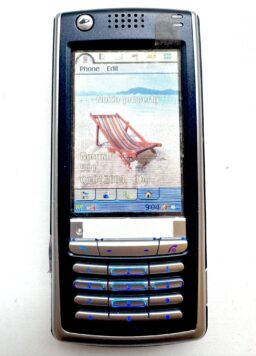
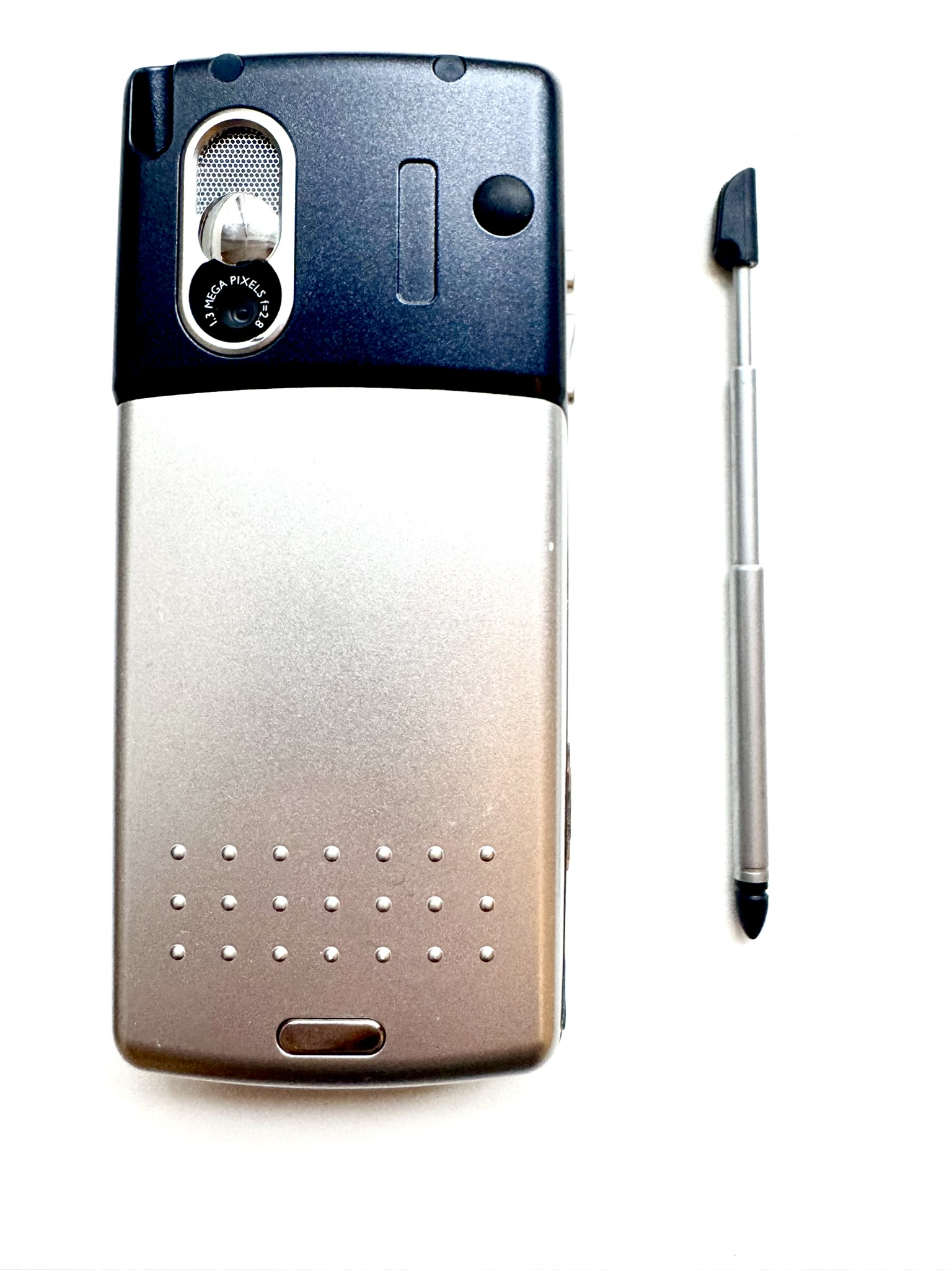
BenQ P31 Unreleased Prototype: Nokia 6708’s Hidden Twin
Quick View💎 Rarity Index: X (Mystical Prototype)
⭐ WOW Factor: The BenQ P31 is the original device behind the Nokia 6708
It is one of the only non-Nokia smartphones ever sold with Nokia branding.
👁 Evaluation in my collection: Great – 9.5/10
⏱ Life timer: N/A | 📦 Boxed: NO
📅 Release Year: 2004 | 💰 Release Price: N/A
📊 Units Sold: 0
📰 Why this phone matters: This unit is an ultra-rare BenQ P31 engineering prototype, representing one of the most historically significant missing links in Symbian UIQ development. Originally conceived around 2003-2004 as BenQ’s entry into the high-end touchscreen smartphone market, the P31 was built on Symbian OS 7 with UIQ 2.1 and designed as a compact, stylus-driven business device. It never reached commercial release, and only a very small number of early engineering samples were ever produced.This unit stands out immediately. It carries no BenQ branding, no label, no IMEI sticker, and no certification markings whatsoever, confirming it as a direct engineering lab device belonging to the EVT or very early DVT phase. Even more extraordinary, it boots with Nokia startup logos, revealing its role in one of the most unusual collaborations in Symbian history: the transformation of the BenQ P31 hardware platform into the commercial Nokia 6708.
During development, Nokia needed a UIQ device for Asian markets but did not want to engineer new UIQ hardware from scratch. Instead, Nokia evaluated the P31 as a potential base. This unit belongs to the narrow transitional window where Nokia UIQ firmware branches were loaded onto BenQ hardware to test compatibility, performance, and UIQ adaptation. Evidence of this includes Nokia boot screens, Nokia font structures, early Nokia overlays for PIM apps, and firmware variant directories corresponding to internal Nokia identifiers such as E582 or UIQ test builds. This type of cross-firmware contamination is almost never seen outside internal Symbian development environments.
Hardware examination indicates the original P31 layout: touchscreen with stylus input, UIQ key structure, OMAP-based platform, VGA camera module, and early UIQ 2.1 software stack. The matte prototype plastics, generic shielding, unbranded flex cables, and absence of final molding marks clearly separate it from the later Nokia 6708 retail hardware. Meanwhile, the Nokia firmware elements confirm the device was active during the validation period before Nokia redesigned the shell, finalized the PCB revisions, and prepared the 6708 for market release.
Historically, the BenQ P31 is known from documents, press mentions, and UIQ SDK references but extremely few physical units survive. Most were destroyed when BenQ cancelled its Symbian efforts and shifted to Windows Mobile and Siemens acquisition projects. Estimates based on engineering validation patterns suggest fewer than 40 to 80 EVT devices were made, with only a fraction entering Nokia testing flows. Units that display Nokia boot elements but retain full P31 prototype hardware are believed to number in the low single digits, making this unit one of the rarest Symbian UIQ artifacts in private hands.
Beyond rarity, this unit captures an entire unspoken chapter of smartphone evolution. It demonstrates how early OEM partnerships shaped device portfolios, how Symbian UIQ was adapted beyond Sony Ericsson hardware, and how Nokia explored touchscreen ecosystems prior to its Series 90 and later platforms. The P31 shows that Nokia was more deeply involved in UIQ experimentation than publicly acknowledged, using BenQ hardware as a bridge to enter UIQ markets quickly. It also highlights the technical flexibility of Symbian OS 7 and UIQ 2.1, which could be made to run on foreign hardware architectures with relatively limited porting.
For collectors, this unit sits at the highest echelon of prototype rarity. It is a never-released engineering platform, positioned between two manufacturers, with firmware that exposes internal development layers normally hidden inside corporate labs. It is a device that not only predates the Nokia 6708, but directly influenced its existence. As a result, this BenQ P31 prototype is not just a smartphone; it is a critical historical artifact documenting the intersection of BenQ’s abandoned Symbian ambitions and Nokia’s strategic adaptation of UIQ technology.
This unit, with its untouched prototype housing, label-free chassis, stylus support, UIQ interface, and Nokia boot sequences, stands as one of the finest surviving examples of transitional Symbian engineering hardware. It is a cornerstone piece for any top-tier collection focused on prototypes, UIQ development, or cross-manufacturer Symbian evolution.
📝 Reviews when released: N/A 💔
-
NEC N900: Ultra-Compact 2004 GSM Phone
Quick View💎 Rarity Index: A (Rare)
⭐ WOW Factor: A phone so ahead of its time it forgot to include an earpiece – the NEC N900 is pure early-2000s sci-fi hardware.
👁 Evaluation in my collection: Great – 10/10
⏱ Life timer: N/A | 📦 Boxed: NO
📅 Release Year: 2004 | 💰 Release Price: ~320 $
📊 Units Sold: ~400k
📰 Why this phone matters: The NEC N900 is one of the most obscure and fascinating micro-handsets ever released in the early 2000s-a device that looks like a tiny PDA more than a phone, designed for the Chinese GSM/GPRS market and produced in extremely limited numbers. This particular unit stands out even further for its unconventional keypad layout, with keys positioned in a way that differs from final versions, suggesting an early-batch or special-production configuration rarely seen today.The N900 was engineered around minimalism and compactness, which led NEC to take one of its boldest decisions: the phone has no built-in earpiece. All voice calls must be made using the proprietary NEC headset, making it one of the few mobile phones in history that cannot be held to the ear to talk. This unusual constraint reflects NEC’s original intention for the N900 to be a messaging-centric smart device, not a traditional voice phone.
Despite its tiny footprint, the N900 packs surprising features for its era:
– a touch-style 2.2-inch display framed in metal
– circular metallic keys arranged in a distinctive grid
– full GSM/GPRS support
– NEC’s proprietary OS used on early N-series smart devices
– ultra-compact form factor comparable to the Nokia 82xx series, yet far more futuristic
This unit retains its authentic operator security seal, original structural components, and the rare keypad configuration-making it a genuinely collectible piece of early-2000s mobile experimentation.
A device like this embodies a short-lived moment when manufacturers dared to rethink what a phone could look like-before smartphones standardized everything. The NEC N900 is a perfect example of that creative chaos, and your piece is one of the cleanest surviving specimens.
📝 Reviews when released: N/A 💔
-


Nokia 2650 Gray
Quick View💎 Rarity Index: C (Common)
👁 Evaluation in my collection: Great – 9.5/10
🕵 Nokia Codename: Pinoccchio
⏱ Life timer: 15h | 📦 Boxed: NO
📅 Release Year: 2004 | 💰 Release Price: ~125 $
📊 Units Sold: ~2M
📰 Why this phone matters: The Nokia 2650 was first made public in the second quarter of 2004. The model was one of Nokia’s few clamshell releases at that time, and being an entry-level phone, it became popular largely due to its low price.📝 Reviews when released: Mobile Review 🔗
-
Nokia 2650 Quiksilver: Sealed Boost Mobile Brown Edition
Quick View💎 Rarity Index: S (Ultra Rare)
⭐ WOW Factor: Quiksilver Nokia 2650 by Boost Mobile is a co-branded surf lifestyle edition
👁 Evaluation in my collection: Great – 9.5/10
🕵 Nokia Codename: Pinoccchio
⏱ Life timer: 15h | 📦 Boxed: YES
📅 Release Year: 2004 | 💰 Release Price: ~125 $
📊 Units Sold: ~50k
📰 Why this phone matters: This unit is a sealed time capsule from the mid 2000s surf and pre paid boom: the Quiksilver Nokia 2650 by Boost Mobile, built on the Brown variant of Nokia’s classic clamshell and wrapped in a massive co branded retail pack. The front of the box is pure surf culture, with bold Quiksilver graphics, a surfer crashing through the waves and a custom Nokia 2650 shown with Quiksilver logos and stripes on the flip. Boost Mobile and yes Optus badges underline that this was the Australian youth offer of its time, complete with a free Boost mini lanyard and 10 dollars of pre paid credit right out of the box.The Quiksilver edition is more than a simple color variant. This bundle includes unique Quiksilver artwork on the phone’s shell, a dedicated Boost Mobile mini lanyard accessory, special surf themed packaging, and prepaid credit built into the offer. The entire package was created as a lifestyle product, tying Nokia’s entry level clamshell design to the surf and skate identity that Boost Mobile used to dominate the prepaid market in Australia. The huge graphic box and branded phone shell make this edition visually stand out far beyond the standard 2650 Brown.
Technically, the phone inside is a standard Nokia 2650: a compact clamshell Series 40 device with a 128×128 color CSTN display, LED alerts for calls and SMS, GPRS data, Java games and BL-4C battery. What makes this sealed Quiksilver edition extraordinary is not a change in hardware, but the way Nokia and Boost wrapped it into a lifestyle bundle. For a collector, this is more than just a phone box; it is a complete, untouched artifact of early 2000s mobile branding, merging Nokia engineering, Quiksilver surf identity and Boost Mobile’s prepaid culture into one rare, perfectly preserved package.
📝 Reviews when released: Mobile Review 🔗
-


Nokia 2650 Red
Quick View💎 Rarity Index: C (Common)
👁 Evaluation in my collection: Great – 9.5/10
🕵 Nokia Codename: Pinoccchio
⏱ Life timer: 28h | 📦 Boxed: NO
📅 Release Year: 2004 | 💰 Release Price: ~125 $
📊 Units Sold: ~2M
📰 Why this phone matters: The Nokia 2650 was first made public in the second quarter of 2004. The model was one of Nokia’s few clamshell releases at that time, and being an entry-level phone, it became popular largely due to its low price.📝 Reviews when released: Mobile Review 🔗
-


Nokia 2652
Quick View💎 Rarity Index: C (Common)
👁 Evaluation in my collection: Great – 9.5/10
🕵 Nokia Codename: Pinoccchio
⏱ Life timer: N/A | 📦 Boxed: NO
📅 Release Year: 2004 | 💰 Release Price: ~125 $
📊 Units Sold: ~500k
📰 Why this phone matters: The Nokia 2650 was first made public in the second quarter of 2004. The model was one of Nokia’s few clamshell releases at that time, and being an entry-level phone, it became popular largely due to its low price.📝 Reviews when released: Mobile Review 🔗
-


Nokia 3220 Blue
Quick View💎 Rarity Index: C (Common)
👁 Evaluation in my collection: Great – 9/10
🕵 Nokia Codename: Asterix
⏱ Life timer: 04h | 📦 Boxed: NO
📅 Release Year: 2004 | 💰 Release Price: ~230 $
📊 Units Sold: ~8M
📰 Why this phone matters: The Nokia 3220 is a GSM, Series 40 mobile phone from Nokia. The Nokia 3220 was introduced on 31 May 2004 as a “fun” device with LED lights and Xpress-on covers.It was the first entry-level phone that offered full access to the Internet, with an XHTML browser and POP3/IMAP email client. The tri-band camera phone uses GPRS and EDGE for its internet connections.📝 Reviews when released: Mobile Review 🔗
-


Nokia 3220 Brown
Quick View💎 Rarity Index: C (Common)
👁 Evaluation in my collection: Brand New Swap – 10/10
🕵 Nokia Codename: Asterix
⏱ Life timer: 01m | 📦 Boxed: NO
📅 Release Year: 2004 | 💰 Release Price: ~230 $
📊 Units Sold: ~8M
📰 Why this phone matters: The Nokia 3220 is a GSM, Series 40 mobile phone from Nokia. The Nokia 3220 was introduced on 31 May 2004 as a “fun” device with LED lights and Xpress-on covers.It was the first entry-level phone that offered full access to the Internet, with an XHTML browser and POP3/IMAP email client. The tri-band camera phone uses GPRS and EDGE for its internet connections.📝 Reviews when released: Mobile Review 🔗
-
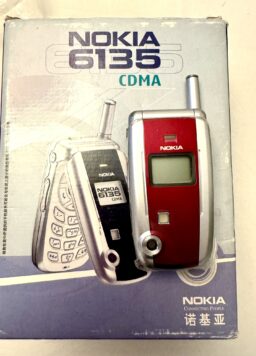
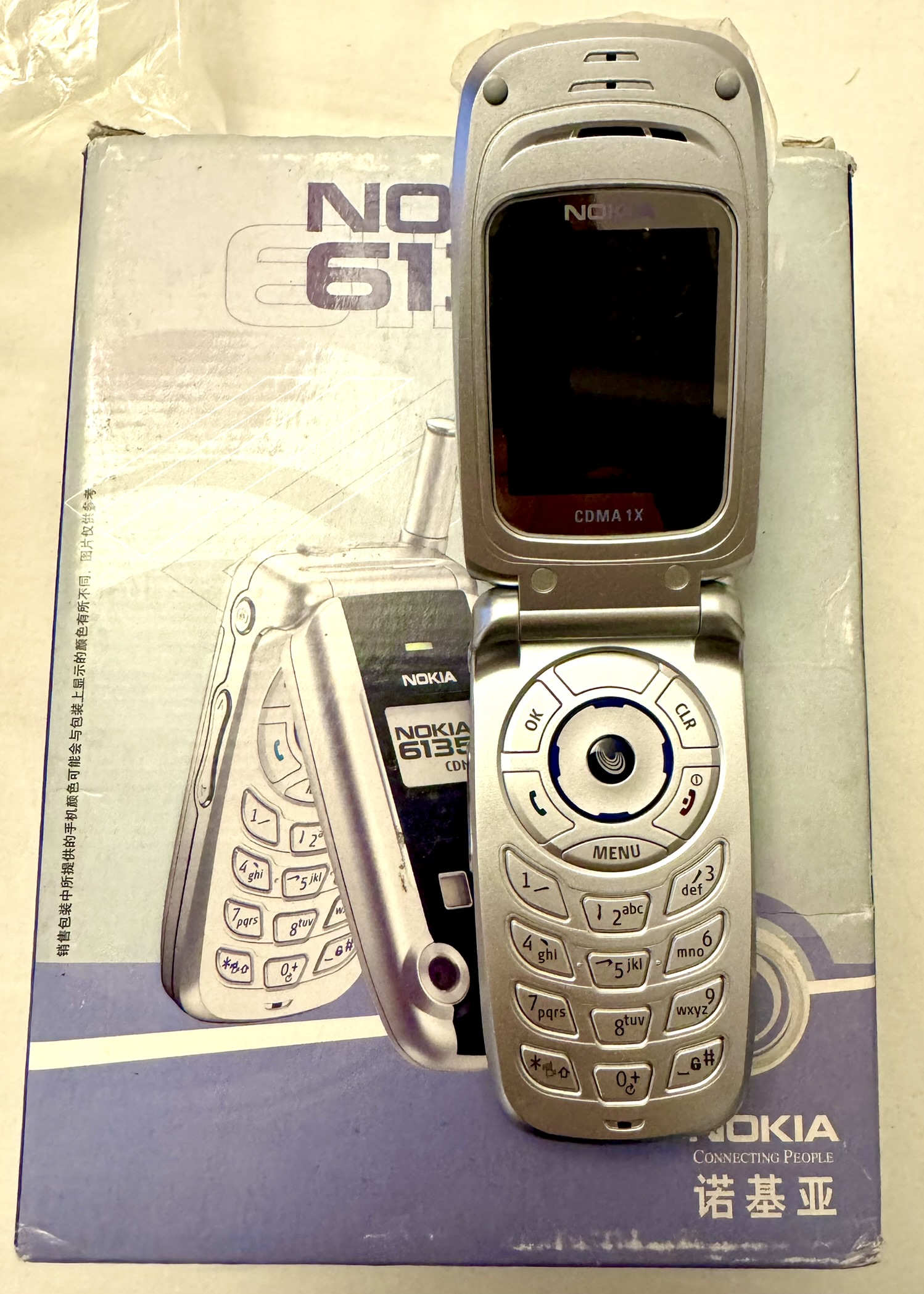
Nokia 6135: China-Market CDMA Edition
Quick View💎 Rarity Index: A (Rare)
👁 Evaluation in my collection: BNIB – 10/10
⏱ Life timer: 0 | 📦 Boxed: YES
📅 Release Year: 2004 | 💰 Release Price: ~350 $
📊 Units Sold: ~500k
📰 Why this phone matters: A rare Nokia CDMA clamshell created exclusively for the Chinese market and engineered around Qualcomm’s CDMA2000 1x platform. Unlike Nokia’s global GSM lineup, the 6135 uses a Nokia-custom CDMA OS with BREW support, the “CDMA by Qualcomm” branding, and the distinctive hardware configuration unique to early China Telecom devices.Certified under CMII in 2004 and produced in limited volume, the 6135 remains one of the least-known Nokia models ever released. Running on the classic BL-5C battery and carrying RM-98 internal architecture, it represents a rarely seen branch of Nokia’s portfolio – a hybrid of Nokia design and Qualcomm radio technology.
📝 Reviews when released: N/A 💔
-
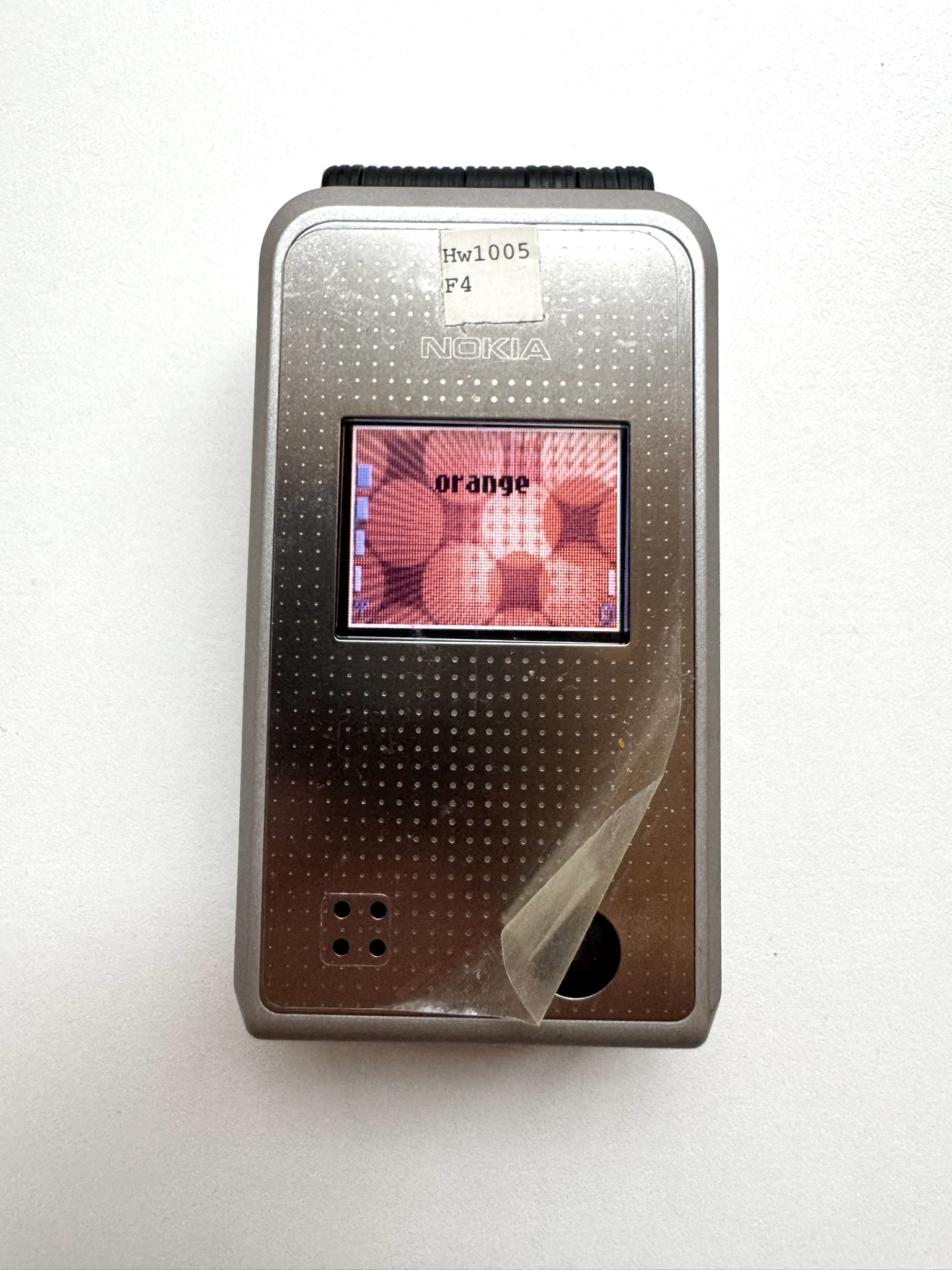
Nokia 6170 Prototype “Castor” : Stainless Steel Clamshell
Quick View💎 Rarity Index: S (Ultra Rare)
⭐ WOW Factor: Metal Clamshell
👁 Evaluation in my collection: Great – 9/10
🕵 Nokia Codename: Castor
⏱ Life timer: 0h | 📦 Boxed: NO
📅 Release Year: 2004 | 💰 Release Price: ~300 €
📊 Units Sold: ~1.5M (final units)
📰 Why this phone matters:📝 Reviews when released: cNET 🔗
-


Nokia 6260
Quick View💎 Rarity Index: C (Common)
👁 Evaluation in my collection: Great – 9/10
🕵 Nokia Codename: Lightning
⏱ Life timer: N/A | 📦 Boxed: YES
📅 Release Year: 2004 | 💰 Release Price: ~380-400 $
📊 Units Sold: ~2M
📰 Why this phone matters: The Nokia 6260 is a high-end business orientated clamshell phone, similar in many ways to the Nokia 6230 bar phone.The 6260 has some interesting features, including Push-To-Talk (PTT) enabling low-cost and easy conferencing or one-to-one chat using the inbuilt GPRS data connection, a swivelling screen to help with web surfing and picture taking, and a mobile VPN client to allow business users to connect to corporate networks securely. There’s also Bluetooth, removable MMC memory cards and the Symbian Series 60 operating system.📝 Reviews when released: Mobile Review 🔗
-


Nokia 6610i
Quick View💎 Rarity Index: C (Common)
👁 Evaluation in my collection: Brand New Swap – 10/10
🕵 Nokia Codename: Jacqueline
⏱ Life timer: 0m | 📦 Boxed: NO
📅 Release Year: 2004 | 💰 Release Price: ~250 $
📊 Units Sold: ~15M
📰 Why this phone matters: The Nokia 6610i mobile telephone is an improved version of the Nokia 6610 with a built-in digital camera, launched in 2004. The phone’s internals are taken from the Nokia 7250i, and use the same software, both supporting XHTML. The Nokia 6610i is aimed at business users, while the Nokia 7250i is intended more to be a fashion phone.📝 Reviews when released: Mobile Review 🔗