

Showing 25–36 of 38 results
-
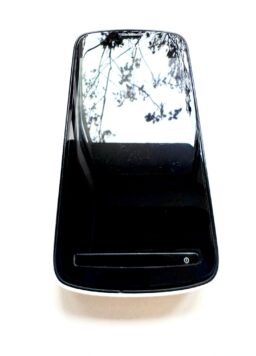

Nokia 808 PureView Prototype PreB2.0 :The Birth of PureView
Quick View💎 Rarity Index: S (Ultra Rare)
⭐ WOW Factor: This phone was the first in mobile history to break the 40 MP barrier.
👁 Evaluation in my collection: As New – 9.8/10
⏱ Life timer: N/A | 📦 Boxed: NO
📅 Release Year: 2012 | 💰 Release Price: ~800$
📊 Units Sold: ~1M (final units)
📰 Why this phone matters: The Nokia 808 PureView is already a landmark device in mobile history, but this unit takes that legacy to an entirely different level. This is not a retail phone. It is a genuine internal Nokia RM-807 prototype, a PreB2 development device marked Model 000 and stamped Property of Nokia Not For Sale. It represents one of the earliest hardware and firmware iterations used inside the company while engineers were finalizing the PureView imaging engine that would shock the industry in 2012.This unit includes everything expected from a true Nokia RnD sample: a 004402 prototype IMEI, an early HWID board, an internal PSN, an unreleased product code, and the proto.nokia.com branding on the front glass. It was never meant for public hands. Very few of these survived destruction protocols once the final hardware entered mass production. The phone is fully working and in new condition, even though it was used originally as a development tool.
The camera module alone makes this device a collector dream. The 41 MP PureView sensor is one of the most celebrated camera innovations ever put in a phone, and on a prototype the imaging stack often behaves differently, using pre release oversampling, early noise tuning, and unique processing steps that never made it into consumer firmware. Notes from Nokia imaging engineers confirm that early builds sometimes produced sharper, noisier, or more experimental photo profiles compared to retail firmware. Nokia jumped directly to 41 megapixels, a number so absurd for the time that most reviewers in 2012 thought it was a typo. This was the moment the industry realized that Nokia’s imaging division was operating on an entirely different level.
Inside, this RM-807 prototype keeps the classic single SIM layout. One slot is used for the micro SIM card and the second slot is a microSD bay for storage expansion, not a second SIM. Together with the white shell, the absence of retail markings, and the Model 000 labeling, this configuration underlines its role as a lab platform rather than a sales unit. Fully working and preserved, it captures a moment in mobile history that can never be replicated, standing as one of the rarest forms of the last true Symbian flagship ever created.
📝 Reviews when released: Engadget 🔗
-
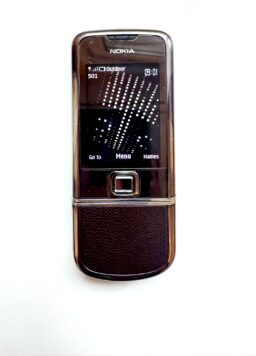
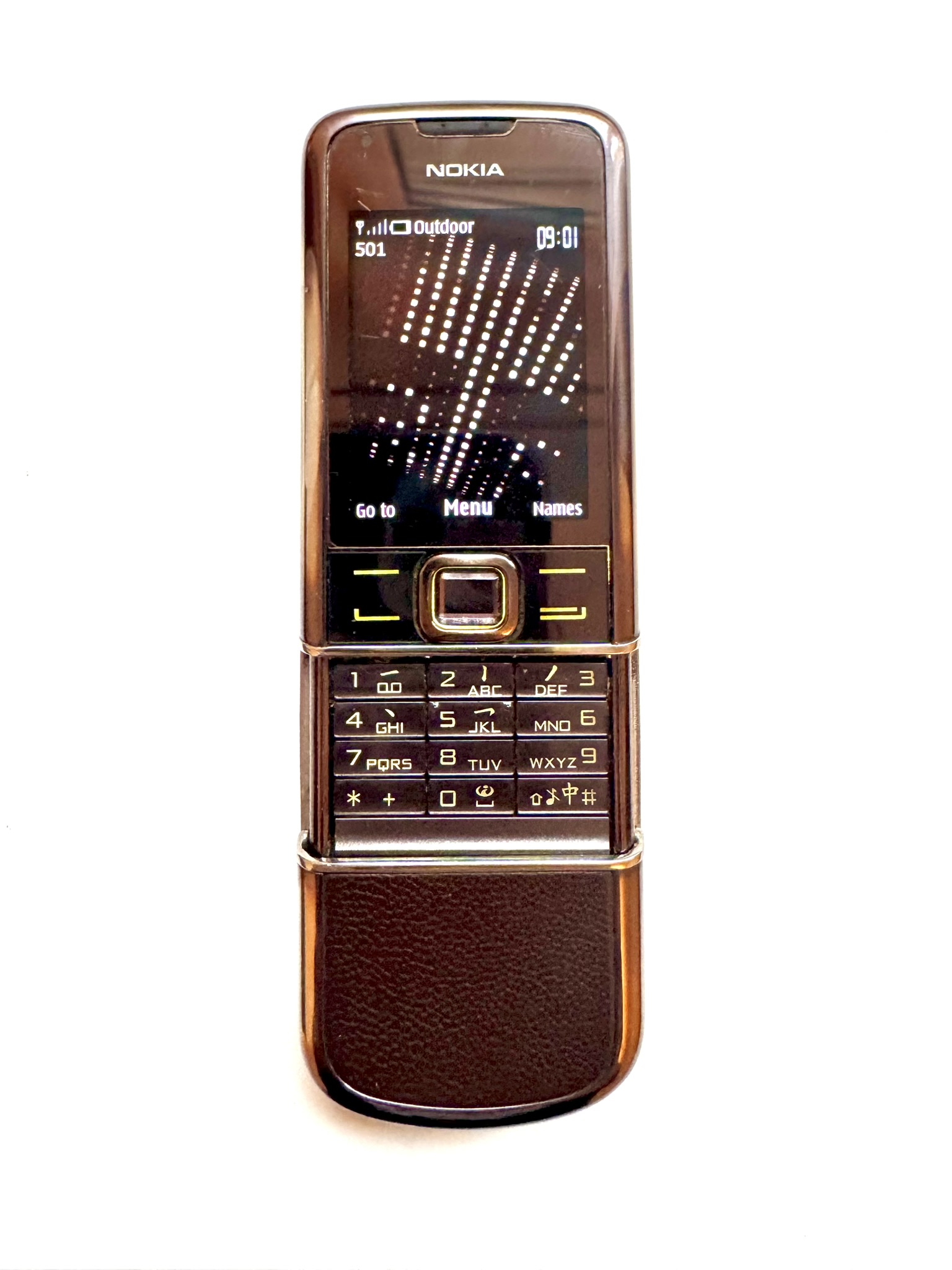
Nokia 8800 Arte Saphire Prototype
Quick View💎 Rarity Index: S (Ultra Rare)
⭐ WOW Factor: The central key uses real sapphire crystal, extremely scratch-resistant.
👁 Evaluation in my collection: Great – 9/10
🕵 Nokia Codename: Skira
⏱ Life timer: 83h | 📦 Boxed: NO
📅 Release Year: 2008 | 💰 Release Price: ~1500 €
📊 Units Sold: ~300k (final units)
📰 Why this phone matters: Nokia 8800 Sapphire Arte (RM-461) – the China-market edition of Nokia’s luxury Arte line, featuring a genuine sapphire crystal navigation key, real brown leather back cover, stainless-steel frame and the elegant mocha-brown titanium finish specific to this variant. Built in 2008 with a 1GB internal memory layout and the premium Series 40 Arte interface, this model was engineered for the Asian GSM market and operates on regional 2G frequencies (900/1800), unlike the global 8800e models which use quad-band hardware. Part of Nokia’s final luxury slider family, the Sapphire Arte remains one of the most refined and collectible 8800 variants ever produced📝 Reviews when released: Mobile Review 🔗
-


Nokia E60 Prototype F5.0
Quick View💎 Rarity Index: S (Ultra Rare)
👁 Evaluation in my collection: Great – 9.5/10
🕵 Nokia Codename: Mars
⏱ Life timer: 0m | 📦 Boxed: NO
📅 Release Year: 2006 | 💰 Release Price: N/A
📊 Units Sold: ~500k (final units)
📰 Why this phone matters: The Nokia E60 is a traditional candybar style smartphone from the Eseries business phone range, an S60 3rd Edition Symbian device. It was introduced on 12 October 2005 along with Nokia E61 and Nokia E70📝 Reviews when released: Mobile Review 🔗
-
Nokia E61 Prototype B3.0 : The “Smailer” | Unreleased Rare Black and Silver colour
Quick View💎 Rarity Index: S (Ultra Rare)
👁 Evaluation in my collection: Great – 9.8/10
🕵 Nokia Codename: Smailer
⏱ Life timer: 0 | 📦 Boxed: NO
📅 Release Year: 2006 | 💰 Release Price: ~250 €
📊 Units Sold: ~1M (final units)
📰 Why this phone matters: This unit is a remarkable historic artefact: a prototype Smailer RM-89 hardware build of the Nokia E61, finished in an unreleased two-tone silver and black housing that never reached consumer production. The color layout is unlike any retail E61, combining a silver frame with a black upper section and a unique keypad palette that does not exist on final units. The keypad itself uses a mixed color scheme reminiscent of the later E62 look, but with a configuration that was never approved for market release.Inside the casing you find the clearest testimony to its origin: model field XXXX, prototype build B3, product code 0523307, internal R&D IMEI beginning with 004400, and full Property Of Nokia, Not For Sale, Made In Finland labeling. This confirms the phone as an authentic preproduction engineering unit created during early development cycles before cosmetic design and final materials were locked down.
Externally the device presents the full QWERTY keyboard layout, 5-way joystick and wide landscape display that defined the E61 family. Yet this prototype stands apart because of its unreleased finish: a rare two-tone silver and black shell matched with a hybrid keypad coloring that blurs the line between E61 and E62 aesthetics. The magnesium-alloy structure and rugged business-class construction already appear in place, but the cosmetics clearly represent a transitional stage in Nokia’s decision process.
Although this prototype may never have carried final firmware or passed network certification, its hardware is essentially complete. It captures a frozen moment when Nokia was experimenting with materials, colors and layouts for what would become one of the defining smartphones of the business-centric Eseries. For collectors and historians, this unit is far more than a phone: it is a one-off window into Nokia’s internal design evolution, a rare glimpse of what the E61 might have looked like had this striking silver-and-black, E62-influenced combination reached the market.
📝 Reviews when released: All About Symbian 🔗
-
Nokia N71 Prototype F5.0 | Unreleased white and purple colour
Quick View💎 Rarity Index: X (Mystical Prototype)
⭐ WOW Factor: The first Nokia joint-first clamshell smartphone
👁 Evaluation in my collection: Great – 9.5/10
🕵 Nokia Codename: Isetta
⏱ Life timer: 0m | 📦 Boxed: NO
📅 Release Year: 2005 | 💰 Release Price: ~400 €
📊 Units Sold: ~500k (final units)
📰 Why this phone matters: The Nokia N71 is a smartphone announced by Nokia on November 2, 2005 and released in June 2006. It was Nokia’s joint-first clamshell smartphone, like the N92 announced on the same day. The N71 runs on Symbian OS v9.1 (S60 3rd Edition).📝 Reviews when released: Mobile Review 🔗
-
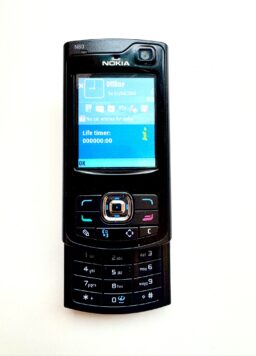
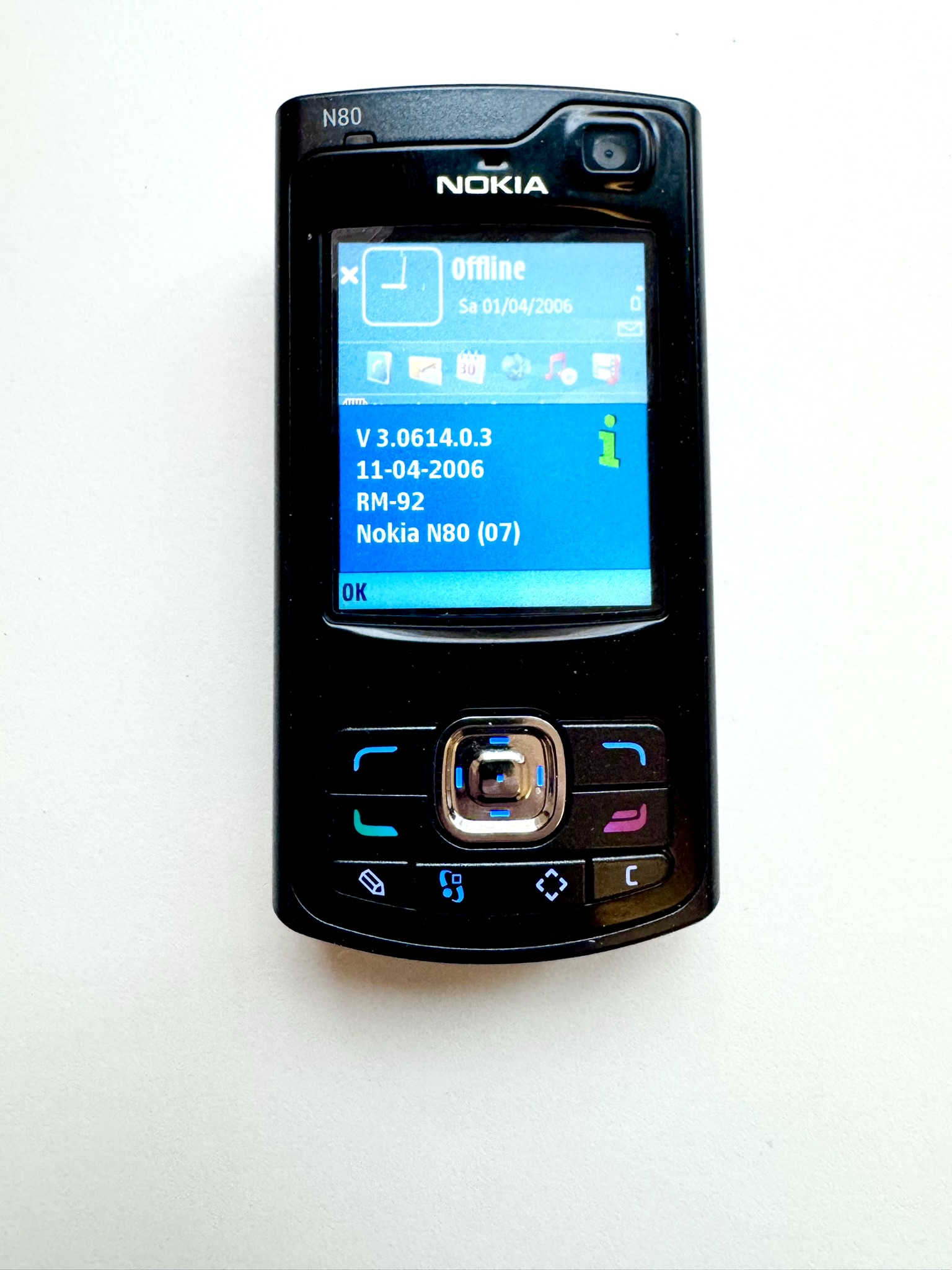
Nokia N80 Prototype S5.1: The birth of the World’s First UPnP Phone
Quick View💎 Rarity Index: S (Ultra Rare)
⭐ WOW Factor: The world first UPnP-compatible phone,
👁 Evaluation in my collection: Great – 9.5/10
🕵 Nokia Codename: Miro
⏱ Life timer: 0 | 📦 Boxed: NO
📅 Release Year: 2006 | 💰 Release Price: 500 €
📊 Units Sold: ~2M (final units)
📰 Why this phone matters: This unit represents the earliest surviving form of the world’s first
UPnP-compatible phone, the Nokia N80, shown here in its S5.1 prototype
stage long before the technology reached consumers. Built in Finland and
marked with the legendary 004400 Nokia internal IMEI range, this device
was part of Nokia’s secret push to bring home-network integration to
mobile phones for the first time in history.The internal label reveals everything expected from a genuine engineering
sample: a masked FCC and IC set, the placeholder Xyy-n model code, and an
unreleased product code known only to Nokia’s R&D teams. The bold PROTO
S5.1 stamp indicates an early hardware validation cycle, a phase where
engineers were still shaping the mechanics, RF behavior, and multimedia
stack that would define the N80. A matching S5.1 barcode sticker on the
side confirms that this device circulated between test teams, yet survived
in untouched, mint condition – almost impossible for units used at this
development depth.UPnP was the N80’s signature innovation, a world-first feature allowing a
mobile phone to discover and communicate with home media servers, TVs, and
computers. But before the world ever saw this capability demonstrated on a
stage, units like this one acted as the true testbeds. Early debug builds
of Symbian OS 9.1 ran experimental networking stacks, Wi-Fi drivers, and
service discovery modules. Engineers used devices like this to validate
seamless connectivity, file sharing, remote playback, and the foundation
of what would later become the connected-smartphone era.The Finnish build origin makes the device even rarer. Only the earliest
pilot-line N80 units came from Finland, assembled for hardware tuning,
firmware experiments, and RF calibration. Most were disassembled, reworked
to exhaustion, or destroyed after testing concluded. This one escaped
untouched – a true anomaly.With its dual proto identifiers preserved, its 004400 IMEI confirming deep
internal lineage, and its role at the dawn of UPnP mobility, this N80
S5.1 prototype is not just a rare device. It is a technological milestone
captured in physical form – the raw, unfiltered origin of the world’s
first UPnP phone.📝 Reviews when released: CNET 🔗
-
Nokia N82 Prototype S3.2: The Flash Xenon Genesis Device
Quick View💎 Rarity Index: S (Ultra Rare)
👁 Evaluation in my collection: As New – 10/10
🕵 Nokia Codename: Sharaku or Tiger
⏱ Life timer: 0m | 📦 Boxed: NO
📅 Release Year: 2007 | 💰 Release Price: ~450 €
📊 Units Sold: ~2M (final units)
📰 Why this phone matters: This unit is a genuine Nokia N82 PROTO S3.2, originating from a late-stage engineering batch used by Nokia for field validation prior to commercial release. The PROTO S3.2 marking identifies it as a Stage 3.2 engineering device, meaning it had near-final hardware but was still running precommercial firmware intended for network, camera, and stability testing. Only a very small number of these were produced, and most were destroyed after internal validation.The RM-314 internal board combined with the 004401 IMEI prefix, missing IMEI barcode, and CMII placeholder confirms that this unit predates formal regulatory submission and was never intended for retail sale. The presence of a 2D matrix tag rather than a standard retail IMEI label is a Nokia R&D signature seen only on true engineering property.
The chrome mirror housing is a known prototype mechanical shell used before finalizing the production colors. This non-retail reflective finish allowed engineers to detect micro-cracks, alignment issues, and housing fatigue during testing. The keypad includes Chinese character markings, indicating that this unit was part of the APAC field-testing program, where network compatibility, input methods, and Chinese localizations were evaluated.
The Nokia N82 itself was one of the most important camera phones of its era, introducing a xenon flash that outperformed the N95 and set new standards for mobile photography. Built on Symbian OS v9.2 with S60 3rd Edition FP1, the N82 combined GPS, Wi-Fi, HSDPA, and a 5 MP Carl Zeiss camera into what many considered the best camera phone of 2007. As the last high-end candybar Nseries device before the shift to sliders and touchscreens, the N82 marks the end of a major design era at Nokia.
This prototype captures the device at the critical moment before release, with a rare combination of S3.2 prototype labeling, APAC keypad, chrome housing, and internal RM-314 board markings. Few surviving units include all these characteristics, making this one of the most historically significant and collectible N82 prototypes known today.
📝 Reviews when released: Mobile Review 🔗
-
Nokia N90 Prototype NPI-2 F5.0
Quick View💎 Rarity Index: S (Ultra Rare)
⭐ WOW Factor: The first Nokia phone with unique swivel design
👁 Evaluation in my collection: Great – 9.8/10
🕵 Nokia Codename: Gromit
⏱ Life timer: 0 | 📦 Boxed: NO
📅 Release Year: 2005 | 💰 Release Price: ~250 €
📊 Units Sold: ~500k (final units)
📰 Why this phone matters: Nokia N90 Prototype – RM-42 (Proto NPI-2)
A rare engineering prototype from Nokia’s golden era, this RM-42 NPI-2 unit represents an early pre-production stage of the iconic Nokia N90, the first smartphone in history built around a full Carl Zeiss Tessar autofocus camera module.Hand-assembled in Finland and labeled “Proto NPI-2 – Not For Sale,” this device belongs to an internal batch reserved exclusively for Nokia’s imaging and mechanical engineering teams. It features the trademark twist-and-shoot camcorder design, the Tessar 2.9/5.5 AF lens, and the unmistakable dual-hinge architecture that made the N90 one of the most advanced camera phones of its time.
Carrying a prototype IMEI and early hardware IDs, this device offers a rare glimpse into Nokia’s development process during a period when mobile imaging innovation was at its peak. A true collector’s highlight – a milestone device in its pure, pre-release form.
📝 Reviews when released: Mobile Review 🔗
-
Nokia N91 4GB Prototype: B5.2 Asia Variant
Quick View💎 Rarity Index: S (Ultra Rare)
⭐ WOW Factor: The first ever phone encompassing a 4 GB internal hard drive allowing storage for 3.000 songs (the 8 GB revision came later), Tthe first Nokia phone to run on Symbian 9.1.
👁 Evaluation in my collection: Great – 9.5/10
🕵 Nokia Codename: Nemo-W
⏱ Life timer: 0h | 📦 Boxed: NO
📅 Release Year: 2007 | 💰 Release Price: ~700 $
📊 Units Sold: ~800k (final units)
📰 Why this phone matters: Nokia N91 – RM-158 Prototype (4GB, Asia Variant, B5.2 Hardware)This device is a genuine Nokia N91 4GB prototype, built on the RM-158 platform-a development variant created specifically for the Asia/APAC market. Unlike the standard eur;opean N91 4GB (RM-43), this pre-production unit showcases a different internal hardware configuration, unique labeling, and a regional color scheme that never appeared on global retail models.
Marked clearly with “PROTO B5.2 – NOT FOR SALE” and manufactured in Finland, this unit represents an early engineering build used by Nokia during the final testing stages of the Asia-market N91. The RM-158 board differs from RM-43 through its regional firmware branches, radio configuration, and production-specific tuning, making this prototype significantly rarer than any retail device.
Its exterior features the Asia-exclusive color variant, a darker, metallic finish paired with a distinct keypad shade-used only in APAC commercial releases but extremely scarce worldwide. In prototype form, the materials, texture, and finish differ subtly from production units, highlighting the transitional stage between engineering samples and final mass manufacturing.
With full prototype identifiers, pre-market barcodes, engineering hardware codes, and its unusual combination of Asia-market aesthetics with Finnish factory proto build, this RM-158 N91 stands as a prime collectible from Nokia’s golden era.
Perfect for collectors seeking regional hardware variations, early-stage engineering units, and rare prototype-only configurations.
📝 Reviews when released: Mobile Review 🔗
-
Nokia N91 8GB Prototype B4.0: Made in USA | Unreleased white white Camera Cover and silver keypad
Quick View💎 Rarity Index: X (Mystical Prototype)
⭐ WOW Factor: The first ever phone encompassing a 8 GB internal hard drive allowing storage for 3.000 songs (the 8 GB revision came later), Tthe first Nokia phone to run on Symbian 9.1.
👁 Evaluation in my collection: Great – 9.5/10
🕵 Nokia Codename: Thunder
⏱ Life timer: 0h | 📦 Boxed: NO
📅 Release Year: 2007 | 💰 Release Price: ~700 $
📊 Units Sold: ~400k (final units)
📰 Why this phone matters: Nokia N91 8GB – RM-43 – Prototype B4.0 – Made in USA – Unique White Camera CoverThis is a highly significant Nokia N91 8GB engineering prototype, built during Nokia’s internal development cycle and never intended for commercial release. The label identifies it as PROTO B4.0, a late-stage pre-production unit, but the hardware reveals something even more remarkable: a white camera cover, a part that was never used in production N91 or N91 8GB units.
All retail models featured a dark grey/black camera bezel, but this prototype houses a white pre-final CMF component – a rare internal test part used before Nokia approved the final color and material selection. Early tooling marks, alternate finishing, and non-standard coloration make this one of the only known N91 prototypes with this configuration.
Unlike mass-produced units manufactured in Finland or Germany, this device also carries the exceptionally rare “Made in USA” marking, confirming its role as a high-level engineering sample assembled for internal testing and hardware validation. The model field reads “XXXX”, and multiple internal codes differ from final production, reinforcing its early-preproduction status.
As the world’s first smartphone with an integrated 8GB micro-hard-drive, the N91 was born from bold experimentation – and this prototype embodies exactly that phase of innovation. With its unique white camera cover, U.S.-assembled chassis, RM-43 pre-production hardware, and B4.0 revision status, this unit stands as a near-one-of-a-kind artifact from Nokia’s golden age.
📝 Reviews when released: Mobile Review 🔗
-
Nokia N92 Prototype B4.0 | Unreleased 101 RM
Quick View💎 Rarity Index: S (Ultra Rare)
⭐ WOW Factor: The world first mobile phone with an integrated DVB-H tuner
👁 Evaluation in my collection: Great – 9/10
⏱ Life timer: 90h | 📦 Boxed: NO
📅 Release Year: 2005 | 💰 Release Price: ~600 €
📊 Units Sold: ~300k (final units)
📰 Why this phone matters: Ultra-rare pre-production hardware from Nokia’s most ambitious multimedia projectThis RM-101 Nokia N92 prototype is a remarkable survivor from Nokia’s golden era of experimental engineering – a time when the company was pushing the boundaries of what a mobile device could be. Built in Finland as a B4.0 late-stage engineering sample, it predates the commercial N92 and belongs to a hardware branch (RM-101) that never made it to public release.
Marked with “Prototype – Property of Nokia” and stamped with the internal Model: XXXX placeholder, it represents a phase where the N92’s revolutionary technologies were still being refined by Nokia’s R&D, DVB-H field-testing teams, and multimedia engineering groups.
At this stage of development, Nokia was integrating:
the world’s first DVB-H mobile TV system,
the unique dual-axis swivel display,
and a full multimedia platform designed for movie-style video playback and live broadcast reception.
This prototype embodies that engineering ambition. The RM-101 board configuration, unseen in retail production (which used RM-33/RM-100), offers a rare look into the deeper architecture behind the commercial N92 – making this unit not just uncommon, but historically significant.
There’s a special presence to this device: the unfinished model code, the engineering labels, the Made-in-Finland chassis, and the unmistakable scent of Nokia’s high-end R&D. Holding it feels like holding the N92 before it became the N92 – a snapshot of the innovation process itself.
A centerpiece for any serious Nokia prototype collection
This is more than a rare phone. It’s a piece of development history from one of the most technically complex devices Nokia ever built – a prototype that captures the excitement, experimentation, and engineering courage that defined the N-Series era.
📝 Reviews when released: ZDNet 🔗
-
Nokia N96 Prototype B3.0 | Unreleased N00 label
Quick View💎 Rarity Index: S (Ultra Rare)
👁 Evaluation in my collection: Great – 9.7/10
🕵 Nokia Codename: Lumiere
⏱ Life timer: 136h | 📦 Boxed: NO
📅 Release Year: 2008 | 💰 Release Price: ~500 €
📊 Units Sold: ~3M (final units)
📰 Why this phone matters: Nokia N96 is a high-end smartphone, announced by Nokia on February 11, 2008 at the Mobile World Congress in Barcelona, part of the Nseries line.The N96 runs on the updated Symbian OS v9.3 (S60 3rd Edition, FP2). It is compatible with the N-Gage 2.0 gaming platform and also has a DVB-H television tuner.
Compared to the popular Nokia N95 8GB, the N96 has a doubled flash storage capacity (16 gigabytes), dual LED flash in the camera, and has a slimmer design. However critics had negative views on the N96’s battery life and user-unfriendlyness and its downgraded CPU clock speed raised questions.It was one of 2008’s most anticipated mobile phones, but its launch was delayed and was only widely available from October 2008.It is thus considered to have been a commercial failure.Critics felt that the Nokia N85 provided more new additions compared to the N96 for much cheaper.📝 Reviews when released: Mobile Review 🔗