

Showing 13–24 of 38 results
-


Nokia 5610 Xpress Music Red Prototype Label: Just Proto Software
Quick View💎 Rarity Index: A (Rare)
👁 Evaluation in my collection: As New – 10/10
⏱ Life timer: 0m | 📦 Boxed: NO
📅 Release Year: 2007 | 💰 Release Price: ~280 €
📊 Units Sold: ~2.5M (final units)
📰 Why this phone matters: The Nokia 5610 is a slider mobile phone from Nokia part of the XpressMusic series. Introduced August 2007 and launched in December, it runs on the Series 40 platform. The 5610’s design is similar to that of the Nokia 5310 XpressMusic (announced same day), with aluminium brushed sides and bold side colours of either red, blue, white, or pink.Above the regular D-pad with music buttons, the 5610 features a “sliding switch” below the display for navigation.📝 Reviews when released: Mobile Review 🔗
-
Nokia 5710 Unreleased Prototype B3.0: RM-187
Quick View💎 Rarity Index: X (Mystical Prototype)
⭐ WOW Factor: The only Nokia design where a single twist instantly switched the device’s personality: messaging, music, or camera.
👁 Evaluation in my collection: Great – 9/10
⏱ Life timer: 0m | 📦 Boxed: NO
📅 Release Year: 2006 | 💰 Release Price: N/A
📊 Units Sold: 0 unreleased
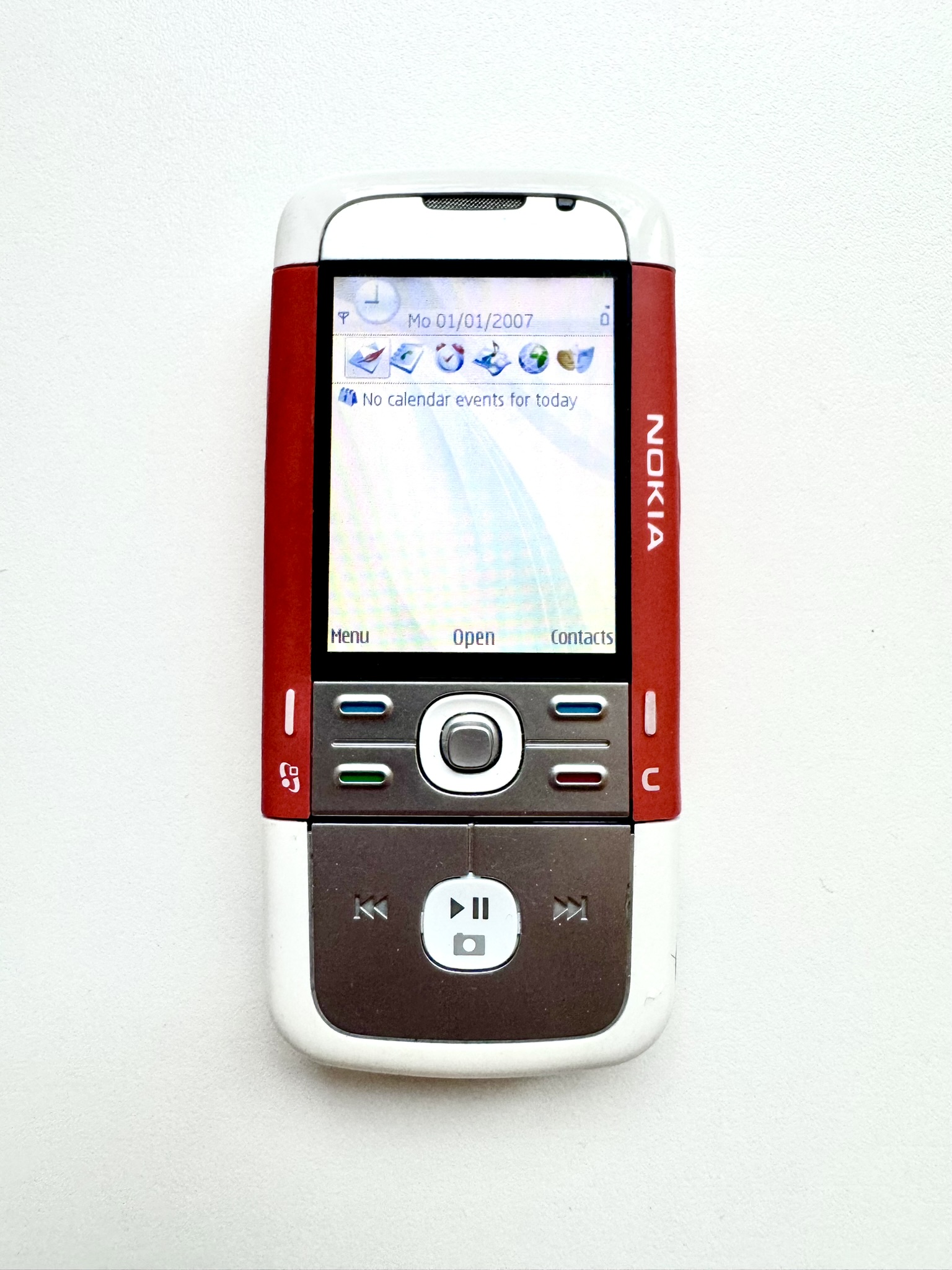
📰 Why this phone matters: The Nokia 5710 (RM-187) prototype represents one of the rarest and most technically fascinating chapters in Nokia’s experimental design era. Built in Finland as a late-stage engineering sample, this unreleased device was intended to become the successor to the Nokia 5700 XpressMusic – and the final evolution of Nokia’s iconic twist-mechanism platform.Carrying the markings “Prototype ? Property of Nokia ? Not for Sale”, this RM-187 unit showcases hardware that never reached production: a redesigned rotating lower module, a reinforced hinge, and an upgraded rotary connector meant to eliminate the flex-cable failures seen on earlier twist models. Every piece of internal labeling, from its pre-production QR matrix to the B-series hardware stamps, confirms its status as an authentic high-level engineering device.
Unlike the retail 5700, the 5710 was slimmer, structurally stronger, and technically more advanced – an ambitious internal attempt to create the third-generation twist phone, following the 3250 and 5700. Development was ultimately halted, making RM-187 the final Nokia twist platform ever constructed.
The result is a prototype that combines unfinished industrial design, experimental hardware, and a form factor that was already disappearing from Nokia’s roadmap. With no retail release and only a handful of RM-187 boards ever confirmed, this piece stands as a true collector’s artifact – a preserved snapshot of a daring design direction that Nokia never shipped.
📝 Reviews when released: N/A 💔
-
Nokia 6108 Prototype B5.0: Early Engineering Sample in Pink
Quick View💎 Rarity Index: S (Ultra Rare)
⭐ WOW Factor: Handwriting Recognition
👁 Evaluation in my collection: Good – 9/10
🕵 Nokia Codename: Libai
⏱ Life timer: 3 | 📦 Boxed: NO
📅 Release Year: 2003 | 💰 Release Price: 200 €
📊 Units Sold: ~300k (final units)
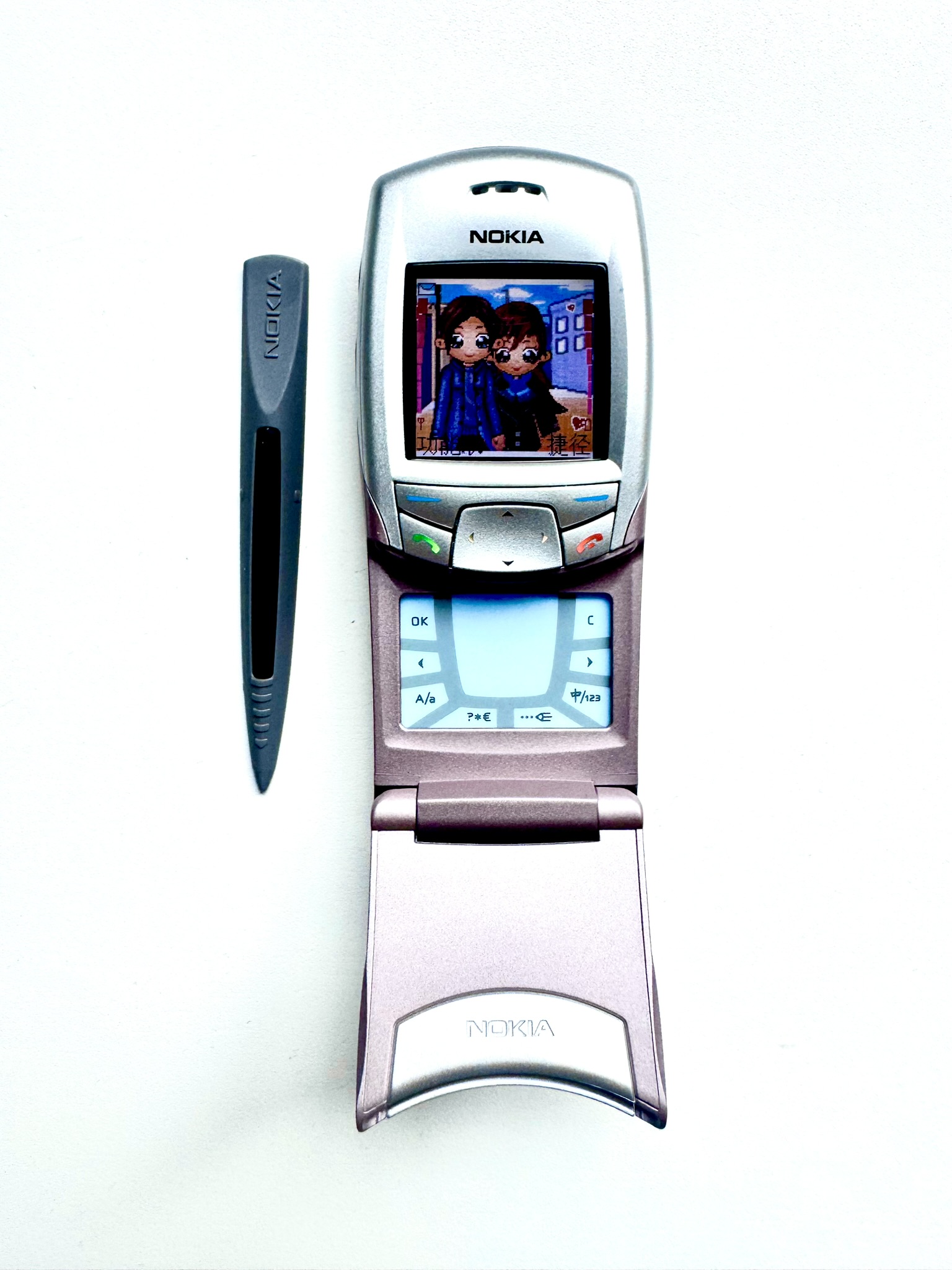
📰 Why this phone matters: A striking Nokia 6108 Prototype B5.0, internal codename “LiBai”, built under Type RH-4 and marked with the unmistakable Model: XXYY placeholder – one of Nokia’s classic signatures for true pre-production devices. The PROTO B5.0 designation places this unit in the late engineering stage, where final hardware refinements, handwriting-input validation and UI stability testing were performed before the model was green-lit for production.The pink housing paired with this prototype label makes it highly distinctive: while certain pink variants were later released in select Asian markets, the internal markings on this unit – early production codes, non-consumer label structure, and the development codename printed directly on the shield – confirm it as part of Nokia’s controlled R&D chain rather than a retail batch.
With its clean prototype identifiers, engineering-phase hardware and the unique “LiBai” project naming, this 6108 B5.0 proto stands as a rare and desirable example of Nokia’s experimental era, capturing the device exactly as it passed through the company’s internal development process.
📝 Reviews when released: N/A 💔
-
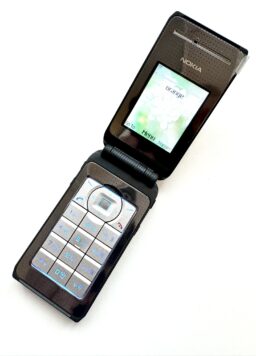
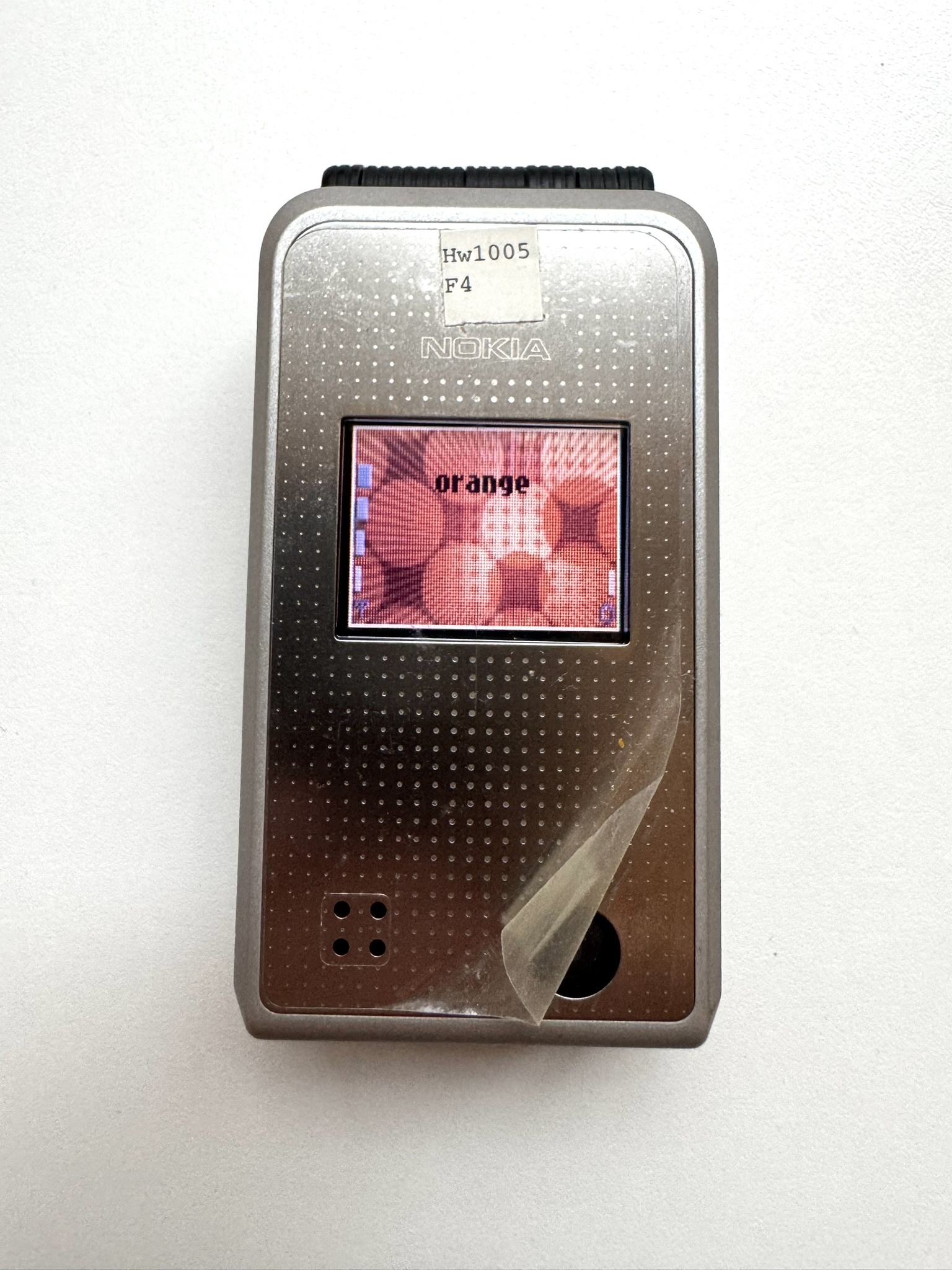
Nokia 6170 Prototype “Castor” : Stainless Steel Clamshell
Quick View💎 Rarity Index: S (Ultra Rare)
⭐ WOW Factor: Metal Clamshell
👁 Evaluation in my collection: Great – 9/10
🕵 Nokia Codename: Castor
⏱ Life timer: 0h | 📦 Boxed: NO
📅 Release Year: 2004 | 💰 Release Price: ~300 €
📊 Units Sold: ~1.5M (final units)
📰 Why this phone matters:📝 Reviews when released: cNET 🔗
-
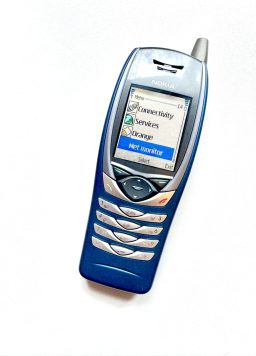
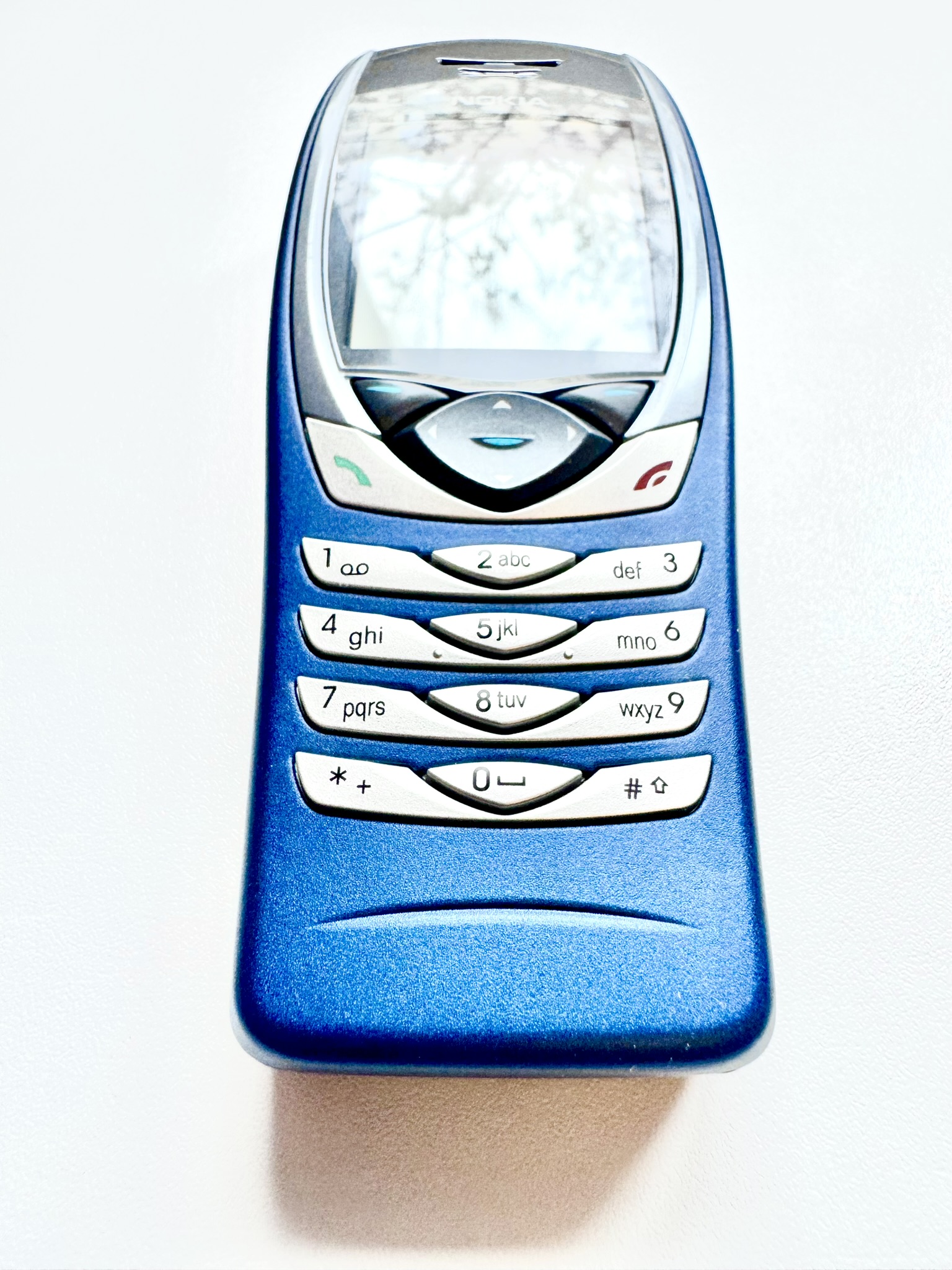
Nokia 6650 Prototype B1 6.2 : The lost first Nokia’s 3G Phone | Unreleased Black and Blue Colour
Quick View💎 Rarity Index: X (Mystical Prototype)
⭐ WOW Factor: The first Nokia 3G phone
👁 Evaluation in my collection: Good – 8.5/10
🕵 Nokia Codename: Kenny
⏱ Life timer: 2m | 📦 Boxed: NO
📅 Release Year: 2002 | 💰 Release Price: N/A
📊 Units Sold: 100k (final units)
📰 Why this phone matters: The Nokia 6650 Prototype B1 6.2 represents one of the most important and fragile transition moments in Nokia history. This device is not just an early unit, but a full internal engineering prototype that captures the very first attempt to bring 3G technology into a classic Nokia candybar form factor.An engineering device, not a consumer phone
The rear label clearly identifies this unit as Nokia internal property, explicitly marked PROTO and Made in Finland. The device uses a placeholder model designation XXXX, a standard practice for Nokia engineering hardware that was never approved for commercial sale. Hardware identifiers such as B1.6.2 and HWID 4122 place this unit deep inside Nokia internal testing cycles, well before mass production validation.
These labels were never meant to survive outside Nokia labs. Their presence confirms this phone was used strictly for internal testing, radio validation, and early software integration rather than marketing or carrier trials.
The unreleased early design language
This prototype showcases design elements that never reached the market. The blue front cover was never commercially released, while the black rear housing with its distinctive camera ornament remains completely unique to early prototype builds. When the Nokia 6650 eventually launched, it appeared only in a dark green colorway for both front and back, making this blue and black combination a lost design direction.
The body shape, materials, and external antenna confirm this device as the final Nokia candybar with an external antenna, closing an entire design era.
Early software and version identity
The software screen reveals version Vp1.301 dated 30-09-02, running on platform NHM-1 with PRI P1.1. This places the firmware only days after the official unveiling of the Nokia 6650 on 26 September 2002. The Vp prefix identifies a prototype firmware branch, used internally before public release software was finalized.
This version is not a commercial build and was never distributed outside Nokia engineering teams. It represents an unstable development snapshot used for functional validation rather than end user experience.
The startup warning and the two minute limitation
On boot, the phone displays a rare internal warning message stating that this is a Nokia prototype intended only for testing use, and that the software must be updated by the end of November 2002. This message is exceptionally rare and confirms the temporary nature of the firmware installed on the device.
Additionally, this prototype is restricted to a two minute operational window, a known internal safeguard used by Nokia to prevent prolonged use of unfinished hardware outside controlled environments. This limitation reinforces the fact that this unit was never meant to operate as a normal phone.
Why it truly matters
This prototype is the missing link between Nokias 2G legacy and its first step into the 3G world. It captures an unreleased design, unfinished software, and internal safeguards that almost never survive. More than a phone, it is a frozen engineering moment, documenting how Nokia experimented, tested, and iterated before rewriting its own future.
📝 Reviews when released: N/A 💔
-
Nokia 6810 Prototype B3.0 : Engineering Sample
Quick View💎 Rarity Index: S (Ultra Rare)
⭐ WOW Factor: A pre-RM Nokia 6810 prototype from Finland-capturing the birth of Nokia’s most original fold-out QWERTY design.
👁 Evaluation in my collection: Great – 9.5/10
⏱ Life timer: 0 | 📦 Boxed: NO
📅 Release Year: 2004 | 💰 Release Price: ~350 €
📊 Units Sold: ~700k (final units)
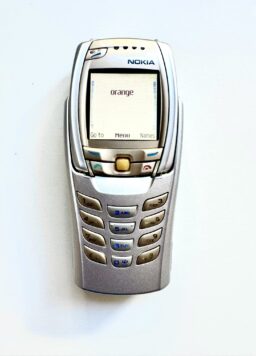
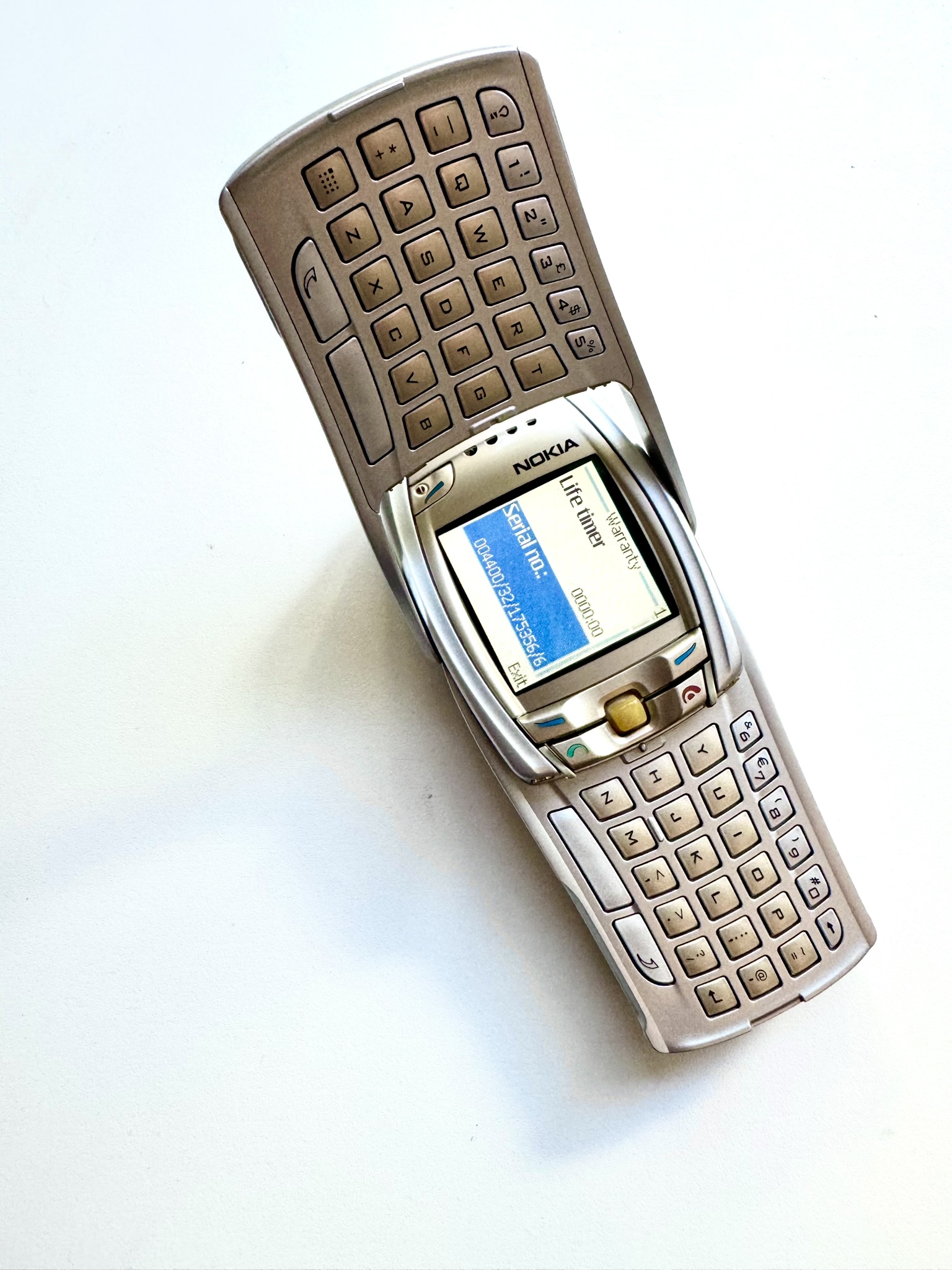
📰 Why this phone matters: A rare early-stage prototype of the Nokia 6810, the business-class messaging phone famous for its fold-out QWERTY keyboard design. This internal test unit predates the commercial RM-2 variant and carries blank “Model XXXX / Type XXXX” fields, together with the unmistakable “Property of Nokia” and B3.0 engineering markings. Built in Finland and never intended for sale, it represents the development phase where Nokia refined the mechanical flip-out keyboard and RF tuning for one of its most innovative business devices.📝 Reviews when released: Mobile Review 🔗
-
Nokia 7070 Prism Prototype S2.1: The Prism Collection
Quick View💎 Rarity Index: S (Ultra Rare)
👁 Evaluation in my collection: As New – 10/10
⏱ Life timer: | 📦 Boxed: NO
📅 Release Year: 2008 | 💰 Release Price: ~230 €
📊 Units Sold: ~1.5M (final units)
📰 Why this phone matters: A genuine pre-production Nokia 7070 Prism – RH-116 prototype from the SCORPION design family, used during Nokia’s hardware and software validation cycle. This engineering sample features a prototype IMEI (004401?), PSN labeling, exposed HWID (0211), and the rare ‘Kiev S2-1’ internal test sticker.Manufactured in China as part of Nokia’s early prototype assembly runs, the device was then shipped to Nokia’s Kyiv (Ukraine) R&D validation center, where Software Stage 2 (S2) firmware and first-revision hardware (Substage 1) were tested for CIS-region operators. This China-production + Kyiv-testing pipeline was standard for Nokia’s mid-2000s development workflow and confirms the device’s authentic R&D provenance.
Fitted with an original Nokia ‘Market Sample’ back housing used for pre-launch demonstrations and retail previews, still carrying factory protective film. A rare SCORPION prototype combining true engineering hardware, regional R&D testing history, and pre-market cosmetic hardware – one of the most collectible 7070 Prism variants ever found
📝 Reviews when released: Phone Arena 🔗
-


Nokia 7280 Prototype F4.0 : The Jinx
Quick View💎 Rarity Index: S (Ultra Rare)
⭐ WOW Factor: Fortune Magazine listed it as one of the best products of 2004 while its design was praised by the jury in the iF product design awards for 2005.
👁 Evaluation in my collection: Great – 9/10
🕵 Nokia Codename: Jinx
⏱ Life timer: 5m | 📦 Boxed: NO
📅 Release Year: 2004 | 💰 Release Price: ~600 $
📊 Units Sold: ~200k (final units)
📰 Why this phone matters: A centerpiece for any top-tier Nokia collection, this Nokia 7280 JINX Prototype represents the earliest incarnation of one of the most iconic fashion phones ever created. Designed as part of the luxurious L’Amour Collection, the 7280 redefined mobile aesthetics with its lipstick-inspired form factor, mirror-black finish, and rotating Navi-Spinner, earning TIME Magazine’s “Gadget of the Year” distinction.This prototype predates the commercial release, carrying the internal codename JINX and the early F4 hardware build, along with restricted-use labels such as “PROPERTY OF NOKIA” and a prototype IMEI range exclusive to engineering units. These details confirm its use in internal validation, UI testing, radio calibration, and industrial design approvals.
Pristine, original, and fully authentic, this piece represents the raw development phase of a phone that shaped Nokia’s luxury image in the mid-2000s.
A true collector’s artefact.📝 Reviews when released: Mobile Review 🔗
-


Nokia 7500 Prism Prototype B3.0: Engineering Sample | Unreleased Gray Colour
Quick View💎 Rarity Index: X (Mystical Prototype)
⭐ WOW Factor:
👁 Evaluation in my collection: Great – 9.5/10
🕵 Nokia Codename: Scorpion
⏱ Life timer: 4m | 📦 Boxed: NO
📅 Release Year: 2007 | 💰 Release Price: ~230 €
📊 Units Sold: ~1M (final units)
📰 Why this phone matters: Nokia 7500b Prism – RM-250 PROTOTYPE (Codename: SCORPION) – a genuine engineering sample from Nokia’s internal development program. Features prototype IMEI (004401?), HWID exposure, pre-final RF labeling, and early R&D markings. This unit also includes a rare, unreleased graphite/metallic grey prototype housing used only on SCORPION pre-production builds before final Prism colours were approved. A highly valuable and historically significant prototype from the Prism design era📝 Reviews when released: Mobile Review 🔗
-


Nokia 7700 Prototype F5.0 Black | Unreleased
Quick View💎 Rarity Index: X (Mystical Prototype)
⭐ WOW Factor: The first Nokia unreleased phone with touch screen and Symbian S90
👁 Evaluation in my collection: Great – 9.5/10
🕵 Nokia Codename: MX
⏱ Life timer: N/A | 📦 Boxed: NO
📅 Release Year: 2003 | 💰 Release Price: N/A
📊 Units Produced: ~1k
📰 Why this phone matters: A true piece of Nokia history – the Nokia 7700 F5.0 Prototype, Type RAL-2, made in Finland and never released commercially. This is one of the most ambitious devices Nokia ever built: a full-touch “media communicator” years before the 7710 and long before modern smartphones adopted the concept.This listing includes two fully working prototypes, one in black and one in white, both belonging to the late engineering stage (F5.0) and carrying the internal Model: M designation. These units were intended for final validation and software testing, featuring the hardware configuration closest to what a retail 7700 would have been – had it reached the market.
The 7700 became legendary precisely because it never launched, making functional prototypes extremely rare. To find two, in different colours, in working condition, is virtually unheard of and places this set among the top-tier collector items of early smartphone history.
Whether displayed as design icons or preserved as engineering artifacts, these devices stand as one of Nokia’s boldest steps toward the touchscreen era.
📝 Reviews when released: Mobile Gazette 🔗
-


Nokia 7700 Prototype F5.0 White | Unreleased
Quick View💎 Rarity Index: X (Mystical Prototype)
⭐ WOW Factor: The first Nokia unreleased phone with touch screen and Symbian S90
👁 Evaluation in my collection: Great – 9.5/10
🕵 Nokia Codename: MX
⏱ Life timer: N/A | 📦 Boxed: NO
📅 Release Year: 2003 | 💰 Release Price: N/A
📊 Units Produced: ~1k
📰 Why this phone matters: The Nokia 7700 (Model – M Type RAL-2) is a smartphone produced by Nokia, announced in October 2003 but never released. It was produced as a prototype unit between 2003-2004 It was expected to be the first smartphone running the Series 90 GUI on Symbian OS and Nokia’s first pen-based device, intending to compete against handsets like Sony Ericsson P800. At announcement Nokia dubbed it a “media device.” Compatible with GSM/HSCSD/GPRS/EDGE 900/1800/1900 MHz networks, the 7700 featured a wide, 3.5-inch touch-screen colour LCD with a resolution of 640 x 320 pixels which is the first smartphone with 2:1 aspect ratio and supporting 65,000 colours. It had 64 MB of internal memory and a MultiMedia Card (MMC) slot. It also included an integrated VGA camera with a maximum resolution of 640 x 480 pixels, an integrated FM radio, Bluetooth, USB and Nokia’s proprietary Pop-Port interface for connectivity purposes.The 7700 was to include a comprehensive application suite (such as a complete PIM suite, ‘full’ web browser, email client and an office suite comprising Word Processor, Spread-Sheet and a PowerPoint viewer) and supported Java MIDP 2.0 applications. It was also to be the first phone to support Visual Radio, and the first Nokia phone to support DVB-H mobile television with the addition of the Nokia Streamer SU-6 accessory. The Nokia 7700 was cancelled in mid-2004. Several theories for the cancellation were put forward at the time: Nokia was refocusing on ‘normal’ phones due to decreasing market share; the phone would be too late to market; and the phone was unattractive and bulky. It also featured ‘sidetalking’ like the N-Gage, a feature that had attracted a great deal of negative publicity. The Nokia 7710 followed shortly later with increased memory, a different design, no ‘sidetalking’ and other improvements. However, the 7700 was nevertheless used for further trials of DVB-H. As stated above, the Nokia 7700 was never released to the public. It was only released to Nokia’s R&D (Research and Development) groups. A few models, estimated 20, were distributed prior to Nokia’s decision to discontinue the model before full-on production. However as they were preparing to make the move into stores, the final product prototypes were available in every Nokia Dealer store for display and show-off, so an estimate on how many pieces there actually were is impossible to make, or how many remained in factories and services that were testing them. Pricing is thus very difficult to assess due to lack of official sales. Nevertheless, a few models were sold on eBay since Nokia’s announcement of discontinuation. The lack of independent data to verify the sale records on eBay has caused some to overestimate the actual cost of the model. The phone is nevertheless considered by a number of Nokia collectors to be a rare piece.
📝 Reviews when released: Mobile Gazette 🔗
-
Nokia 7710 Prototype F4.0: Future ahead of its Time | Unreleased Black Keypad
Quick View💎 Rarity Index: X (Mystical Prototype)
⭐ WOW Factor: The first Nokia released phone with touch screen
👁 Evaluation in my collection: Great – 9.5/10
🕵 Nokia Codename: Remix
⏱ Life timer: N/A | 📦 Boxed: NO
📅 Release Year: 2005 | 💰 Release Price: N/A
📊 Units Sold: ~500k (final units)
📰 Why this phone matters: A rare and impeccably preserved Nokia 7710 RM-12 F4.0 prototype, belonging to the final stage of Nokia’s pre-production cycle for the iconic Series 90 touchscreen smartphone.
This F4.0 unit – clearly marked PROTO and Property of Nokia – originates from Nokia’s internal validation program, used during the last wave of field testing, UI refinement and RF certification before the public release in 2005.Unlike retail units, this prototype features an unreleased keypad colour variant, with silver-toned navigation and side-control keys replacing the standard glossy black retail trim. This experimental colourway never reached commercial production, making this device a standout among surviving prototypes. The front bezel also shows the slightly grainier, matte finish characteristic of late hardware trials inside Nokia’s labs.
As with all authentic high-grade prototypes, the label carries the signature “Model: XXXX” placeholder, missing consumer certifications, serial markings and final manufacturing codes. These elements confirm it as a genuine internal unit, built in Finland during the last engineering revision of the platform.
The Nokia 7710 was Nokia’s most ambitious early touchscreen smartphone – a widescreen 640×320 device running the innovative Series 90 interface on Symbian OS. The prototype here predates the public release, offering collectors a rare glimpse into Nokia’s transition from experimental UI concepts to finalized commercial design.
This F4.0 RM-12 prototype is an exceptional find: a fully authentic late-stage engineering device with a unique, unreleased keypad trim, placing it among the rarest surviving 7710 variants and a valuable centrepiece for any advanced vintage Nokia collection.
📝 Reviews when released: Mobile Review 🔗