

">

Showing 181–192 of 320 results
-


Nokia 7650
Quick View💎 Rarity Index: B (Uncommon)
⭐ WOW Factor: The first Nokia phone with a built-in?camera?
👁 Evaluation in my collection: Brand New Swap – 10/10
🕵 Nokia Codename: Calypso
⏱ Life timer: 0m | 📦 Boxed: NO
📅 Release Year: 2002 | 💰 Release Price: ~600 €
📊 Units Sold: ~3M
📰 Why this phone matters: The Nokia 7650 is a 2.5G consumer-oriented smartphone belonging to the fashion and experimental (7xxx) series. It was introduced in Barcelona on 19 November 2001, and was described by CEO Jorma Ollila as the company’s most important launch of that year.Feature-rich, it was the first Nokia phone with a built-in camera (VGA resolution), and thus its imaging capabilities was widely marketed. It has a large (at the time) 2.1″ colour display with a resolution of 176×208 pixels. The 7650 was also the company’s first to feature Multimedia Messaging Service (MMS), and it also has Bluetooth and GPRS connectivities (although to much criticism did not support Bluetooth headsets).
Nokia 7650 showing its Series 60 menu
In addition it was the first Series 60 platform device (which would go on to power the majority of Nokia smartphones for many years after), as well as the first mass market Symbian OS device to be released, allowing the sideloading of both Java and EPOC applications.📝 Reviews when released: N/A 💔
-


Nokia 7700 Prototype F5.0 Black | Unreleased
Quick View💎 Rarity Index: X (Mystical Prototype)
⭐ WOW Factor: The first Nokia unreleased phone with touch screen and Symbian S90
👁 Evaluation in my collection: Great – 9.5/10
🕵 Nokia Codename: MX
⏱ Life timer: N/A | 📦 Boxed: NO
📅 Release Year: 2003 | 💰 Release Price: N/A
📊 Units Produced: ~1k
📰 Why this phone matters: A true piece of Nokia history – the Nokia 7700 F5.0 Prototype, Type RAL-2, made in Finland and never released commercially. This is one of the most ambitious devices Nokia ever built: a full-touch “media communicator” years before the 7710 and long before modern smartphones adopted the concept.This listing includes two fully working prototypes, one in black and one in white, both belonging to the late engineering stage (F5.0) and carrying the internal Model: M designation. These units were intended for final validation and software testing, featuring the hardware configuration closest to what a retail 7700 would have been – had it reached the market.
The 7700 became legendary precisely because it never launched, making functional prototypes extremely rare. To find two, in different colours, in working condition, is virtually unheard of and places this set among the top-tier collector items of early smartphone history.
Whether displayed as design icons or preserved as engineering artifacts, these devices stand as one of Nokia’s boldest steps toward the touchscreen era.
📝 Reviews when released: Mobile Gazette 🔗
-


Nokia 7700 Prototype F5.0 White | Unreleased
Quick View💎 Rarity Index: X (Mystical Prototype)
⭐ WOW Factor: The first Nokia unreleased phone with touch screen and Symbian S90
👁 Evaluation in my collection: Great – 9.5/10
🕵 Nokia Codename: MX
⏱ Life timer: N/A | 📦 Boxed: NO
📅 Release Year: 2003 | 💰 Release Price: N/A
📊 Units Produced: ~1k
📰 Why this phone matters: The Nokia 7700 (Model – M Type RAL-2) is a smartphone produced by Nokia, announced in October 2003 but never released. It was produced as a prototype unit between 2003-2004 It was expected to be the first smartphone running the Series 90 GUI on Symbian OS and Nokia’s first pen-based device, intending to compete against handsets like Sony Ericsson P800. At announcement Nokia dubbed it a “media device.” Compatible with GSM/HSCSD/GPRS/EDGE 900/1800/1900 MHz networks, the 7700 featured a wide, 3.5-inch touch-screen colour LCD with a resolution of 640 x 320 pixels which is the first smartphone with 2:1 aspect ratio and supporting 65,000 colours. It had 64 MB of internal memory and a MultiMedia Card (MMC) slot. It also included an integrated VGA camera with a maximum resolution of 640 x 480 pixels, an integrated FM radio, Bluetooth, USB and Nokia’s proprietary Pop-Port interface for connectivity purposes.The 7700 was to include a comprehensive application suite (such as a complete PIM suite, ‘full’ web browser, email client and an office suite comprising Word Processor, Spread-Sheet and a PowerPoint viewer) and supported Java MIDP 2.0 applications. It was also to be the first phone to support Visual Radio, and the first Nokia phone to support DVB-H mobile television with the addition of the Nokia Streamer SU-6 accessory. The Nokia 7700 was cancelled in mid-2004. Several theories for the cancellation were put forward at the time: Nokia was refocusing on ‘normal’ phones due to decreasing market share; the phone would be too late to market; and the phone was unattractive and bulky. It also featured ‘sidetalking’ like the N-Gage, a feature that had attracted a great deal of negative publicity. The Nokia 7710 followed shortly later with increased memory, a different design, no ‘sidetalking’ and other improvements. However, the 7700 was nevertheless used for further trials of DVB-H. As stated above, the Nokia 7700 was never released to the public. It was only released to Nokia’s R&D (Research and Development) groups. A few models, estimated 20, were distributed prior to Nokia’s decision to discontinue the model before full-on production. However as they were preparing to make the move into stores, the final product prototypes were available in every Nokia Dealer store for display and show-off, so an estimate on how many pieces there actually were is impossible to make, or how many remained in factories and services that were testing them. Pricing is thus very difficult to assess due to lack of official sales. Nevertheless, a few models were sold on eBay since Nokia’s announcement of discontinuation. The lack of independent data to verify the sale records on eBay has caused some to overestimate the actual cost of the model. The phone is nevertheless considered by a number of Nokia collectors to be a rare piece.
📝 Reviews when released: Mobile Gazette 🔗
-


Nokia 7705 Twist Verizon
Quick View💎 Rarity Index: A (Rare)
⭐ WOW Factor: The first Nokia Swivel phone
👁 Evaluation in my collection: BNIB – 10/10
🕵 Nokia Codename: DIVA
⏱ Life timer: 0 | 📦 Boxed: YES
📅 Release Year: 2009 | 💰 Release Price: ~100 $
📊 Units Sold: ~300k
📰 Why this phone matters: The miniaturization of cell phone tech is enabling some truly unique designs lately. The Samsung Alias 2 was one, with its morphing e-ink keyboard. The Nokia 7705 Twist is another; it literally swivels open. It’s far from the first handset to do this; swivel phones were more popular several years ago, and of course the T-Mobile Sidekick line still does it. But with eye-catching devices like the Twist, they could make a comeback. The Twist is a decent choice for a Verizon feature phone, but there are several downsides-most of which are likely due to packing so much technology into such a small space.📝 Reviews when released: cNET 🔗
-
Nokia 7710 Full Box: Future Ahead of Its Time
Quick View💎 Rarity Index: A (Rare)
⭐ WOW Factor: The first Nokia released phone with touch screen
👁 Evaluation in my collection: Great – 9.5/10
🕵 Nokia Codename: Remix
⏱ Life timer: N/A | 📦 Boxed: YES
📅 Release Year: 2005 | 💰 Release Price: N/A
📊 Units Sold: ~500k
📰 Why this phone matters: The Nokia 7710 is a smartphone announced on 2 November 2004.It was the first Nokia device with a touchscreen, and first device with 2:1 aspect ratio display.The 7710 is based on the Nokia 7700 which was never released. It is Nokia’s only smartphone to run the Series 90 interface atop Symbian OS v7.0s.📝 Reviews when released: Mobile Review 🔗
-
Nokia 7710 Prototype F4.0: Future ahead of its Time | Unreleased Black Keypad
Quick View💎 Rarity Index: X (Mystical Prototype)
⭐ WOW Factor: The first Nokia released phone with touch screen
👁 Evaluation in my collection: Great – 9.5/10
🕵 Nokia Codename: Remix
⏱ Life timer: N/A | 📦 Boxed: NO
📅 Release Year: 2005 | 💰 Release Price: N/A
📊 Units Sold: ~500k (final units)
📰 Why this phone matters: A rare and impeccably preserved Nokia 7710 RM-12 F4.0 prototype, belonging to the final stage of Nokia’s pre-production cycle for the iconic Series 90 touchscreen smartphone.
This F4.0 unit – clearly marked PROTO and Property of Nokia – originates from Nokia’s internal validation program, used during the last wave of field testing, UI refinement and RF certification before the public release in 2005.Unlike retail units, this prototype features an unreleased keypad colour variant, with silver-toned navigation and side-control keys replacing the standard glossy black retail trim. This experimental colourway never reached commercial production, making this device a standout among surviving prototypes. The front bezel also shows the slightly grainier, matte finish characteristic of late hardware trials inside Nokia’s labs.
As with all authentic high-grade prototypes, the label carries the signature “Model: XXXX” placeholder, missing consumer certifications, serial markings and final manufacturing codes. These elements confirm it as a genuine internal unit, built in Finland during the last engineering revision of the platform.
The Nokia 7710 was Nokia’s most ambitious early touchscreen smartphone – a widescreen 640×320 device running the innovative Series 90 interface on Symbian OS. The prototype here predates the public release, offering collectors a rare glimpse into Nokia’s transition from experimental UI concepts to finalized commercial design.
This F4.0 RM-12 prototype is an exceptional find: a fully authentic late-stage engineering device with a unique, unreleased keypad trim, placing it among the rarest surviving 7710 variants and a valuable centrepiece for any advanced vintage Nokia collection.
📝 Reviews when released: Mobile Review 🔗
-


Nokia 7900 Prism Burgundy
Quick View💎 Rarity Index: A (Rare)
⭐ WOW Factor: The first Nokia?phone with OLED Display
👁 Evaluation in my collection: Great – 9.5/10
⏱ Life timer: 88h | 📦 Boxed: NO
📅 Release Year: 2007 | 💰 Release Price: ~375 €
📊 Units Sold: ~1M
📰 Why this phone matters: The Nokia 7900 is a mobile phone produced by Nokia and announced on August 7, 2007. It is part of Nokia’s Prism Collection. It runs S40 5th Edition. It is a quadband phone and has WCDMA on 850 MHz and 2100 MHz. The 2-inch (51 mm) screen is powered by OLED technology, Nokia’s first, and has a resolution of 320×240 pixels showing 16 million colors. Included is a 2-megapixel camera with flash, an 850mAh battery, and 1 GB of on board memory.Dimensions are as follows: 112 x 45 x 11.3 mm; 101 grams.
📝 Reviews when released: Mobile Review 🔗
-


Nokia 7900 Prism Gold
Quick View💎 Rarity Index: A (Rare)
⭐ WOW Factor: The first Nokia?phone with OLED Display
👁 Evaluation in my collection: Great – 9.0/10
⏱ Life timer: 263h | 📦 Boxed: NO
📅 Release Year: 2007 | 💰 Release Price: ~375 €
📊 Units Sold: ~1M
📰 Why this phone matters: The Nokia 7900 is a mobile phone produced by Nokia and announced on August 7, 2007. It is part of Nokia’s Prism Collection. It runs S40 5th Edition. It is a quadband phone and has WCDMA on 850 MHz and 2100 MHz. The 2-inch (51 mm) screen is powered by OLED technology, Nokia’s first, and has a resolution of 320×240 pixels showing 16 million colors. Included is a 2-megapixel camera with flash, an 850mAh battery, and 1 GB of on board memory.Dimensions are as follows: 112 x 45 x 11.3 mm; 101 grams.
📝 Reviews when released: Mobile Review 🔗
-
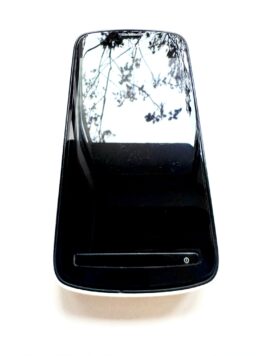

Nokia 808 PureView Prototype PreB2.0 :The Birth of PureView
Quick View💎 Rarity Index: S (Ultra Rare)
⭐ WOW Factor: This phone was the first in mobile history to break the 40 MP barrier.
👁 Evaluation in my collection: As New – 9.8/10
⏱ Life timer: N/A | 📦 Boxed: NO
📅 Release Year: 2012 | 💰 Release Price: ~800$
📊 Units Sold: ~1M (final units)
📰 Why this phone matters: The Nokia 808 PureView is already a landmark device in mobile history, but this unit takes that legacy to an entirely different level. This is not a retail phone. It is a genuine internal Nokia RM-807 prototype, a PreB2 development device marked Model 000 and stamped Property of Nokia Not For Sale. It represents one of the earliest hardware and firmware iterations used inside the company while engineers were finalizing the PureView imaging engine that would shock the industry in 2012.This unit includes everything expected from a true Nokia RnD sample: a 004402 prototype IMEI, an early HWID board, an internal PSN, an unreleased product code, and the proto.nokia.com branding on the front glass. It was never meant for public hands. Very few of these survived destruction protocols once the final hardware entered mass production. The phone is fully working and in new condition, even though it was used originally as a development tool.
The camera module alone makes this device a collector dream. The 41 MP PureView sensor is one of the most celebrated camera innovations ever put in a phone, and on a prototype the imaging stack often behaves differently, using pre release oversampling, early noise tuning, and unique processing steps that never made it into consumer firmware. Notes from Nokia imaging engineers confirm that early builds sometimes produced sharper, noisier, or more experimental photo profiles compared to retail firmware. Nokia jumped directly to 41 megapixels, a number so absurd for the time that most reviewers in 2012 thought it was a typo. This was the moment the industry realized that Nokia’s imaging division was operating on an entirely different level.
Inside, this RM-807 prototype keeps the classic single SIM layout. One slot is used for the micro SIM card and the second slot is a microSD bay for storage expansion, not a second SIM. Together with the white shell, the absence of retail markings, and the Model 000 labeling, this configuration underlines its role as a lab platform rather than a sales unit. Fully working and preserved, it captures a moment in mobile history that can never be replicated, standing as one of the rarest forms of the last true Symbian flagship ever created.
📝 Reviews when released: Engadget 🔗
-


Nokia 8110 4g
Quick View💎 Rarity Index: C (Common)
👁 Evaluation in my collection: BNIB – 10/10
⏱ Life timer: 0m | 📦 Boxed: YES
📅 Release Year: 2018 | 💰 Release Price: ~80 €
📊 Units Sold: ~2M
📰 Why this phone matters: Revival of the original Nokia 8110, which was popularly known as the “Matrix phone” or “banana phone📝 Reviews when released: N/A 💔
-


Nokia 8110i
Quick View💎 Rarity Index: C (Common)
⭐ WOW Factor: The first Nokia phone with a slider form factor, The first of Nokia’s high-end 8000 series, The first Nokia phone with monochrome graphic LCD, The first phone with SSMS (Smart SMS), The first phone to support ring tone receiving by SMS, The phone featured in the science fiction action film The Matrix (1999)
👁 Evaluation in my collection: As New – 9.8/10
⏱ Life timer: N/A | 📦 Boxed: YES
📅 Release Year: 1997 | 💰 Release Price: N/A
📊 Units Sold: ~1.5M
📰 Why this phone matters: Nokia 8110 is a mobile phone released in 1996. It was announced on September 9, 1996 as the first of Nokia’s high-end 8000 series of phones.Its distinctive styling was the first example of a ‘slider’ form factor. A sliding cover protected the keypad when being carried in the pocket and extended downwards in use, bringing the microphone closer to the mouth.The action of opening the cover also answered an incoming call. The prominent curvature of the case, particularly when open, earned it the nickname “banana phone”. It was also the first Nokia phone with monochrome graphic LCD.
The phone was designed for the business market and was one of the smallest and lightest (152 grams) phones on the market, but still had better battery life than its predecessor Nokia 2110.
The improved 8110i model, announced in March 1997, was the first phone with the SSMS (Smart SMS) engine.The handsets could be updated OTA (Over The Air) with an intelligent menu structure, which allowed simple information input, input which was sent through a simple structured text message to an MT receiver. This station could interpret information and a structured text message back to the handset. Ring tone receiving by SMS was also part of the smart messaging protocol, so 8110i was also the first mobile phone to support it. Nokia later stopped marketing Smart messaging and concentrated on the upcoming WAP standard, but has not dropped smart messaging support from later phones. Both models were succeeded by Nokia 8810 in 1998.
The phone was famously featured in the science fiction action film The Matrix (1999), for which it was modified featuring spring-loaded mechanism (this later appeared on the Nokia 7110).📝 Reviews when released: N/A 💔
-


Nokia 8148i
Quick View💎 Rarity Index: A (Rare)
⭐ WOW Factor: The first Nokia phone with a slider form factor, The first of Nokia’s high-end 8000 series, The first Nokia phone with monochrome graphic LCD, The first phone with SSMS (Smart SMS), The first phone to support ring tone receiving by SMS, The phone featured in the science fiction action film The Matrix (1999)
👁 Evaluation in my collection: Very Good – 9/10
⏱ Life timer: N/A | 📦 Boxed: NO
📅 Release Year: 1997 | 💰 Release Price: N/A
📊 Units Sold: ~300k
📰 Why this phone matters: Nokia 8148i is a variant of Nokia 8110 and it only works on GSM 1800.Nokia 8110 is a mobile phone released in 1996. It was announced on September 9, 1996 as the first of Nokia’s high-end 8000 series of phones.Its distinctive styling was the first example of a ‘slider’ form factor. A sliding cover protected the keypad when being carried in the pocket and extended downwards in use, bringing the microphone closer to the mouth.The action of opening the cover also answered an incoming call. The prominent curvature of the case, particularly when open, earned it the nickname “banana phone”. It was also the first Nokia phone with monochrome graphic LCD.
The phone was designed for the business market and was one of the smallest and lightest (152 grams) phones on the market, but still had better battery life than its predecessor Nokia 2110.
The improved 8110i model, announced in March 1997, was the first phone with the SSMS (Smart SMS) engine.The handsets could be updated OTA (Over The Air) with an intelligent menu structure, which allowed simple information input, input which was sent through a simple structured text message to an MT receiver. This station could interpret information and a structured text message back to the handset. Ring tone receiving by SMS was also part of the smart messaging protocol, so 8110i was also the first mobile phone to support it. Nokia later stopped marketing Smart messaging and concentrated on the upcoming WAP standard, but has not dropped smart messaging support from later phones. Both models were succeeded by Nokia 8810 in 1998.
The phone was famously featured in the science fiction action film The Matrix (1999), for which it was modified featuring spring-loaded mechanism (this later appeared on the Nokia 7110).📝 Reviews when released: N/A 💔