

">

Showing 25–36 of 60 results
-


Nokia 3810: The Lost Asian Shadow of the 3110
Quick View💎 Rarity Index: S (Ultra Rare)
⭐ WOW Factor: A true APAC-market ghost model, the Nokia 3810 exists as a secret evolution of the 3110, built on a unique NHE-8A hardware branch, sold only through selected Asian operators, and so rare today that even many hardcore collectors have never seen a real one outside archival photos.
👁 Evaluation in my collection: Good – 8.5/10
⏱ Life timer: NA | 📦 Boxed: NO
📅 Release Year: 1998 | 💰 Release Price: ~11000 PHP
📊 Units Sold: ~1M
📰 Why this phone matters: Nokia 3810 is one of the most obscure and region-locked handsets Nokia ever released, a model that at first sight looks like a Nokia 3110 from the late 90s, but in reality is a completely different device built specifically for the Southeast Asian market. Created around late 1998 to early 1999 for operators like Globe Telecom in the Philippines and Singtel in Singapore, it was never part of Nokia’s global roadmap and never appeared in eur;opean or American catalogs.Internally, the 3810 belongs to the extended NHE-8A platform, a rare fork of the 3110 architecture that Nokia used only for operator-specific customizations. Unlike typical localized firmware builds, this model has a modified PCB layout, different RF filters, region-specific power amplifiers, and firmware adjusted for hot and congested GSM-900 networks in Asia. The firmware also contains unique operator menus, a different startup behavior, and a SIM Toolkit implementation that the original 3110 did not have.
Visually, the 3810 shares the silhouette of the 3110, but key differences immediately confirm it as its own device. It has a redesigned navigation cluster, different soft keys, a unique lower mask, and a housing made from a thicker, more rubberized plastic type. These material changes were intentional, allowing the phone to survive the high humidity and heat typical of Southeast Asia. The keypad layout is also subtly different, confirming that this is not a housing replacement but a dedicated mold used only for this variant.
The 3810 was priced below the 5110 and slightly below the original 3110 in the APAC region, typically selling around PHP 7000 to 9000, often bundled with prepaid or SIM activation packages. Because Nokia kept production extremely limited and distributed the model only through operator channels, most units were used heavily and eventually scrapped. Almost none were exported, and very few examples have survived in clean or working condition. Today it stands as one of the rarest late 90s Nokias, more elusive than many prototypes, and almost never seen in Western collections.
The unit presented here is a remarkable surviving example, displaying Globe firmware on boot and all the unique hardware traits of the genuine 3810 platform. More than just a variant, it represents a hidden branch of Nokia history, a fully official model that Nokia itself barely acknowledged and one that existed only because regional operators demanded a slightly more modern, network-optimized alternative to the aging 3110. Devices like this highlight how complex Nokia’s APAC strategy truly was and why some of the rarest Nokias were never sold outside their home markets.
📝 Reviews when released: Mobile Review 🔗
-

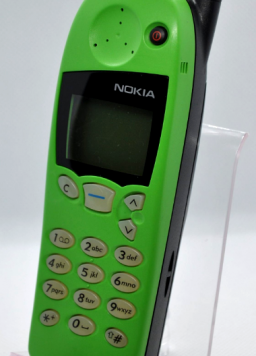
Nokia 5110: The Xpress-On Game Changer
Quick View💎 Rarity Index: D (Very Common)
⭐ WOW Factor: The first Nokia phone to come with replaceable faceplates
👁 Evaluation in my collection: Great – 9/10
🕵 Nokia Codename: Santra
⏱ Life timer: N/A | 📦 Boxed: NO
📅 Release Year: 1998 | 💰 Release Price: ~375 $
📊 Units Sold: ~10M
📰 Why this phone matters: The Nokia 5110 is one of the most important consumer mobile phones ever created, marking the start of Nokia’s transformation into the world’s most iconic handset brand. Released in 1998, it introduced the concept of Xpress-On covers, allowing users to personalize their phone with fully replaceable front and rear shells. This innovation became one of Nokia’s defining features for years, shaping the identity of the company and the youth-driven mobile culture of the late 1990s.Built on the same core platform as the business-focused Nokia 6110, the 5110 delivered strong reception, excellent battery life, and the simple but powerful Series 20 user interface. Its rugged construction made it extremely durable, and its 84 x 48 pixel monochrome display driven by the Philips PCD8544 controller offered impressive clarity for the time. The inclusion of Snake, one of the first globally recognized mobile games, helped turn the 5110 into a cultural milestone.
The collection includes an outstanding selection of Nokia 5110 units. With around 10 color variants, multiple sealed original covers, and an extremely rare official Michael Schumacher cover, it captures the full expressive power of the Xpress-On concept. These accessories, especially sealed originals and licensed editions, are now highly desirable collectibles due to their limited production and the heavy real-world use of most 5110s.
The Nokia 5110 stands today as a symbol of simplicity, durability, and personalization. Its impact on mobile culture is unquestionable, and a collection as diverse as yours highlights just how influential and historic this model truly was. It remains a cornerstone of any serious Nokia or mobile phone collection.
📝 Reviews when released: N/A 💔
-


Nokia 5130
Quick View💎 Rarity Index: C (Common)
👁 Evaluation in my collection: Great – 9/10
⏱ Life timer: 08h | 📦 Boxed: YES
📅 Release Year: 1998 | 💰 Release Price: N/A
📊 Units Sold: ~5M
📰 Why this phone matters: Similar to 5110 but runs on GSM 1800. The 5110, also known as Nokia 5146 on One2One (now T-Mobile), or the nk402 on Orange in the UK, was intended for the consumer market, succeeding Nokia 1610 and the analogue Nokia 232. Its design is based on the same platform as Nokia 6110 for the business market. It features a similar, simpler, revamped user interface called Series 20, but lacked the infrared data interface. It can, however, be interfaced with a computer via a cellular data card and the appropriate cable, enabling it to function like a modem to connect to remote computer systems through the Public switched telephone network (PSTN).
Nokia 5110 is rugged, has excellent battery life, and features an 84×48-pixel monochrome LCD with four LED backlights, operated by the Philips PCD8544 display controller.
It is the first Nokia phone to come with replaceable faceplates, which Nokia branded “Xpress-on” covers; a concept Nokia incorporated into several other consumer-oriented cellphones aimed at the young adult market for years to come, allowing users to customize their device. “Xpress-on” was trademarked in the U.S. on 25 February 1998.
Nokia 5110 is also one of the first mobile phones to feature the game Snake. It became one of the most popular phones of its era.
Nokia 5110 was discontinued by the year 2000, having been fully replaced by the smaller Nokia 3210.Similar to 5110 but running in GSM 1800 only📝 Reviews when released: N/A 💔
-


Nokia 5210: The Outdoor Classic
Quick View💎 Rarity Index: C (Common)
⭐ WOW Factor: The only Nokia phone with an orange backlight for a monochrome display.
👁 Evaluation in my collection: TBD
🕵 Nokia Codename: Funky
⏱ Life timer: 17m | 📦 Boxed: NO
📅 Release Year: 2002 | 💰 Release Price: N/A
📊 Units Sold: ~4M
📰 Why this phone matters: The Nokia 5210 is Nokia’s definitive rugged classic, a phone built for tough conditions at a time when most handsets were still fragile and business-focused. Announced in late 2001 and released in early 2002, it combined dust, shock and water resistance with Nokia’s familiar Series 20 interface, delivering a device that could survive real-world abuse without sacrificing everyday usability.This full box blue unit showcases the 5210 exactly as it was originally sold, complete with its distinctive rubber Xpress-On shells. The blue housing with silver and black accents gives the phone a sporty, technical look, while the rubber exterior provides added grip and physical protection. Unlike typical monochrome Nokias of its era, the 5210 uses an orange backlight, making it instantly recognizable and giving it a unique visual identity in low light.
Technically, the 5210 offers more than just toughness. It features WAP over CSD, a built-in infrared interface for data transfer to compatible devices, and support for Nokia’s PC tools, allowing phonebook editing and SMS handling directly from a computer. The Series 20 software platform provides a full set of calling features, including last number redial, speed dial, conference calling, call waiting, hold, mute, transfer and end all calls, alongside productivity tools such as a calculator, countdown timer, stopwatch, thermometer and calendar.
One of the most unusual features of the 5210 is its built-in thermometer, which reads the internal temperature of the phone’s battery. While primarily a technical and diagnostic function, Nokia exposed it as a user feature, adding to the phone’s adventurous, tool-like character. Preloaded with classic games like Snake II, Space Impact, Bantumi, Pairs II and Bumper, the 5210 balances rugged functionality with entertainment.
Because the 5210 was intended for rough use, most units were heavily worn or damaged over time. A full box example in blue, preserved in excellent condition, is now a rare find and a strong piece for any serious Nokia or rugged mobile collection. It represents a moment when Nokia successfully merged durability, personality and technology into one unmistakable device: the Nokia 5210, the Rugged Classic.
📝 Reviews when released: N/A 💔
-


Nokia 5510
Quick View💎 Rarity Index: B (Uncommon)
⭐ WOW Factor: The first Nokia phone with music player capabilities
👁 Evaluation in my collection: BNIB – 10/10
🕵 Nokia Codename: Maverick
⏱ Life timer: 0m | 📦 Boxed: YES
📅 Release Year: 2001 | 💰 Release Price: N/A
📊 Units Sold: ~800k
📰 Why this phone matters: The Nokia 5510 features a full QWERTY keyboard, and is notable for its digital music player, the company’s first mobile phone with music player capabilities.It has a 64 MB memory for storing audio files📝 Reviews when released: N/A 💔
-


Nokia 6110: The Chameleon Business Icon
Quick View💎 Rarity Index: C (Common)
⭐ WOW Factor: The first GSM phone to use an ARM processor, The first Nokia phone with the Snake game pre-installed
👁 Evaluation in my collection: Great – 9.5/10
⏱ Life timer: N/A | 📦 Boxed: NO
📅 Release Year: 1997 | 💰 Release Price: N/A
📊 Units Sold: ~7M
📰 Why this phone matters: The Nokia 6110 is one of the most important business phones Nokia ever created, introducing technologies and design elements that shaped the brand for years to come. Released in 1998, it delivered a series of major milestones that defined the next decade of Nokia devices. It was the first chameleon color phone in the world, the first Nokia with IR, the first Nokia with Series 20 icon UI, the first Nokia with Snake, and the first Nokia with an ARM processor. No other Nokia model combined this many industry firsts at once.This chameleon color unit is especially significant. Its color-shifting shell, changing tone depending on lighting and angle, was a world first and made the 6110 stand out immediately in the late 1990s market. These iridescent shells were produced in much smaller quantities than standard colors, and finding a brand new example today is extremely rare. This unit shows the 6110 exactly as Nokia intended, with unmistakable visual character and a premium finish unique to this early business classic.
Built on the same hardware platform as the consumer-focused Nokia 5110 but enhanced for business users, the 6110 introduced a new icon-driven Series 20 interface that became the foundation for future Nokia UI design. Its ARM processor improved performance, while the infrared port enabled early wireless data transfer long before Bluetooth became standard. Snake, preinstalled for the first time on this model, would go on to become one of the most iconic mobile games ever created.
The 6110 offered reduced size, better talk time, strong GSM reception, and a professional design that aligned with the growing business mobile market. It also represented the beginning of the 6xxx series, which would become one of Nokia’s most respected and longest-running product families.
With its world first chameleon housing and an unmatched combination of technological milestones, this brand new Nokia 6110 stands as an exceptional collector-grade example and a key piece of mobile phone history. It represents the moment Nokia transitioned from early GSM devices into the modern mobile era and set the standards for design, interface, and connectivity for years to come.
📝 Reviews when released: N/A 💔
-


Nokia 6110: The D2 Platinum Business Classic
Quick View💎 Rarity Index: A (Rare)
⭐ WOW Factor: The first GSM phone to use an ARM processor, The first Nokia phone with the Snake game pre-installed
👁 Evaluation in my collection: Good – 9/10
⏱ Life timer: N/A | 📦 Boxed: NO
📅 Release Year: 1997 | 💰 Release Price: N/A
📊 Units Sold: ~7M
📰 Why this phone matters: The Nokia 6110 D2 Platinum Edition is a rare and visually distinctive version of one of Nokias most influential business phones. Released in 1998 for the German D2 network, this variant features a premium grey metallic shell and regional branding, giving it a refined and professional appearance that stands out from the standard colors.The 6110 platform itself represents a major turning point in Nokia history. It introduced an exceptional list of industry firsts: the first chameleon color phone in the world, the first Nokia with IR, the first Nokia with Series 20 icon UI, the first Nokia with Snake, and the first Nokia with an ARM processor. No earlier Nokia model combined this many breakthroughs at once. Although the Platinum Edition uses a metallic grey shell rather than the chameleon finish, it fully inherits the technological importance of the 6110 platform.
As a business-targeted model, the 6110 delivered improved talk time, reduced size, stronger performance and a more advanced interface compared to earlier generations like the 2110. Its infrared port enabled early wireless data transfers years before Bluetooth became standard, and the Series 20 icon-driven UI laid the groundwork for future Nokia user interfaces for many years to come.
The D2 Platinum Edition is significantly rarer than regular 6110 units. It was produced in smaller quantities, distributed mainly within the German business market, and most units were heavily used, making clean surviving examples uncommon today. Its metallic finish, regional branding and connection to the earliest era of Nokia business innovation make it a desirable collectible piece.
The Nokia 6110 D2 Platinum Edition remains a core part of Nokias late-1990s business evolution, offering a unique combination of premium styling, regional exclusivity and historical significance tied to one of the most important mobile platforms ever created.
📝 Reviews when released: N/A 💔
-


Nokia 6150
Quick View💎 Rarity Index: C (Common)
👁 Evaluation in my collection: As New – 9.8/10
🕵 Nokia Codename: Dora
⏱ Life timer: 0m | 📦 Boxed: NO
📅 Release Year: 1998 | 💰 Release Price: N/A
📊 Units Sold: ~5M
📰 Why this phone matters: The phone was used in the Mercedes-Benz S-Class (W220)(1998-2006 type), where it was held in a cradle and connected to the car’s integrated car phone and media system called COMAND.📝 Reviews when released: N/A 💔
-


Nokia 6161i Cellular One
Quick View💎 Rarity Index: B (Uncommon)
👁 Evaluation in my collection: Great – 9.8/10
⏱ Life timer: 47h | 📦 Boxed: YES
📅 Release Year: 1998 | 💰 Release Price: N/A
📊 Units Sold: ~1M
📰 Why this phone matters:📝 Reviews when released: N/A 💔
-


Nokia 6210
Quick View💎 Rarity Index: C (Common)
👁 Evaluation in my collection: Great – 9/10
⏱ Life timer: N/A | 📦 Boxed: YES
📅 Release Year: 2000 | 💰 Release Price: ~350 €
📊 Units Sold: ~10M
📰 Why this phone matters: The Nokia 6210 is a mobile phone made by Nokia. It was introduced at the CeBIT fair in Hanover in February 2000 succeeding Nokia 6110. In addition to calling and SMS messaging, the phone has many other features, such as an alarm clock, a HSCSD modem, a WAP web client, 3 games (Snake 2, Pairs II and Opposite), a calculator, a ‘to-do’ list application, a calendar, infrared connectivity, a voice recorder and a stopwatch. In keeping with Nokia’s practice of selling phones that the user can customize the physical appearance of, the 6210 is minimally customizable. The plastic detail below the keypad, which Nokia called the ‘Personal Badge’ is removable. For a time, Nokia would send replacements, screen-printed with text of the customer’s choosing. These were free for a promotional period.
The 6210 could have bluetooth functionality added to it, with the use of the Nokia Connectivity Pack, which included a replacement battery which incorporated a Bluetooth adaptor and antenna (interfacing with the phone via normally unused electrical contacts in the battery compartment), and a connectivity card with a PCMCIA adaptor to bring bluetooth to a portable computer (at the time, December 2000, bluetooth was not widespread). The connectivity batteries were available separately. A software upgrade was needed for existing 6210 owners. For this reason, an upgraded 6210 was the earliest cellular phone with bluetooth connectivity. The upgrade pack was ready several months before the launch of the first cellphone with bluetooth built-in, however, it was not released to market until sometime after the first integrated-bluetooth phone had been launched. It can certainly be considered to be the first phone with a bluetooth option.📝 Reviews when released: N/A 💔
-


Nokia 6250
Quick View💎 Rarity Index: B (Uncommon)
👁 Evaluation in my collection: As New – 10/10
🕵 Nokia Codename: Harald
⏱ Life timer: 0m | 📦 Boxed: NO
📅 Release Year: 2000 | 💰 Release Price: ~400 $
📊 Units Sold: ~1M
📰 Why this phone matters: The Nokia 6250 is a mobile phone made by Nokia. It is a more rugged version of the Nokia 6210 phone. It has a monochrome graphic LCD display of resolution 96 x 60 pixels. Its memory can hold up to 500 phone book records with up to three numbers per name, and up to 150 text messages (SMS).📝 Reviews when released: N/A 💔
-


Nokia 6310
Quick View💎 Rarity Index: C (Common)
⭐ WOW Factor: The first Nokia triband phone
👁 Evaluation in my collection: Great – 9.5/10
🕵 Nokia Codename: Triton
⏱ Life timer: N/A | 📦 Boxed: NO
📅 Release Year: 2002 | 💰 Release Price: ~480 $
📊 Units Sold: ~7M
📰 Why this phone matters: The Nokia 6310 is a business-oriented mobile phone announced on 15 March 2001 and released at the end of the year as the successor of the Nokia 6210.This phone was used on the Mercedes-Benz S-Class (W220) (1998-2006 type), where it was held in a cradle and connected to the car’s integrated car phone and media system called COMAND APS. It was also Nokia’s very first mobile phone with Bluetooth connectivity (version 1.1).
📝 Reviews when released: N/A 💔