

">

Showing all 3 results
-
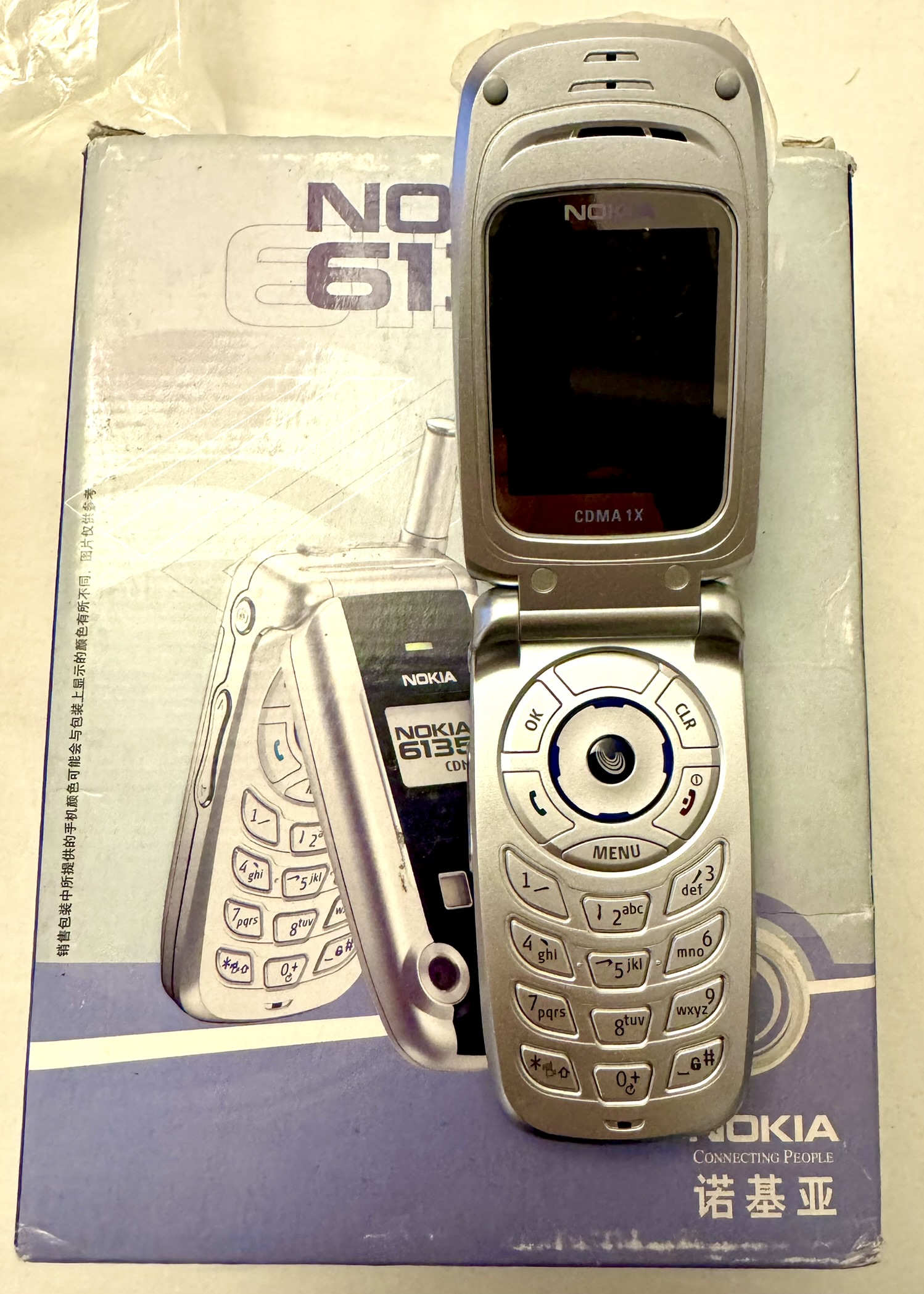
Nokia 6135: China-Market CDMA Edition
Quick View💎 Rarity Index: A (Rare)
👁 Evaluation in my collection: BNIB – 10/10
⏱ Life timer: 0 | 📦 Boxed: YES
📅 Release Year: 2004 | 💰 Release Price: ~350 $
📊 Units Sold: ~500k
📰 Why this phone matters: A rare Nokia CDMA clamshell created exclusively for the Chinese market and engineered around Qualcomm’s CDMA2000 1x platform. Unlike Nokia’s global GSM lineup, the 6135 uses a Nokia-custom CDMA OS with BREW support, the “CDMA by Qualcomm” branding, and the distinctive hardware configuration unique to early China Telecom devices.Certified under CMII in 2004 and produced in limited volume, the 6135 remains one of the least-known Nokia models ever released. Running on the classic BL-5C battery and carrying RM-98 internal architecture, it represents a rarely seen branch of Nokia’s portfolio – a hybrid of Nokia design and Qualcomm radio technology.
📝 Reviews when released: N/A 💔
-
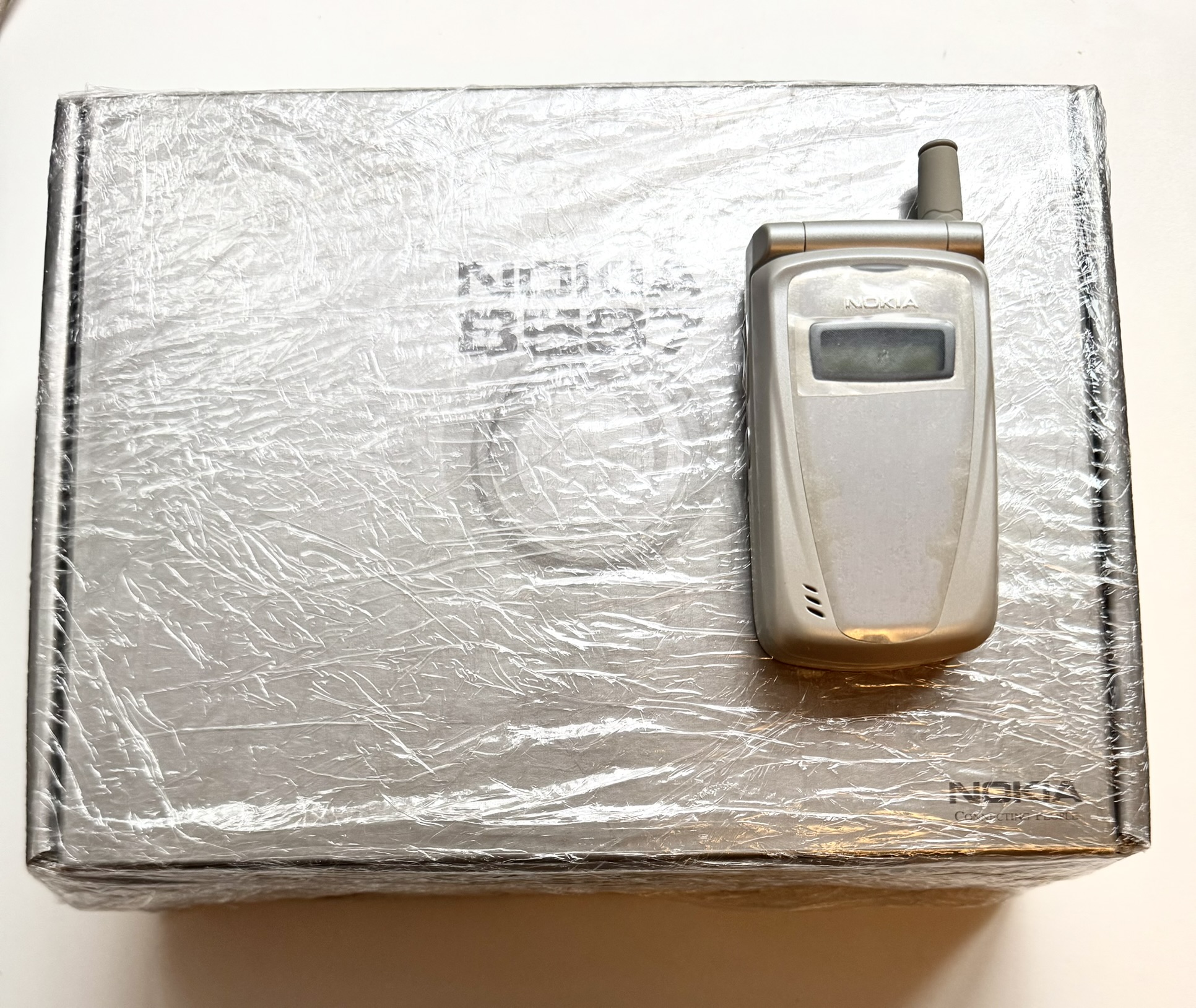
Nokia 8587: Korea Exclusive CDMA Rarity (BNIB)
Quick View💎 Rarity Index: A (Rare)
⭐ WOW Factor: A model using a battery and hardware ecosystem Nokia never used anywhere else
👁 Evaluation in my collection: BNIB – 10/10
⏱ Life timer: 0 | 📦 Boxed: YES
📅 Release Year: 2003 | 💰 Release Price: 350 €
📊 Units Sold: ~200k
📰 Why this phone matters: A truly unique Nokia released only for the South Korean market, the 8587 stands apart as one of the rarest and most unusual devices ever carrying the Nokia name. Built through a Korean ODM partnership, it blends classic Nokia software with Sanyo-style hardware, a proprietary domestic battery, and a design never used in any global Nokia model.This BNIB unit is a preserved time capsule from Nokia’s short-lived Korean CDMA experiment – a phone that looks Nokia on the outside but is unmistakably Korean-engineered inside. Closely related to models like the Nokia 8887, the 8587 represents a completely different branch of Nokia history, available only to local carriers and unseen outside Korea.
A standout collectible for any serious Nokia or CDMA enthusiast.
Highlights:
Korea-exclusive model (RH-15)
ODM-built with pseudo-Sanyo design and proprietary battery
MIC-certified Korean domestic release (Dec 2003)
Ultra-rare BNIB condition
Part of Nokia’s experimental Korean CDMA lineup (e.g., 8587 / 8887)
A true oddity: a Nokia that doesn’t follow Nokia’s global hardware standards
📝 Reviews when released: N/A 💔
-
Nokia 8587: Korea Exclusive CDMA Rarity (BNIB)
Quick View📦 Collector-to-Collector Transaction
This item is from a private collection and sold as-is for collectors only. All devices have been verified for authenticity and condition as described, but no warranty or guarantee is provided. This is a private sale between individuals and not a commercial business transaction.
💎 Rarity Index: A (Rare)
⭐ WOW Factor: A model using a battery and hardware ecosystem Nokia never used anywhere else
👁 Evaluation: BNIB – 10/10
⏱ Life timer: 0 📦 Boxed: YES
📰 About this collectible: A truly unique Nokia released only for the South Korean market, the 8587 stands apart as one of the rarest and most unusual devices ever carrying the Nokia name. Built through a Korean ODM partnership, it blends classic Nokia software with Sanyo-style hardware, a proprietary domestic battery, and a design never used in any global Nokia model.This BNIB unit is a preserved time capsule from Nokia’s short-lived Korean CDMA experiment – a phone that looks Nokia on the outside but is unmistakably Korean-engineered inside. Closely related to models like the Nokia 8887, the 8587 represents a completely different branch of Nokia history, available only to local carriers and unseen outside Korea.
A standout collectible for any serious Nokia or CDMA enthusiast.
Highlights:
Korea-exclusive model (RH-15)
ODM-built with pseudo-Sanyo design and proprietary battery
MIC-certified Korean domestic release (Dec 2003)
Ultra-rare BNIB condition
Part of Nokia’s experimental Korean CDMA lineup (e.g., 8587 / 8887)
A true oddity: a Nokia that doesn’t follow Nokia’s global hardware standards
✓ Verification Checklist
Authenticity & Condition:
– Originality verification (exterior, labels)
– Matching IMEI (box, label, motherboard)
– Physical condition assessment (scratches, cracks, screws)Functional Testing:
– Powers on
– Display functionality
– Camera (when applicable)
– Vibration mechanism (when applicable)
– Security code
– Charging
– Network connectivity
– Call functionality including speaker (non-BNIB units on European networks)Additional specific tests available upon request.