

">

Showing 1–12 of 20 results
-


LG F3000
Quick View💎 Rarity Index: B (Uncommon)
👁 Evaluation in my collection: Very Good – 9/10
⏱ Life timer: N/A | 📦 Boxed: YES
📅 Release Year: 2005 | 💰 Release Price: N/A
📊 Units Sold: ~400k
📰 Why this phone matters: The LG F3000 is a vaguely Porsche-looking cameraphone that not only emits some engine revs every time you flip it open, it actually honks at you when you receive a text message.📝 Reviews when released: Engadget 🔗
-
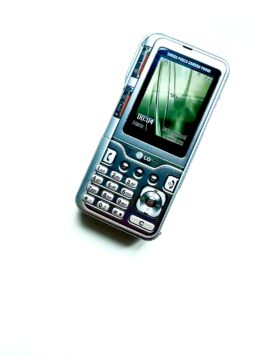
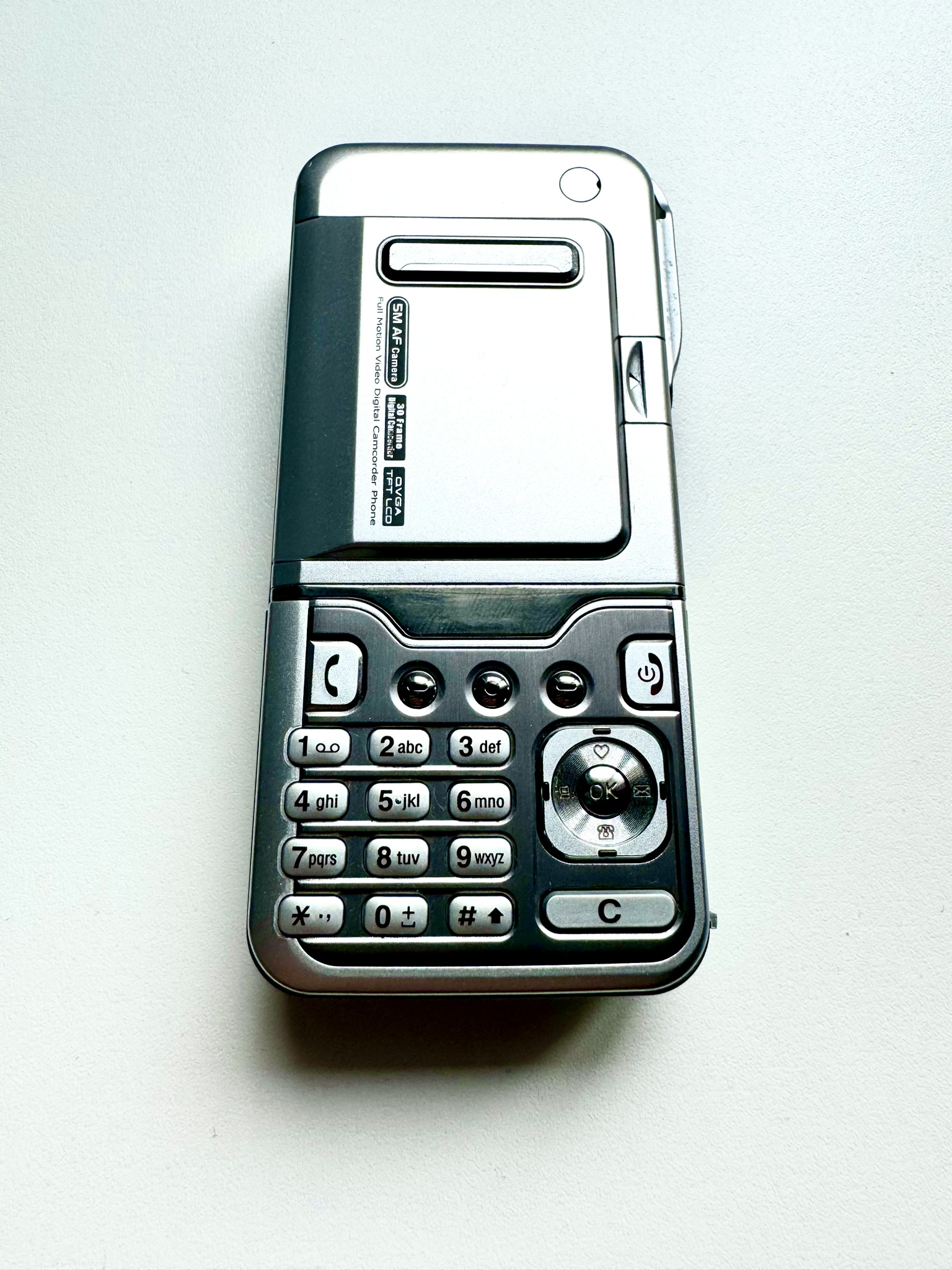
LG KG920
Quick View💎 Rarity Index: B (Uncommon)
⭐ WOW Factor: It delivered a 5-megapixel Schneider-Kreuznach camera in 2006 – beating most competitors by years.
👁 Evaluation in my collection: As New – 9.7/10
⏱ Life timer: N/A | 📦 Boxed: YES
📅 Release Year: 2006 | 💰 Release Price: 450 €
📊 Units Sold: ~500k
📰 Why this phone matters: The LG KG920 is one of the most daring and visionary camera phones ever released – a 2006 flagship that pushed boundaries years ahead of its time. With its 5-megapixel Schneider-Kreuznach camera, true xenon flash, and twist-rotating body, it belonged to a tiny elite family of experimental devices like the Nokia 3250 and Nokia 5700, yet it went even further by transforming into a full horizontal digital camera in one smooth motion.This was not just a phone with a camera – it was a camera that happened to be a phone.
The twist mechanism instantly reconfigured the device into a proper photography grip, something no mainstream device dared to replicate again. Combined with its premium build and Korea-exclusive engineering, the KG920 stood at the intersection of digital imaging and mobile design in a way that feels almost unbelievable today.
Launched in 2006 at a premium price of roughly &eur;o;450-&eur;o;500, it was heavily reviewed and praised for producing some of the cleanest, sharpest images of its generation. Today it remains vastly underrated, overshadowed by later icons, yet historically more important – it reached the 5 MP milestone before many of the industry’s giants and showcased a design concept that has never been revisited.
Your unit captures this legacy perfectly: a rare, twist-based camera phone from the golden era, preserved from a time when manufacturers dared to innovate radically.
A hybrid of digital camera ambition and bold mechanical engineering – the LG KG920 is a striking, unforgettable piece of mobile history.
📝 Reviews when released: Trusted Review 🔗
-


LG T Phone LD 1200
Quick View💎 Rarity Index: A (Rare)
👁 Evaluation in my collection: As New – 9.7/10
⏱ Life timer: N/A | 📦 Boxed: YES
📅 Release Year: 2006 | 💰 Release Price: N/A
📊 Units Sold: ~250k
📰 Why this phone matters: LG Electronics has just launched in Korea its new DMB-compatible mobile phone, the LG-LD1200, which has a 2.2 ” rotating screen with QVGA resolution, 256MB of internal memory, TransFlash slot, all in 103x50x23.5mm.📝 Reviews when released: Phone Dog 🔗
-


Nokia 3100b
Quick View💎 Rarity Index: C (Common)
👁 Evaluation in my collection: Good – 9/10
🕵 Nokia Codename: Maxine
⏱ Life timer: 79h | 📦 Boxed: NO
📅 Release Year: 2003 | 💰 Release Price: 50 $
📊 Units Sold: ~1.5M
📰 Why this phone matters: This version intended to be used in American GSM networks. It works in GSM 850/1800/1900.Differences from the basic 3100:
The Grid (originally the Line), an additional main menu interface in the settings menu
TTY/TTD option in Menu > Settings > Enhancement settings that appears only if the phone has been connected to a headset, TTD, or similar device
Voice recording during an active call, up to 1 minute
World clock that displays the time for various time zones. The Nokia 3100 is a triband-GSM mobile phone announced on 17 June 2003 as an entry-level phone from Nokia and released in September 2003, designed primarily for the newer generation of marketing audience.
The Nokia 3100 was developed from the Nokia 6100 as a successor to the Nokia 3510. The phone was Nokia’s first in the youth-oriented 3000-series to be equipped with a 128×128 pixel passive colour display (4096 colors/12-bit), and included Java MIDP 1.0, XHTML and WAP browser, GPRS, Pop-Port connectivity and Lithium-ion battery. It is also capable of playing polyphonic MIDI files, which can be used as ringtones.
It is compact in size and lightweight, and also features special lighting effects.📝 Reviews when released: N/A 💔
-


Nokia 3589i Verizon
Quick View💎 Rarity Index: C (Common)
⭐ WOW Factor: The first Nokia phone with BREW Technology
👁 Evaluation in my collection: Good – 8.5/10
🕵 Nokia Codename: Popeye
⏱ Life timer: NA | 📦 Boxed: NO
📅 Release Year: 2003 | 💰 Release Price: N/A
📊 Units Sold: ~5M
📰 Why this phone matters: The first Nokia to have BREW technology enabled together with Verizon📝 Reviews when released: N/A 💔
-
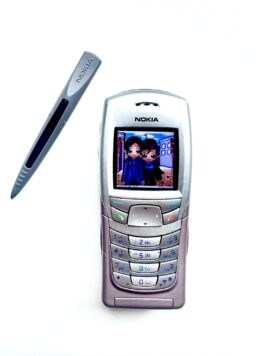
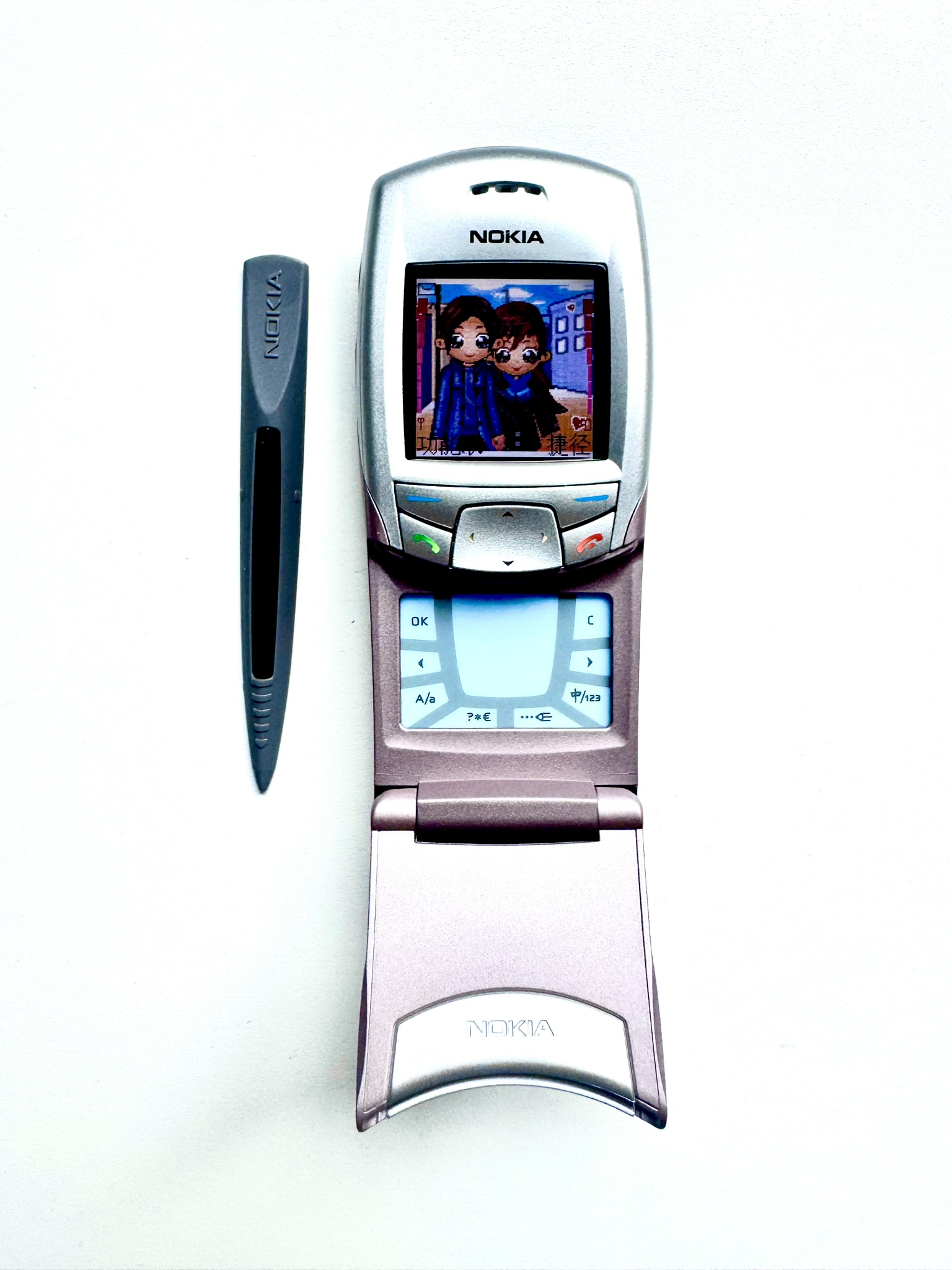
Nokia 6108 Prototype B5.0: Early Engineering Sample in Pink
Quick View💎 Rarity Index: S (Ultra Rare)
⭐ WOW Factor: Handwriting Recognition
👁 Evaluation in my collection: Good – 9/10
🕵 Nokia Codename: Libai
⏱ Life timer: 3 | 📦 Boxed: NO
📅 Release Year: 2003 | 💰 Release Price: 200 €
📊 Units Sold: ~300k (final units)
📰 Why this phone matters: A striking Nokia 6108 Prototype B5.0, internal codename “LiBai”, built under Type RH-4 and marked with the unmistakable Model: XXYY placeholder – one of Nokia’s classic signatures for true pre-production devices. The PROTO B5.0 designation places this unit in the late engineering stage, where final hardware refinements, handwriting-input validation and UI stability testing were performed before the model was green-lit for production.The pink housing paired with this prototype label makes it highly distinctive: while certain pink variants were later released in select Asian markets, the internal markings on this unit – early production codes, non-consumer label structure, and the development codename printed directly on the shield – confirm it as part of Nokia’s controlled R&D chain rather than a retail batch.
With its clean prototype identifiers, engineering-phase hardware and the unique “LiBai” project naming, this 6108 B5.0 proto stands as a rare and desirable example of Nokia’s experimental era, capturing the device exactly as it passed through the company’s internal development process.
📝 Reviews when released: N/A 💔
-
Nokia 6108: The First Handwriting Classic
Quick View💎 Rarity Index: A (Rare)
⭐ WOW Factor: Handwriting Recognition
👁 Evaluation in my collection: As New – 9.9/10
🕵 Nokia Codename: Libai
⏱ Life timer: 0 | 📦 Boxed: YES
📅 Release Year: 2003 | 💰 Release Price: 200 €
📊 Units Sold: ~300k
📰 Why this phone matters: The Nokia 6108 is one of the most unusual and innovative mass-released Nokia phones, designed specifically for the Chinese market and built around a unique flip-down handwriting input system. Released in the early 2000s, it combined a traditional candybar keypad with a dedicated handwriting pad hidden beneath the keys. The included stylus, neatly stored on the back of the device, enabled users to write Chinese or English characters directly onto the phone, making the 6108 a remarkably advanced hybrid device for its era.This full box example is extremely rare. Most 6108 units were heavily used in China and Southeast Asia, where handwriting input was a daily necessity. As a result, surviving phones usually show significant wear and often lack the stylus, manuals, or original packaging. A complete, intact full box with all accessories is very hard to find today and greatly increases the collectible value of this model.
With GPRS, MMS, email, Java applications, SyncML support, a two-way English/Chinese dictionary and speakerphone, the 6108 offered a feature set far beyond standard Series 40 devices of its time. Its IR port enabled early PC synchronization long before modern wireless standards became common.
Internally known as LiBai, the 6108 reflects Nokias experimental phase, merging conventional keypad use with stylus-driven handwriting input long before capacitive touchscreens became mainstream. Its distribution was limited to Asia-Pacific markets, and because it was heavily used for educational, business and translation purposes, complete boxed units like this one are exceptionally hard to source.
With its flip-down handwriting pad, integrated stylus, region-specific firmware and fully intact accessory set, this Nokia 6108 stands as a distinctive and rare piece of Nokia innovation, showcasing the company’s creative engineering during the early 2000s.
📝 Reviews when released: N/A 💔
-


Nokia 7900 Prism Burgundy
Quick View💎 Rarity Index: A (Rare)
⭐ WOW Factor: The first Nokia?phone with OLED Display
👁 Evaluation in my collection: Great – 9.5/10
⏱ Life timer: 88h | 📦 Boxed: NO
📅 Release Year: 2007 | 💰 Release Price: ~375 €
📊 Units Sold: ~1M
📰 Why this phone matters: The Nokia 7900 is a mobile phone produced by Nokia and announced on August 7, 2007. It is part of Nokia’s Prism Collection. It runs S40 5th Edition. It is a quadband phone and has WCDMA on 850 MHz and 2100 MHz. The 2-inch (51 mm) screen is powered by OLED technology, Nokia’s first, and has a resolution of 320×240 pixels showing 16 million colors. Included is a 2-megapixel camera with flash, an 850mAh battery, and 1 GB of on board memory.Dimensions are as follows: 112 x 45 x 11.3 mm; 101 grams.
📝 Reviews when released: Mobile Review 🔗
-


Nokia 7900 Prism Gold
Quick View💎 Rarity Index: A (Rare)
⭐ WOW Factor: The first Nokia?phone with OLED Display
👁 Evaluation in my collection: Great – 9.0/10
⏱ Life timer: 263h | 📦 Boxed: NO
📅 Release Year: 2007 | 💰 Release Price: ~375 €
📊 Units Sold: ~1M
📰 Why this phone matters: The Nokia 7900 is a mobile phone produced by Nokia and announced on August 7, 2007. It is part of Nokia’s Prism Collection. It runs S40 5th Edition. It is a quadband phone and has WCDMA on 850 MHz and 2100 MHz. The 2-inch (51 mm) screen is powered by OLED technology, Nokia’s first, and has a resolution of 320×240 pixels showing 16 million colors. Included is a 2-megapixel camera with flash, an 850mAh battery, and 1 GB of on board memory.Dimensions are as follows: 112 x 45 x 11.3 mm; 101 grams.
📝 Reviews when released: Mobile Review 🔗
-
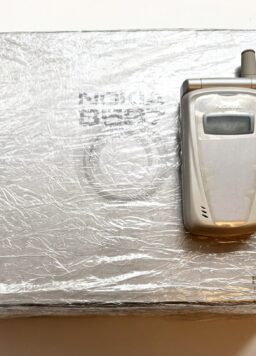
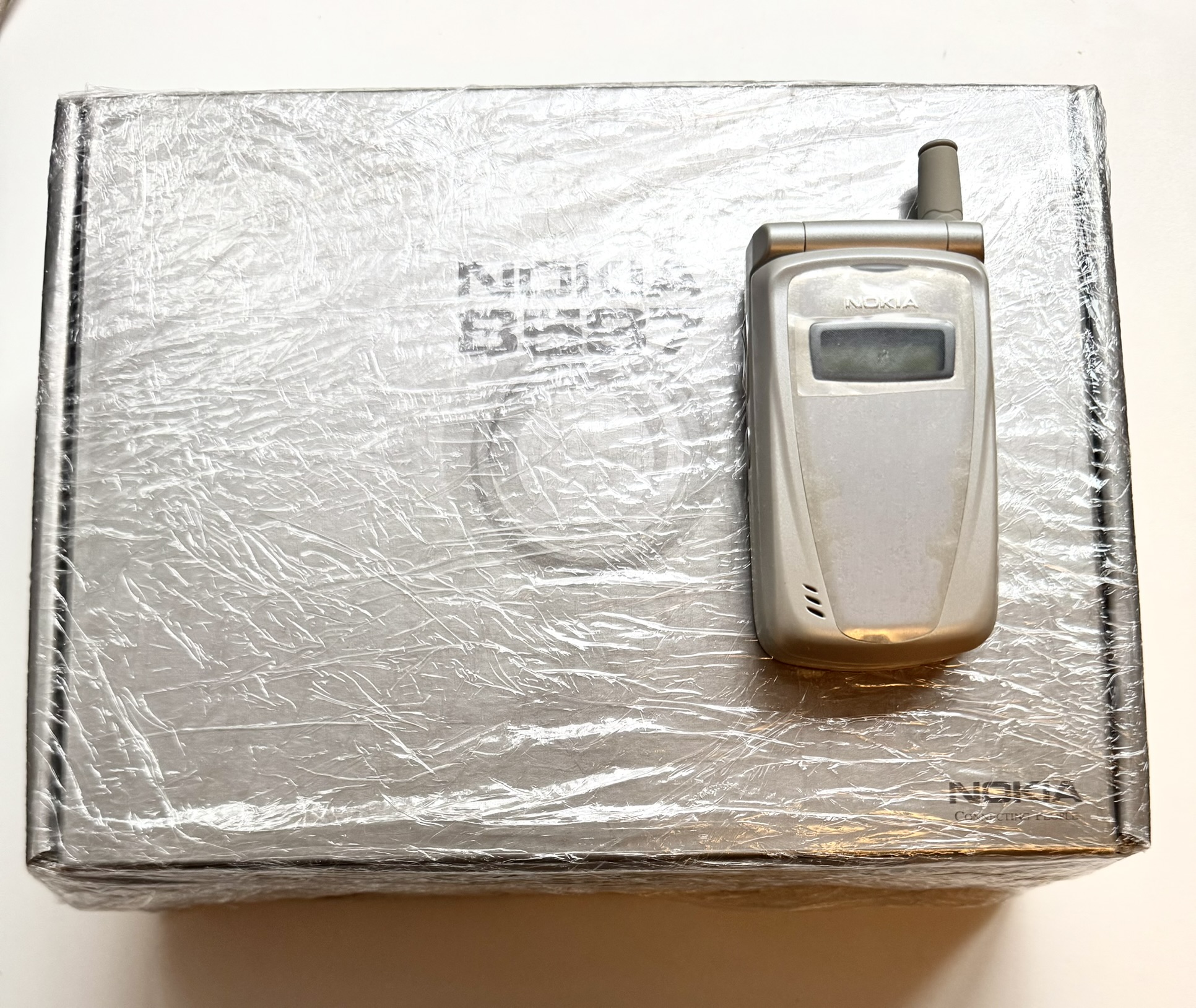
Nokia 8587: Korea Exclusive CDMA Rarity (BNIB)
Quick View💎 Rarity Index: A (Rare)
⭐ WOW Factor: A model using a battery and hardware ecosystem Nokia never used anywhere else
👁 Evaluation in my collection: BNIB – 10/10
⏱ Life timer: 0 | 📦 Boxed: YES
📅 Release Year: 2003 | 💰 Release Price: 350 €
📊 Units Sold: ~200k
📰 Why this phone matters: A truly unique Nokia released only for the South Korean market, the 8587 stands apart as one of the rarest and most unusual devices ever carrying the Nokia name. Built through a Korean ODM partnership, it blends classic Nokia software with Sanyo-style hardware, a proprietary domestic battery, and a design never used in any global Nokia model.This BNIB unit is a preserved time capsule from Nokia’s short-lived Korean CDMA experiment – a phone that looks Nokia on the outside but is unmistakably Korean-engineered inside. Closely related to models like the Nokia 8887, the 8587 represents a completely different branch of Nokia history, available only to local carriers and unseen outside Korea.
A standout collectible for any serious Nokia or CDMA enthusiast.
Highlights:
Korea-exclusive model (RH-15)
ODM-built with pseudo-Sanyo design and proprietary battery
MIC-certified Korean domestic release (Dec 2003)
Ultra-rare BNIB condition
Part of Nokia’s experimental Korean CDMA lineup (e.g., 8587 / 8887)
A true oddity: a Nokia that doesn’t follow Nokia’s global hardware standards
📝 Reviews when released: N/A 💔
-
Nokia 8587: Korea Exclusive CDMA Rarity (BNIB)
Quick View📦 Collector-to-Collector Transaction
This item is from a private collection and sold as-is for collectors only. All devices have been verified for authenticity and condition as described, but no warranty or guarantee is provided. This is a private sale between individuals and not a commercial business transaction.
💎 Rarity Index: A (Rare)
⭐ WOW Factor: A model using a battery and hardware ecosystem Nokia never used anywhere else
👁 Evaluation: BNIB – 10/10
⏱ Life timer: 0 📦 Boxed: YES
📰 About this collectible: A truly unique Nokia released only for the South Korean market, the 8587 stands apart as one of the rarest and most unusual devices ever carrying the Nokia name. Built through a Korean ODM partnership, it blends classic Nokia software with Sanyo-style hardware, a proprietary domestic battery, and a design never used in any global Nokia model.This BNIB unit is a preserved time capsule from Nokia’s short-lived Korean CDMA experiment – a phone that looks Nokia on the outside but is unmistakably Korean-engineered inside. Closely related to models like the Nokia 8887, the 8587 represents a completely different branch of Nokia history, available only to local carriers and unseen outside Korea.
A standout collectible for any serious Nokia or CDMA enthusiast.
Highlights:
Korea-exclusive model (RH-15)
ODM-built with pseudo-Sanyo design and proprietary battery
MIC-certified Korean domestic release (Dec 2003)
Ultra-rare BNIB condition
Part of Nokia’s experimental Korean CDMA lineup (e.g., 8587 / 8887)
A true oddity: a Nokia that doesn’t follow Nokia’s global hardware standards
✓ Verification Checklist
Authenticity & Condition:
– Originality verification (exterior, labels)
– Matching IMEI (box, label, motherboard)
– Physical condition assessment (scratches, cracks, screws)Functional Testing:
– Powers on
– Display functionality
– Camera (when applicable)
– Vibration mechanism (when applicable)
– Security code
– Charging
– Network connectivity
– Call functionality including speaker (non-BNIB units on European networks)Additional specific tests available upon request.
-


Nokia 8800 Arte Classic Black
Quick View💎 Rarity Index: B (Uncommon)
👁 Evaluation in my collection: Great – 9/10
🕵 Nokia Codename: Skira
⏱ Life timer: 21h | 📦 Boxed: NO
📅 Release Year: 2008 | 💰 Release Price: ~1000 €
📊 Units Sold: ~600k
📰 Why this phone matters: Nokia describes the composition of the latest 8800 as a “unique synthesis of high quality glass and metal”, however, unique seems a misnomer considering how similar the Arte looks to its predecessor the Sirocco. That said, there’s definitely something alluring about the simple elegance of the Arte.The 8800 feels great to hold and to use. It’s noticeably heavier than other handsets, and while we’d often mark the extra heft as a bad point, the Arte has a pleasing weight; it feels solid and durable. The sliding mechanism is amongst the best we’ve used, and again gives the impression of a high quality build and of a level of craftsmanship absent from cheaper mass-produced models.
📝 Reviews when released: Mobile Review 🔗