

">

Showing 1–12 of 18 results
-


Nokia 3110
Quick View💎 Rarity Index: D (Very Common)
⭐ WOW Factor: The first Nokia phone to feature the Navi-Key (a.k.a. D-Pad)
👁 Evaluation in my collection: Great – 9.8/10
⏱ Life timer: NA | 📦 Boxed: YES
📅 Release Year: 1997 | 💰 Release Price: N/A
📊 Units Sold: ~8M
📰 Why this phone matters: The 3110 is a GSM mobile phone handset manufactured by Nokia in Hungary, introduced at CEBIT in March 1997.The 3110 is notable as the first Nokia handset to feature the ‘Navi-Key’ (a.k.a. D-Pad) menu navigation system. The Navi-Key was featured heavily on Nokia handsets, especially the entry-level models such as the Nokia 1100 in the following years. Unlike its successor, the 3210, and subsequent handsets of similar design, the 3110 had an external antenna. The phone was available with a slim, standard or vibrating battery. It could only be used on a GSM-900 network.
The 3110 shared the platform and accessories of the Nokia 8110 “banana phone”.
The model number was reused by Nokia in 2007 when the company launched the Nokia 3110 classic. The 3110 Classic sports a candybar form factor similar to that of the 3110, but adds modern features such as Bluetooth, camera functionality, audio and video playback and recording, and packet data over EDGE, in addition to tri-band functionality.
Unlike subsequent 3000 series mobile phones, its display is not PCD8544 based. This is a special edition made for VW AG, it has red light and LI ION battery📝 Reviews when released: N/A 💔
-


Nokia 3110 Blue VW Edition
Quick View💎 Rarity Index: S (Ultra Rare)
⭐ WOW Factor: The first Nokia phone to feature the Navi-Key (a.k.a. D-Pad)
👁 Evaluation in my collection: Good – 9/10
⏱ Life timer: NA | 📦 Boxed: NO
📅 Release Year: 1997 | 💰 Release Price: N/A
📊 Units Sold: ~10k
📰 Why this phone matters: The 3110 is a GSM mobile phone handset manufactured by Nokia in Hungary, introduced at CEBIT in March 1997.The 3110 is notable as the first Nokia handset to feature the ‘Navi-Key’ (a.k.a. D-Pad) menu navigation system. The Navi-Key was featured heavily on Nokia handsets, especially the entry-level models such as the Nokia 1100 in the following years. Unlike its successor, the 3210, and subsequent handsets of similar design, the 3110 had an external antenna. The phone was available with a slim, standard or vibrating battery. It could only be used on a GSM-900 network.
The 3110 shared the platform and accessories of the Nokia 8110 “banana phone”.
The model number was reused by Nokia in 2007 when the company launched the Nokia 3110 classic. The 3110 Classic sports a candybar form factor similar to that of the 3110, but adds modern features such as Bluetooth, camera functionality, audio and video playback and recording, and packet data over EDGE, in addition to tri-band functionality.
Unlike subsequent 3000 series mobile phones, its display is not PCD8544 based. This is a special edition made for VW AG, it has red light and LI ION battery📝 Reviews when released: N/A 💔
-


Nokia 3110 Orange
Quick View💎 Rarity Index: B (Uncommon)
⭐ WOW Factor: The first Nokia phone to feature the Navi-Key (a.k.a. D-Pad)
👁 Evaluation in my collection: Good – 9/10
⏱ Life timer: NA | 📦 Boxed: NO
📅 Release Year: 1997 | 💰 Release Price: N/A
📊 Units Sold: ~8M
📰 Why this phone matters: The 3110 is a GSM mobile phone handset manufactured by Nokia in Hungary, introduced at CEBIT in March 1997.The 3110 is notable as the first Nokia handset to feature the ‘Navi-Key’ (a.k.a. D-Pad) menu navigation system. The Navi-Key was featured heavily on Nokia handsets, especially the entry-level models such as the Nokia 1100 in the following years. Unlike its successor, the 3210, and subsequent handsets of similar design, the 3110 had an external antenna. The phone was available with a slim, standard or vibrating battery. It could only be used on a GSM-900 network.
The 3110 shared the platform and accessories of the Nokia 8110 “banana phone”.
The model number was reused by Nokia in 2007 when the company launched the Nokia 3110 classic. The 3110 Classic sports a candybar form factor similar to that of the 3110, but adds modern features such as Bluetooth, camera functionality, audio and video playback and recording, and packet data over EDGE, in addition to tri-band functionality.
Unlike subsequent 3000 series mobile phones, its display is not PCD8544 based. This is a special edition made for VW AG, it has red light and LI ION battery📝 Reviews when released: N/A 💔
-
Nokia 3128 Prototype F5.0 : Codename Kirin| Unreleased Colour (Orange)
Quick View💎 Rarity Index: S (Ultra Rare)
⭐ WOW Factor: Represents a short-lived moment when BenQ attempted to showcase its ability to deliver a complete UI solution, hoping to convince Nokia that full software outsourcing for low-cost devices was feasible.
The existence of this device is proof of a BenQ-driven initiative, briefly evaluated and ultimately rejected by Nokia.
Only a handful of such BenQ UI?on?Nokia hardware identity samples were ever created, making surviving units exceptionally rare.👁 Evaluation in my collection: New – 10/10
🕵 Nokia Codename: Kirin
⏱ Life timer: 0 | 📦 Boxed: NO
📅 Release Year: 2003 | 💰 Release Price: ~300 $
📊 Units Sold: ~15M (final units)
📰 Why this phone matters: A remarkably rare piece of Nokia’s China-market CDMA history, the Nokia 3128 (Type RH-72) stands apart from the brand’s mainstream lineup.
Developed during Nokia’s short-lived collaboration with BenQ/Qisda for ODM CDMA devices, the 3128 blends Nokia’s software customisation with a hardware platform originating from BenQ’s Kirin F5.0 design family – a handset architecture that BenQ itself never released commercially.This prototype unit, finished in an unreleased Orange colourway, represents a pre-production stage never intended for the public market. The colour scheme follows BenQ’s design language rather than Nokia’s, making it instantly identifiable among collectors familiar with early-2000s ODM manufacturing. Hardware elements – including the casing geometry, battery interface and Qualcomm-based CDMA internals – further underline its BenQ lineage while still carrying official Nokia branding, labels and firmware.
The device offered compact CDMA 1X connectivity, a lightweight clamshell form factor and the simplified user interface typical of Nokia’s China-exclusive CDMA portfolio of the era.
This example is preserved brand new, never used in the collection – a highly desirable state for a model whose production numbers were already extremely small.
A rare convergence of two major manufacturers’ design philosophies, the Nokia 3128 prototype in Orange stands as one of the most distinctive and least-known ODM Nokia variants ever created.
📝 Reviews when released: N/A 💔
-


Nokia 3315: The Improved 3310 Icon
Quick View💎 Rarity Index: C (Common)
👁 Evaluation in my collection: As New – 10/10
🕵 Nokia Codename: Leo
⏱ Life timer: 18 | 📦 Boxed: YES
📅 Release Year: 2000 | 💰 Release Price: N/A
📊 Units Sold: ~12M
📰 Why this phone matters: The Nokia 3315 is the refined evolution of the legendary Nokia 3310, offering improved features, enhanced usability, and the same level of durability that made the series world famous. Released primarily in Asia-Pacific markets, the 3315 kept the strong internal antenna design, excellent battery life, and rugged construction of the 3310, while adding new capabilities that made it a more advanced device for its time.This unit is BNIB and comes complete in its original box, an extremely rare condition for the 3315 due to its heavy use in the markets where it was sold. The phone features a bright yellow Xpress-On cover, one of the more eye-catching and desirable color variants of the model. BNIB 3315 units in any color are difficult to find, but a boxed yellow-cover example is especially collectible.
Among its improvements are picture messaging, editable operator logos, automatic keypad locking, animated menu effects, and a time screensaver. These upgrades made the 3315 feel more modern and expressive, long before multimedia messaging or mobile personalization became standard. It retained the Xpress-On cover system, allowing users to change both front and rear shells for complete customization.
Built on the same trusted platform as the 3310, the 3315 maintained outstanding reception, long-lasting performance, and the popular game lineup including Snake II, Space Impact, and Bantumi. Its internal antenna and compact monoblock shape made it one of the most practical and reliable feature phones of the early 2000s.
Because the Nokia 3315 was distributed mainly in Asia-Pacific regions, surviving units in clean condition are harder to find in eur;ope. BNIB units are exceptionally rare, as most were heavily used or discarded over time. This boxed yellow-cover example stands out as a valuable collector piece and a vibrant representation of Nokia’s enhanced version of the classic 3310 formula.
The Nokia 3315 remains a durable, expressive, and culturally significant successor to one of the most iconic mobile phones ever created, and a BNIB yellow-cover model is a standout addition to any serious Nokia collection.
📝 Reviews when released: N/A 💔
-


Nokia 3330
Quick View💎 Rarity Index: D (Very Common)
👁 Evaluation in my collection: BNIB – 10/10
🕵 Nokia Codename: Spiderman
⏱ Life timer: 0m | 📦 Boxed: YES
📅 Release Year: 2001 | 💰 Release Price: ~130 £
📊 Units Sold: ~10M
📰 Why this phone matters: The Nokia 3330 added a CSD-based WAP capability, animated screensavers, a pinball game named ‘Bumper’ and phonebook (stored in the phone memory as opposed to the SIM card in earlier models) with a 100 entry capacity to the model. It also has the capability of downloading Java MIDP apps via WAP (Snake II mazes, Bumper tables, Space Impact chapters).📝 Reviews when released: N/A 💔
-
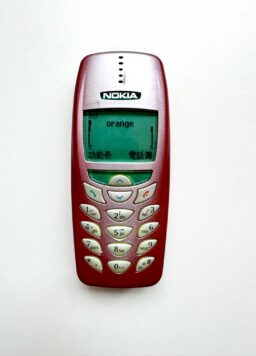
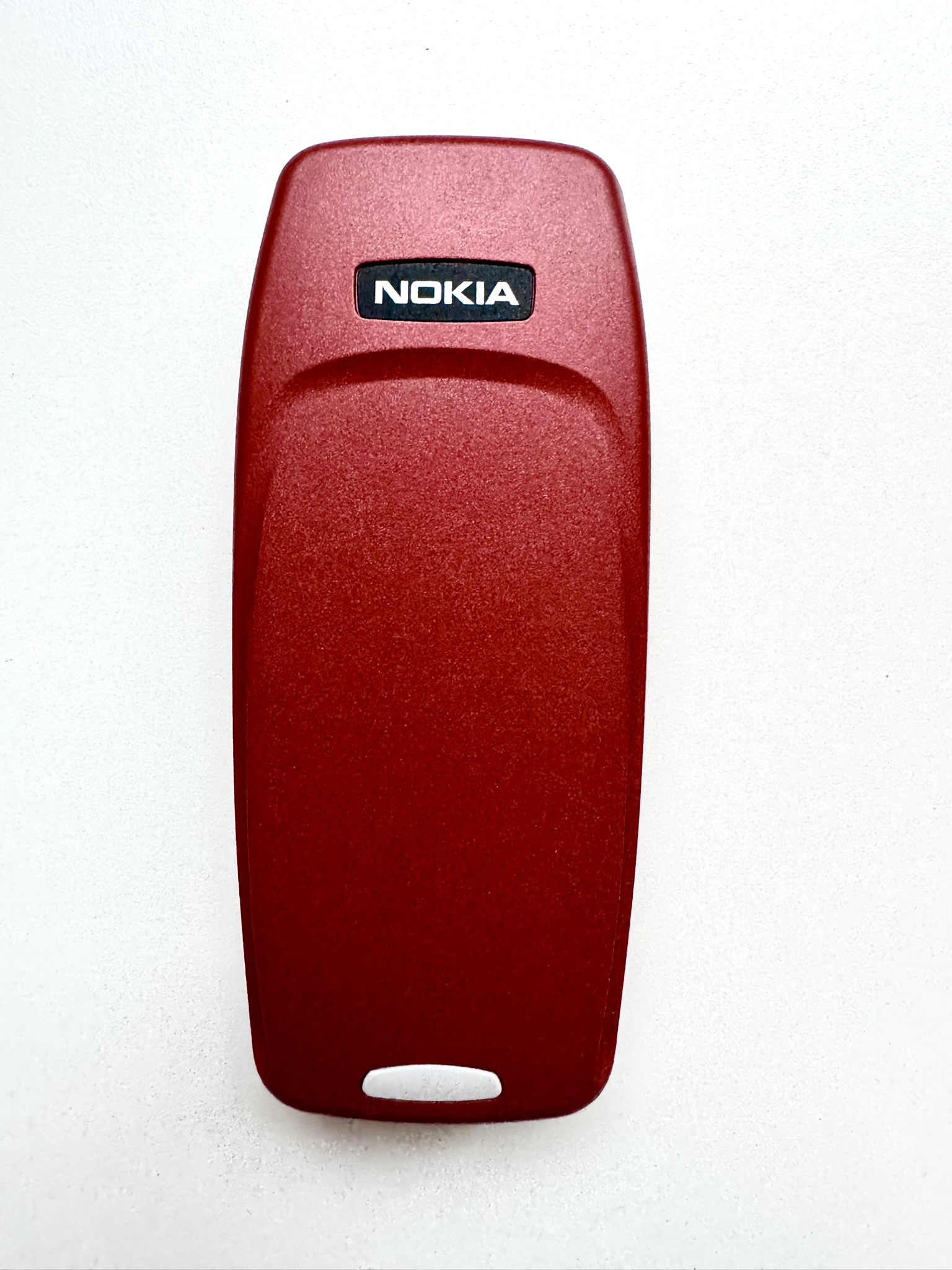
Nokia 3350 Prototype P2.3 : “Ladybird” Early Engineering
Quick View💎 Rarity Index: S (Ultra Rare)
👁 Evaluation in my collection: New – 10/10
🕵 Nokia Codename: LadyBird
⏱ Life timer: 0 | 📦 Boxed: NO
📅 Release Year: 2002 | 💰 Release Price: N/A
📊 Units Sold: ~8M (final units)
📰 Why this phone matters: An exceptionally rare Nokia 3350 NHM-9NX prototype, built during the P2.3 engineering phase of Nokia’s internal development cycle. Carrying the codename “Ladybird”, this unit predates the commercial Nokia 3350 and represents one of the earliest hardware validation builds of the series.Prototypes in the P-series (especially below P3.0) were never intended for public exposure and were used strictly within Nokia’s labs for early software integration, RF calibration, UI tuning and keypad response testing. This P2.3 unit retains all the classic prototype signatures:
PROTO – P2.3 designation
Pre-release internal model name “Ladybird”
No commercial model number printed
Simplified regulatory labeling
Early keypad and housing materials
The front shell features a colour tone and paint texture not identical to the final retail 3350, confirming it as an early body variant used before mass-production plastics and colouring were locked. The keypad shape and iconography also resemble transitional test designs typical of P-series engineering handsets.
As part of Nokia’s early-2000s mid-range development line, the 3350 was known for its rugged build, SMS chat features, WAP support, customizable profiles and rock-solid battery life. This prototype offers a direct look into the internal pre-production evolution of one of Nokia’s most widely used platforms in Asia and eur;ope.
📝 Reviews when released: N/A 💔
-
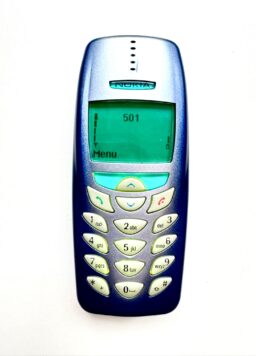
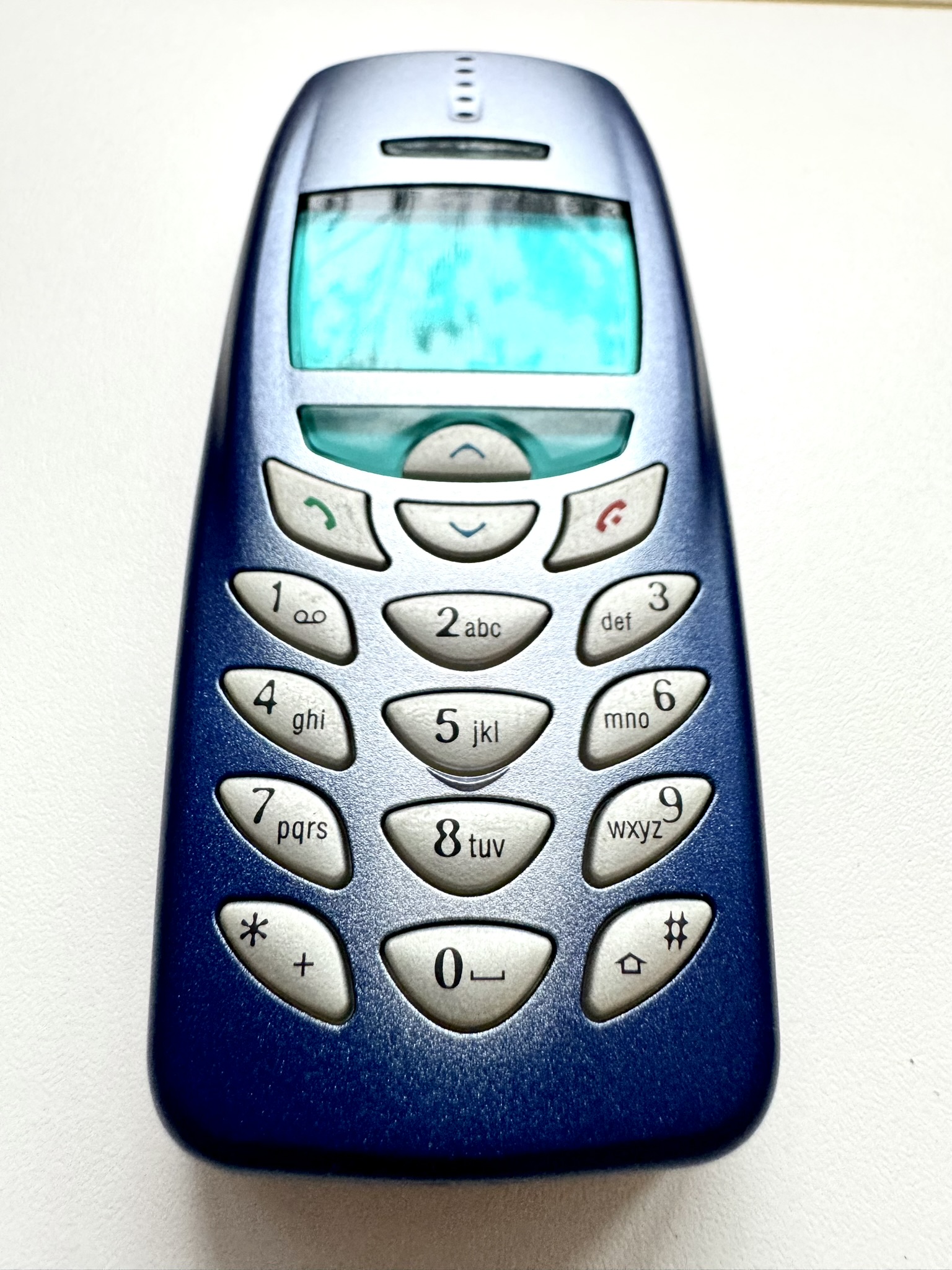
Nokia 3350 Prototype B2.1 : “Ladybird” Early Engineering
Quick View💎 Rarity Index: S (Ultra Rare)
👁 Evaluation in my collection: New – 10/10
🕵 Nokia Codename: LadyBird
⏱ Life timer: 0 | 📦 Boxed: NO
📅 Release Year: 2002 | 💰 Release Price: N/A
📊 Units Sold: ~8M (final units)
📰 Why this phone matters: A highly rare Nokia 3350 NHM-9NX prototype from the B-series engineering phase, carrying the internal codename “Ladybird”.
This B2.1 prototype predates the commercial Nokia 3350 by a significant margin and belongs to one of Nokia’s earliest functional validation waves – far earlier and far scarcer than the P-series engineering units.The B-series prototypes were used exclusively within Nokia’s R&D labs during the earliest stages of hardware and firmware development. These devices formed the foundation of the 3350 platform, serving for keypad matrix testing, UI logic integration, RF tuning, electrical stability checks, and early material experimentation. Units at this stage were never intended to leave Nokia’s possession.
This particular sample is exceptional thanks to:
PROTO – B2.1 designation (rare early engineering phase)
Internal model name “Ladybird”
Experimental blue housing with pre-production paint texture
Unreleased keypad variant, featuring a unique key-shape geometry and distinct iconography
Early-mould plastics not matching final production tolerances
Simplified internal regulatory labeling
?? Important rarity note:
The internal chassis dimensions of this B2.1 prototype differ from all later builds. No commercial Nokia 3350 back cover – and not even P-series prototype back covers – will fit this handset. This confirms that the device comes from an early hardware revision before Nokia finalized the external shell specifications. Such incompatibility is typical only for B-series engineering samples and dramatically increases its historical uniqueness.The blue front shell also features a colour tone not used in mass production, showing Nokia’s exploration of material finishes before final design locking.
As an early DCT-3 era engineering artefact, this B2.1 “Ladybird” prototype is exceptionally rare. With its unique housing geometry, non-final keypad, and unmatched chassis dimensions, it stands as a museum-grade piece that represents a developmental phase almost never seen outside Nokia’s own engineering teams.
A highly valuable and distinctive addition to any advanced Nokia prototype collection.
📝 Reviews when released: N/A 💔
-
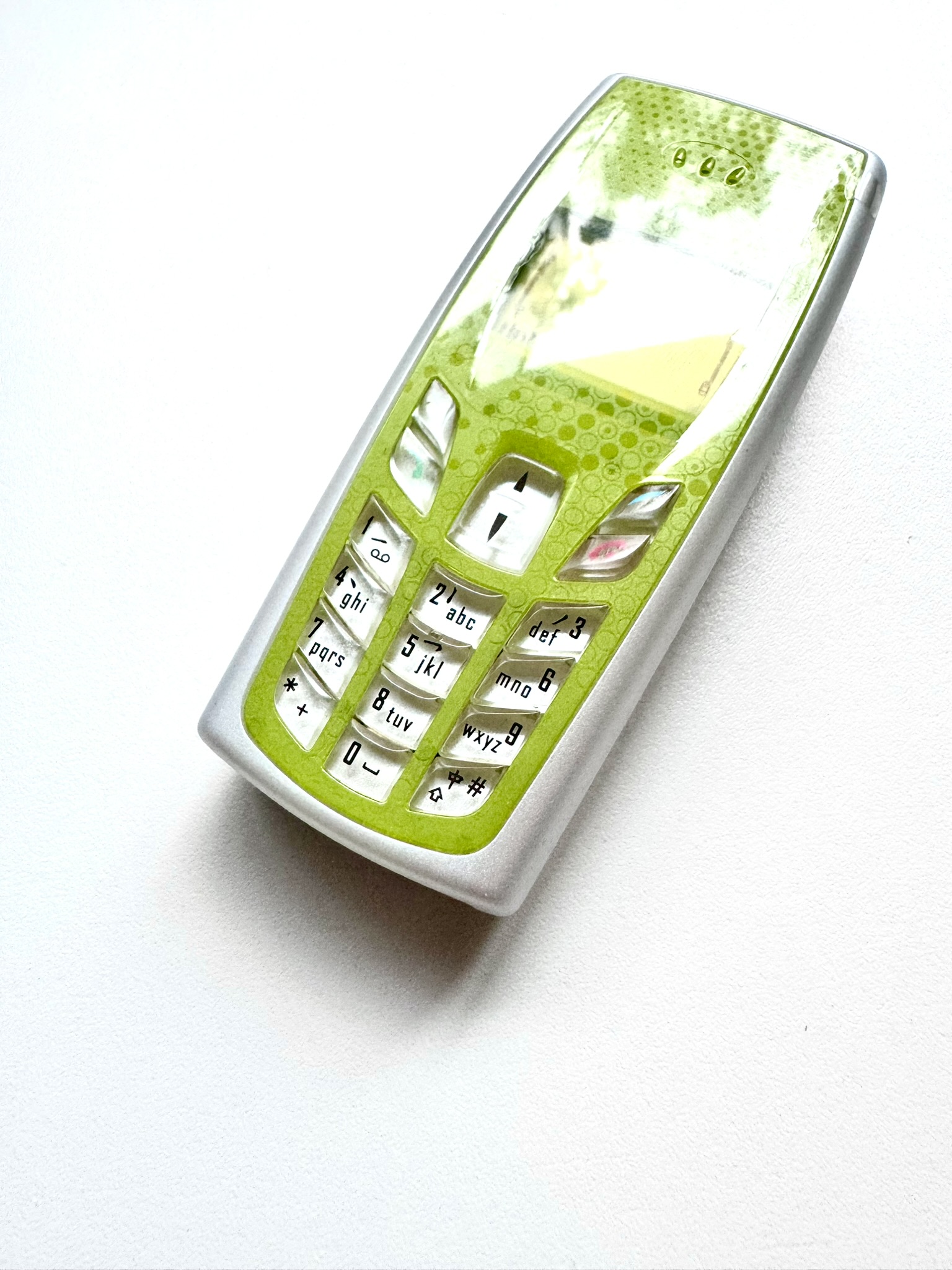
Nokia 3610 Prototype B5.0 : Rare Lime Green Variant
Quick View💎 Rarity Index: S (Ultra Rare)
👁 Evaluation in my collection: Great – 9.5/10
🕵 Nokia Codename: LadyBird
⏱ Life timer: 12h | 📦 Boxed: NO
📅 Release Year: 2002 | 💰 Release Price: 150 €
📊 Units Sold: ~1M (final units)
📰 Why this phone matters: A genuine Nokia 3610 Prototype B5.0 (Type NAM-1), originating from Nokia’s internal late engineering phase. The PROTO B5.0 marking, the blank Model field, and the early-format Nokia R&D label identify it as a true pre-production unit used for hardware validation, firmware testing, and RF checks before the model entered final approval.Although this prototype uses a housing and keypad identical to later retail versions, the internal label and hardware revision confirm its role as an authentic Nokia lab device – produced in small quantities and never intended for commercial distribution.
A compact but historically significant DCT4-era engineering sample, and a solid rarity for any serious Nokia prototype collection.
📝 Reviews when released: N/A 💔
-


Nokia 3810: The Lost Asian Shadow of the 3110
Quick View💎 Rarity Index: S (Ultra Rare)
⭐ WOW Factor: A true APAC-market ghost model, the Nokia 3810 exists as a secret evolution of the 3110, built on a unique NHE-8A hardware branch, sold only through selected Asian operators, and so rare today that even many hardcore collectors have never seen a real one outside archival photos.
👁 Evaluation in my collection: Good – 8.5/10
⏱ Life timer: NA | 📦 Boxed: NO
📅 Release Year: 1998 | 💰 Release Price: ~11000 PHP
📊 Units Sold: ~1M
📰 Why this phone matters: Nokia 3810 is one of the most obscure and region-locked handsets Nokia ever released, a model that at first sight looks like a Nokia 3110 from the late 90s, but in reality is a completely different device built specifically for the Southeast Asian market. Created around late 1998 to early 1999 for operators like Globe Telecom in the Philippines and Singtel in Singapore, it was never part of Nokia’s global roadmap and never appeared in eur;opean or American catalogs.Internally, the 3810 belongs to the extended NHE-8A platform, a rare fork of the 3110 architecture that Nokia used only for operator-specific customizations. Unlike typical localized firmware builds, this model has a modified PCB layout, different RF filters, region-specific power amplifiers, and firmware adjusted for hot and congested GSM-900 networks in Asia. The firmware also contains unique operator menus, a different startup behavior, and a SIM Toolkit implementation that the original 3110 did not have.
Visually, the 3810 shares the silhouette of the 3110, but key differences immediately confirm it as its own device. It has a redesigned navigation cluster, different soft keys, a unique lower mask, and a housing made from a thicker, more rubberized plastic type. These material changes were intentional, allowing the phone to survive the high humidity and heat typical of Southeast Asia. The keypad layout is also subtly different, confirming that this is not a housing replacement but a dedicated mold used only for this variant.
The 3810 was priced below the 5110 and slightly below the original 3110 in the APAC region, typically selling around PHP 7000 to 9000, often bundled with prepaid or SIM activation packages. Because Nokia kept production extremely limited and distributed the model only through operator channels, most units were used heavily and eventually scrapped. Almost none were exported, and very few examples have survived in clean or working condition. Today it stands as one of the rarest late 90s Nokias, more elusive than many prototypes, and almost never seen in Western collections.
The unit presented here is a remarkable surviving example, displaying Globe firmware on boot and all the unique hardware traits of the genuine 3810 platform. More than just a variant, it represents a hidden branch of Nokia history, a fully official model that Nokia itself barely acknowledged and one that existed only because regional operators demanded a slightly more modern, network-optimized alternative to the aging 3110. Devices like this highlight how complex Nokia’s APAC strategy truly was and why some of the rarest Nokias were never sold outside their home markets.
📝 Reviews when released: Mobile Review 🔗
-
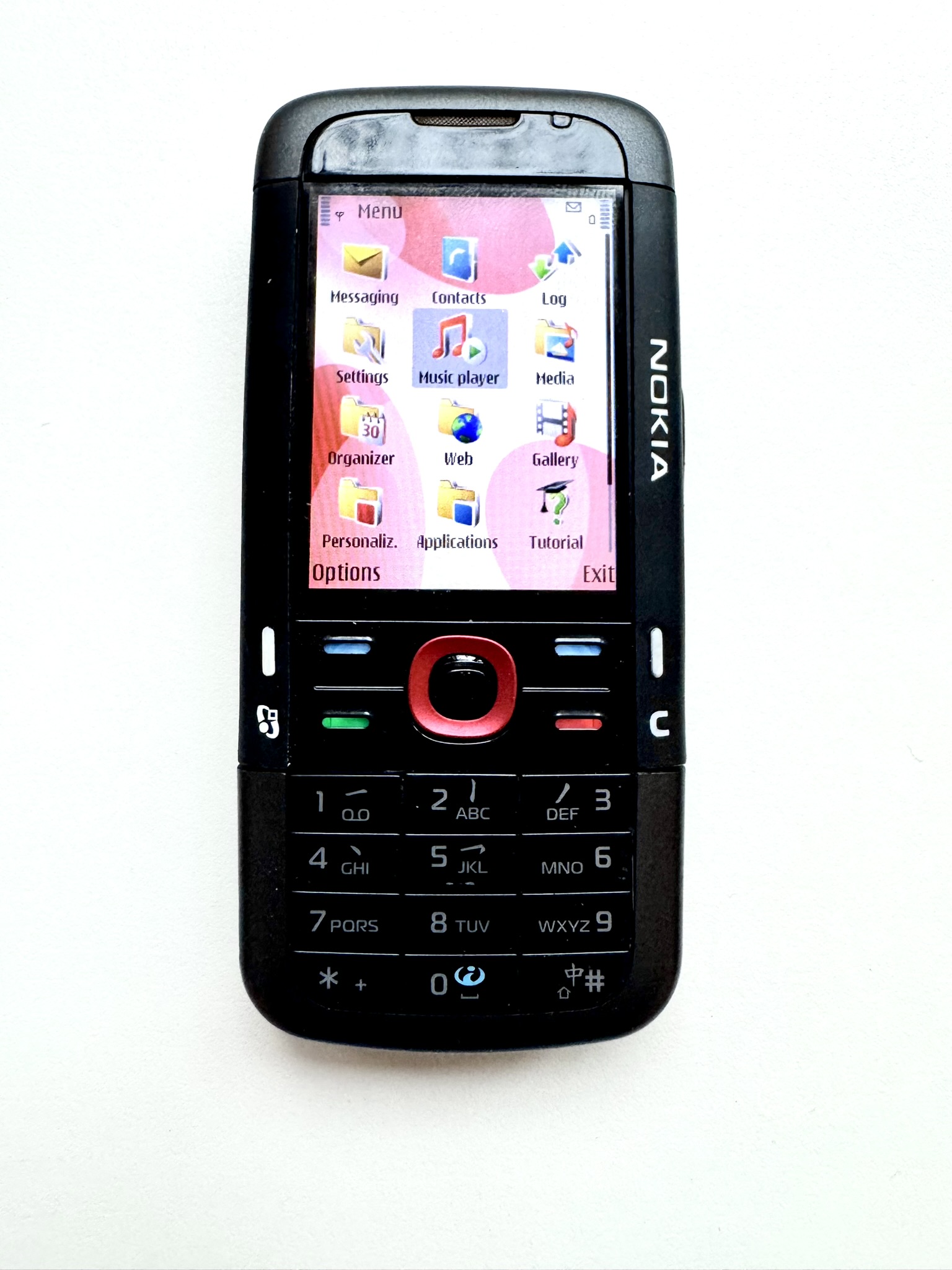
Nokia 5700: RM-302 Black China Edition
Quick View💎 Rarity Index: A (Rare)
⭐ WOW Factor: The only Nokia design where a single twist instantly switched the device’s personality: messaging, music, or camera.
👁 Evaluation in my collection: Good – 8.5/10
⏱ Life timer: 2h | 📦 Boxed: NO
📅 Release Year: 2007 | 💰 Release Price: N/A
📊 Units Sold: ~1.5M
📰 Why this phone matters: The Nokia 5700 XpressMusic in full black is one of the rarest variants of Nokia’s rotating-multimedia smartphone lineup, produced in limited quantities for the Chinese market under type RM-302. Unlike the classic red-and-white global release, this black edition was never widely exported, and its appearance alone gives it a more modern, stealth-like identity compared to the traditional XpressMusic theme.RM-302 identifies the dedicated China-market hardware and firmware platform. This variant features localized Chinese firmware languages, regional GSM frequency configurations, Chinese SAR certifications, and distinct product codes used only in mainland China. It also includes Chinese-market keypad print variants and often slightly different audio tuning profiles for the XpressMusic sound engine, making it unique compared to the RM-230 and RM-235 global versions.
This model is instantly recognizable thanks to its iconic twist design: the lower half of the phone physically rotates, switching between phone keypad, camera mode, and dedicated multimedia controls. No other Nokia device combined physical transformation with smartphone features in this playful and functional way. Even today, the rotating mechanism feels sharp, solid, and satisfying in the hand.
This unit is fully working, and everything from the bright display to the twist motion and the XpressMusic player still operates correctly. The black housing appears clean and unique, and the handset reflects the Chinese-market identity through its labeling, firmware, and certification patterns. The label confirms this is a 2007 manufacturing batch for China, complete with regional approvals and variant coding specific to RM-302.
The Nokia 5700 remains one of the most unusual and entertaining Symbian smartphones ever made, remembered for its creative design, its music-centric features, and its transformation-style body that stands out even among Nokia’s most ambitious experiments. The RM-302 black Chinese-market edition elevates that uniqueness to a higher level, making it one of the hardest versions to find in full working condition.
📝 Reviews when released: cNET 🔗
-


Nokia 6500 classic
Quick View💎 Rarity Index: C (Common)
⭐ WOW Factor: The thinest Nokia phone when released
👁 Evaluation in my collection: Great – 9/10
⏱ Life timer: 16h | 📦 Boxed: NO
📅 Release Year: 2007 | 💰 Release Price: ~320 €
📊 Units Sold: ~15M
📰 Why this phone matters: The Nokia 6500 classic is a mobile phone from Nokia announced on May 31, 2007. The phone runs the Series 40 platform. The case is made of brushed aluminium. At just 9.5 mm thick, the 6500 classic was Nokia’s thinnest phone when released in October 2007. It is notable for being Nokia’s few Series 40 phones with a large internal memory, 1 GB (along with the Nokia 7900 and others). It also had a similar sliding variant called Nokia 6500 slide. Both of them were the first Nokia phones where the miniUSB port was replaced by microUSB.📝 Reviews when released: Mobile Review 🔗