Showing all 6 results
-
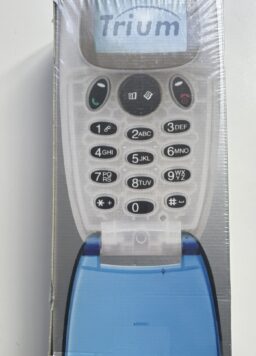
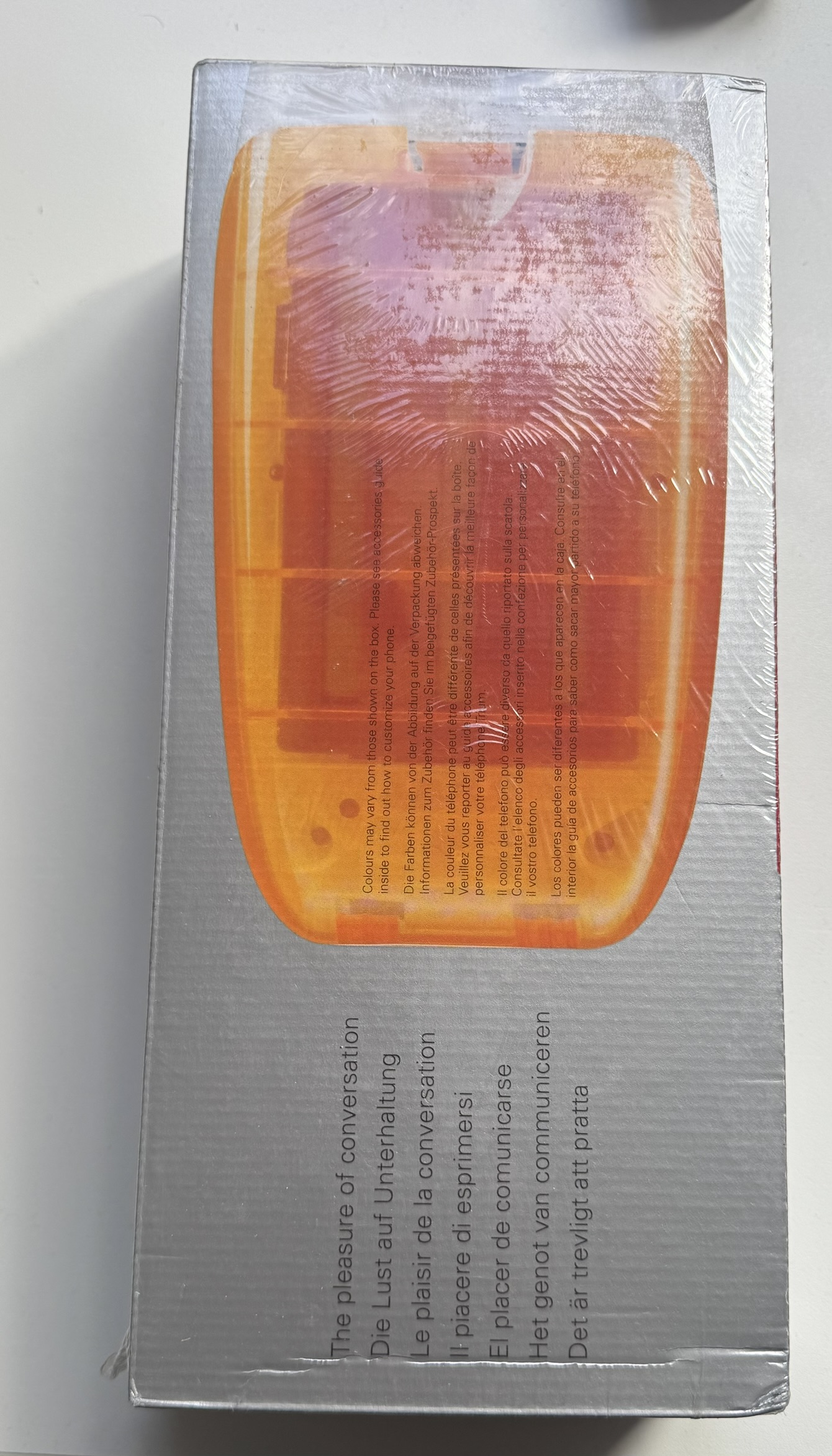
Mitsubishi Trium MT-250 Neptune Blue: Sealed Clamshell
Quick ViewThis unit is a sealed Trium MT-250 Neptune blue, preserved exactly as Mitsubishi shipped it during the final years of the Trium mobile era. Still wrapped in its original factory shrink, the box presents a classic early 2000s clamshell design with a translucent blue flip and a frosted keypad housing that defined the playful aesthetic of Trium handsets. The packaging shows the simple monochrome display with the Trium logo, underlining the minimalistic UI that characterized Mitsubishi’s compact GSM range.
The side label confirms the exact variant: MT-250 Neptune blue with a Mitsubishi retail IMEI, CE0165 certification and an unbroken production batch code. Very little documentation exists for the MT-250 today, making this sealed example exceptionally rare. As Trium devices vanished from the market long before smartphones took over, complete unopened units almost never survived. This one stands as a pure, untouched snapshot of Mitsubishi’s design language, a lightweight clamshell aimed at style-focused users of its time. For collectors, it is a highly uncommon BNIB relic from a manufacturer whose mobile legacy has become increasingly scarce and desirable.
-
Nokia 2650 Quiksilver: Sealed Boost Mobile Brown Edition
Quick ViewThis unit is a sealed time capsule from the mid 2000s surf and pre paid boom: the Quiksilver Nokia 2650 by Boost Mobile, built on the Brown variant of Nokia’s classic clamshell and wrapped in a massive co branded retail pack. The front of the box is pure surf culture, with bold Quiksilver graphics, a surfer crashing through the waves and a custom Nokia 2650 shown with Quiksilver logos and stripes on the flip. Boost Mobile and yes Optus badges underline that this was the Australian youth offer of its time, complete with a free Boost mini lanyard and 10 dollars of pre paid credit right out of the box.
The Quiksilver edition is more than a simple color variant. This bundle includes unique Quiksilver artwork on the phone’s shell, a dedicated Boost Mobile mini lanyard accessory, special surf themed packaging, and prepaid credit built into the offer. The entire package was created as a lifestyle product, tying Nokia’s entry level clamshell design to the surf and skate identity that Boost Mobile used to dominate the prepaid market in Australia. The huge graphic box and branded phone shell make this edition visually stand out far beyond the standard 2650 Brown.
Technically, the phone inside is a standard Nokia 2650: a compact clamshell Series 40 device with a 128×128 color CSTN display, LED alerts for calls and SMS, GPRS data, Java games and BL-4C battery. What makes this sealed Quiksilver edition extraordinary is not a change in hardware, but the way Nokia and Boost wrapped it into a lifestyle bundle. For a collector, this is more than just a phone box; it is a complete, untouched artifact of early 2000s mobile branding, merging Nokia engineering, Quiksilver surf identity and Boost Mobile’s prepaid culture into one rare, perfectly preserved package.
-
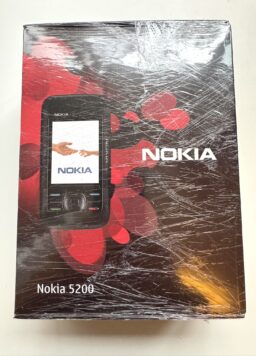
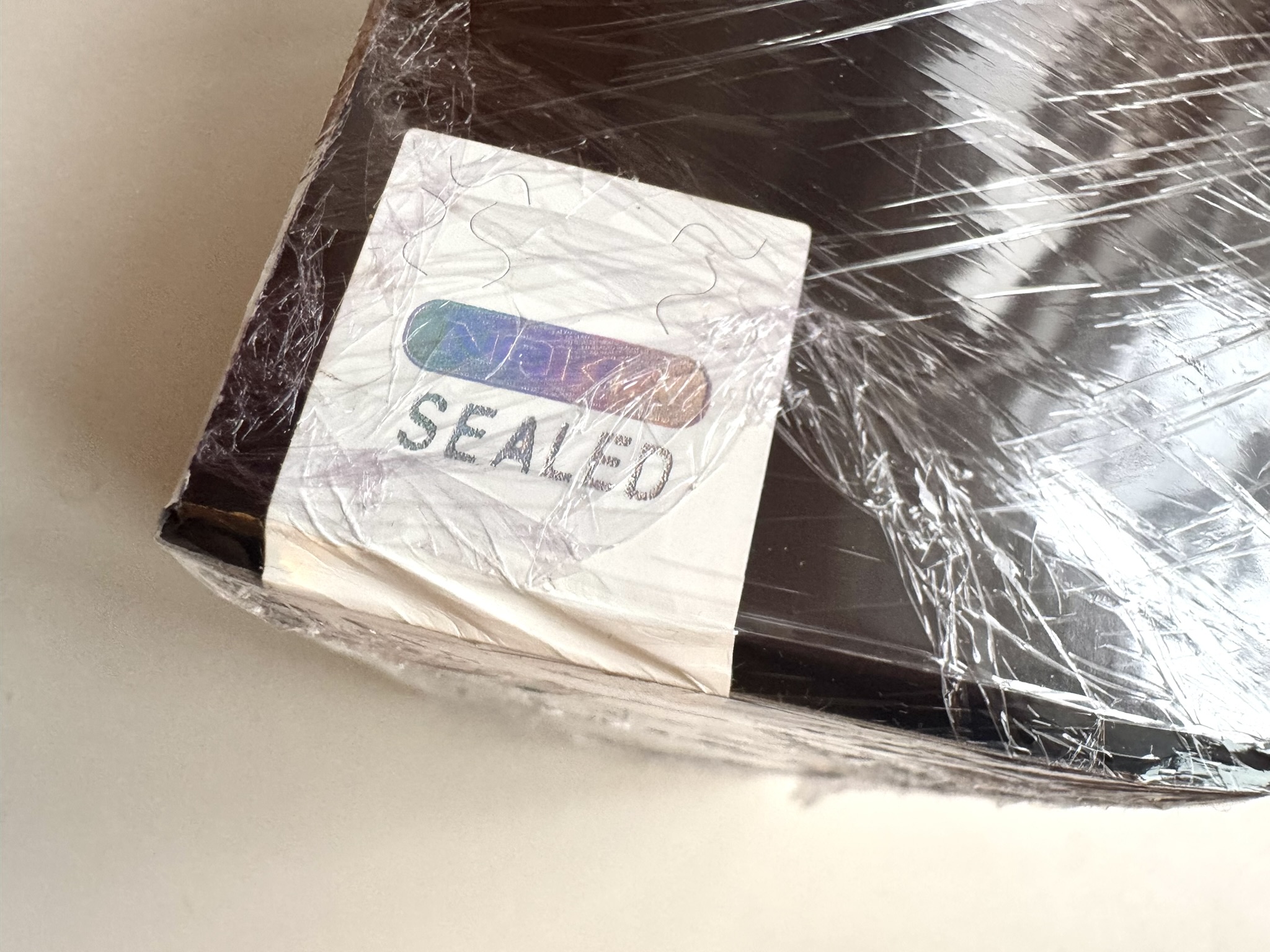
Nokia 5200 Red BNIB Seal:The Untouched XpressMusic-Era Time Capsule
Quick ViewThe Nokia 5200 (RM-174), released in 2006, defined an entire generation of youthful slider phones built around durability, simplicity and music-centric design. Positioned as the more affordable sibling of the 5300 XpressMusic, the 5200 shared the same playful DNA, rubberized edges, and iconic red-and-white aesthetic that became a symbol of the mid-2000s Nokia lifestyle lineup.
This sealed specimen is a rarity on its own. The box wrap is original factory tight-shrink, with no tears, rewraps or aftermarket sealing. The IMEI labels confirm a clean manufacturing batch from Nokia’s Hungarian plant, one of the most respected production facilities in Nokia’s history for quality control and eur;opean-market releases.
Inside this untouched package sits a brand-new 5200 with its original slide mechanism, factory screens, pristine keypad, untouched charger, battery, manuals and accessories exactly as Nokia packed them nearly two decades ago. The red variant, shown on the box, is especially sought after because it was the flagship colorway marketed across eur;ope and often associated with the sporty, music-driven personality of the device.
The Nokia 5200 delivered Bluetooth, Series 40 3rd Edition OS, a bright 128×160 display, VGA camera, microSD expansion, Nokia’s legendary battery life, and a rugged build designed for daily use. It became a bestseller in 2006 and 2007, praised in contemporary reviews for being fun, solid and strikingly designed for its price bracket.
Finding one sealed today is almost impossible. Finding a sealed red one even harder. This unit represents the exact retail experience a user would have enjoyed in 2006, preserved untouched and unaltered, a true collector-grade relic from Nokia’s golden era.
-
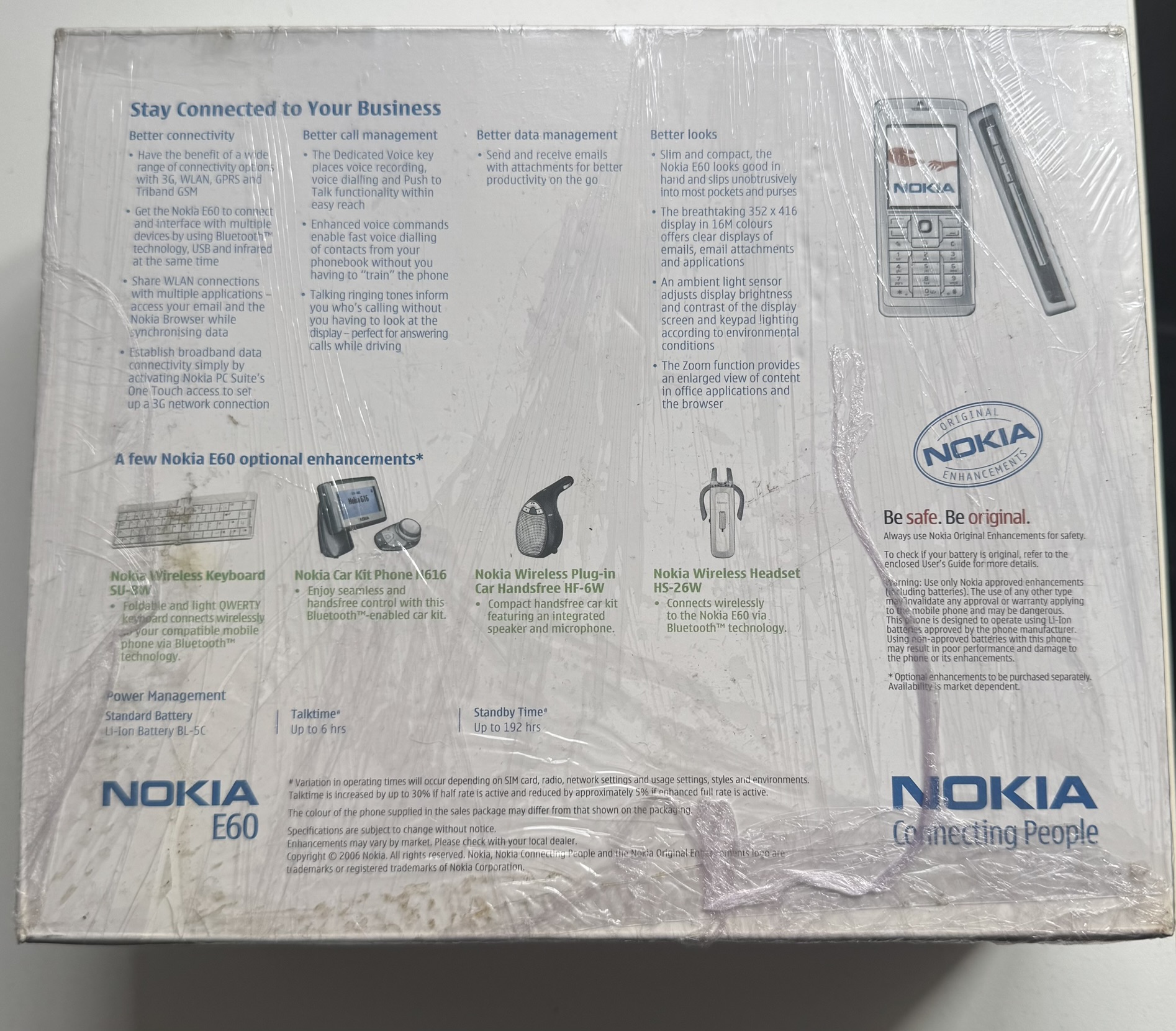
Nokia E60: Sealed Australia Variant BNIB
Quick ViewThis unit is an exceptionally rare sealed Nokia E60 from the Australia market, preserved in untouched BNIB condition. The E60 was Nokia’s pure business flagship, a Symbian S60 3rd Edition device built without a camera for use in secure enterprise environments, from financial institutions to restricted industrial sites. The large 352×416 display, metal construction and corporate-grade hardware defined the early Eseries approach to mobile productivity.
As an Australia variant, this unit carries the region’s specific labeling and certification marks, reflecting Nokia’s APAC distribution of enterprise devices. Nearly all E60 phones were deployed in heavy-use corporate environments, making sealed retail examples virtually impossible to find today. This unopened box protects a complete and unhandled device exactly as it left Nokia’s distribution pipeline, complete with its regional accessories and packaging.
For collectors, the sealed condition elevates this E60 into a true time capsule: a high-spec business smartphone from an era when Nokia dominated enterprise mobility. Its camera-free design, powerful connectivity suite and advanced VoIP capabilities made it a unique hardware configuration even when new, and today it stands as one of the most elusive Eseries devices to acquire in untouched form.
-


Nokia Ringo 3
Quick ViewThe Nokia rinGo was designed to be easy to use straight out of the box and was cheap to buy, due to special mobile carrier tariffs.[An ETACS version of the rinGo with minor design changes was launched in 1997 in the United Kingdom and Austria. It was the UK’s first pay as you go Nokia handset through Vodafone’s pay as you talk package. It was also sold in Thailand under the name Wave900. In press releases it was also called a ‘concept’, a way of easily buying and using a mobile phone without operator registration. Nokia unusually created a unique “rinGo” brand and logo for it. ater in October 1998 a third (NHX-7) model was released for ETACS in Italy and Spain (the latter via operator Moviline). It featured the “Navi-key” like on the GSM Nokia 3110 and Nokia 5110 and had its top antenna positioned in the middle. Nokia rinGo 3 The phones have the capacity to store about 60 contacts. Calculator, Watch and Calendar were pre installed on the handset.
Nokia marketed original rinGo targeting women and children. However it gained a negative reputation and in Sweden earned the nickname “bimbo phone”, leading to low sales.Interest and popularity of the rinGo quickly faded and it has been largely forgotten since.
-
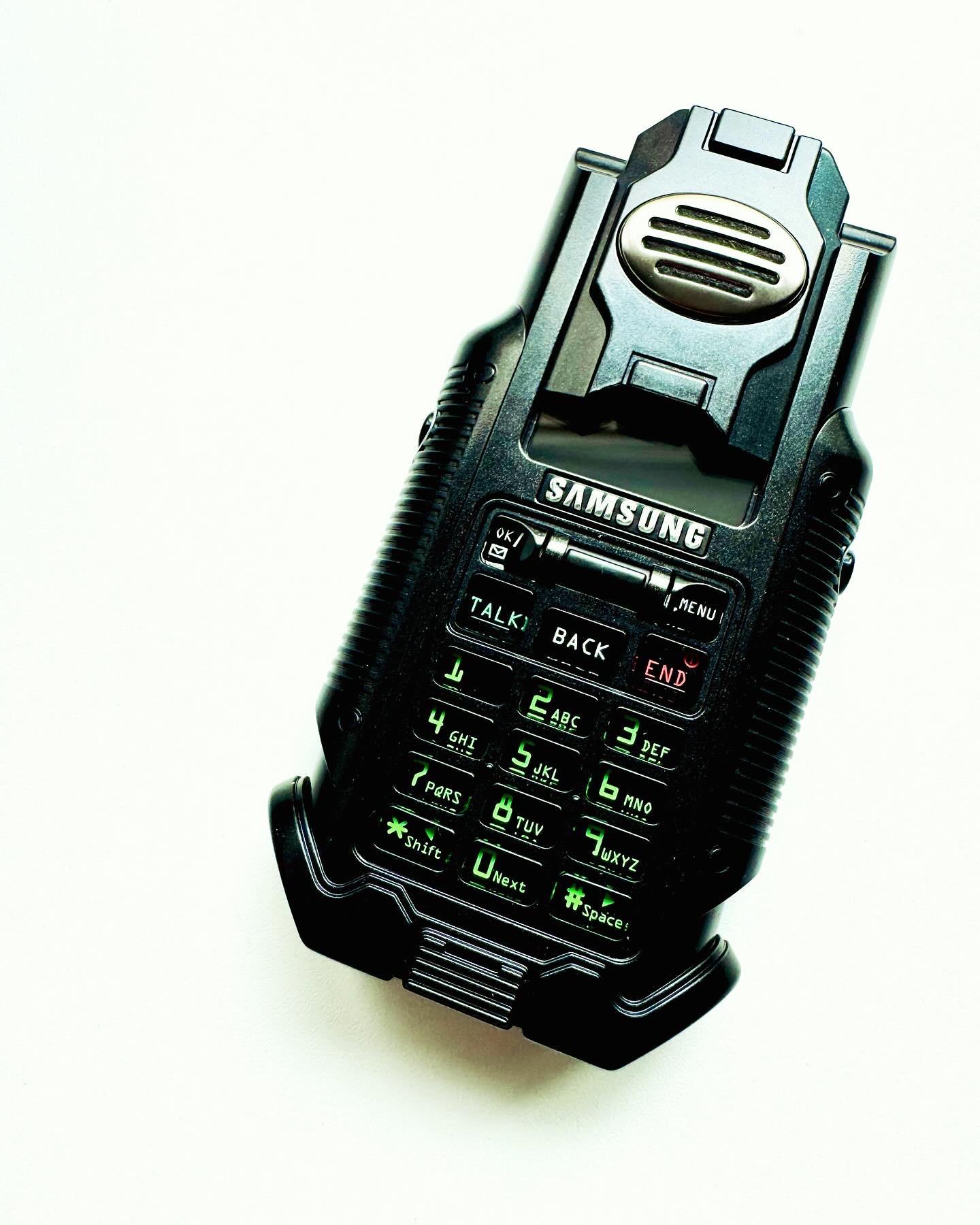
Samsung SPH-N270: The Matrix Phone Legendary Edition. 00303 and 00304 consecutive numbers and BNIB and sealed
Quick ViewThe Samsung SPH-N270 is one of the most iconic and mythical mobile phones ever created, a device designed as a real-world functional replica of the phone used in The Matrix Reloaded. Released in an extremely limited production run of about 10,000 units, each individually numbered, the N270 was engineered as a collector-grade artifact rather than a traditional consumer handset. It remains one of the very few officially licensed Hollywood movie phones ever manufactured.
This particular pair, numbers 303 and 304, comes from an original sealed stash owned by Joel Silver, the legendary producer of The Matrix trilogy. These units remained sealed for years, untouched since production, and you are preserving them in the exact condition in which they left the factory. Owning a sealed N270 is already rare. Owning sealed units from the producer of The Matrix is something most collectors will never even see in their lifetime.
The phone itself is a masterpiece of industrial design. With a press of the release button, the top speaker block shoots upward in a spring-loaded motion, revealing the display and keypad in the same dramatic way seen on screen. The long central spine, exposed rails, and rugged body give it the look of a prop lifted straight from the Nebuchadnezzar. The dark chassis, metallic speaker grille, ribbed grips, and Matrix-green backlit keypad all work together to create a device that feels more like a piece of cinematic hardware than a normal phone.
On the screen, custom Matrix themed graphics and menus reinforce the illusion. The digital rain styling, green-toned interface, and tailored sounds echo the film universe, making even simple actions like navigating the menu or placing a call feel like part of the movie. This is not just a phone with a logo on the box, but a handset that was built from the ground up to be The Matrix phone.
Even after two decades, these devices remain fully functional. When the battery is connected, the phone powers up instantly, the display comes to life, and the Matrix themed interface appears as if time has not passed. These units were never meant to be mass-market devices; they were built as cinematic technology brought to life.
Sealed Matrix N270 units are considered holy-grail items in the world of phone collecting. Sealed N270 units with verifiable provenance from Joel Silver himself are on an entirely different level of rarity, placing these two phones among the finest movie-linked mobile devices that exist anywhere today.