Showing all 10 results
-
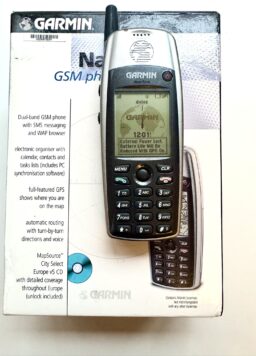
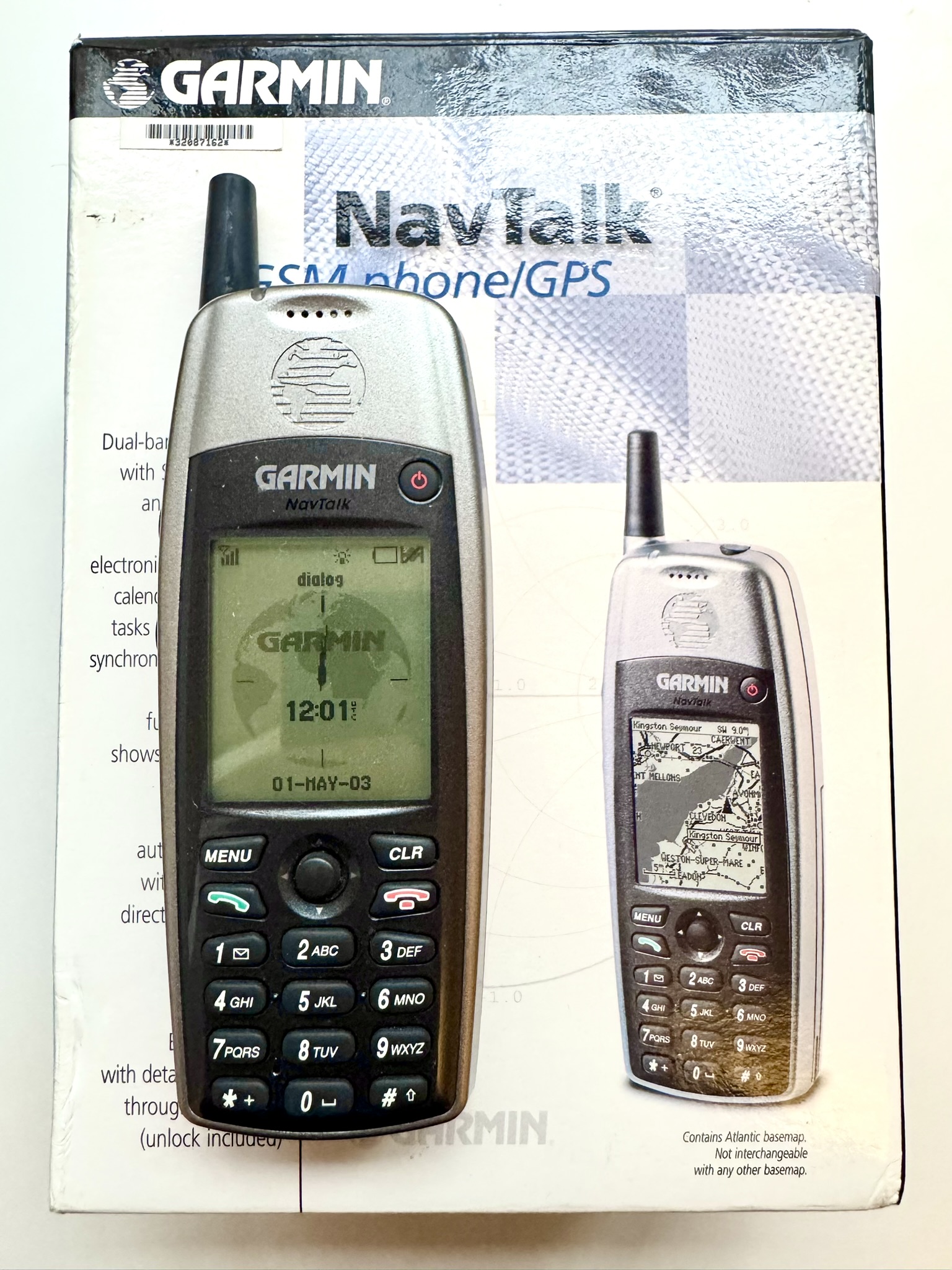
Garmin NavTalk GSM: Navigation Meets GSM
Quick ViewThe Garmin NavTalk GSM is one of the most unusual and forward-thinking mobile devices ever created, combining a full GSM phone with a complete Garmin GPS receiver years before smartphones existed. Released in the early 2000s in extremely small numbers, the NavTalk GSM offered true satellite navigation, waypoint management, coordinate tools, map display, and even GPS-enhanced SMS at a time when mobile phones were still primarily used for calls and messages.
This unit is fully working, full box, and includes functional maps, making it exceptionally rare among surviving examples. The device was engineered in Olathe, Kansas and manufactured in Taiwan, using Garmin’s proprietary GPS engine integrated with a dual-band GSM system. Its large monochrome screen, robust keypad, external antenna, and rugged body reflect Garmin’s roots in professional navigation equipment far more than consumer mobile phones.
The NavTalk GSM stands as a landmark in mobile history: one of the earliest true GPS phones ever produced and the only GSM handset Garmin ever made. Decades later, it remains a fascinating and highly collectible hybrid, representing an ambitious moment when navigation technology and mobile communication first converged into a single device.
-


Motorola V70
Quick ViewThe Motorola V70 is by far one of the sleekest mobiles seen to date. Its innovative design; silver casing; compact size (3.7 by 1.5 by 0.7 inches; 2.9 ounces); and inverse-image (black background, white letters), five-line circular display all contribute to this mobile’s “wow” factor. But the real eye-catcher is its 360-degree rotating keypad cover.
-
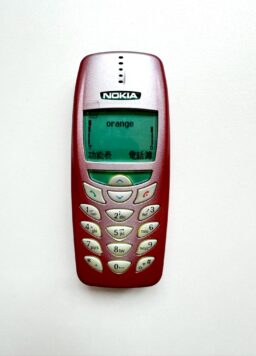
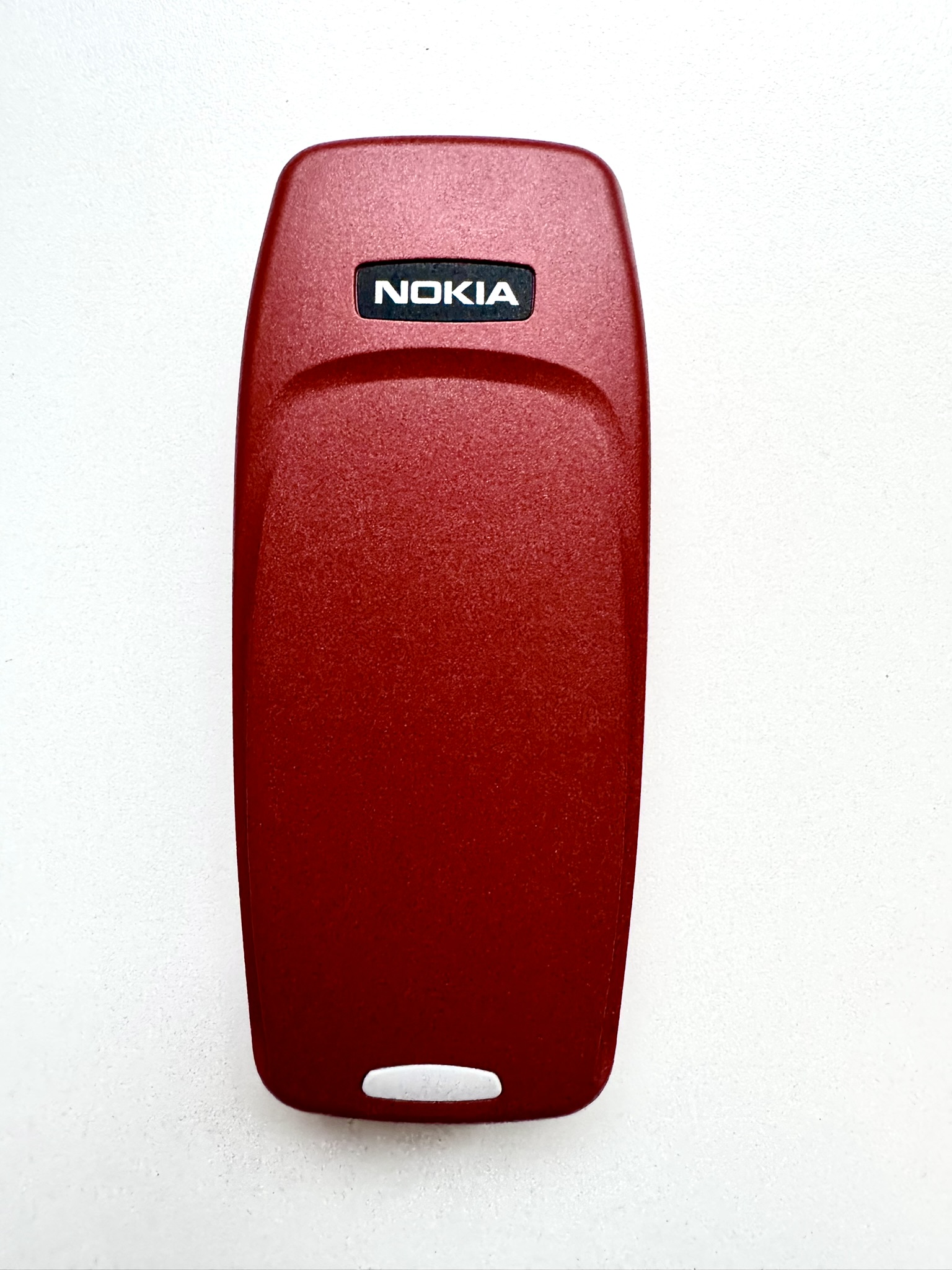
Nokia 3350 Prototype P2.3 : “Ladybird” Early Engineering
Quick ViewAn exceptionally rare Nokia 3350 NHM-9NX prototype, built during the P2.3 engineering phase of Nokia’s internal development cycle. Carrying the codename “Ladybird”, this unit predates the commercial Nokia 3350 and represents one of the earliest hardware validation builds of the series.
Prototypes in the P-series (especially below P3.0) were never intended for public exposure and were used strictly within Nokia’s labs for early software integration, RF calibration, UI tuning and keypad response testing. This P2.3 unit retains all the classic prototype signatures:
PROTO – P2.3 designation
Pre-release internal model name “Ladybird”
No commercial model number printed
Simplified regulatory labeling
Early keypad and housing materials
The front shell features a colour tone and paint texture not identical to the final retail 3350, confirming it as an early body variant used before mass-production plastics and colouring were locked. The keypad shape and iconography also resemble transitional test designs typical of P-series engineering handsets.
As part of Nokia’s early-2000s mid-range development line, the 3350 was known for its rugged build, SMS chat features, WAP support, customizable profiles and rock-solid battery life. This prototype offers a direct look into the internal pre-production evolution of one of Nokia’s most widely used platforms in Asia and eur;ope.
-
Nokia 3350 Prototype B2.1 : “Ladybird” Early Engineering
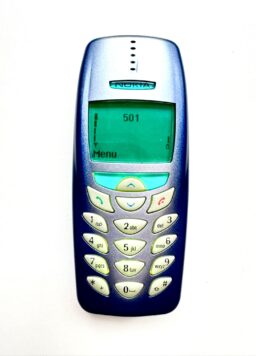
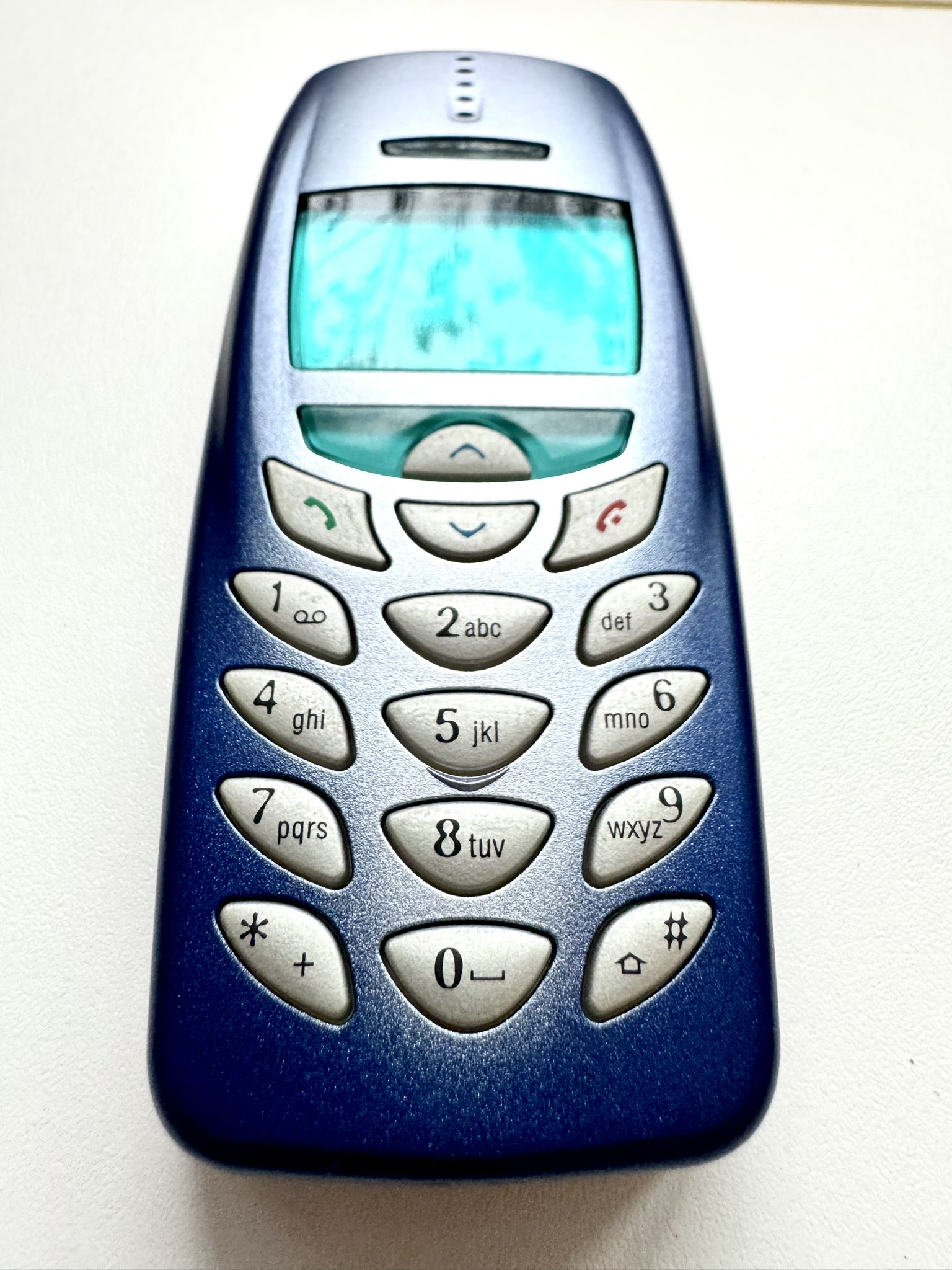
Quick ViewA highly rare Nokia 3350 NHM-9NX prototype from the B-series engineering phase, carrying the internal codename “Ladybird”. This B2.1 prototype predates the commercial Nokia 3350 by a significant margin and belongs to one of Nokia’s earliest functional validation waves – far earlier and far scarcer than the P-series engineering units.
The B-series prototypes were used exclusively within Nokia’s R&D labs during the earliest stages of hardware and firmware development. These devices formed the foundation of the 3350 platform, serving for keypad matrix testing, UI logic integration, RF tuning, electrical stability checks, and early material experimentation. Units at this stage were never intended to leave Nokia’s possession.
This particular sample is exceptional thanks to:
PROTO – B2.1 designation (rare early engineering phase)
Internal model name “Ladybird”
Experimental blue housing with pre-production paint texture
Unreleased keypad variant, featuring a unique key-shape geometry and distinct iconography
Early-mould plastics not matching final production tolerances
Simplified internal regulatory labeling
?? Important rarity note: The internal chassis dimensions of this B2.1 prototype differ from all later builds. No commercial Nokia 3350 back cover – and not even P-series prototype back covers – will fit this handset. This confirms that the device comes from an early hardware revision before Nokia finalized the external shell specifications. Such incompatibility is typical only for B-series engineering samples and dramatically increases its historical uniqueness.
The blue front shell also features a colour tone not used in mass production, showing Nokia’s exploration of material finishes before final design locking.
As an early DCT-3 era engineering artefact, this B2.1 “Ladybird” prototype is exceptionally rare. With its unique housing geometry, non-final keypad, and unmatched chassis dimensions, it stands as a museum-grade piece that represents a developmental phase almost never seen outside Nokia’s own engineering teams.
A highly valuable and distinctive addition to any advanced Nokia prototype collection.
-
Nokia 3610 Prototype B5.0 : Rare Lime Green Variant
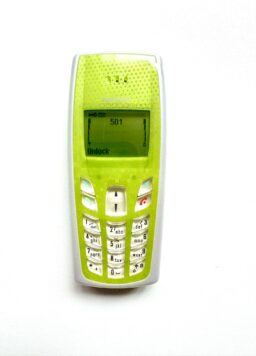
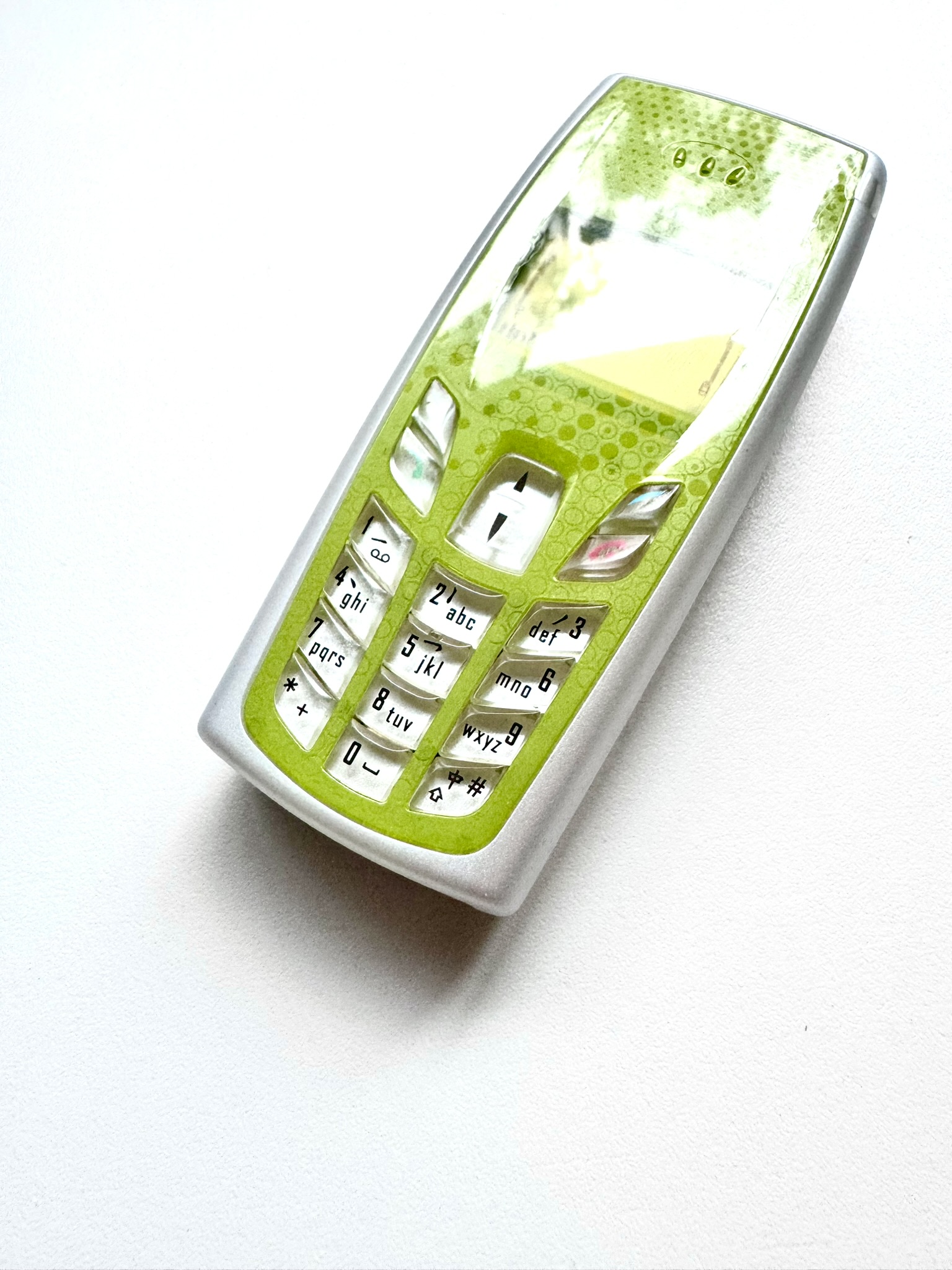
Quick ViewA genuine Nokia 3610 Prototype B5.0 (Type NAM-1), originating from Nokia’s internal late engineering phase. The PROTO B5.0 marking, the blank Model field, and the early-format Nokia R&D label identify it as a true pre-production unit used for hardware validation, firmware testing, and RF checks before the model entered final approval.
Although this prototype uses a housing and keypad identical to later retail versions, the internal label and hardware revision confirm its role as an authentic Nokia lab device – produced in small quantities and never intended for commercial distribution.
A compact but historically significant DCT4-era engineering sample, and a solid rarity for any serious Nokia prototype collection.
-


Nokia 6510
Quick ViewThe Nokia 6510 is a mobile phone launched in the first quarter of 2002. It was an improved version of the Nokia 8310.It featured a higher resolution screen with teal, instead of white, backlit illumination, and blue keypad illumination. It also featured several new applications, such as the electronic wallet, used to store password protected information, and an upgraded calendar. As a business-oriented product, it incorporated a more restrained look, although the covers were interchangeable with the 8310.
-


Nokia 7650
Quick ViewThe Nokia 7650 is a 2.5G consumer-oriented smartphone belonging to the fashion and experimental (7xxx) series. It was introduced in Barcelona on 19 November 2001, and was described by CEO Jorma Ollila as the company’s most important launch of that year.Feature-rich, it was the first Nokia phone with a built-in camera (VGA resolution), and thus its imaging capabilities was widely marketed. It has a large (at the time) 2.1″ colour display with a resolution of 176×208 pixels. The 7650 was also the company’s first to feature Multimedia Messaging Service (MMS), and it also has Bluetooth and GPRS connectivities (although to much criticism did not support Bluetooth headsets). Nokia 7650 showing its Series 60 menu In addition it was the first Series 60 platform device (which would go on to power the majority of Nokia smartphones for many years after), as well as the first mass market Symbian OS device to be released, allowing the sideloading of both Java and EPOC applications.
-


Nokia 8910
Quick ViewThe Nokia 8910 is a mobile phone released in 2002 by Nokia. Part of the luxury 8xxx series, it was introduced as a successor of the Nokia 8850/8890. It has a white backlight, and features Bluetooth connectivity. It was succeeded by the Nokia 8800, which was released in 2005.
-
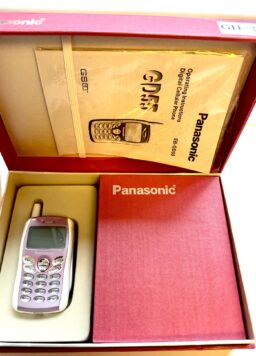
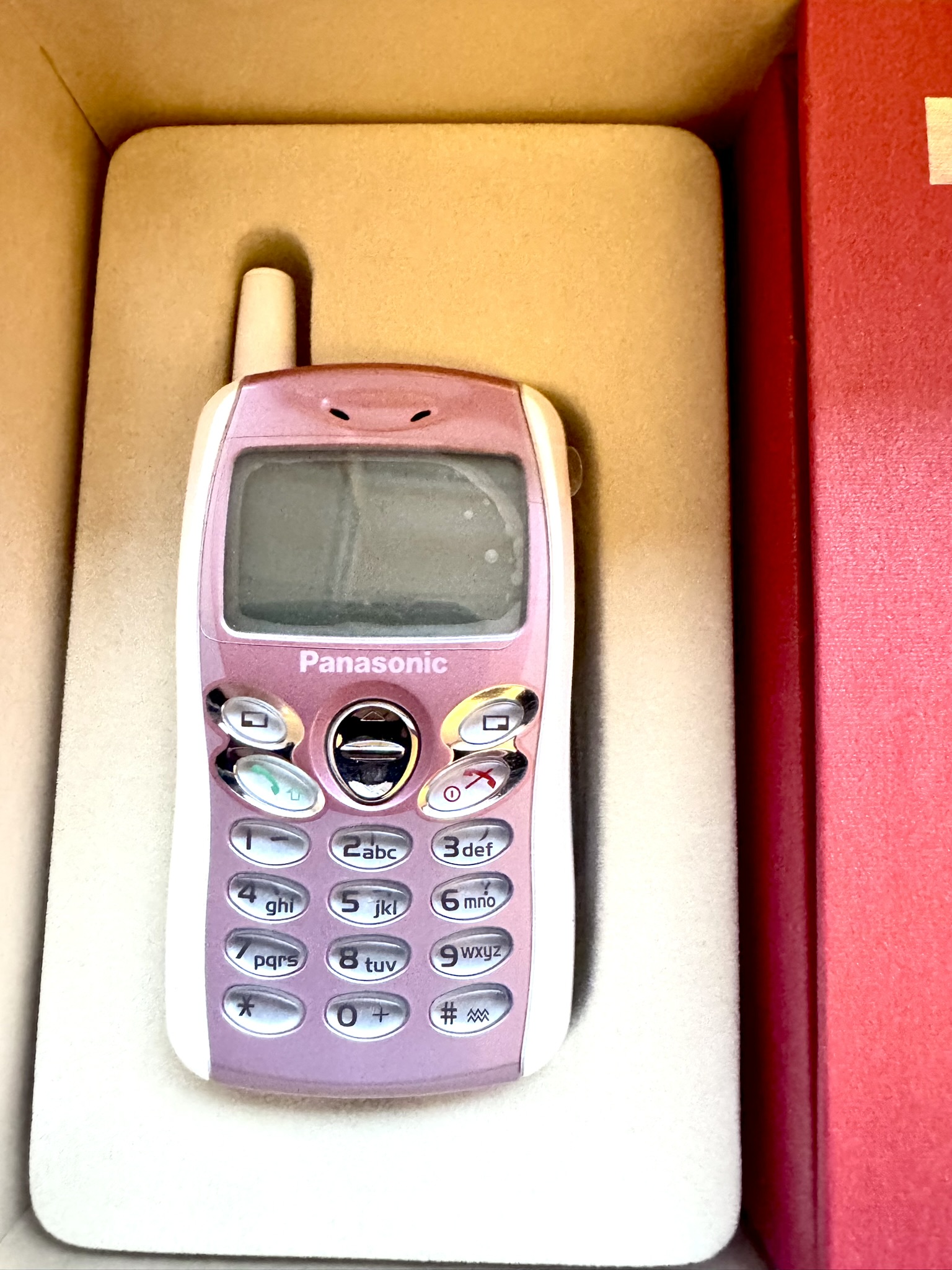
Panasonic EB-GD55: Full-Box Pink Edition (Ultra-Compact GSM Classic)
Quick ViewA beautifully preserved Panasonic EB-GD55 in the rare pink colour variant, complete with full original box and accessories. The GD55 is one of the most recognizable ultra-compact GSM phones of the early 2000s – famous for its tiny footprint, stylish design, and Panasonic’s unmistakable minimalist UI.
Released at a time when manufacturers competed to build the smallest possible mobile phone, the GD55 became iconic for its micro-sized form factor, ultra-light weight, and playful colour themes. Your pink variant is especially desirable, as many were heavily used and few survived in pristine, boxed condition.
This unit’s clean internal label, intact antenna, crisp keypad, and fully functional electronics make it a high-grade collector’s example of Panasonic’s most charming compact GSM handset.
-


Siemens SX45
Quick ViewThe Siemens SX45 is a PDA mobile phone released by Siemens AG in 2002. It was one of the first Pocket PCs with mobile phone functionality. Because of its size and the fact that phone calls could only be made using a headset, it was not really in the same marketing segment as current smartphones.
It was replaced by the Siemens SX56.