

Showing all 5 results
-
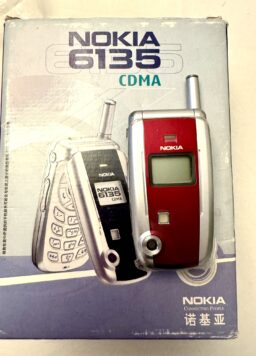
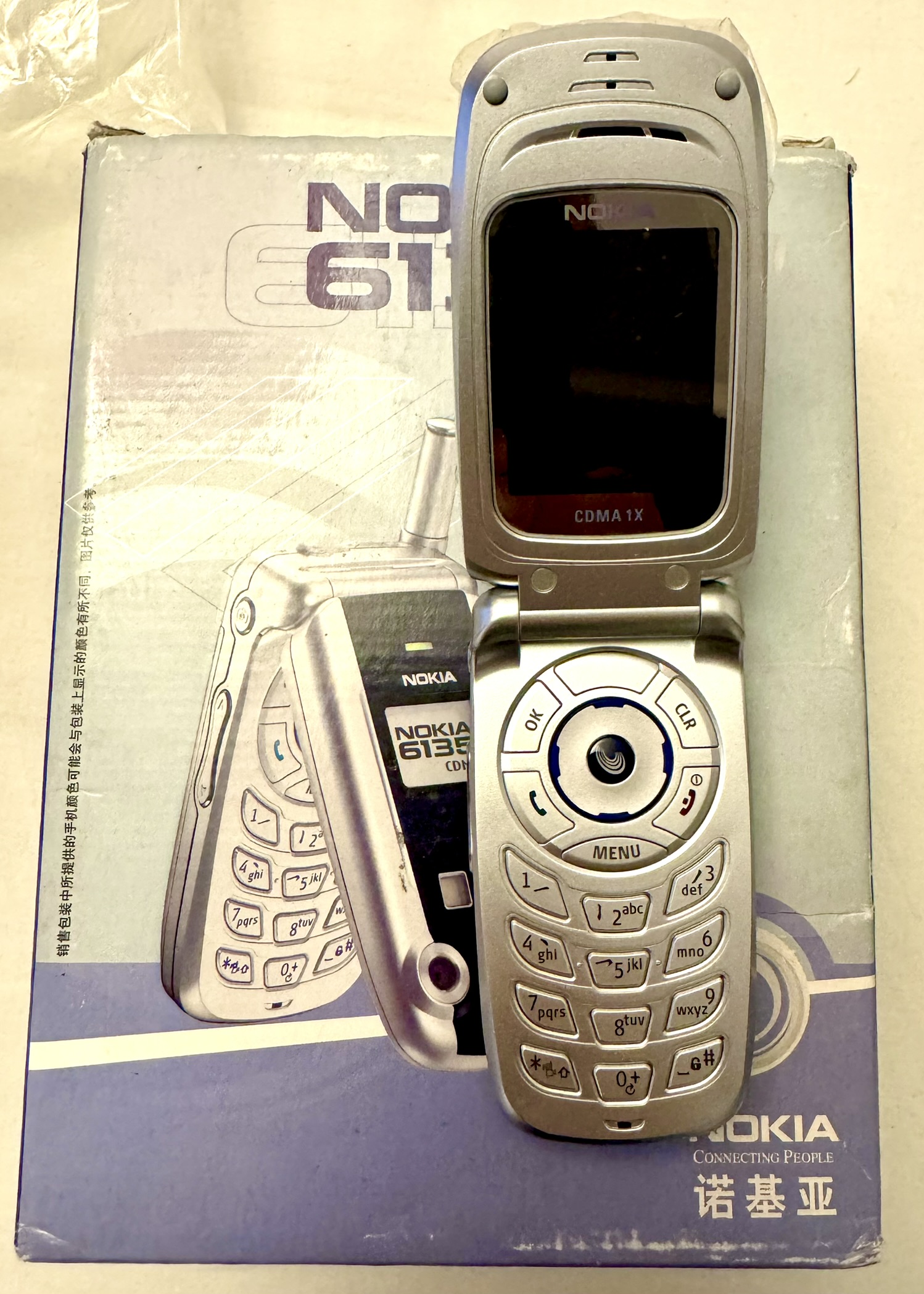
Nokia 6135: China-Market CDMA Edition
Quick View💎 Rarity Index: A (Rare)
👁 Evaluation in my collection: BNIB – 10/10
⏱ Life timer: 0 | 📦 Boxed: YES
📅 Release Year: 2004 | 💰 Release Price: ~350 $
📊 Units Sold: ~500k
📰 Why this phone matters: A rare Nokia CDMA clamshell created exclusively for the Chinese market and engineered around Qualcomm’s CDMA2000 1x platform. Unlike Nokia’s global GSM lineup, the 6135 uses a Nokia-custom CDMA OS with BREW support, the “CDMA by Qualcomm” branding, and the distinctive hardware configuration unique to early China Telecom devices.Certified under CMII in 2004 and produced in limited volume, the 6135 remains one of the least-known Nokia models ever released. Running on the classic BL-5C battery and carrying RM-98 internal architecture, it represents a rarely seen branch of Nokia’s portfolio – a hybrid of Nokia design and Qualcomm radio technology.
📝 Reviews when released: N/A 💔
-


Nokia 6303 Classic: Betty Barclay Edition
Quick View💎 Rarity Index: A (Rare)
👁 Evaluation in my collection: Great – 9.7/10
⏱ Life timer: 45h | 📦 Boxed: NO
📅 Release Year: 2009 | 💰 Release Price: ~120 €
📊 Units Sold: ~2k
📰 Why this phone matters: The Nokia 6303 classic is a mobile telephone handset produced by Finnish manufacturer Nokia. The Nokia 6303 classic was announced in December 2008, it has been in production since May 2009. It is the successor to the Nokia 6300 (even though PhoneArena claims the Nokia 6700 classic was the successor ).
The Nokia 6303 classic was being produced in Hungary as well as in Jucu, Romania.📝 Reviews when released: N/A 💔
-


Nokia 7360
Quick View💎 Rarity Index: C (Common)
⭐ WOW Factor: One of the first cell phones to implement the use of materials such as metal and leather in mass production
👁 Evaluation in my collection: Great – 9.8/10
🕵 Nokia Codename: Sofix
⏱ Life timer: 24h | 📦 Boxed: YES
📅 Release Year: 2005 | 💰 Release Price: ~200 €
📊 Units Sold: ~3M
📰 Why this phone matters: Part of the “L’Amour Collection”, along with the 7370, 7373, 7380 and the 7390. The 7360 was designed at Nokia’s Design Center in California and was one of the first cell phones to implement the use of materials such as metal and leather in mass production📝 Reviews when released: Mobile Review 🔗
-
Nokia N92 Prototype B4.0 | Unreleased 101 RM
Quick View💎 Rarity Index: S (Ultra Rare)
⭐ WOW Factor: The world first mobile phone with an integrated DVB-H tuner
👁 Evaluation in my collection: Great – 9/10
⏱ Life timer: 0h | 📦 Boxed: NO
📅 Release Year: 2005 | 💰 Release Price: ~600 €
📊 Units Sold: ~300k (final units)
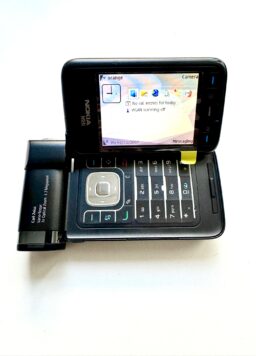
📰 Why this phone matters: Nokia N92 RM-101 B4.0 Prototype – The Missing Camera MysteryThis RM-101 Nokia N92 prototype is a remarkable survivor from Nokia’s golden era of experimental engineering – a time when the company was pushing the boundaries of what a mobile device could be. Built in Finland as a B4.0 engineering sample, it predates the commercial N92 and represents a fascinating pre-production hardware configuration that differs from the familiar retail device.
Marked with “Prototype – Property of Nokia” and carrying the internal “Model: XXXX” placeholder, this unit preserves evidence of a development phase in which Nokia was refining the revolutionary technologies that would eventually define the N92, including DVB-H mobile television, its distinctive dual-axis swivel display and an ambitious multimedia platform.
One of the most intriguing differences is the complete absence of the front-facing camera, a feature present on the commercial Nokia N92. Rather than simply being a cosmetic variation, this represents a significant hardware distinction between the RM-101 prototype and the final production design. Interestingly, other documented RM-101 specimens also appear to lack the front-facing camera, suggesting that this may have been a characteristic of this particular development branch rather than an isolated feature of this unit.
The RM-101 designation itself adds another layer of significance. Unlike the commercially released N92 configurations, this prototype belongs to an earlier hardware development path, offering a rare opportunity to observe how Nokia experimented with different component arrangements and hardware capabilities before settling on the final product.
There is something particularly fascinating about the combination of its unfinished model identification, original engineering labels, Made-in-Finland construction and missing front-facing camera. Together, these details make the device much more than a conventional pre-production handset. They preserve visible traces of Nokia’s engineering decisions and the evolutionary steps behind one of its most technically ambitious mobile phones.
For serious Nokia collectors, prototypes displaying fundamental hardware differences are especially compelling. They provide physical evidence of alternative development configurations, features that were added or modified, and engineering decisions that rarely become visible outside the manufacturer’s laboratories.
Before the N92 became a mobile television with a fully developed multimedia identity, there was the RM-101. A rare surviving glimpse into the engineering process behind one of Nokia’s most extraordinary creations.
📝 Reviews when released: ZDNet 🔗
-
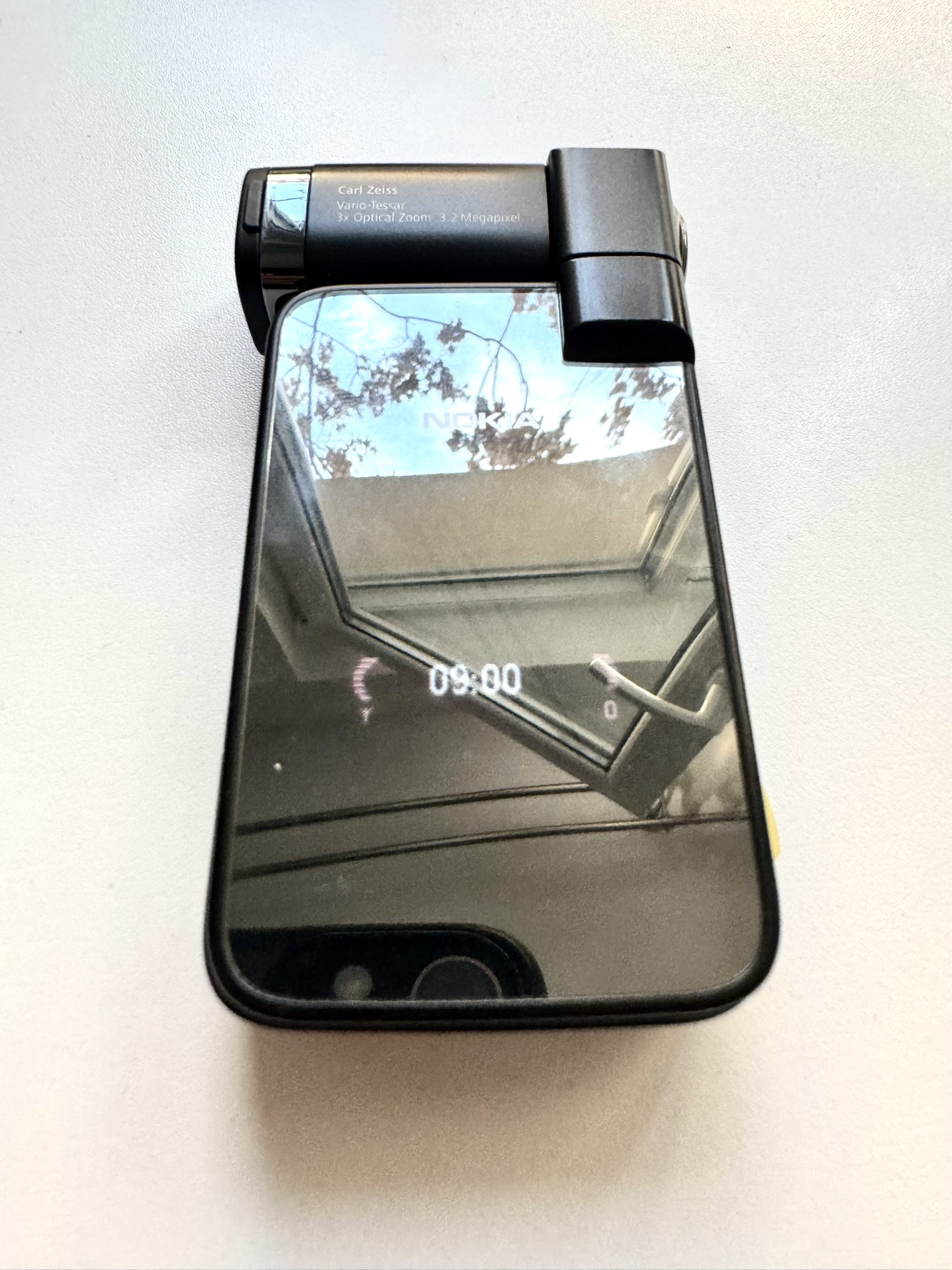
Nokia N93i Piano Black | The Elusive Asian Edition
Quick View💎 Rarity Index: S (Ultra Rare)
⭐ WOW Factor: The first Nokia phone seen in the movie Transformers in 2007
👁 Evaluation in my collection: BNIB – 10/10
🕵 Nokia Codename: Gundam Shrink
⏱ Life timer: 08s | 📦 Boxed: NO
📅 Release Year: 2007 | 💰 Release Price: ~750 €
📊 Units Sold: ~500k
📰 Why this phone matters: Nokia N93i Piano Black – The Elusive Asian EditionIntroduced in early 2007, the Nokia N93i represented one of Nokia’s most ambitious creations, combining a unique rotating display, advanced imaging capabilities and a design unlike almost anything else on the market. While the silver version became the familiar face of the N93i, the elusive Piano Black variant tells a much more exclusive story.
Associated with the Asian market and rarely encountered compared to its silver counterpart, this striking black edition transforms the character of the device. Its deep, glossy finish gives the N93i a sophisticated, almost executive appearance, making it one of the most desirable visual variations of Nokia’s iconic multimedia flagship.
What makes this particular unit even more remarkable is its internal call timer, displaying exactly 0 hours, 0 minutes and 0 seconds. Although this alone cannot conclusively prove that a device has never been used, it is an exceptional detail for a surviving handset of this age and adds significantly to its appeal as a collector’s piece.
With its distinctive finish, uncommon market positioning and remarkably preserved usage record, this unit captures a fascinating chapter of Nokia’s golden era, when mobile phone design was bold, experimental and instantly recognizable.
Not simply another N93i – an elusive black interpretation of one of Nokia’s most extraordinary creations.
📝 Reviews when released: Mobile Review 🔗