

">

Showing all 3 results
-


Ericsson R290
Quick View💎 Rarity Index: S (Ultra Rare)
⭐ WOW Factor: The most compact satellite phone
👁 Evaluation in my collection: New – 10/10
⏱ Life timer: N/A | 📦 Boxed: YES – SWAP
📅 Release Year: 1999 | 💰 Release Price: N/A
📊 Units Sold: ~120k
📰 Why this phone matters: The Ericsson R290 is a combined GSM and satellite phone using the Globalstar satellite network. The R290 was introduced in June 1999 and manufactured in the United Kingdom by Ericsson Mobile Communications.The Globalstar uses a foldable antenna that is the same length as the body of the telephone. The R290 comes in a blue and black case in a style similar to other Ericsson phones of its period. The case incorporates some Gore-Tex weatherproofing, similar to that used in the Ericsson R310s, although less extensive.
The R290 also has a built-in modem for data and fax communication at 9.6 kbit/s in GSM mode and 7.2 kbit/s in satellite mode.
Ericsson R290 Satellite 002.jpg
The R290 is somewhat larger than typical, pure GSM phones, measuring 162 mm (6.4 in) x 62 mm (2.4 in) x 39 mm (1.5 in) and weighing 350 g (12 oz) (with slim battery). The R290 has relatively brief battery life compared with typical, pure GSM phones of its generation.Because it uses a non-standard battery voltage, its charging connector is not one of the types commonly seen on other Ericsson handsets. The device was capable of detecting over-voltage from inappropriate charging equipment, and warning the user to disconnect the charger.
The R290 spanned the corporate change from Ericsson to Sony Ericsson (when many of Ericsson’s other phones were redesigned), being the only combined GSM and satellite phone in their range; it was not rebranded, however.
📝 Reviews when released: Ericssoners 🔗
-
Nokia 2626
Quick View💎 Rarity Index: C (Common)
👁 Evaluation in my collection: New – 10/10
⏱ Life timer: 00m | 📦 Boxed: YES – SWAP
📅 Release Year: 2006 | 💰 Release Price: N/A
📊 Units Sold: ~15M
📰 Why this phone matters: Entry Level from Nokia – There are many pluses to this phone. It is about 91gms in weight and has a phonebookwhich can hold 300 entries. It has a four way navigation key which makes the phone easy to use. It also has a FM radio which can be played on speaker while listeningthrough headphones. I really like the voice recording facility as well which can be used on and off calls.📝 Reviews when released: N/A 💔
-

Nokia 8810
Quick View💎 Rarity Index: B (Uncommon)
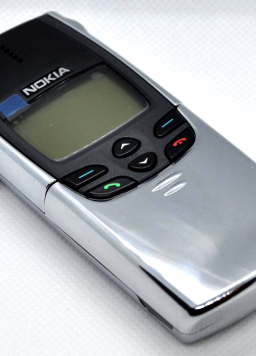
⭐ WOW Factor: The first Nokia phone with internal antenna, The first Nokia Luxury phone.
👁 Evaluation in my collection: Brand New Swap – 10/10
⏱ Life timer: N/A | 📦 Boxed: YES – SWAP
📅 Release Year: 1998 | 💰 Release Price: ~1800 $
📊 Units Sold: ~500k
📰 Why this phone matters: In 1998, the Nokia 8810 was considered a luxury phone. This was due to the sleek new design the 8810 presented. It had no external whip or stub antenna, which was unusual for the time.Instead, it featured an internal antenna, which allowed the phone to be stored in a pocket upside down.Nokia invested hundreds of man hours into research on how people hold their phones for calls; this allowed them to place the antenna accordingly.The 8810 is tapered and weighted to encourage users to hold it below the antenna, minimizing interference. However, this also led to a poorer signal reception compared to an external antenna, which meant battery life was reduced. It was encased entirely in plastic parts; this case would slide down to reveal the keypad. This new appearance, in particular the lack of an external antenna, meant the 8810 had a desirable advantage over its competitors and enjoyed moderate success.The choice to make the antenna internal had a negative effect on battery life, but Nokia felt this was an acceptable tradeoff for getting rid of the external antenna.The design of the phone also made it particularly popular following its release. Unlike most other phones in the market at the time, the Nokia 8810 featured a chrome metal finish as well as a pull down metal slide which covered the keypad and kept it clean. Nokia claimed to prioritize antenna performance over physical design if they were ever in conflict.It was designed to be the flagship and the most luxurious of all Nokia phones at the time, and also one of the first phones with chrome plating.📝 Reviews when released: N/A 💔