

">

Showing 1–12 of 16 results
-
Nokia 2260 AT&T
Quick View💎 Rarity Index: B (Uncommon)
👁 Evaluation in my collection: Good – 8.5/10
⏱ Life timer: 02h | 📦 Boxed: NO
📅 Release Year: 2003 | 💰 Release Price: N/A
📊 Units Sold: ~500k
📰 Why this phone matters: A basic phone for the American Market and AT&T, back in 2003. It has a very nice dark blue light and looks similar to 3x series📝 Reviews when released: N/A 💔
-


Nokia 3330
Quick View💎 Rarity Index: D (Very Common)
👁 Evaluation in my collection: BNIB – 10/10
🕵 Nokia Codename: Spiderman
⏱ Life timer: 0m | 📦 Boxed: YES
📅 Release Year: 2001 | 💰 Release Price: ~130 £
📊 Units Sold: ~10M
📰 Why this phone matters: The Nokia 3330 added a CSD-based WAP capability, animated screensavers, a pinball game named ‘Bumper’ and phonebook (stored in the phone memory as opposed to the SIM card in earlier models) with a 100 entry capacity to the model. It also has the capability of downloading Java MIDP apps via WAP (Snake II mazes, Bumper tables, Space Impact chapters).📝 Reviews when released: N/A 💔
-
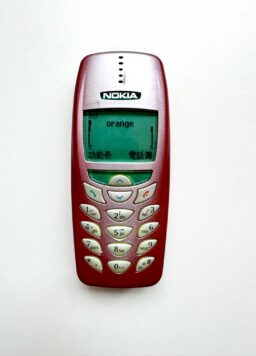
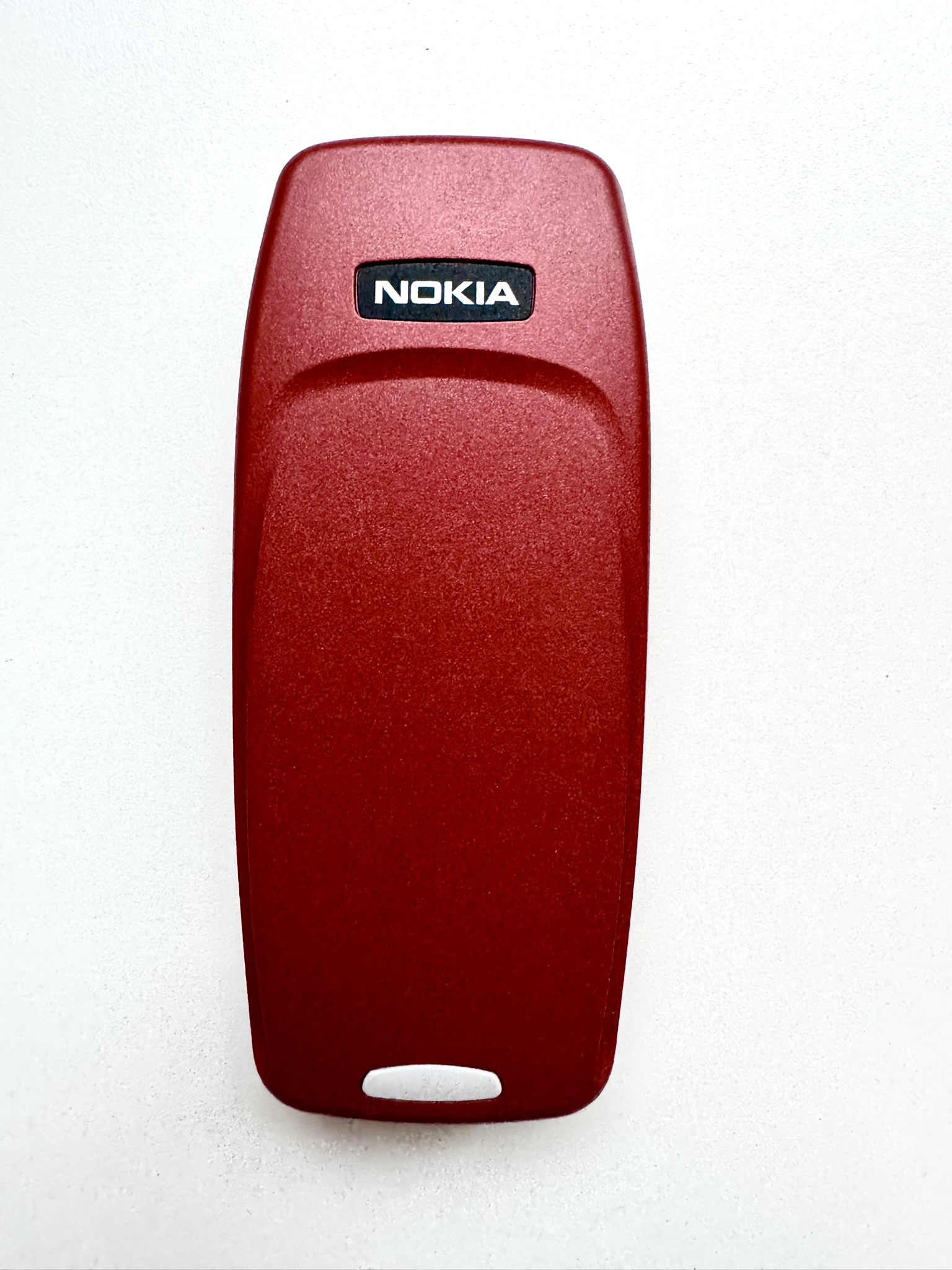
Nokia 3350 Prototype P2.3 : “Ladybird” Early Engineering
Quick View💎 Rarity Index: S (Ultra Rare)
👁 Evaluation in my collection: New – 10/10
🕵 Nokia Codename: LadyBird
⏱ Life timer: 0 | 📦 Boxed: NO
📅 Release Year: 2002 | 💰 Release Price: N/A
📊 Units Sold: ~8M (final units)
📰 Why this phone matters: An exceptionally rare Nokia 3350 NHM-9NX prototype, built during the P2.3 engineering phase of Nokia’s internal development cycle. Carrying the codename “Ladybird”, this unit predates the commercial Nokia 3350 and represents one of the earliest hardware validation builds of the series.Prototypes in the P-series (especially below P3.0) were never intended for public exposure and were used strictly within Nokia’s labs for early software integration, RF calibration, UI tuning and keypad response testing. This P2.3 unit retains all the classic prototype signatures:
PROTO – P2.3 designation
Pre-release internal model name “Ladybird”
No commercial model number printed
Simplified regulatory labeling
Early keypad and housing materials
The front shell features a colour tone and paint texture not identical to the final retail 3350, confirming it as an early body variant used before mass-production plastics and colouring were locked. The keypad shape and iconography also resemble transitional test designs typical of P-series engineering handsets.
As part of Nokia’s early-2000s mid-range development line, the 3350 was known for its rugged build, SMS chat features, WAP support, customizable profiles and rock-solid battery life. This prototype offers a direct look into the internal pre-production evolution of one of Nokia’s most widely used platforms in Asia and eur;ope.
📝 Reviews when released: N/A 💔
-
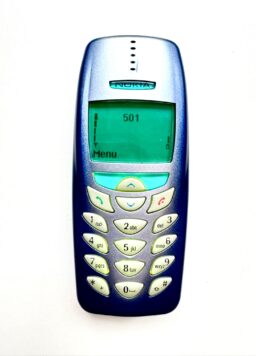
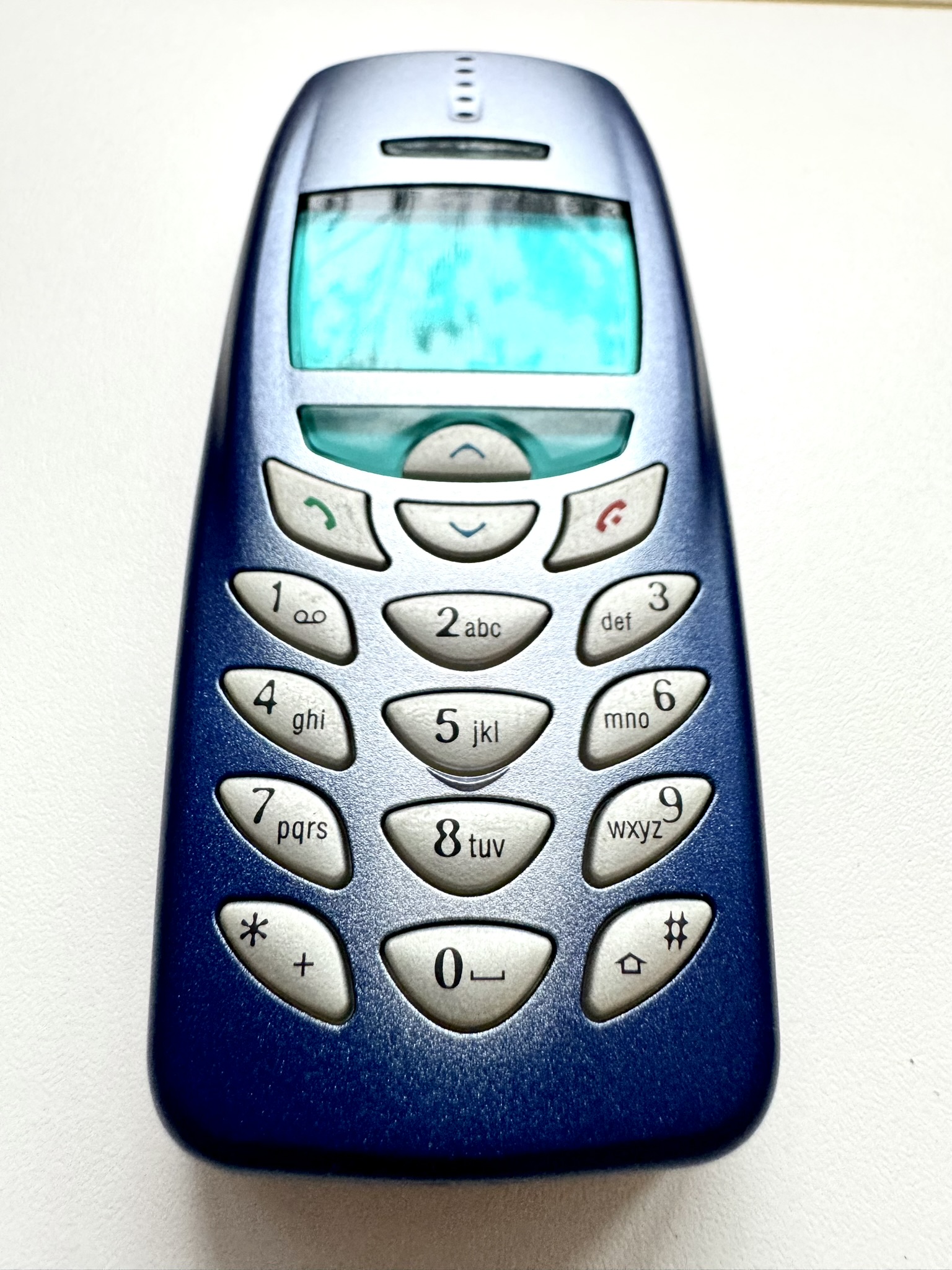
Nokia 3350 Prototype B2.1 : “Ladybird” Early Engineering
Quick View💎 Rarity Index: S (Ultra Rare)
👁 Evaluation in my collection: New – 10/10
🕵 Nokia Codename: LadyBird
⏱ Life timer: 0 | 📦 Boxed: NO
📅 Release Year: 2002 | 💰 Release Price: N/A
📊 Units Sold: ~8M (final units)
📰 Why this phone matters: A highly rare Nokia 3350 NHM-9NX prototype from the B-series engineering phase, carrying the internal codename “Ladybird”.
This B2.1 prototype predates the commercial Nokia 3350 by a significant margin and belongs to one of Nokia’s earliest functional validation waves – far earlier and far scarcer than the P-series engineering units.The B-series prototypes were used exclusively within Nokia’s R&D labs during the earliest stages of hardware and firmware development. These devices formed the foundation of the 3350 platform, serving for keypad matrix testing, UI logic integration, RF tuning, electrical stability checks, and early material experimentation. Units at this stage were never intended to leave Nokia’s possession.
This particular sample is exceptional thanks to:
PROTO – B2.1 designation (rare early engineering phase)
Internal model name “Ladybird”
Experimental blue housing with pre-production paint texture
Unreleased keypad variant, featuring a unique key-shape geometry and distinct iconography
Early-mould plastics not matching final production tolerances
Simplified internal regulatory labeling
?? Important rarity note:
The internal chassis dimensions of this B2.1 prototype differ from all later builds. No commercial Nokia 3350 back cover – and not even P-series prototype back covers – will fit this handset. This confirms that the device comes from an early hardware revision before Nokia finalized the external shell specifications. Such incompatibility is typical only for B-series engineering samples and dramatically increases its historical uniqueness.The blue front shell also features a colour tone not used in mass production, showing Nokia’s exploration of material finishes before final design locking.
As an early DCT-3 era engineering artefact, this B2.1 “Ladybird” prototype is exceptionally rare. With its unique housing geometry, non-final keypad, and unmatched chassis dimensions, it stands as a museum-grade piece that represents a developmental phase almost never seen outside Nokia’s own engineering teams.
A highly valuable and distinctive addition to any advanced Nokia prototype collection.
📝 Reviews when released: N/A 💔
-


Nokia 3410
Quick View💎 Rarity Index: D (Very Common)
👁 Evaluation in my collection: Good – 8.5/10
🕵 Nokia Codename: Dragonfly
⏱ Life timer: 6m | 📦 Boxed: YES
📅 Release Year: 2002 | 💰 Release Price: ~150 €
📊 Units Sold: ~7M
📰 Why this phone matters: The Nokia 3410 is a mobile phone made by Nokia being the successor of the popular Nokia 3310. It was announced at CEBIT on 12 March 2002.The 3410 was the first Java phone by Nokia, as well as being one of the earliest mobile phones outside Japan to feature 3D graphics and an image editor.The Nokia 3410 was never being released in Asia-Pacific due to the release of their variant of the 3310,called the Nokia 3315, which featured almost same design cues as from Nokia 3410.📝 Reviews when released: N/A 💔
-


Nokia 3510 Red Gaming
Quick View💎 Rarity Index: B (Uncommon)
⭐ WOW Factor: The first Nokia phone to bring GPRS internet services to mass market
👁 Evaluation in my collection: Great – 9/10
🕵 Nokia Codename: Pippi
⏱ Life timer: 53h | 📦 Boxed: NO
📅 Release Year: 2002 | 💰 Release Price: ~175$
📊 Units Sold: ~15M
📰 Why this phone matters: The Nokia 3510 is a mobile phone for the GSM network, introduced by Nokia on 12 March 2002.The phone was the first Nokia phone to bring GPRS internet services to the mass market.
The phone has a Nokia Series 30 96 x 65 user interface. The 3510 has the multi-button user interface of the classic Nokia 2110. Along with Nokia 7210, it was the first Nokia device on the mass market with polyphonic ringtones (they were already on the Nokia 7650).
GPRS is used for data transmission and mobile Internet WAP service. There was also a gaming-enhanced Xpress-on cover released as an official accessory for the 3510.📝 Reviews when released: N/A 💔
-


Nokia 3510 Pink
Quick View💎 Rarity Index: C (Common)
⭐ WOW Factor: The first Nokia phone to bring GPRS internet services to mass market
👁 Evaluation in my collection: Great – 9/10
🕵 Nokia Codename: Pippi
⏱ Life timer: 13h | 📦 Boxed: NO
📅 Release Year: 2002 | 💰 Release Price: ~175$
📊 Units Sold: ~15M
📰 Why this phone matters: The Nokia 3510 is a mobile phone for the GSM network, introduced by Nokia on 12 March 2002.The phone was the first Nokia phone to bring GPRS internet services to the mass market.
The phone has a Nokia Series 30 96 x 65 user interface. The 3510 has the multi-button user interface of the classic Nokia 2110. Along with Nokia 7210, it was the first Nokia device on the mass market with polyphonic ringtones (they were already on the Nokia 7650).
GPRS is used for data transmission and mobile Internet WAP service. There was also a gaming-enhanced Xpress-on cover released as an official accessory for the 3510.📝 Reviews when released: N/A 💔
-


Nokia 3510i Start Wars
Quick View💎 Rarity Index: A (Rare)
⭐ WOW Factor: The first Nokia phone with a color display
👁 Evaluation in my collection: BNIB – 10/10
🕵 Nokia Codename: Popeye
⏱ Life timer: 0m | 📦 Boxed: YES
📅 Release Year: 2002 | 💰 Release Price: ~200 $
📊 Units Sold: ~17M
📰 Why this phone matters: It was one of the first phones with a color display. The phone has a Nokia Series 30 96 x 65 user interface. The 3510 has the multi-button user interface of the classic Nokia 2110. Along with Nokia 7210, it was the first Nokia device on the mass market with polyphonic ringtones (they were already on the Nokia 7650).📝 Reviews when released: Mobile Review 🔗
-


Nokia 3589i Verizon
Quick View💎 Rarity Index: C (Common)
⭐ WOW Factor: The first Nokia phone with BREW Technology
👁 Evaluation in my collection: Good – 8.5/10
🕵 Nokia Codename: Popeye
⏱ Life timer: NA | 📦 Boxed: NO
📅 Release Year: 2003 | 💰 Release Price: N/A
📊 Units Sold: ~5M
📰 Why this phone matters: The first Nokia to have BREW technology enabled together with Verizon📝 Reviews when released: N/A 💔
-
Nokia 3610 Prototype B5.0 : Rare Lime Green Variant
Quick View💎 Rarity Index: S (Ultra Rare)
👁 Evaluation in my collection: Great – 9.5/10
🕵 Nokia Codename: LadyBird
⏱ Life timer: 12h | 📦 Boxed: NO
📅 Release Year: 2002 | 💰 Release Price: 150 €
📊 Units Sold: ~1M (final units)
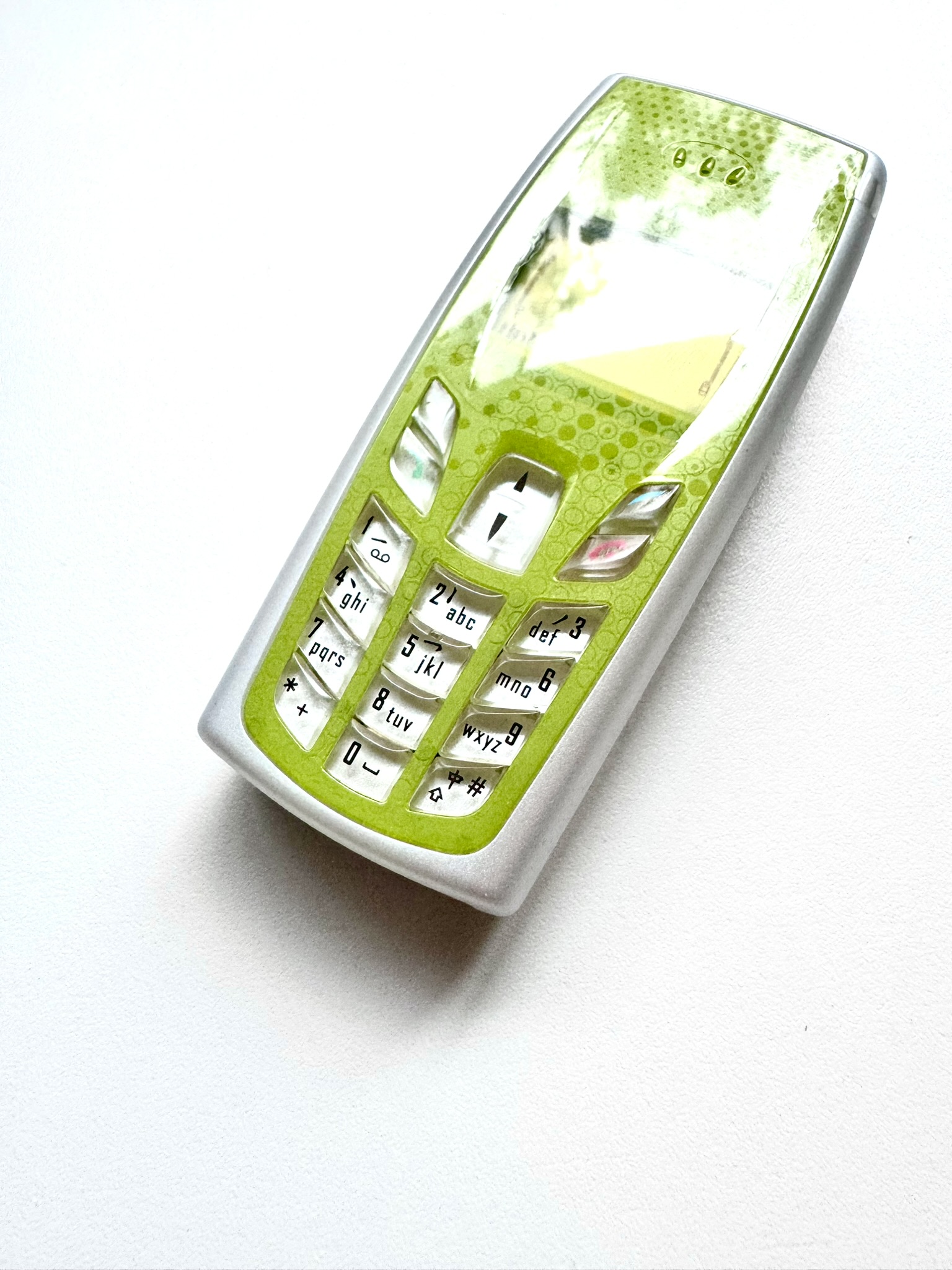
📰 Why this phone matters: A genuine Nokia 3610 Prototype B5.0 (Type NAM-1), originating from Nokia’s internal late engineering phase. The PROTO B5.0 marking, the blank Model field, and the early-format Nokia R&D label identify it as a true pre-production unit used for hardware validation, firmware testing, and RF checks before the model entered final approval.Although this prototype uses a housing and keypad identical to later retail versions, the internal label and hardware revision confirm its role as an authentic Nokia lab device – produced in small quantities and never intended for commercial distribution.
A compact but historically significant DCT4-era engineering sample, and a solid rarity for any serious Nokia prototype collection.
📝 Reviews when released: N/A 💔
-


Nokia 5510
Quick View💎 Rarity Index: B (Uncommon)
⭐ WOW Factor: The first Nokia phone with music player capabilities
👁 Evaluation in my collection: BNIB – 10/10
🕵 Nokia Codename: Maverick
⏱ Life timer: 0m | 📦 Boxed: YES
📅 Release Year: 2001 | 💰 Release Price: N/A
📊 Units Sold: ~800k
📰 Why this phone matters: The Nokia 5510 features a full QWERTY keyboard, and is notable for its digital music player, the company’s first mobile phone with music player capabilities.It has a 64 MB memory for storing audio files📝 Reviews when released: N/A 💔
-
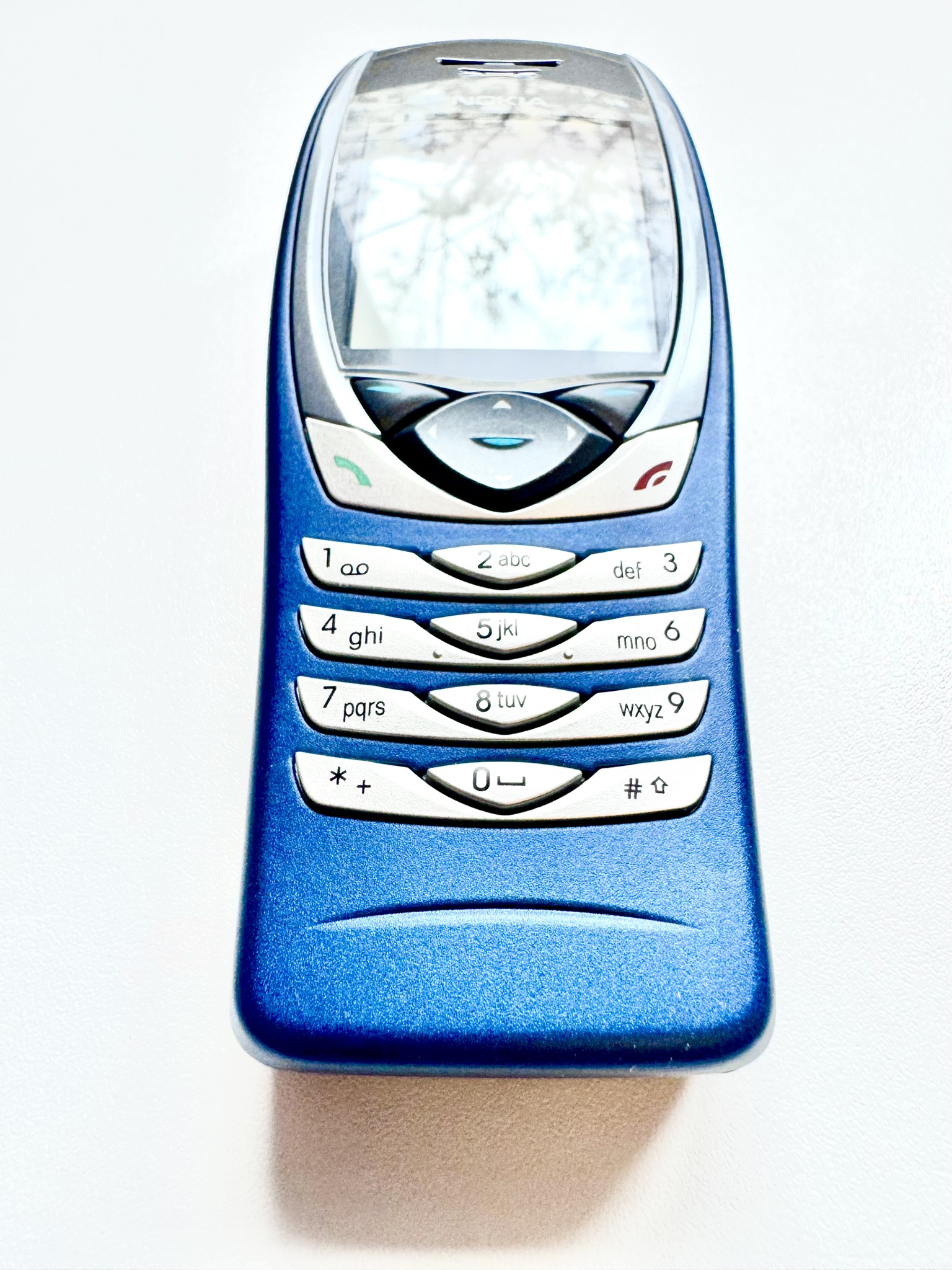
Nokia 6650 Prototype B1 6.2 : The lost first Nokia’s 3G Phone | Unreleased Black and Blue Colour
Quick View💎 Rarity Index: X (Mystical Prototype)
⭐ WOW Factor: The first Nokia 3G phone
👁 Evaluation in my collection: Good – 8.5/10
🕵 Nokia Codename: Kenny
⏱ Life timer: 2m | 📦 Boxed: NO
📅 Release Year: 2002 | 💰 Release Price: N/A
📊 Units Sold: 100k (final units)
📰 Why this phone matters: The Nokia 6650 Prototype B1 6.2 represents one of the most important and fragile transition moments in Nokia history. This device is not just an early unit, but a full internal engineering prototype that captures the very first attempt to bring 3G technology into a classic Nokia candybar form factor.An engineering device, not a consumer phone
The rear label clearly identifies this unit as Nokia internal property, explicitly marked PROTO and Made in Finland. The device uses a placeholder model designation XXXX, a standard practice for Nokia engineering hardware that was never approved for commercial sale. Hardware identifiers such as B1.6.2 and HWID 4122 place this unit deep inside Nokia internal testing cycles, well before mass production validation.
These labels were never meant to survive outside Nokia labs. Their presence confirms this phone was used strictly for internal testing, radio validation, and early software integration rather than marketing or carrier trials.
The unreleased early design language
This prototype showcases design elements that never reached the market. The blue front cover was never commercially released, while the black rear housing with its distinctive camera ornament remains completely unique to early prototype builds. When the Nokia 6650 eventually launched, it appeared only in a dark green colorway for both front and back, making this blue and black combination a lost design direction.
The body shape, materials, and external antenna confirm this device as the final Nokia candybar with an external antenna, closing an entire design era.
Early software and version identity
The software screen reveals version Vp1.301 dated 30-09-02, running on platform NHM-1 with PRI P1.1. This places the firmware only days after the official unveiling of the Nokia 6650 on 26 September 2002. The Vp prefix identifies a prototype firmware branch, used internally before public release software was finalized.
This version is not a commercial build and was never distributed outside Nokia engineering teams. It represents an unstable development snapshot used for functional validation rather than end user experience.
The startup warning and the two minute limitation
On boot, the phone displays a rare internal warning message stating that this is a Nokia prototype intended only for testing use, and that the software must be updated by the end of November 2002. This message is exceptionally rare and confirms the temporary nature of the firmware installed on the device.
Additionally, this prototype is restricted to a two minute operational window, a known internal safeguard used by Nokia to prevent prolonged use of unfinished hardware outside controlled environments. This limitation reinforces the fact that this unit was never meant to operate as a normal phone.
Why it truly matters
This prototype is the missing link between Nokias 2G legacy and its first step into the 3G world. It captures an unreleased design, unfinished software, and internal safeguards that almost never survive. More than a phone, it is a frozen engineering moment, documenting how Nokia experimented, tested, and iterated before rewriting its own future.
📝 Reviews when released: N/A 💔