

">

Showing 1–12 of 28 results
-


Nokia 2300 Purple
Quick View💎 Rarity Index: C (Common)
👁 Evaluation in my collection: Great – 9/10
🕵 Nokia Codename: Nickel
⏱ Life timer: 138h | 📦 Boxed: NO
📅 Release Year: 2003 | 💰 Release Price: ~150 $
📊 Units Sold: ~5M
📰 Why this phone matters: Nokia presented the Nokia 2300 model back in last year, in Moscow; however this model went for sale only now. This phone is targeted for the youth, and is presented in two colors – pink and grey. If the first one is obviously made for females, then the second one is made for men. The design once again became the company’s main target, the keyboard is made of smooth plastic, it pleasant when you touch it, the keys are oval and get crossed between each other. The keyboard looks unusual, but when you are actually use it no problems are encountered. I believe that this is the seldom exception when unusual keyboard design is actually convenient. The backlight is not even, the keys get highlighted differently, depending on the plastic’s color. For some reason this causes dissonance, typing without any source of light around is not as pleasant, as doing the same operation during the day.📝 Reviews when released: Mobile Review 🔗
-
Nokia 2626
Quick View💎 Rarity Index: C (Common)
👁 Evaluation in my collection: New – 10/10
⏱ Life timer: 00m | 📦 Boxed: YES – SWAP
📅 Release Year: 2006 | 💰 Release Price: N/A
📊 Units Sold: ~15M
📰 Why this phone matters: Entry Level from Nokia – There are many pluses to this phone. It is about 91gms in weight and has a phonebookwhich can hold 300 entries. It has a four way navigation key which makes the phone easy to use. It also has a FM radio which can be played on speaker while listeningthrough headphones. I really like the voice recording facility as well which can be used on and off calls.📝 Reviews when released: N/A 💔
-


Nokia 3100
Quick View💎 Rarity Index: D (Very Common)
👁 Evaluation in my collection: Great – 9.8/10
🕵 Nokia Codename: Maxine
⏱ Life timer: 270h | 📦 Boxed: NO
📅 Release Year: 2003 | 💰 Release Price: 50 $
📊 Units Sold: ~15M
📰 Why this phone matters: The Nokia 3100 is a triband-GSM mobile phone announced on 17 June 2003 as an entry-level phone from Nokia and released in September 2003, designed primarily for the newer generation of marketing audience.
The Nokia 3100 was developed from the Nokia 6100 as a successor to the Nokia 3510. The phone was Nokia’s first in the youth-oriented 3000-series to be equipped with a 128×128 pixel passive colour display (4096 colors/12-bit), and included Java MIDP 1.0, XHTML and WAP browser, GPRS, Pop-Port connectivity and Lithium-ion battery. It is also capable of playing polyphonic MIDI files, which can be used as ringtones.
It is compact in size and lightweight, and also features special lighting effects.📝 Reviews when released: N/A 💔
-


Nokia 3100 Orange Gaming
Quick View💎 Rarity Index: B (Uncommon)
👁 Evaluation in my collection: Great – 9.8/10
🕵 Nokia Codename: Maxine
⏱ Life timer: 44h | 📦 Boxed: NO
📅 Release Year: 2003 | 💰 Release Price: 50 $
📊 Units Sold: ~100k
📰 Why this phone matters: The Nokia 3100 is a triband-GSM mobile phone announced on 17 June 2003 as an entry-level phone from Nokia and released in September 2003, designed primarily for the newer generation of marketing audience.
The Nokia 3100 was developed from the Nokia 6100 as a successor to the Nokia 3510. The phone was Nokia’s first in the youth-oriented 3000-series to be equipped with a 128×128 pixel passive colour display (4096 colors/12-bit), and included Java MIDP 1.0, XHTML and WAP browser, GPRS, Pop-Port connectivity and Lithium-ion battery. It is also capable of playing polyphonic MIDI files, which can be used as ringtones.
It is compact in size and lightweight, and also features special lighting effects.📝 Reviews when released: N/A 💔
-


Nokia 3100b
Quick View💎 Rarity Index: C (Common)
👁 Evaluation in my collection: Good – 9/10
🕵 Nokia Codename: Maxine
⏱ Life timer: 79h | 📦 Boxed: NO
📅 Release Year: 2003 | 💰 Release Price: 50 $
📊 Units Sold: ~1.5M
📰 Why this phone matters: This version intended to be used in American GSM networks. It works in GSM 850/1800/1900.Differences from the basic 3100:
The Grid (originally the Line), an additional main menu interface in the settings menu
TTY/TTD option in Menu > Settings > Enhancement settings that appears only if the phone has been connected to a headset, TTD, or similar device
Voice recording during an active call, up to 1 minute
World clock that displays the time for various time zones. The Nokia 3100 is a triband-GSM mobile phone announced on 17 June 2003 as an entry-level phone from Nokia and released in September 2003, designed primarily for the newer generation of marketing audience.
The Nokia 3100 was developed from the Nokia 6100 as a successor to the Nokia 3510. The phone was Nokia’s first in the youth-oriented 3000-series to be equipped with a 128×128 pixel passive colour display (4096 colors/12-bit), and included Java MIDP 1.0, XHTML and WAP browser, GPRS, Pop-Port connectivity and Lithium-ion battery. It is also capable of playing polyphonic MIDI files, which can be used as ringtones.
It is compact in size and lightweight, and also features special lighting effects.📝 Reviews when released: N/A 💔
-
Nokia 3208c: The BNIB Hybrid Touch Concept
Quick View💎 Rarity Index: B (Uncommon)
⭐ WOW Factor: One of the only Nokias ever made with a handwriting recognition touch-panel on the keypad – an experimental design exclusive to China.
👁 Evaluation in my collection: BNIB – 10/10
⏱ Life timer: 0 | 📦 Boxed: YES
📅 Release Year: 2009 | 💰 Release Price: ~200 $
📊 Units Sold: ~200k
📰 Why this phone matters: The Nokia 3208c (RM-572) is one of the most unusual and least-known Nokia models ever produced – a China-exclusive, touch-enhanced feature phone released only in select Asian markets and almost never seen in eur;ope today. This unit goes even further: it’s a BNIB (Brand New In Box) example, making it an exceptional collector’s piece given how few survived.What makes it special
The 3208c belongs to Nokia’s experimental lineup developed specifically for the Chinese market, where handwriting recognition and touch input were already mainstream years before global adoption.
Instead of a touchscreen smartphone, Nokia implemented a resistive touch layer on top of a traditional display, paired with a touch-enabled numeric keypad-allowing stylus input for handwriting without abandoning the classic keypad design. This hybrid concept existed only on a handful of China-only Nokias.
📝 Reviews when released: N/A 💔
-


Nokia 3660: The Rare 3650 Upgrade
Quick View💎 Rarity Index: A (Rare)
👁 Evaluation in my collection: Great – 9.3/10
🕵 Nokia Codename: Sylvester
⏱ Life timer: N/A | 📦 Boxed: NO
📅 Release Year: 2003 | 💰 Release Price: 450 €
📊 Units Sold: ~2M
📰 Why this phone matters: The Nokia 3660 is a refined and expressive successor to the iconic Nokia 3650, combining the power of the early Symbian Series 60 platform with a redesigned keypad and a striking color-focused design. Released in late 2003, it addressed user feedback by replacing the circular keypad of the 3650 with a more familiar rectangular grid layout, improving typing comfort without losing the distinctive charm of Nokia’s bold early smartphone era.This mint-condition red unit is an exceptional example of the 3660. The red housing is one of the more eye-catching and vibrant variants, reflecting Nokia’s early 2000s focus on personalization and expressive design. These colorful versions were popular at launch but are difficult to find today in clean, near-new condition.
Powered by Symbian OS 6.1 with Series 60 UI, the 3660 offered video recording, Bluetooth connectivity, multimedia messaging, RealPlayer support, and expandable MMC memory at a time when most mobile phones were still limited to basic features. Its VGA camera made it a capable early cameraphone, continuing the evolution that began with the Nokia 7650 and 3650.
With its combination of color, capability, and unique early smartphone personality, the Nokia 3660 stands as a memorable and collectible piece of Nokia’s Symbian history. A mint red unit like this is a rare and valuable addition to any serious mobile phone collection.
📝 Reviews when released: Mobile Review 🔗
-
Nokia 6108 Prototype B5.0: Early Engineering Sample in Pink
Quick View💎 Rarity Index: S (Ultra Rare)
⭐ WOW Factor: Handwriting Recognition
👁 Evaluation in my collection: Good – 9/10
🕵 Nokia Codename: Libai
⏱ Life timer: 3 | 📦 Boxed: NO
📅 Release Year: 2003 | 💰 Release Price: 200 €
📊 Units Sold: ~300k (final units)
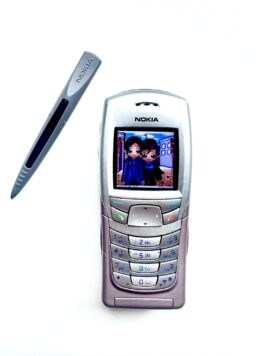
📰 Why this phone matters: A striking Nokia 6108 Prototype B5.0, internal codename “LiBai”, built under Type RH-4 and marked with the unmistakable Model: XXYY placeholder – one of Nokia’s classic signatures for true pre-production devices. The PROTO B5.0 designation places this unit in the late engineering stage, where final hardware refinements, handwriting-input validation and UI stability testing were performed before the model was green-lit for production.The pink housing paired with this prototype label makes it highly distinctive: while certain pink variants were later released in select Asian markets, the internal markings on this unit – early production codes, non-consumer label structure, and the development codename printed directly on the shield – confirm it as part of Nokia’s controlled R&D chain rather than a retail batch.
With its clean prototype identifiers, engineering-phase hardware and the unique “LiBai” project naming, this 6108 B5.0 proto stands as a rare and desirable example of Nokia’s experimental era, capturing the device exactly as it passed through the company’s internal development process.
📝 Reviews when released: N/A 💔
-
Nokia 6108: The First Handwriting Classic
Quick View💎 Rarity Index: A (Rare)
⭐ WOW Factor: Handwriting Recognition
👁 Evaluation in my collection: As New – 9.9/10
🕵 Nokia Codename: Libai
⏱ Life timer: 0 | 📦 Boxed: YES
📅 Release Year: 2003 | 💰 Release Price: 200 €
📊 Units Sold: ~300k
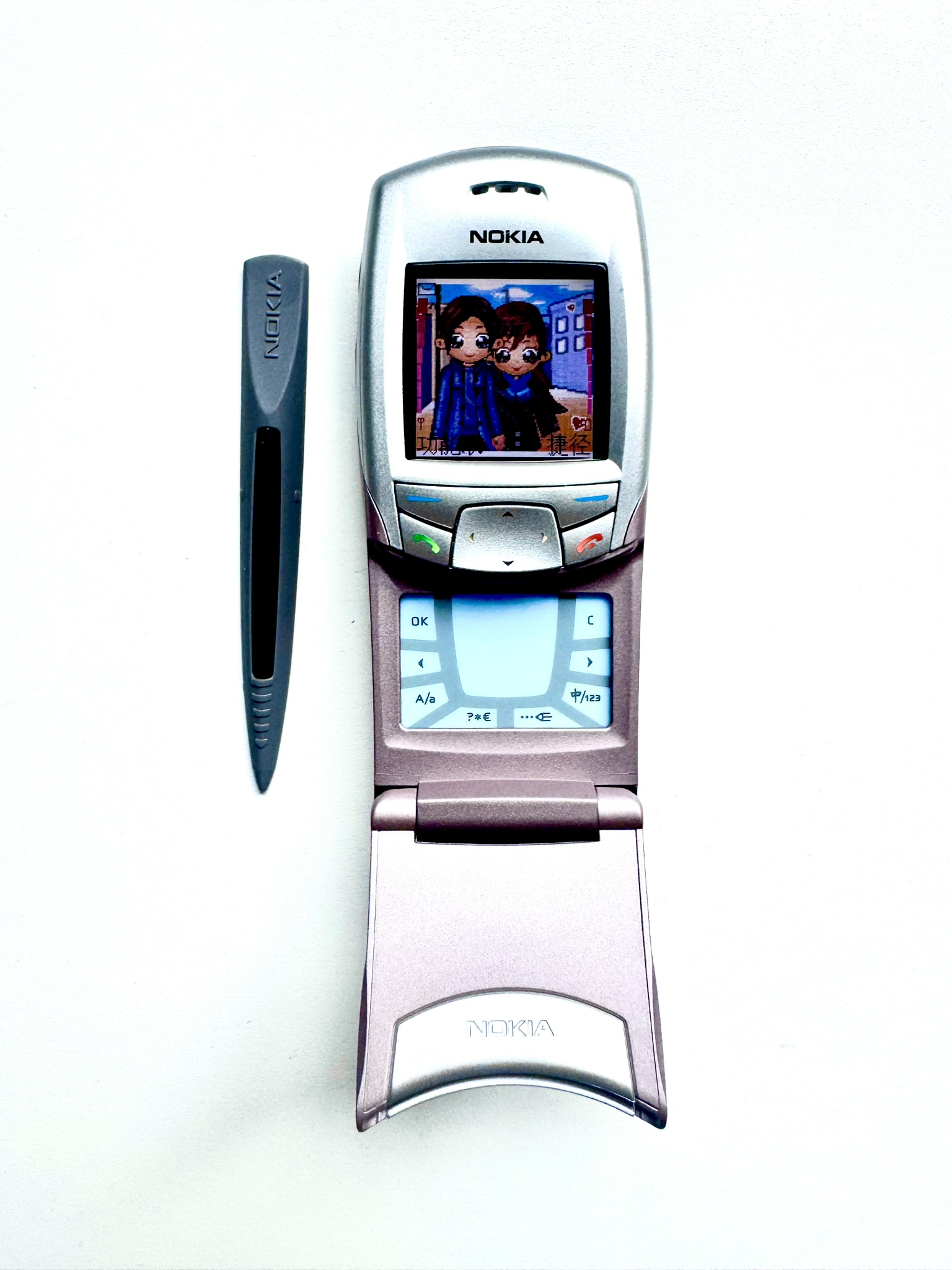
📰 Why this phone matters: The Nokia 6108 is one of the most unusual and innovative mass-released Nokia phones, designed specifically for the Chinese market and built around a unique flip-down handwriting input system. Released in the early 2000s, it combined a traditional candybar keypad with a dedicated handwriting pad hidden beneath the keys. The included stylus, neatly stored on the back of the device, enabled users to write Chinese or English characters directly onto the phone, making the 6108 a remarkably advanced hybrid device for its era.This full box example is extremely rare. Most 6108 units were heavily used in China and Southeast Asia, where handwriting input was a daily necessity. As a result, surviving phones usually show significant wear and often lack the stylus, manuals, or original packaging. A complete, intact full box with all accessories is very hard to find today and greatly increases the collectible value of this model.
With GPRS, MMS, email, Java applications, SyncML support, a two-way English/Chinese dictionary and speakerphone, the 6108 offered a feature set far beyond standard Series 40 devices of its time. Its IR port enabled early PC synchronization long before modern wireless standards became common.
Internally known as LiBai, the 6108 reflects Nokias experimental phase, merging conventional keypad use with stylus-driven handwriting input long before capacitive touchscreens became mainstream. Its distribution was limited to Asia-Pacific markets, and because it was heavily used for educational, business and translation purposes, complete boxed units like this one are exceptionally hard to source.
With its flip-down handwriting pad, integrated stylus, region-specific firmware and fully intact accessory set, this Nokia 6108 stands as a distinctive and rare piece of Nokia innovation, showcasing the company’s creative engineering during the early 2000s.
📝 Reviews when released: N/A 💔
-
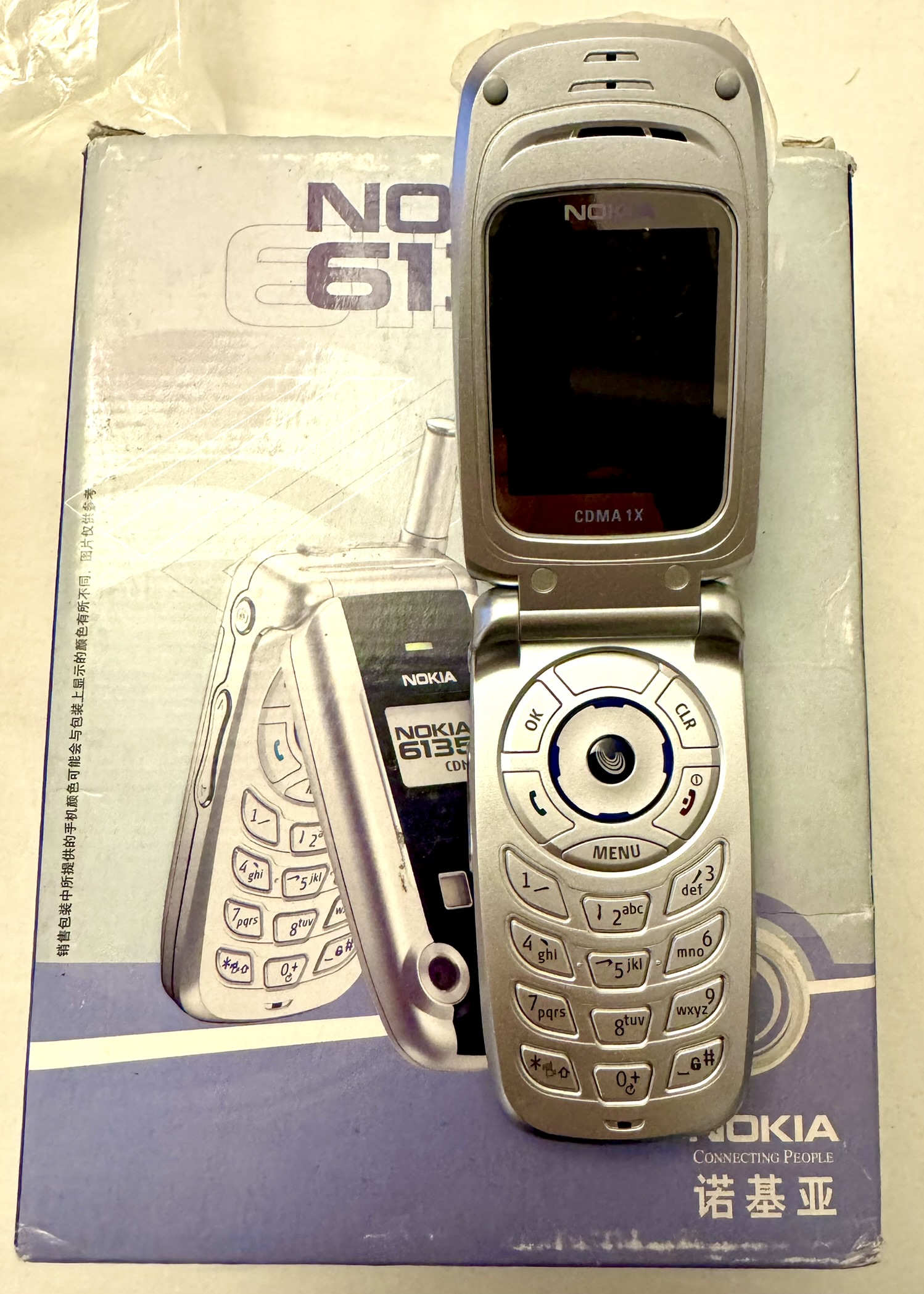
Nokia 6135: China-Market CDMA Edition
Quick View💎 Rarity Index: A (Rare)
👁 Evaluation in my collection: BNIB – 10/10
⏱ Life timer: 0 | 📦 Boxed: YES
📅 Release Year: 2004 | 💰 Release Price: ~350 $
📊 Units Sold: ~500k
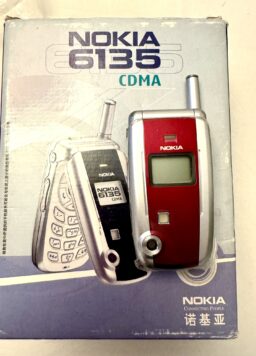
📰 Why this phone matters: A rare Nokia CDMA clamshell created exclusively for the Chinese market and engineered around Qualcomm’s CDMA2000 1x platform. Unlike Nokia’s global GSM lineup, the 6135 uses a Nokia-custom CDMA OS with BREW support, the “CDMA by Qualcomm” branding, and the distinctive hardware configuration unique to early China Telecom devices.Certified under CMII in 2004 and produced in limited volume, the 6135 remains one of the least-known Nokia models ever released. Running on the classic BL-5C battery and carrying RM-98 internal architecture, it represents a rarely seen branch of Nokia’s portfolio – a hybrid of Nokia design and Qualcomm radio technology.
📝 Reviews when released: N/A 💔
-


Nokia 6230 Cath Kidston
Quick View💎 Rarity Index: C (Common)
👁 Evaluation in my collection: Good – 8/10
🕵 Nokia Codename: MatrixII
⏱ Life timer: 67h | 📦 Boxed: NO
📅 Release Year: 2003 | 💰 Release Price: ~300 €
📊 Units Sold: ~20M
📰 Why this phone matters: The 6230 is business-styled but it does feature a VGA resolution digital camera, video camera, a music player and expandable memory. It is considered to be one of the loudest Nokia phones.📝 Reviews when released: Mobile Review 🔗
-


Nokia 6230i
Quick View💎 Rarity Index: C (Common)
👁 Evaluation in my collection: Great – 9/10
🕵 Nokia Codename: MatrixII
⏱ Life timer: 131h | 📦 Boxed: NO
📅 Release Year: 2005 | 💰 Release Price: ~400 $
📊 Units Sold: ~15M
📰 Why this phone matters: In early 2005 Nokia released an updated 6230i model (RM-72) which includes a 1.3-megapixel camera instead of a 0.3, 208×208 screen resolution (65,536 colours), a slightly larger display, a raised selection button in the midst of the scroll key, and a modern redesigned menu.
It is also standard UMS (USB mass storage device class) compliant, i.e. no proprietary drivers are required to transfer data to and from the device’s memory card. It weighs 99 g (including battery BL-5C) and the dimensions are 103 mm x 44 mm x 20 mm, 76 cc.
📝 Reviews when released: Mobile Review 🔗